Hiroshima gives this 10-day Japan journey its emotional center. You ride the Shinkansen from Osaka, visit the Peace Memorial Park, then travel on to Miyajima’s shrine and floating torii gate before returning to Osaka. It is a route that pairs Japan’s famous sights with a quieter, more reflective stop.
I like the private format, which keeps your family or party together rather than adding strangers, and the mix of guided sightseeing with free days in Osaka and Kyoto. I also like that the route includes the bullet train, Lake Ashi and the Fuji area, not just the big cities.
One consideration: this is partially guided, not a guide-led tour from breakfast to bedtime. You handle your own plans on two full free days, and several hotel changes plus long transfers make this a full 10 days, even at a low physical rating.
- The trip in a few useful points
- A private route, with help where it counts
- Osaka starts gently, then Hiroshima changes the mood
- Osaka’s free day is yours to spend
- Nara’s deer, then Kyoto’s red gates
- Kyoto rewards a free day, if you choose carefully
- Hakone’s lake, ropeway and volcanic ground
- Kawaguchiko and Oshino Hakkai before Tokyo
- Tokyo’s shrines, old streets and market stalls
- What the ,990 starting price covers
- Should you book this Japan tour?
- FAQ
- Is this a group tour?
- Where does the tour start and end?
- How many days is the tour?
- Are international flights included?
- Which Shinkansen rides are included?
- Are guides with us every day?
- What accommodation is included?
- How many breakfasts are included?
- Is the tour suitable for children?
- The Best Of Osaka!
- More Guided Tours in Osaka
- More Tours in Osaka
- More Tour Reviews in Osaka
- Not for you? Here's more nearby things to do in Osaka we have reviewed
The trip in a few useful points
 1 / 10
 2 / 10
 3 / 10
 4 / 10
 5 / 10
 6 / 10
 7 / 10
 8 / 10
 9 / 10
 10 / 10
- Hiroshima is more than a quick stop: You spend a night near Peace Memorial Park, then visit Miyajima the next day.
- Your party travels privately: No other tour group joins your sightseeing, and private transport is provided on several key days.
- Two days are yours to shape: Osaka and Kyoto have unscheduled days, so you can choose food, museums, temples or a slower pace.
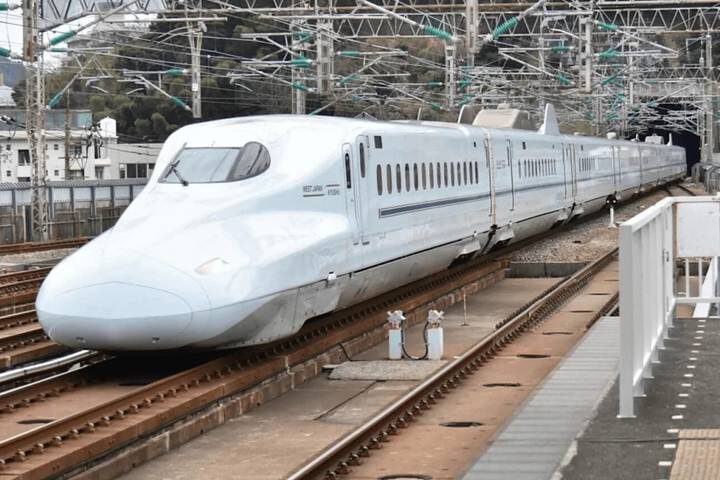
- The Shinkansen connects major legs: Train rides link Osaka with Hiroshima and Kyoto with Odawara.
- The Fuji region gets two distinct outings: Hakone brings a lake cruise and volcanic scenery; the next day focuses on Kawaguchiko and Oshino Hakkai.
- The listed hotels are three-star: Breakfast is included each morning, while room upgrades are available at an extra cost.
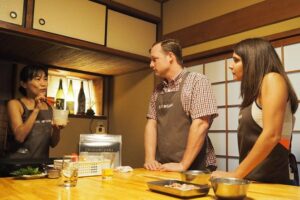
👉 See our pick of the 24 Best Workshops And Classes In Osaka
A private route, with help where it counts
The appeal here is not that every minute is guided. It is that someone helps with the parts of Japan that can feel logistically demanding, while you still get room to make the trip your own. On guided days, English-speaking local guides accompany you. The itinerary also uses private cars and drivers for several regional excursions.
That distinction matters. You are not joining a fixed group with a shared pace, but neither should you expect a guide to accompany you every day. Osaka and Kyoto each include a free day, and the first and last airport transfers use local drivers described as having basic English. You can request an English-speaking guide and driver for those transfers at extra cost.
The tour is designed for families, first-time visitors and multi-generation parties. It is rated low intensity, but you will still walk around temples, stations and city districts, and the route changes hotels several times. If your party includes young children or older relatives, the private format offers useful flexibility. Confirm in advance how much walking is expected on each guided day and how any requested changes will affect the schedule.
You can also read our reviews of more guided tours in Osaka


Osaka starts gently, then Hiroshima changes the mood
Day one is deliberately simple. A driver meets you at Osaka airport and takes you to the Best Western Plus Hotel Fino Osaka Kitahama. After a long flight, having a car arranged is a practical comfort. The rest of the day is open, giving you time to rest, eat nearby or get used to the time difference.
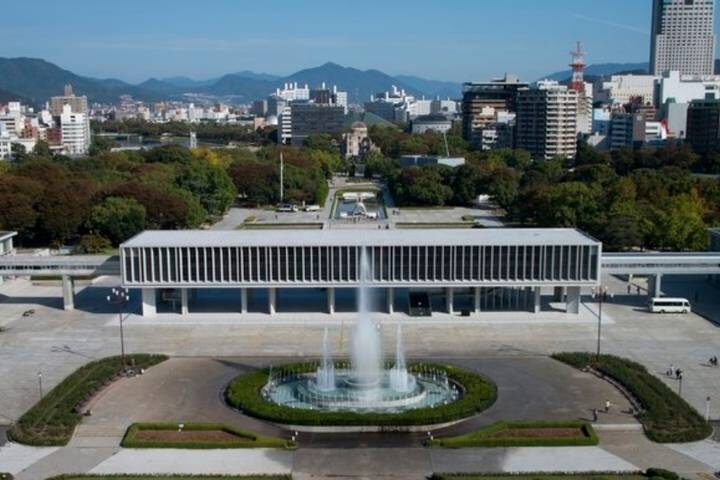
On day two, your guide accompanies you to Hiroshima by Shinkansen. The train is part of the experience, but it is also a straightforward way to cover the distance without arranging a separate domestic flight. Local transport, such as buses, trams or taxis, is used to get around Hiroshima. You stay near Peace Memorial Park, at HOTEL MYSTAYS Hiroshima Peace Park.
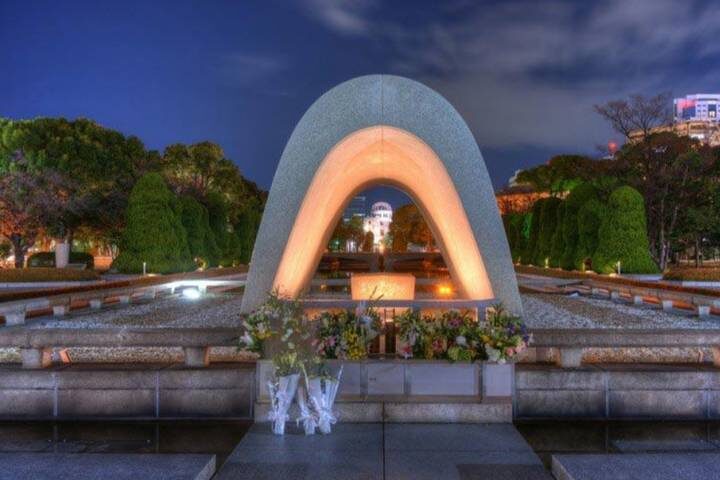
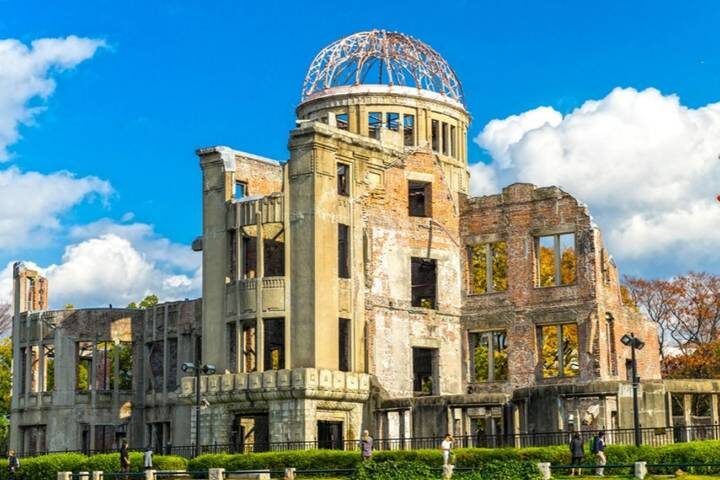
The Peace Memorial Park and Museum are the most serious stop on the route. Give them time and attention. This is not sightseeing to race through between meals. The visit can change the tone of the trip, giving the city’s history room to register before you return to the lighter pace of the next days. A guide can provide context that is hard to get from a quick walk through the park alone.
One useful packing detail: the plan advises bringing a small overnight bag to Hiroshima and leaving larger luggage at your Osaka hotel. Confirm the storage arrangement with UME Travel before departure, especially if you prefer to keep all your bags with you.
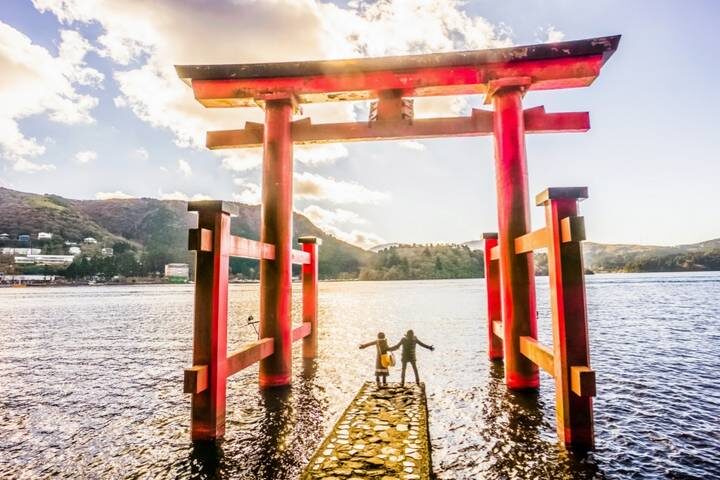
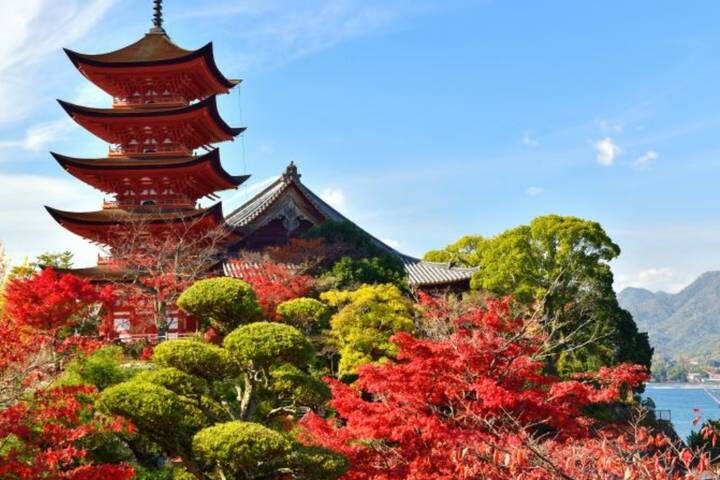
Day three takes you to Miyajima, officially Itsukushima. The island’s shrine is famous for its torii gate, which appears to float when the tide is high. At low tide, the view changes, so it is worth checking the tide times if a particular scene matters to you. Wild deer wander among visitors, but unlike the deer in Nara, Miyajima’s deer should not be fed. Keep snacks and loose papers tucked away.
You return to Osaka by Shinkansen and stay again at the Osaka hotel. The day combines a sacred site, island scenery and a long rail journey, so it is one of the fuller days. Miyajima’s local specialties include momiji manju, maple-leaf-shaped cakes, and grilled oysters.
Osaka’s free day is yours to spend
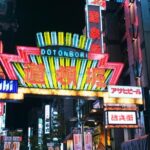
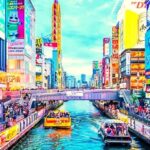
Day four has no scheduled sightseeing. That freedom is a real advantage if your family needs a slower morning or has a specific interest. Kuromon Market is a good choice for browsing food stalls and trying seafood or snacks. Dotonbori is the place to look for takoyaki, okonomiyaki and kushikatsu, though it can be crowded, particularly in the evening.
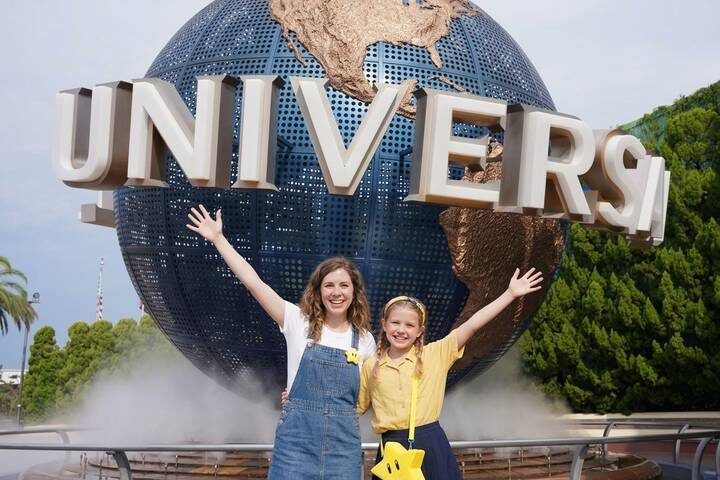
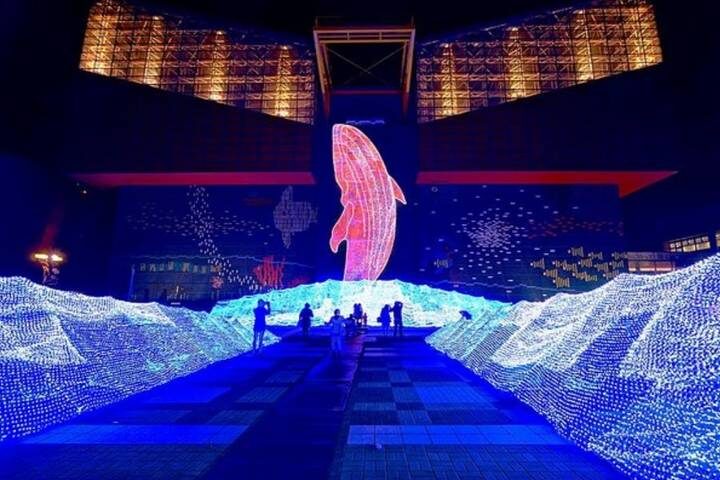
For a quieter change of pace, you could spend the day shopping or visit Osaka Aquarium Kaiyukan. Universal Studios Japan is another option, but it is not included as a guided activity. Plan and pay for optional attractions yourself unless your final travel documents say otherwise. A full day at a theme park may also mean giving up the chance to see other parts of Osaka.
This day is a good example of the tour’s trade-off: the operator handles the big route, but you make some of the daily choices. If you enjoy that balance, the open day feels liberating. If you want a guide and planned visits each day, ask about adding services before you book.
Nara’s deer, then Kyoto’s red gates
On day five, a private guide and driver take you from Osaka to Nara and then on to Kyoto. Nara Park’s deer are a memorable introduction to the city, but they are not tame pets. You can buy official shika senbei crackers to feed them; keep other food and paper items out of reach. The deer may approach assertively when they spot a snack.
Todaiji Temple is a major reason to make the stop. Its Great Buddha Hall houses an enormous bronze Buddha, and the temple’s scale makes a strong impression even if you have already seen several Japanese temples. Kasuga Taisha adds a different mood, with its historic shrine setting and lanterns. Admission to listed attractions and private transport are included on this day.
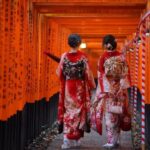
Later, the route continues to Kyoto and Fushimi Inari Shrine. Thousands of vermilion torii gates line trails that climb into the wooded Mount Inari grounds. You can take a short walk through the lower gates or continue farther uphill, depending on time and energy. The famous views come with crowds, so be ready to share the path.
You stay at Hotel Elcient Kyoto Hachijoguchi for two nights. Its location near Kyoto Station is useful for independent exploring and for the next day’s train journey.
Kyoto rewards a free day, if you choose carefully
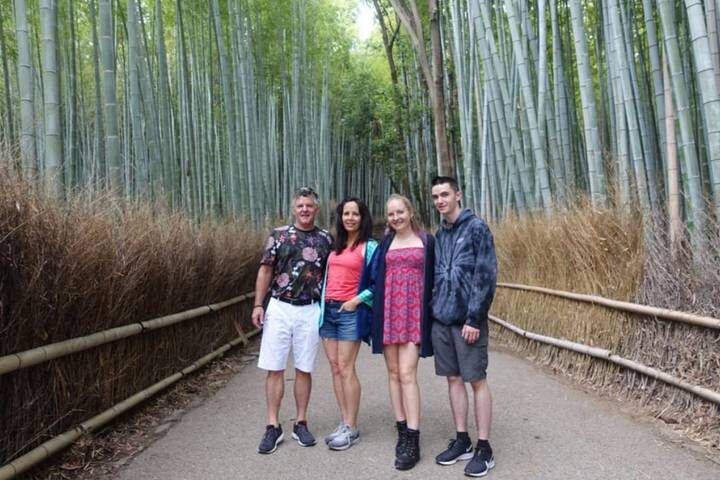
Day six is another open day, and Kyoto offers enough choices to fill several. Kinkaku-ji, the Golden Pavilion, is known for its gold-covered exterior reflected in a pond. Arashiyama’s bamboo grove gives you a leafy walk, while Gion’s historic streets are best approached with respect for residents and local customs. Kiyomizu-dera offers hillside views, and Nishiki Market is a practical stop if you want to sample local foods.
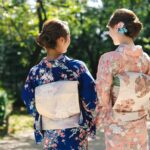
My advice is to pick a small number of sights rather than trying to collect temples like stamps. Kyoto is spread out, and fitting Kinkaku-ji, Arashiyama, Gion and Kiyomizu-dera into one day can turn a pleasant visit into a transport exercise. Start early for popular sites. If you want a tea ceremony or kimono experience, arrange it in advance and confirm whether it is included; these are listed as optional activities, not part of the standard package.
The unstructured day is especially valuable after the guided visits in Nara and at Fushimi Inari. You can spend longer at a place that interests you, take a break or choose a food-focused day. The flip side is that transport and admission for your independent plans may be your responsibility, so check what your final documents cover.
You can also read our reviews of more private tours in Osaka


Hakone’s lake, ropeway and volcanic ground
On day seven, you travel by Shinkansen from Kyoto to Odawara. The ticket is included, but you make your own way to the station. The instructions recommend arriving at least 20 minutes before departure; your guide and driver meet you at Odawara.
Hakone’s main sights are Lake Ashi and Owakudani. The Hakone Pirate Ship crosses the lake, with views toward Mount Fuji when conditions cooperate. The Hakone Ropeway then carries you toward Owakudani, an active volcanic area where steam and sulfurous fumes rise from the ground. You can try the local black eggs, cooked in the area’s sulfuric waters.
The cruise and ropeway make the day varied, but Fuji views are weather-dependent. Do not treat a clear mountain view as guaranteed. The stay is at HOTEL MYSTAYS Fuji Onsen Resort, listed as a three-star property. The supplied information names this as the accommodation for the Hakone-area night, though the hotel’s name refers to Fuji; confirm the precise location and the day’s transfer plan when your final documents arrive.
Kawaguchiko and Oshino Hakkai before Tokyo
Day eight continues through the Mount Fuji area, with a visit to Tenjozan Park and its ropeway viewpoint above Lake Kawaguchi. An excursion boat on the lake is also listed as an option. Oshino Hakkai, a village known for its eight springs, adds a more rural stop after the lake views.
This is a scenic day, but it involves a substantial transfer onward to Tokyo. The route description labels the destination Akihabara, where you stay at Dormy Inn Akihabara Hot Spring for two nights. Ask the operator to confirm the exact order, driving times and which activities are included. The boat is explicitly presented as optional, while the other listed visits include admission.
The Fuji region is a fine contrast with the cities: water, mountain views, volcanic ground and a village setting. But mountain weather can be changeable, and the schedule covers a broad area. Pack for the day rather than expecting a relaxed afternoon at one single site.
Tokyo’s shrines, old streets and market stalls
Day nine is guided, using local transport such as buses, trams or taxis. Meiji Shrine offers a calm start near Harajuku, with a large torii gate and a wooded approach. From there, you head to Asakusa for Senso-ji, Tokyo’s oldest temple, and Nakamise Shopping Street, where traditional shops and food stalls line the approach.
Tsukiji Outer Market rounds out the day with seafood and other food stalls. It is a useful place to taste and browse, but it is not a full tour of every side of Tokyo. The city is huge, and this day focuses on a few well-known cultural and food stops. If you want time for districts such as Akihabara or other neighborhoods, use the evening or add days before or after the tour.
Day ten is a private transfer from your hotel to the airport, with breakfast included. The journey ends in Tokyo, not Osaka, so book international flights with that in mind.
What the $3,990 starting price covers
The starting price is $3,990, based on the cheapest room option. Accommodation is based on two people sharing; a single supplement applies if you want your own room. The package includes nine breakfasts, listed hotel stays, selected guide services, private transport on certain days, local transport on guided city days, attraction admissions as specified, and the Shinkansen rides between Osaka and Hiroshima and Kyoto and Odawara.
International flights are not included. Lunches and dinners are also not part of the stated meal plan, which leaves you free to sample local food but means you should budget for daily meals. The tour notes that special diets, particularly vegan diets, can be difficult to accommodate in Japan. If you have strict requirements, contact the operator before booking and plan for some self-catering or extra research.
At this price, the value is mainly in coordination: train tickets, hotel changes, selected private transfers and guides are arranged for you. That can save time and reduce the stress of moving a family between cities. It is less compelling if you are comfortable planning your own rail journeys and prefer to book simpler accommodation independently. Ask for a precise list of inclusions for your party size, and check whether hotel city tax applies, as it may be payable directly at the hotel.
The tour itself is rated 4.9 out of 5 across 28 ratings, with strong scores for itinerary and transport. The operator’s TourRadar profile is rated 4.8 across 224 ratings. Service quality is not automatic, however: one reported booking had late documents, transfer confusion for a larger party and concerns about guide consistency. Get pickup times, luggage arrangements, final hotel details and any extra transfer costs in writing well before you leave.
Should you book this Japan tour?
Book it if you want a private family trip that covers Japan’s major first-visit stops without requiring you to organize every train and hotel yourself. The strongest reasons are the Hiroshima and Miyajima pairing, guided cultural visits, private transport on key regional days and open time in Osaka and Kyoto. Families can also adjust the pace more easily than they could on a large group departure.
Think twice if you want a guide beside you every day, a slower pace with fewer hotel changes or a package that includes most meals and evening activities. Before paying, ask UME Travel to confirm the exact vehicle arrangements for your party size, which days include a guide, the status of optional activities, the Fuji-area hotel location and how changes to the schedule work. Those answers will tell you whether this well-connected route is the right fit for your own Japan trip.
10 Days Japan Delight with Hiroshima (Private Guide No Group) by UME Travel
“I really enjoyed my experience on the 10 Days Japan Delight with Hiroshima tour. The trip was a great way to explore Japan, experience its culture,…”
FAQ
Is this a group tour?
No. It is a private tour for your own party, with no strangers joining your sightseeing.
Where does the tour start and end?
It starts in Osaka and ends in Tokyo.
How many days is the tour?
The tour lasts 10 days.
Are international flights included?
No. International flights are not included.
Which Shinkansen rides are included?
The package includes the high-speed train from Osaka to Hiroshima and from Kyoto to Odawara.
Are guides with us every day?
No. The tour is partially guided. English-speaking guides are included on selected sightseeing days, while Osaka and Kyoto each have a free day.
What accommodation is included?
The standard option uses three-star hotels, with accommodation based on two people sharing a room. Upgraded hotels are available at extra cost.
How many breakfasts are included?
Nine breakfasts are included. The stated package does not include lunch or dinner.
Is the tour suitable for children?
Yes. All ages are welcome, and the private format is presented as suitable for families and multi-generation groups.