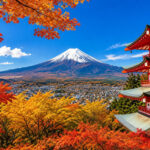
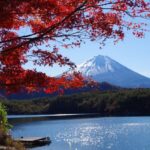
Mount Fuji is the star, but this full-day loop gives you a look at several different sides of the region: a lake reflection, clear spring ponds, an old-fashioned street and the famous pagoda view from Arakurayama Sengen Park. It is a photo-focused sampler, with transport between scattered sights handled for you.
I like two things about the plan: Lake Yamanaka offers a quieter-feeling start, and Oshino Hakkai gives the day something beyond scenic viewpoints, with spring water and local snacks. A guide is included, and one visitor specifically praised the guide. The tradeoff is pace: several stops last only 10 to 40 minutes, and the whole route can feel rushed.
At a glance
- Seven scheduled stops: Lake Yamanaka, Oshino Hakkai, Lawson, Oishi Park, Hikawa Clock Shop, a shrine stable and Arakurayama Sengen Park.
- Best-known view: Chureito Pagoda framed with Mount Fuji from Arakurayama Sengen Park.
- Food is extra: Allow for a short lunch break, bring something or buy food along the way.
- Fuji views are weather-dependent: Cloud and visibility can change what you see and photograph.
- Schedule can change: Seasonal substitutions, crowds, traffic and weather may alter the route or shorten stops.
- Price varies by package: The advertised starting price is $49.20, while the Chinese/English collection-point option is listed from $70.29.
- A day built around Mount Fuji views
- Leaving Tokyo early, with little room for delay
- Lake Yamanaka: a quieter opening by the water
- Oshino Hakkai: clear water, snack stalls and one full hour
- Lunch: bring a plan, not a big appetite for time
- Lawson and Oishi Park: modern Japan beside the lake
- Hikawa Clock Shop: a retro street with a Fuji view
- The shrine stable: a brief heritage pause
- Arakurayama Sengen Park: the big pagoda view, after a climb
- What the price covers, and what it does not
- Who should choose this Mount Fuji day trip
- Should you book it?
- FAQ
- Where does the tour leave from?
- What is included in the tour price?
- Is lunch included?
- Will the tour visit all seven stops?
- Is Mount Fuji guaranteed to be visible?
- How late will the tour return to Tokyo?
- Can infants and children join?
- Can I cancel or change my booking?
- More Shopping Tours in Fuji
- More Tours in Fuji
- More Tour Reviews in Fuji
- Not for you? Here's more nearby things to do in Fuji we have reviewed
A day built around Mount Fuji views
 1 / 10
 2 / 10
 3 / 10
 4 / 10
 5 / 10
 6 / 10
 7 / 10
 8 / 10
 9 / 10
 10 / 10
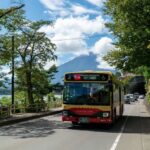
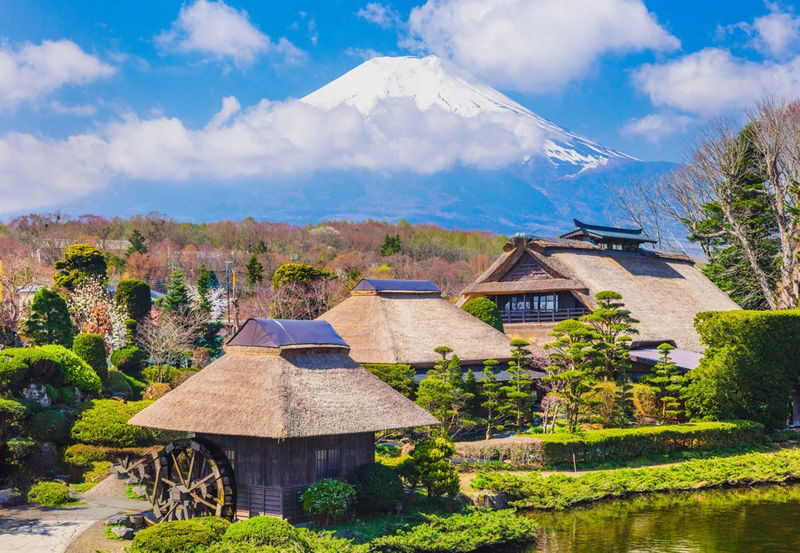
This is a long-distance day trip, not a slow country walk. You board a shared vehicle in Tokyo, travel to the Fuji area, and make a circuit of photo stops before returning to the city. Round-trip transfers, tolls, parking and fuel are included, so you do not need to work out several local bus connections.
The route gathers together contrasting sights. Lake Yamanaka and Lake Kawaguchi offer water-and-mountain views, Oshino Hakkai adds clear spring ponds and snack stalls, and the streets around Hikawa Clock Shop and Lawson show the everyday, retro and modern sides of the region. Arakurayama is the grand finale, though its viewpoint requires a climb.
The pace is the main thing to weigh. Stops range from 10 minutes at the shrine stable to an hour at Oshino Hakkai and Arakurayama. That is enough for a look and a few photographs, but not always enough to linger, browse every stall or wait for a clear view if clouds cover Fuji.
Leaving Tokyo early, with little room for delay
There are two stated Tokyo meeting options: Marunouchi North Exit at Tokyo Station, with a 7:20 am meeting and 7:30 departure, or Shinjuku MODE Gakuen at 7:50 am, with an 8:00 departure. Arrive 10 minutes early. Late arrivals and no-shows are not refundable, so this is not the morning to leave your timing to chance.
The return to Tokyo is estimated at 6:20 pm. Treat that as a target, not a promise. Weekend, holiday and public-holiday traffic can add substantial time, with delays of two to five hours possible. Keep your evening plans flexible and avoid booking a timed activity after the tour.
This is a shared ride. The vehicle depends on group size, and smaller groups may travel with a driver but no separate tour guide. Larger groups are assigned a driver and guide. English and Chinese-speaking support is offered, but the actual arrangement depends on the number of people booked.
You receive the next day’s meeting and vehicle details by email the evening before, including the guide’s contact information. Check your inbox and spam folder, and keep your phone available. If you use LINE, the guide’s group link is sent by email for you to join.
You can also read our reviews of more shopping tours in Fuji
Lake Yamanaka: a quieter opening by the water
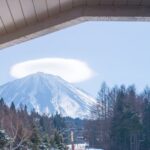
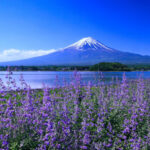
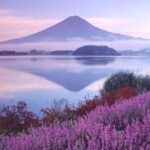
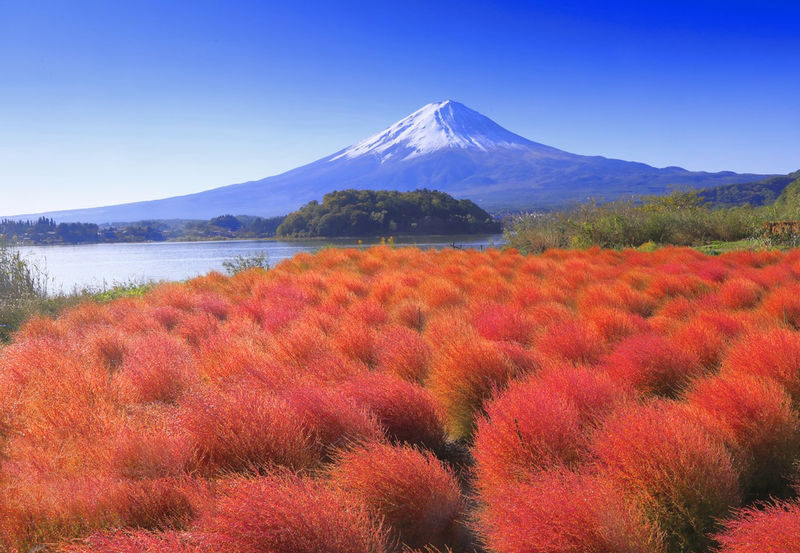
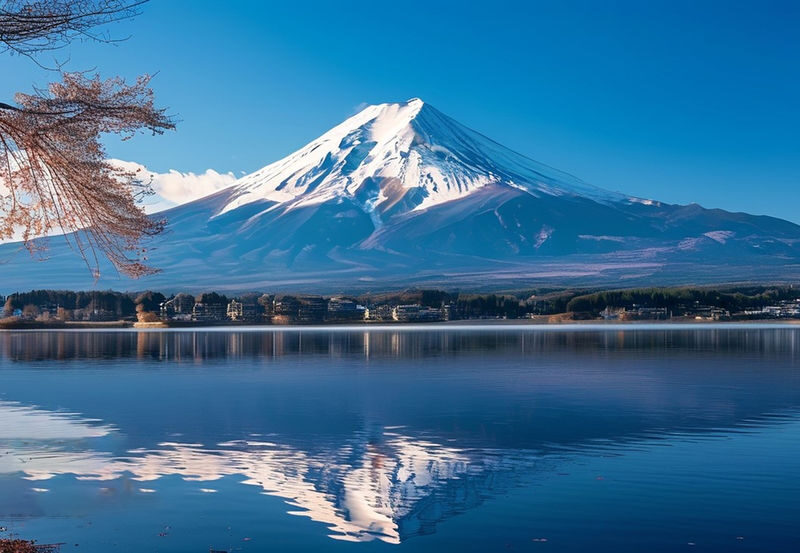
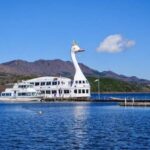
The first listed scenic stop is Lake Yamanaka, the closest of the Fuji Five Lakes to Mount Fuji. The tour allows about 40 minutes. Its broad, calm surface can produce a reflection of the mountain, sometimes called Double Fuji, when the weather and water cooperate.
This is a sensible first stop because it gives you a chance to take in the scale of the mountain before the busier photo locations. It is also described as a less crowded place to enjoy lake scenery. Still, the view is not guaranteed: clouds, wind and the day’s conditions affect both visibility and reflections.
The timetable includes Lake Yamanaka, though the promotional list of seven photo stops emphasizes other locations. Since the operator may change or reduce stops because of weather, capacity or traffic, take the day’s plan as flexible rather than fixed.
Oshino Hakkai: clear water, snack stalls and one full hour
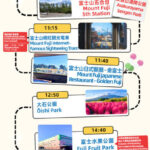
At around 11:30, the tour reaches Oshino Hakkai for about an hour. The eight spring ponds are fed by snowmelt from Mount Fuji, filtered through layers of earth. The water’s clarity is the main draw, and the site is known as one of Japan’s 100 Famous Waters.
This stop adds a different texture to the day. Instead of framing Fuji from a lake or street, you can watch the water in the ponds and explore a traditional-feeling village setting. There are local foods to try, including grilled squid, mochi dumplings, grass cakes and handmade soba. The hour is useful, but it passes quickly if you want both a meal and time to look around.
Some of the ponds and views draw photographers, so expect a popular stop rather than a secluded spring. If you want to eat here, keep an eye on the clock. The tour’s lunch break is separate and scheduled for only 30 minutes, and the guide may recommend places without requiring you to buy anything.
Lunch: bring a plan, not a big appetite for time
Lunch is not included. You can buy food at a scenic stop, follow the guide’s restaurant suggestions, bring your own meal or pick up a convenience-store bento. The schedule allows roughly 30 minutes, but meal timing and prices may change with the day’s arrangements.
There is a chance the lunch period may be canceled if most of the group does not need it or traffic has disrupted the timing. I would bring a small snack and decide in advance whether food is a priority. Sealed light snacks and unopened drinks may be carried on the bus, but eating inside the vehicle is prohibited.
Lawson and Oishi Park: modern Japan beside the lake
The tour stops at Lawson Fujikawaguchiko Town Hall for about 20 minutes. The convenience store has become a popular Fuji photo backdrop, thanks to the contrast between ordinary Japanese shopping and the mountain behind it. It is a quick photo stop, not a chance to browse at leisure, and the view depends on the weather.
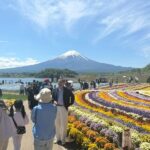
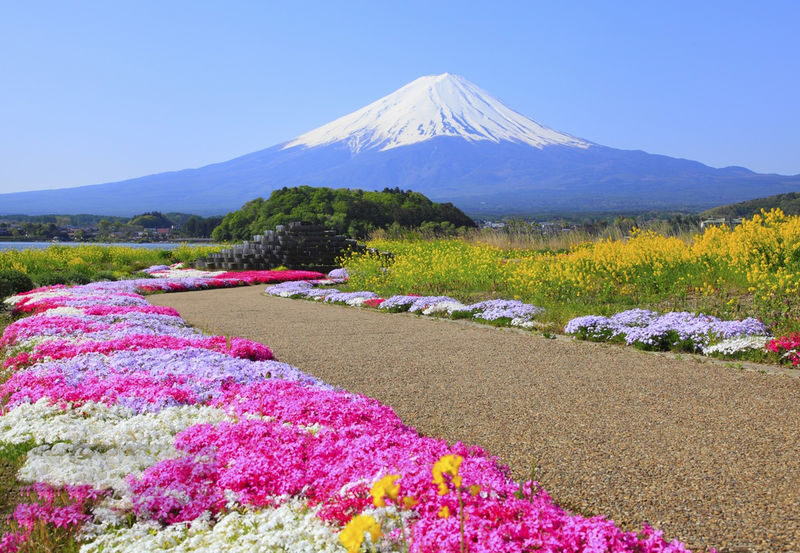
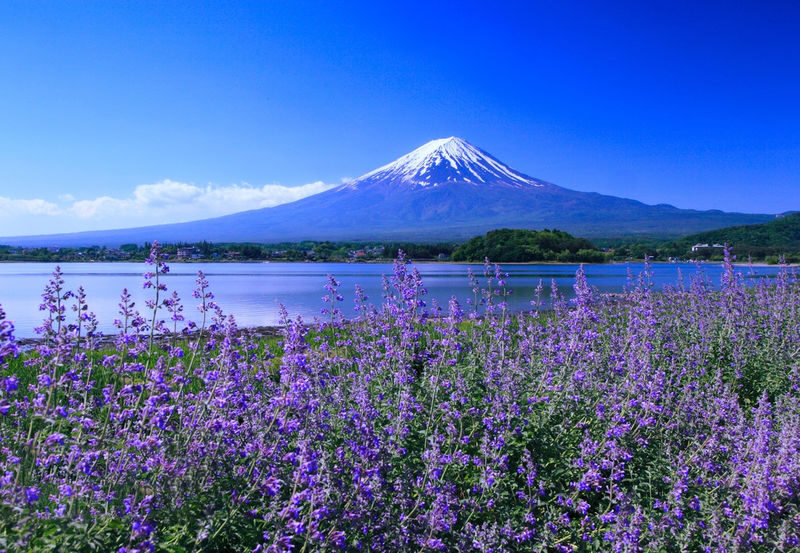
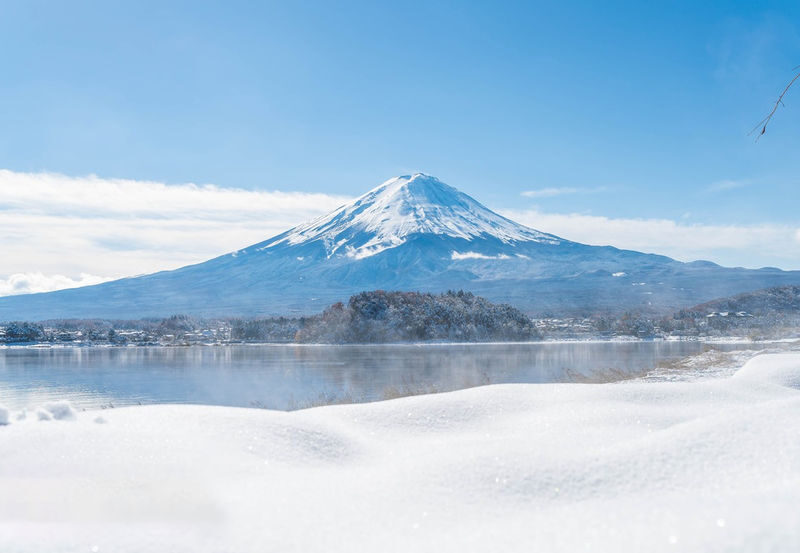
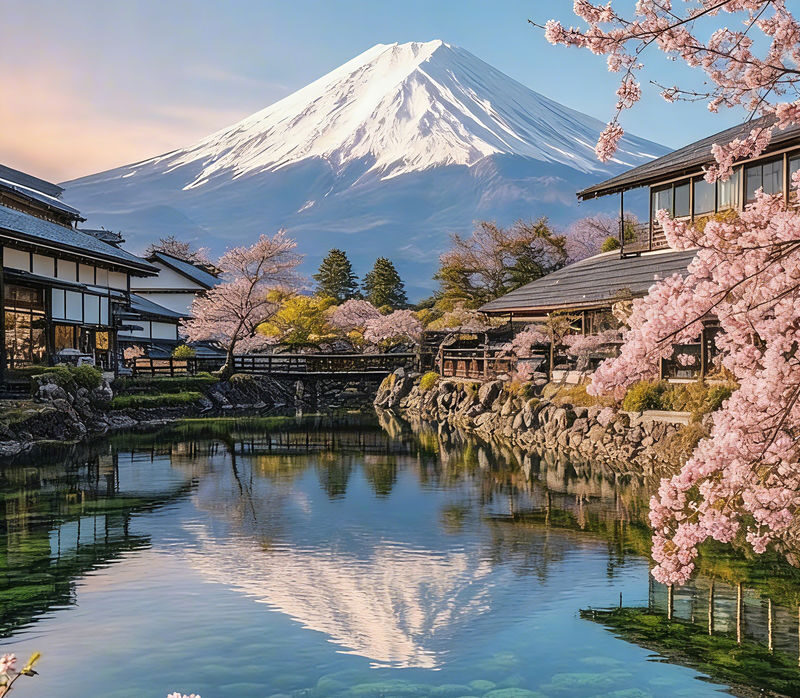
Next comes Oishi Park on Lake Kawaguchi, with about 40 minutes to walk and take in the lakeside setting. Its appeal changes with the seasons: lavender in summer, cherry blossoms in spring, autumn color and winter snow are among the scenery associated with the park. Fuji and the lake are the constant draw.
There are seasonal substitutions. From March 28 to April 12, the tour replaces Oishi Park with the Kawaguchiko Cherry Blossom Festival. From October 20 to November 23, it visits the Maple Corridor instead. Bloom and foliage dates are estimates, not guarantees, since the timing shifts with the weather.

Hikawa Clock Shop: a retro street with a Fuji view
The 20-minute stop at Hikawa Clock Shop is about the street as much as the shop. The road is known for its Showa-era atmosphere and the view of Mount Fuji at the end of the street. It has the feel of an everyday town scene turned into a photo spot.
This stop is short, so plan on a quick walk and a few pictures rather than a slow wander through shops. The route information also describes Fujiyoshida Honcho Street as a Showa-era street where Fuji appears overhead, but it is not listed as a separate timed stop. If Honcho Street is a must for you, confirm the exact route before booking rather than assuming you will have time for both.
The shrine stable: a brief heritage pause
At about 3:00 pm, the schedule allows 10 minutes at the sacred horse stable associated with a shrine. The stable is described as a place for horses used in religious festivals and rituals. Monkey carvings are traditionally associated with protecting the horses.
This is the day’s shortest stop, so think of it as a quick cultural note rather than a full shrine visit. The promotional information also describes an ancient Fuji Sengen Shrine, while the timed itinerary names Fujisan Hongu Sengen Taisha Shrine and specifies the stable. The schedule does not clearly promise a separate, extended shrine visit.
Arakurayama Sengen Park: the big pagoda view, after a climb
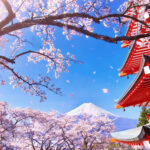
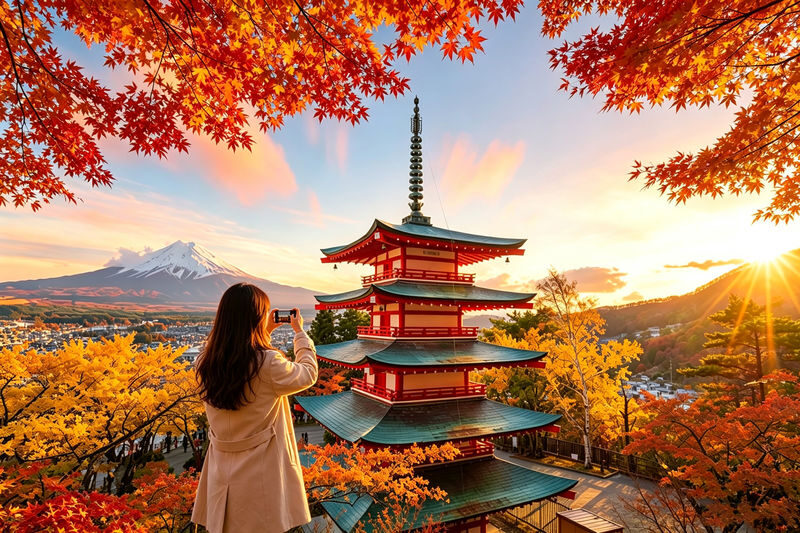
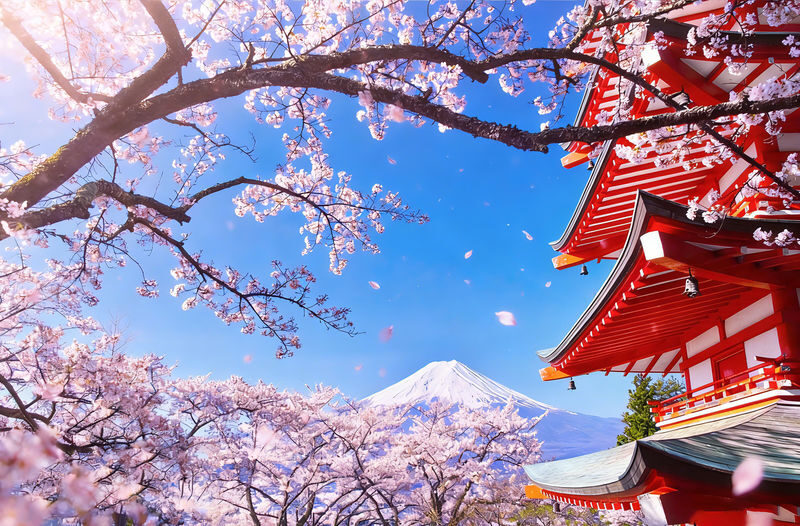
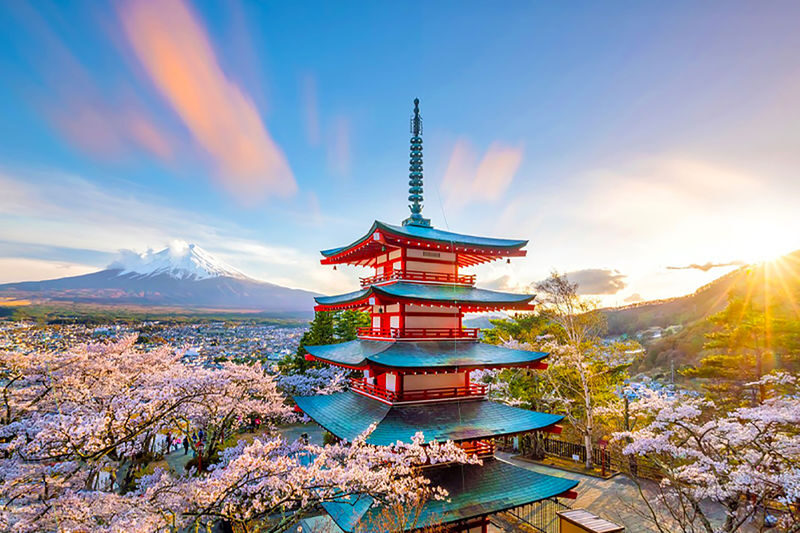
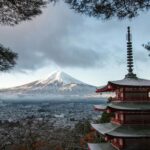
The final major stop is Arakurayama Sengen Park, with about an hour on site. From the observation area, Mount Fuji and Chureito Pagoda form the classic composition that draws photographers. Cherry blossoms are associated with spring, and red leaves with autumn, but the view changes with the season and visibility.
The park involves a climb to the viewing area. The time allowance needs to cover getting up, taking photographs and returning to the vehicle, so move promptly and follow the guide’s meeting instructions. If Fuji is clouded over, the famous frame may not appear as hoped; the pagoda and surrounding scenery still make this a distinct stop, but no tour can control the sky.
This is the day’s strongest payoff for anyone who has the postcard view in mind. It is also a fitting last stop, after you have seen Fuji from water, village streets and a spring-fed valley.
What the price covers, and what it does not
The advertised starting price is $49.20, while the Chinese/English collection-point package is listed from $70.29. Those figures differ, so check the exact date, package and meeting option at booking rather than assuming the lower starting price applies to your choice.
The fare includes round-trip transfers, tolls, parking and fuel, plus an English- or Chinese-speaking guide when the group arrangement includes one. Meals, drinks, personal purchases and tips are extra. For a day with several distant stops, the main value is having the transportation organized; doing this route independently would require more planning and transfers.
The value is strongest if you want broad coverage and photos without renting a car or navigating local transport. It is weaker if your priority is a slow visit, a long meal or time to wait for the ideal light at each location. One traveler praised the guide, while another found the stops rushed. That contrast matches the schedule: a guide can help keep the day moving, but the short stop lengths remain.
Who should choose this Mount Fuji day trip
I would consider this tour if you have limited time in Tokyo and want to see several recognizable Fuji-area sights in one day. It suits people who enjoy taking photos, are comfortable with an early start and accept that the schedule may change. Families should note that children over two are charged the adult ticket price, and infants and children must be included in the passenger count.
It is less suitable if you want long walks, unhurried shrine time or a guaranteed view of Mount Fuji. The operator also lists high blood pressure, heart disease, acrophobia, asthma, epilepsy and pregnancy among conditions that prohibit participation. Older participants aged 65 or above must be in good health and accompanied throughout by someone aged 22 or older.
Weather, holiday traffic and crowd levels can force a change in the order or number of stops. You also need to stay close to the group: the guide waits no more than five minutes after a scheduled stop before moving on. If you prefer to explore at your own pace, a private or independently planned trip may suit you better.
Should you book it?
Book this if your goal is a high-coverage day of Fuji views, famous photo frames and a taste of local scenery, and you can live with a brisk pace. The route has a useful mix: quiet lake views, spring water and snacks, retro streets, a shrine stable and the Chureito Pagoda viewpoint.
Skip it if you need a relaxed schedule or have a fixed evening commitment in Tokyo. Keep the return time flexible, bring a snack, and remember that Mount Fuji is a view, not a guarantee. The tour makes the most sense when you value convenience and variety more than time at any one stop.
One-day tour of 7 popular Instagram spots on Mount Fuji: Lake Yamanaka, Hikawa Clock Shop, Arakurayama Sengen Park, Lawson convenience store, Oshino Hakkai, Lake Kawaguchi, and Jinba Stables.
FAQ
Where does the tour leave from?
The stated Tokyo meeting points are Marunouchi North Exit at Tokyo Station, meeting at 7:20 am for a 7:30 departure, and Shinjuku MODE Gakuen, meeting at 7:50 am for an 8:00 departure. Arrive 10 minutes early and check the email sent the evening before for your confirmed details.
What is included in the tour price?
Round-trip transfers, tolls, parking and fuel are included. An English- or Chinese-speaking guide is included, though smaller groups may travel with a driver and no separate guide.
Is lunch included?
No. You can bring food, buy a convenience-store meal or choose a restaurant recommended by the guide. The planned lunch break is about 30 minutes and may change with the day’s timing.
Will the tour visit all seven stops?
Not necessarily. Weather, traffic, capacity, holidays and crowds can change the order or reduce the number of stops. The schedule may also be shortened if required.
Is Mount Fuji guaranteed to be visible?
No. The itinerary depends on weather and visibility. Cloud cover can affect the views and photographs at the lakes, streets and park viewpoints.
How late will the tour return to Tokyo?
The estimated return is 6:20 pm at Tokyo Station, but traffic and weather can cause delays. Weekend and holiday delays may be substantial, so avoid scheduling an activity afterward.
Can infants and children join?
There is no general age limit, but infants and children must be included in the passenger count. Children over two pay the adult price. Infants aged one to two who do not occupy a seat are free, but participation is not recommended; contact the operator in advance if bringing one.
Can I cancel or change my booking?
A full refund is available if you cancel at least 24 hours before the activity date, subject to the stated terms. Changes are allowed until 24 hours before the activity starts in some cases, but exclusions apply to certain passes, vouchers and promotional bookings. Late arrivals and no-shows are not refundable.