A Kyoto tea ceremony is not simply a lesson in making green tea. It is a lesson in attention: the measured movements, the careful handling of each utensil, and the small pause before you drink. At Anko-an, instructor Yuka-san demonstrates the ceremony, explains its meaning, and gives you a chance to prepare matcha yourself.
I like two things here: you get to watch and take part, rather than sit through a demonstration alone, and the setting near Daitoku-ji puts the experience in a neighborhood with real ties to tea culture. Matcha and Japanese sweets are included, so you get the classic pairing, too.
The main drawback is the location. It is outside Kyoto’s busiest sightseeing areas, and the nearby streets can feel quiet, so plan your route rather than counting on a lively place to wander before or after. The address and meeting-point wording can also be confusing, so check the Anko-an details before setting out.
- What makes this tea ceremony worth your time
- A calm introduction to Kyoto tea culture
- The welcome: tea, orientation, and a little context
- The ceremony: watch the careful movements
- Your turn: whisking and serving matcha
- Matcha and Japanese sweets
- Why the Daitoku-ji neighborhood matters
- Is the .75 starting price good value?
- Practical details before you book
- Who should book this experience?
- Should you book?
- FAQ
- How long is the tea ceremony experience?
- Where does the experience take place?
- How do I get to Anko-an by public transport?
- Is matcha included in the price?
- Do I get to make matcha myself?
- Can children take part?
- Do I need to show a voucher?
- Is there parking at Anko-an?
- The Best Of Kyoto!
- More Tours in Kyoto
- More Tour Reviews in Kyoto
- Not for you? Here's more nearby things to do in Kyoto we have reviewed
What makes this tea ceremony worth your time
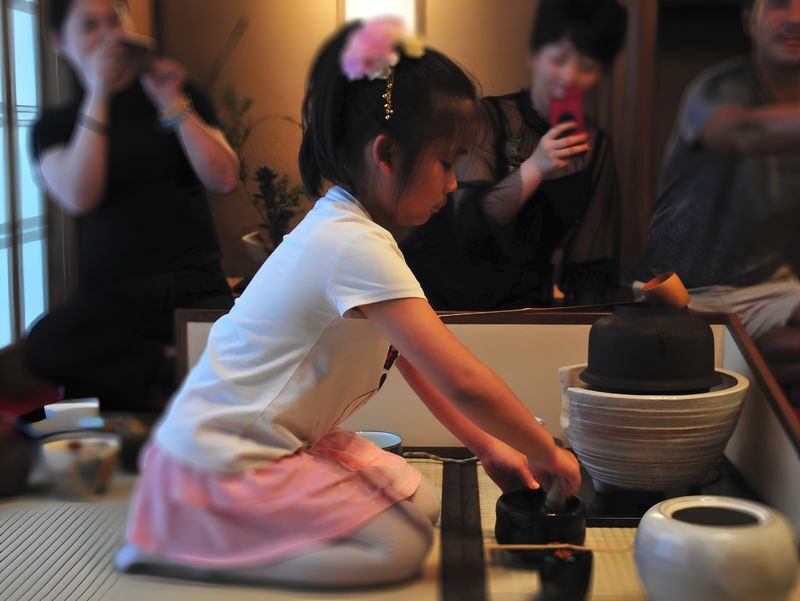
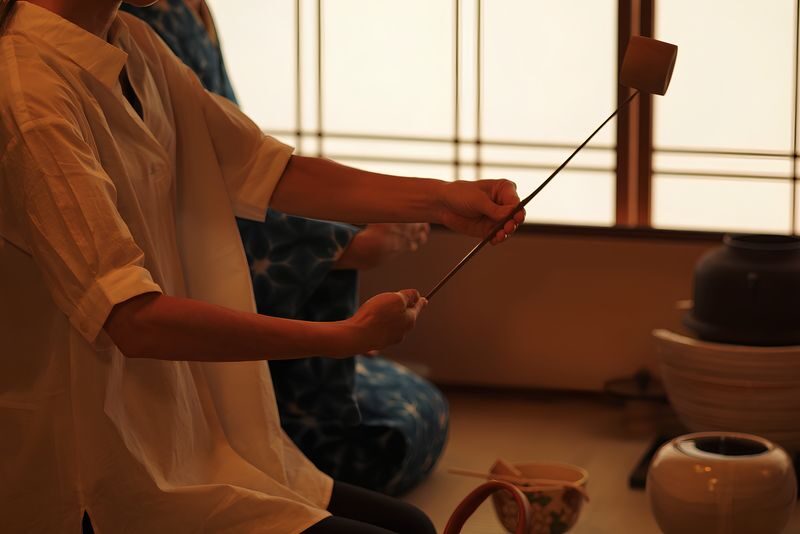
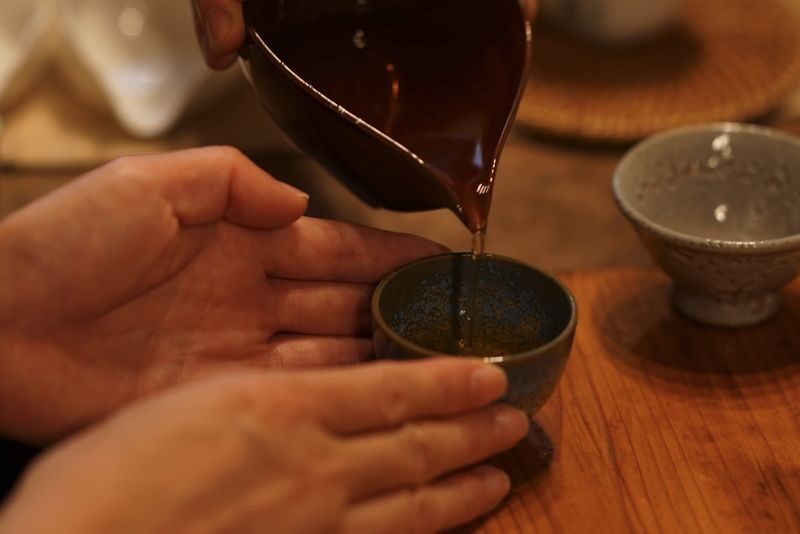
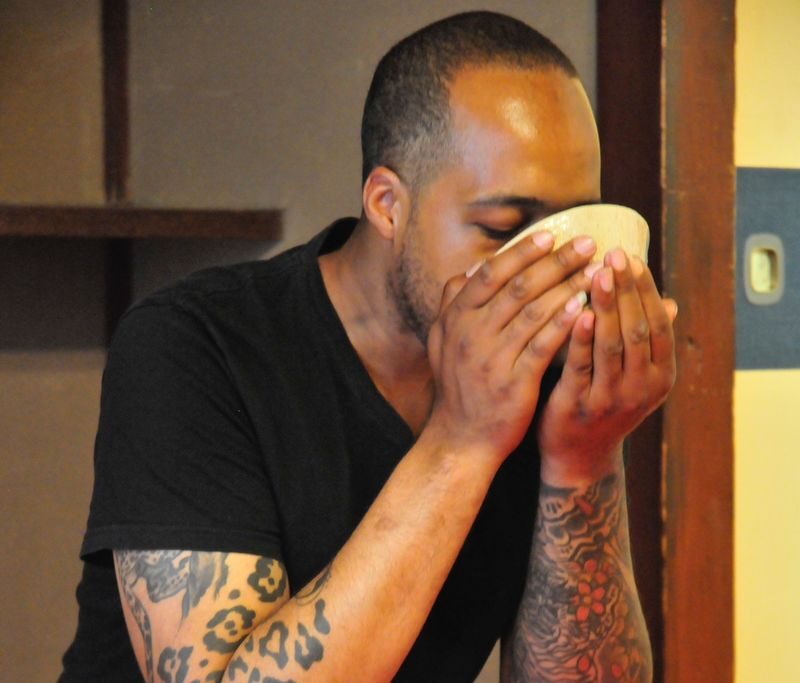
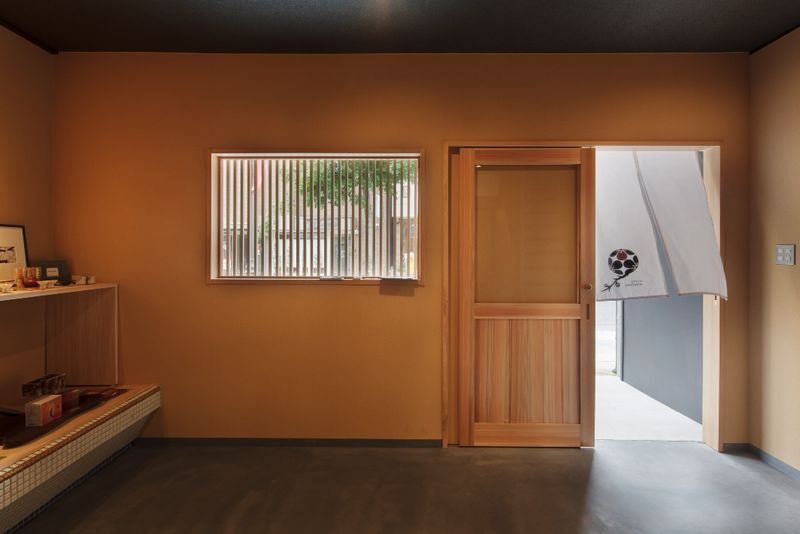
- Watch Hirademae, then try making matcha: You see the preparation before taking your own turn with the whisk.
- Learn from Yuka-san: The instructor explains both the practical steps and the ideas behind the ceremony.
- Matcha and sweets are included: The tea is served with Japanese sweets, as it commonly is in a ceremony setting.
- The group can feel personal: The venue is small, and you may share the session with people from several countries.
- Daitoku-ji is close by: The temple is about a three-minute walk from the experience.
- Allow for the out-of-center location: Anko-an is about an eight-minute walk from Kitaoji Station, with no on-site parking.
👉 See our pick of the 25 Best Workshops And Classes In Kyoto
A calm introduction to Kyoto tea culture
This is a good choice if you want an activity that slows the pace of a Kyoto visit. The ceremony asks you to notice what is usually easy to overlook: how the bowl is handled, how the tea is whisked, and how a host prepares and serves a drink for someone else. You do not need prior knowledge of tea to follow along.
The experience takes place at Anko-an, on Shin-Omiya Shopping Street, a quiet stretch near Daitoku-ji. The temple’s association with Zen and tea culture gives the session a fitting setting, though the experience itself is held at Anko-an, not inside the temple. That distinction matters when you plan your route.
The session is listed as 60 minutes. It is structured around a welcome and explanation, a demonstration, your turn to prepare matcha, and time for tea and sweets. The pace is meant to leave room for questions, but if you have plans immediately afterward, give yourself a little extra time rather than scheduling a tight connection.
You can also read our reviews of more tours and experiences in Kyoto.
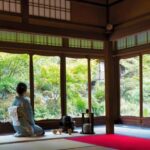
The welcome: tea, orientation, and a little context
The session begins with check-in, followed by an explanation of the day’s plan. The schedule includes Chinese tea at the start, and some accounts of the experience describe a welcome cup of genmaicha. The exact welcome drink may vary, but this opening gives you a moment to settle in before the formal matcha demonstration.
This first part is more than housekeeping. It helps explain what you are about to see and gives you a chance to ask questions before the ceremony begins. The instructor studies Japanese and Chinese tea culture, so the introduction can place matcha in a wider context rather than treating it as a trendy drink with a bamboo whisk.
Expect a friendly, instructional mood, not a silent performance where you are afraid to move. Yuka-san is often praised for making the session welcoming and for answering questions clearly. English has been described as strong, though language ability can vary from one session or instructor to another.
The ceremony: watch the careful movements
The demonstration is based on Hirademae, a style of tea preparation. You watch the instructor handle the tools and prepare the matcha in a measured sequence. The point is not speed. The attention to each action is part of the lesson.
A short demonstration cannot teach every form or rule in the tea ceremony, and it should not be mistaken for a full course. What it can do is give you a clear first look at the discipline and thought behind the movements. When you later see tea utensils or a tea room elsewhere in Japan, you will have more to notice than the color of the matcha.
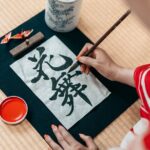
The instructor also shares cultural and symbolic details. Some sessions include insights from calligraphy, a subject Yuka-san is trained in. These additions can make the hour feel more substantial, especially if you are curious about how visual symbols and ritual connect with Japanese culture.
Your turn: whisking and serving matcha
After the demonstration, you get to make matcha yourself. You will learn the practical steps and have a chance to whisk the tea, then serve it to another person in the group. Taking the host’s role changes the experience: you are not only learning how to drink matcha, but also how much care goes into preparing it for someone else.
Participation is one of the strongest reasons to book this session. Watching a skilled instructor is useful, but trying the movements yourself makes the process easier to remember. Do not expect to master the ceremony in one go. The host’s motions may look effortless; your first attempt may be less so, which is part of the fun.
There is one useful caveat for larger groups. In a session with several pairs, not everyone may get a turn to perform every part of the preparation. Everyone may still get to whisk matcha, but the opportunity to complete the full sequence can depend on the group and the time available. If hands-on practice is your main reason for booking, keep that possibility in mind.
Matcha and Japanese sweets
The tea is served with Japanese sweets, which balance the matcha’s sharper, slightly bitter notes. The pairing is a small but important part of the experience. Instead of treating the drink as a quick sample, you get to enjoy it in the context of how it is traditionally served.
The matcha and sweets are included in the stated price, along with the guide, facility use, and taxes. You will not need to arrange a separate tasting or pay an extra drink fee for the core experience. Personal purchases or other expenses are not included.



Why the Daitoku-ji neighborhood matters
Anko-an is about a three-minute walk from Daitoku-ji Temple, a major reason this activity fits naturally into a day focused on Kyoto’s northern sights. You can visit the temple before or after the tea session, giving the day a useful connection between the tea tradition and the place around it.
Do not expect the immediate area to feel like central Kyoto. Shin-Omiya Shopping Street is described as relaxed, and the neighborhood may be quiet during the day. One practical approach is to plan the tea ceremony as part of a broader visit to Daitoku-ji, rather than travelling across town for the session and assuming there will be plenty to do right outside.
The address given for Anko-an is 63 Murasakino Monzen-cho, Kita-ku, Kyoto, postal code 603-8216. The venue is about an eight-minute walk from Kitaoji Station. The activity information also names Daitoku-ji Temple as the meeting point, so use the Anko-an address and your booking voucher to confirm the exact place to check in. There is no parking lot at the venue.
Is the $34.75 starting price good value?
At a starting price of $34.75, this is not the cheapest way to drink matcha in Kyoto. You are paying for more than a bowl of tea: the session includes a guided demonstration, instruction, your own attempt at making matcha, Japanese sweets, and a setting close to Daitoku-ji. For someone who wants cultural context and a hands-on activity, that is a reasonable package.
Value depends on what you want from the hour. If your aim is simply to taste matcha, you can find less costly ways to do that. If you want to understand some of the ritual and try the preparation yourself, the guided format makes the price easier to justify. The small venue and the host’s willingness to answer questions also matter here.
Children aged three and older are charged the adult rate, while children aged zero to two can join free. Consider whether a young child will enjoy a quiet, careful activity before booking. The experience has no stated health-based participation restrictions, but you can note health concerns in the booking remarks for the organizer to address.
Practical details before you book
Arrive five minutes before your scheduled start. Late arrivals and no-shows are not eligible for a refund, and the voucher is valid only for the date and time you booked. Keep the voucher accessible on a phone or another internet-connected device. If you cannot show it to the local staff, you may not be able to take part, and an area without Wi-Fi could make it hard to retrieve.
The booking confirmation is usually issued within minutes. If it does not arrive, contact customer support. If the organizer cancels the activity because of an unforeseen event or extreme weather, you can request a full refund or reschedule.
The session is led by Japanese-speaking staff, and English has worked well for many participants, but do not assume that every explanation will be available in every language. If you have a particular concern, put it in the remarks section when booking and wait for the organizer’s response.
Who should book this experience?
I would recommend this to first-time visitors who want a clear, approachable introduction to tea culture, as well as anyone who enjoys learning by doing. It also suits couples, families with older children, and solo visitors who are happy to share a small room with an international group. You do not need to know anything about matcha before you arrive.
It is less suited to someone who wants a long, formal tea ceremony or a full day of activities in one compact neighborhood. This is a short introduction, and the nearby area can be quiet. If you value a thoughtful explanation, a chance to try the whisk yourself, and a connection to Daitoku-ji, the trade-off in travel time is worthwhile.
Should you book?
Book this if you want more than a matcha tasting and like the idea of seeing, hearing about, and trying the preparation in one session. The instructor’s warm teaching style, the chance to ask questions, and the sweets make it feel personal rather than like a quick photo stop.
Skip it if you are on a tight schedule, only want a cup of tea, or need every person in a larger group to perform the complete ceremony. For most curious visitors, pairing the class with a visit to Daitoku-ji is the best way to make the trip north feel worthwhile.
Matcha Tea Ceremony Experience (Kyoto)
“Yuka was an amazing teacher! My wife and I really enjoyed this class. Yuka was very detailed and you can tell she takes this tradition very serious…”
FAQ
How long is the tea ceremony experience?
The scheduled tea ceremony experience is 60 minutes. Leave a little extra time in your day in case the session runs longer.
Where does the experience take place?
It takes place at Anko-an, at 63 Murasakino Monzen-cho, Kita-ku, Kyoto. The venue is about a three-minute walk from Daitoku-ji Temple.
How do I get to Anko-an by public transport?
Anko-an is approximately an eight-minute walk from Kitaoji Station on the subway.
Is matcha included in the price?
Yes. The experience includes matcha, Japanese sweets, the guide, facility use, and taxes.
Do I get to make matcha myself?
Yes. The session includes a demonstration and a hands-on tea preparation experience. In a larger group, not everyone may get to perform every part of the ceremony.
Can children take part?
Children aged zero to two can join free. Children aged three and older are charged the same rate as adults.
Do I need to show a voucher?
Yes. Present your voucher on a smartphone or another internet-connected device. If you cannot show it to local staff, you may not be able to participate.
Is there parking at Anko-an?
No. The venue does not have a parking lot, so you will need to use a nearby parking facility.