A day outside Fukuoka can mean eating strawberries straight from the plant, gliding through Yanagawa’s canals, or walking Dazaifu’s shrine approach in a kimono. This tour bundles those pleasures into a nine-and-a-half-hour outing, with the route changing by season.
I like two things in particular: you can choose a route that suits the time of year, and a bus takes you between several widely spaced stops without train changes. Guides such as Thomas, Emy, Sun Nan and Zhang Qing have been praised for clear explanations, practical food tips and help with photos. Your guide will vary, of course.
The trade-off is that the starting price does not cover several appealing extras. Strawberry farm entry, Yanagawa’s boat ride, meals and, on the Dazaifu route, kimono costs are paid separately. Yanagawa can also get tight on time if you join a boat trip and wait for eel rice.
- The day’s best bits
- Two routes, one long day from Fukuoka
- Starting near Hakata Station
- Route B: sweet strawberries, then Yanagawa
- Route A: Dazaifu in kimono, then a frog temple
- Two hours at Tosu Premium Outlets
- What the price and pace mean for you
- Who should book this day out?
- FAQ
- When does the strawberry-picking route run?
- When can I choose the Dazaifu kimono route?
- Where does the tour depart from?
- What time does the tour return?
- Are the strawberry farm and boat ride included in the price?
- Is lunch provided?
- Is the kimono or yukata rental included?
- What does the tour price include?
- Can young children join the tour?
- Can I bring luggage?
- More Tours in Yame
- More Tour Reviews in Yame
- Not for you? Here's more nearby things to do in Yame we have reviewed
The day’s best bits

- Pick strawberries in winter and spring: The January to April route visits POO Strawberry Farm, where you can pick and eat strawberries for about an hour. The farm uses raised growing beds, making the fruit easier to reach.
- Choose a different cultural route from May to December: The year-round-style Dazaifu option pairs a shrine visit and optional kimono or yukata rental with Nyoirinji Temple’s frog-themed grounds.
- Yanagawa is more than a boat ride: You have time to stroll, try the famous eel rice, or take a traditional Donko boat through the canals. The boat ride is optional and costs extra.
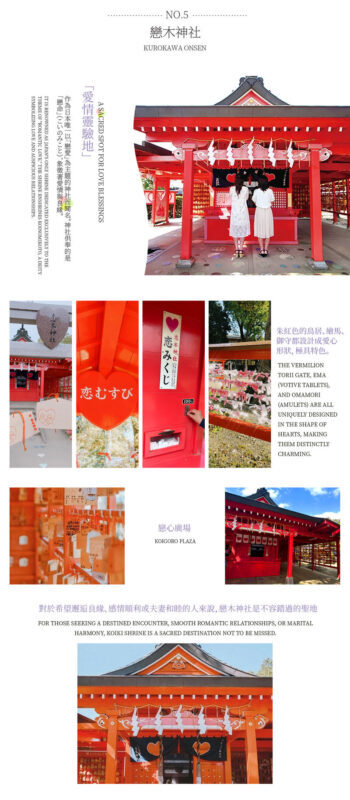
- Koinoki Shrine has a singular focus: This small shrine in Chikugo is dedicated to love and good relationships, with heart-shaped details around its grounds.
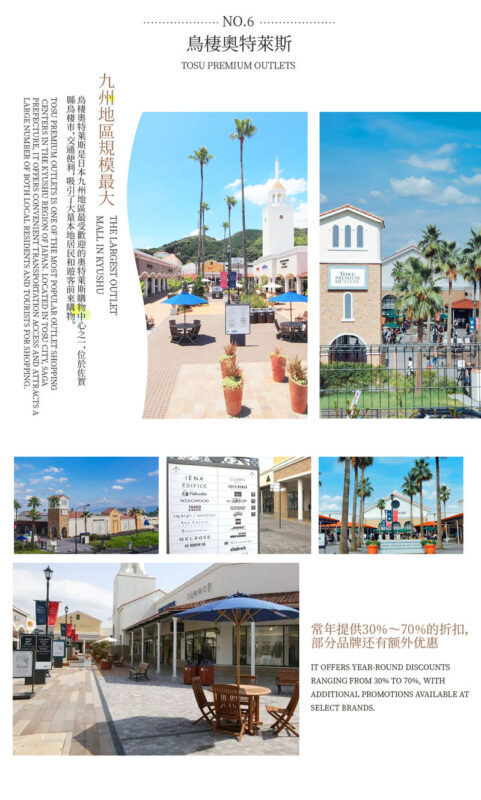
- Finish at Tosu Premium Outlets: About two hours are set aside for browsing roughly 170 domestic and international brands, though a sale sign is not a guarantee of a bargain.
Two routes, one long day from Fukuoka
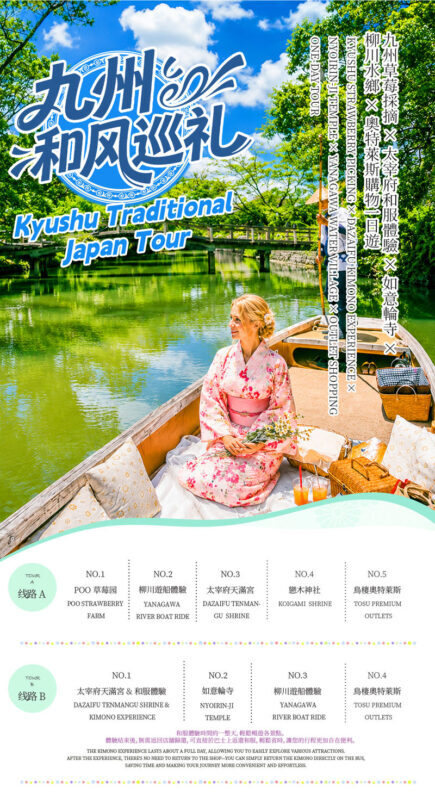
This is a shared coach or minibus tour departing from Fukuoka. The route depends on your booking: Route B runs from January through April and focuses on strawberries, Yanagawa and Koinoki Shrine. Route A runs from May through December and swaps in Dazaifu and a kimono or yukata experience, along with Nyoirinji Temple.
Both routes end at Tosu Premium Outlets. That mix gives the day broad appeal: a seasonal activity, a taste of local culture, and time for shopping. It also means you should not expect a deep visit to any one place. You are sampling several corners of Fukuoka and nearby Saga Prefecture, with the guide keeping the group on schedule.
Round-trip transport, tolls, parking and fuel are included in the advertised price, which starts at $44.20. That is a useful fare for a full day on the road, especially if you value the convenience of not planning transfers. But budget separately for the activities that matter to you. The price does not include meals or drinks, strawberry farm entry, Yanagawa’s cruise, or the optional kimono experience and related styling or accessories.
You can also read our reviews of more tours and experiences in Yame.

Starting near Hakata Station
The tour leaves at 9:00 a.m. The meeting point is Lawson Fukuoka Oriental Hotel, by Hakata Station’s Chikushi Exit. Arrive at least 15 minutes early. The bus does not wait for late arrivals, and missing the departure because you are delayed or lost does not qualify for a refund.
Vehicle size depends on the group. A larger bus may be used, or a smaller vehicle with the driver also acting as guide. In the smaller vehicle, explanations may be briefer, so think of the guide mainly as your organizer and interpreter rather than a lecturer at every stop. English and Japanese guiding are offered, but the exact guide and format can vary.
You receive vehicle and guide details by email between 4:00 and 10:00 p.m. Japan time on the day before departure. Check your inbox, including any later update if more than one message arrives. The return to the Hakata-area meeting point is expected around 6:30 to 7:30 p.m., depending on traffic and the day’s schedule. Keep your evening open rather than booking a tight connection or dinner reservation.
Route B: sweet strawberries, then Yanagawa
The January to April route begins at POO Strawberry Farm, one of the larger picking farms in Kyushu. You get about an hour there. The farm offers different varieties, and raised beds make picking easier for children and adults who prefer not to crouch.
The appeal is straightforward: you get to compare fruit picked fresh rather than bought in a shop, and the tasting is described as all-you-can-eat. Farm admission is not included in the tour fare, however, so check the current charge before you go. The amount is not fixed in the tour information, and costs reported for different visits vary. Wear clothes that can handle a little juice and keep an eye on the clock. One hour goes quickly when you are choosing between varieties.
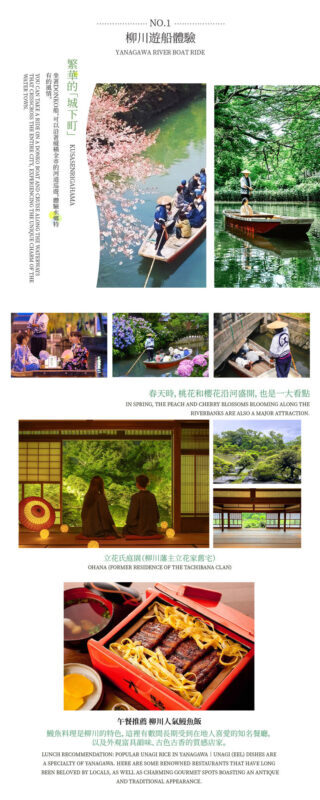
Next comes Yanagawa, the old water town known for its canals and local eel rice. The schedule allows about two hours for a mix of free time and optional activities. You can take the traditional boat ride, visit Tachibana Family Villa Ohana, wander the town, or find lunch. Not every attraction is guaranteed: capacity or weather can lead to changes.
The Donko boat is a memorable way to see Yanagawa from water level. The ride is about 30 minutes, and boatmen may sing or perform as they guide the boat. There is a practical catch: some low bridges require passengers to duck, and reports from high-water days describe people having to bend down very low. If you have limited mobility, are uncomfortable with tight spaces, or are traveling with someone who may struggle to duck, ask about conditions before boarding. The cruise is optional, so a walk around town is a perfectly reasonable alternative.
Lunch is on your own, and eel rice is the local specialty many people make time to try. Restaurants can be crowded, and a long wait can squeeze the time available for browsing. If eel is not your thing, you can seek another meal nearby. You may want to ask your guide about ordering ahead or suitable alternatives, but the tour does not include a meal or promise a reservation.
After Yanagawa, Route B visits Koinoki Shrine, also called Koiki Shrine in some English material. It is dedicated to love and good relationships, and its heart-shaped torii gates, prayer tablets and charms give it a light, romantic feel. The stop lasts about 30 minutes, enough for a look around and a prayer, not a long visit.
Route A: Dazaifu in kimono, then a frog temple
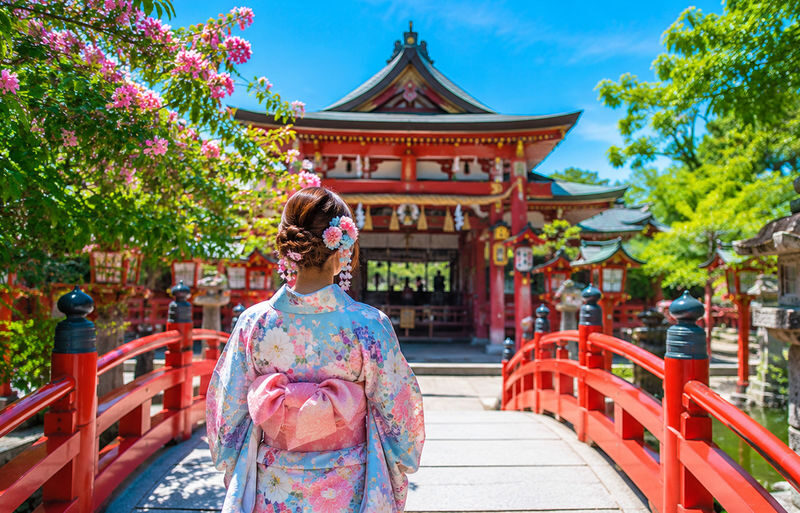
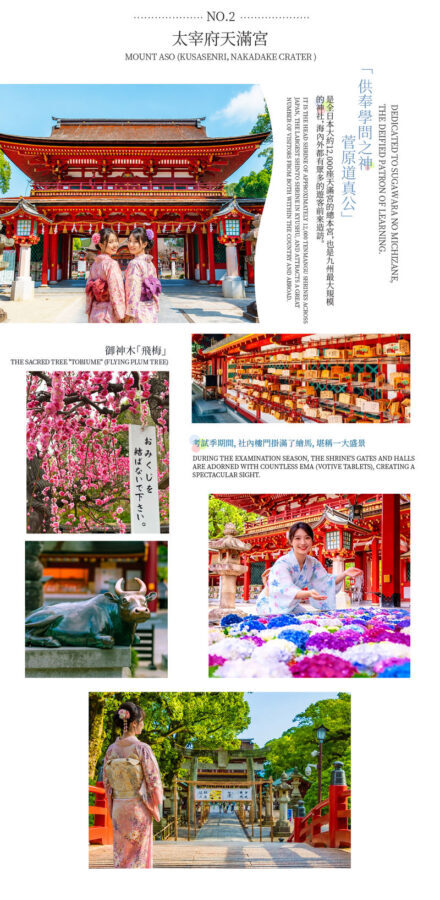
From May to December, the Dazaifu route trades the strawberry farm and love shrine for a shrine-and-culture day. At Dazaifu Tenmangu, you can choose a basic kimono or yukata experience, then walk the approach in traditional dress. Rental, hairstyling and accessories are optional and paid separately, so the actual cost depends on what you choose.
This is the route for anyone who wants photographs and a cultural setting, rather than a food-focused farm visit. The traditional clothes can make a stroll through the shrine approach feel special, but allow time for getting dressed and keep the group’s departure time in mind. The experience is not included in the base fare.
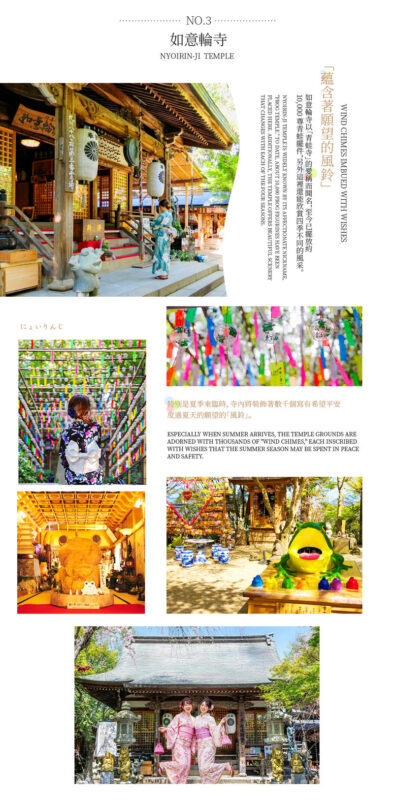
The next stop is Nyoirinji Temple, known for its frog culture and wind chimes. It offers a different mood from Dazaifu’s shrine precinct: smaller, more unusual, and a chance to see a local attraction that is not simply another shopping street. The schedule also includes Yanagawa, where you can take a boat ride, try eel rice or walk around town, followed by Tosu Premium Outlets.
The exact order and time at stops can shift with weather, traffic and crowd levels. The Dazaifu route does not include Koinoki Shrine, and the January to April strawberry route does not include the Dazaifu kimono stop. Choose by season and by the activity you most want, rather than assuming you will visit every place named in the tour’s general highlights.
Two hours at Tosu Premium Outlets
The final major stop is Tosu Premium Outlets, near the Saga and Fukuoka border. About two hours are allotted for shopping among roughly 170 brands in an open-air, American-style layout. That is enough time to browse at a relaxed pace or focus on a few shops, but not to inspect every store.
This stop makes the tour useful for mixed-interest groups: one person can enjoy the cultural stops while another looks forward to shopping. Still, outlets are only good value if you find something you want at a price you like. Discounts are advertised year-round, but that does not mean every item is a deal. Set a spending limit before you arrive, or the last stop can be the most expensive part of a low-cost tour.
What the price and pace mean for you
At $44.20 to start, the tour is best understood as transport and coordination, not an all-inclusive day. The bus, guide, tolls, parking and fuel are covered. Entrance to the strawberry farm, boat fare, food and the Dazaifu clothing experience are extra. Those additions can change the total substantially depending on what you choose.
The schedule is fairly full but has breathing room built in, especially at Yanagawa and Tosu. Several people have found the pacing comfortable, including families and older visitors. But the day is not fully flexible: the coach leaves each stop at a set time, and delays caused by traffic or weather can change the schedule without compensation. If you want to linger over lunch or explore every corner, independent travel may suit you better.
Guides are an important part of the experience because they help with timing, explain local context and can offer food suggestions. Names associated with the tour include Thomas, Emy, Sun Nan and Zhang Qing, among others, but you cannot request a particular guide based on the details provided. Good guides have helped guests find restaurants, arranged meals and taken photos, which can make a group day feel easier, particularly if you do not speak Japanese.
Who should book this day out?
Book it if you want to see several places around Fukuoka without arranging separate transport, and you are happy with a sampler rather than a slow, independent visit. Route B suits families and anyone keen on fresh strawberries, a canal boat and local food. Route A is the better match if dressing in a kimono or yukata and visiting Dazaifu are priorities.
Think twice if you dislike fixed schedules, want to spend a long time at one attraction, or need a guaranteed early return. The boat’s low bridges may be uncomfortable for some people, and a busy lunch service can make Yanagawa feel rushed. There are no child seats, and children aged zero to three may join free only if they do not need a separate seat. Each person may bring one piece of luggage at no charge; extra bags cost 2,000 yen each and must be declared in advance.
You can cancel for a full refund up to 24 hours before the activity, subject to the stated local-time deadline. The tour may be rescheduled or refunded if the minimum of four participants is not met. If weather or another serious disruption leads the operator to cancel, you can reschedule or request a refund.
My advice: choose the route for its headline activity, then treat the rest as a pleasant bonus. If you want strawberries, book between January and April and carry money for farm entry and lunch. If Dazaifu in traditional dress is the draw, choose the May to December option and budget for the rental. Either way, this is a practical, good-value day when you want the countryside without the work of stitching together the transport yourself.
Kyushu Dual Route One-Day Tour: (Seasonal) Strawberry Picking / Dazaifu Kimono Experience & Yanagawa River Cruise & Tosu Outlet (Departing from Fukuoka)
“Our tour guide Summer is great! she explained very well about the tour and the history behind shrine. My daughter had a stomachache and she offered…”
FAQ
When does the strawberry-picking route run?
Route B runs from January through April. It includes POO Strawberry Farm, Yanagawa, Koinoki Shrine and Tosu Premium Outlets.
When can I choose the Dazaifu kimono route?
Route A runs from May through December. It includes Dazaifu Tenmangu, an optional kimono or yukata experience, Nyoirinji Temple, Yanagawa and Tosu Premium Outlets.
Where does the tour depart from?
The departure meeting point is Lawson Fukuoka Oriental Hotel, by Hakata Station’s Chikushi Exit. Arrive at least 15 minutes before the 9:00 a.m. departure.
What time does the tour return?
The expected return is between 6:30 and 7:30 p.m. The actual time depends on traffic and the day’s schedule, so keep your evening free.
Are the strawberry farm and boat ride included in the price?
No. POO Strawberry Farm admission and the Yanagawa River Cruise are paid separately. Meals and drinks are also excluded.
Is lunch provided?
No. You choose and pay for your own meal in Yanagawa. Eel rice is a local specialty, but you can look for another meal if you prefer.
Is the kimono or yukata rental included?
No. On Route A, the clothing experience is optional and at your own expense. Hair styling and accessories can also involve extra costs.
What does the tour price include?
It includes round-trip transport from the meeting point, a guide, tolls, parking and fuel. It does not include attraction fees, meals or drinks.
Can young children join the tour?
The activity has no age limit. Children aged zero to three can join free if they do not occupy a separate seat. Child seats are not available.
Can I bring luggage?
One piece of luggage per person is free. Extra pieces cost 2,000 yen each, and you must note them when booking. If you do not declare extra luggage in advance, boarding may be refused.