Ramen begins with more than a bowl and a set of chopsticks. At Musoshin, you handle the dough yourself: kneading, rolling, and cutting noodles with a professional machine, then eating ramen at the restaurant. It is a compact, hands-on way to see how one key part of a familiar Japanese meal is made.
I like two things in particular: you get to do real work with the dough, not just watch a demonstration, and the meal afterward turns the lesson into lunch. The longer classes add a personal keepsake, from a painted bowl or spoon to chopsticks engraved for you.
One thing to weigh is the package name. The one-hour class focuses on making noodles, then serves you a prepared bowl of ramen; it is not a full from-scratch ramen cooking course. Choose a longer package if you want to work on broth or cook more of the meal yourself.
- Key points before you book
- Making noodles, not just watching them
- The meal is part of the value
- Pick a package that matches your appetite
- A keepsake with a job to do
- Getting to the right Kyoto venue
- Families, food needs, and other practical points
- Is this ramen class worth booking?
- FAQ
- How long does the ramen noodle-making class last?
- What is included in the one-hour noodle class?
- Do I make the whole bowl of ramen from scratch?
- Where does the activity take place?
- Can children take part?
- Are vegetarian or vegan options available?
- Are the noodles gluten-free?
- Can I cancel for a refund?
- The Best Of Kyoto!
- More Tours in Kyoto
- More Tour Reviews in Kyoto
- Not for you? Here's more nearby things to do in Kyoto we have reviewed
Key points before you book
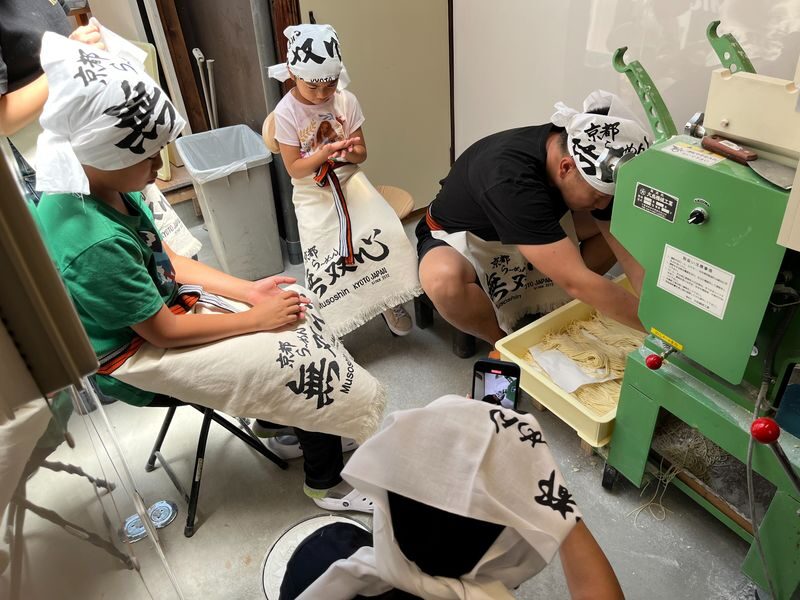
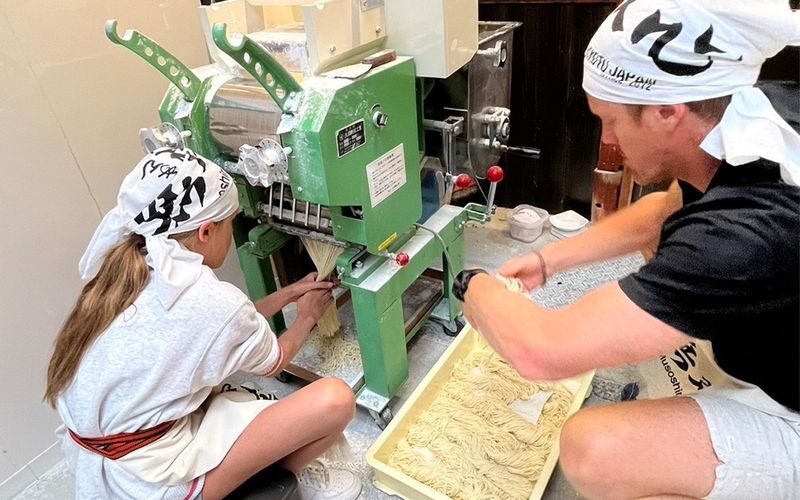
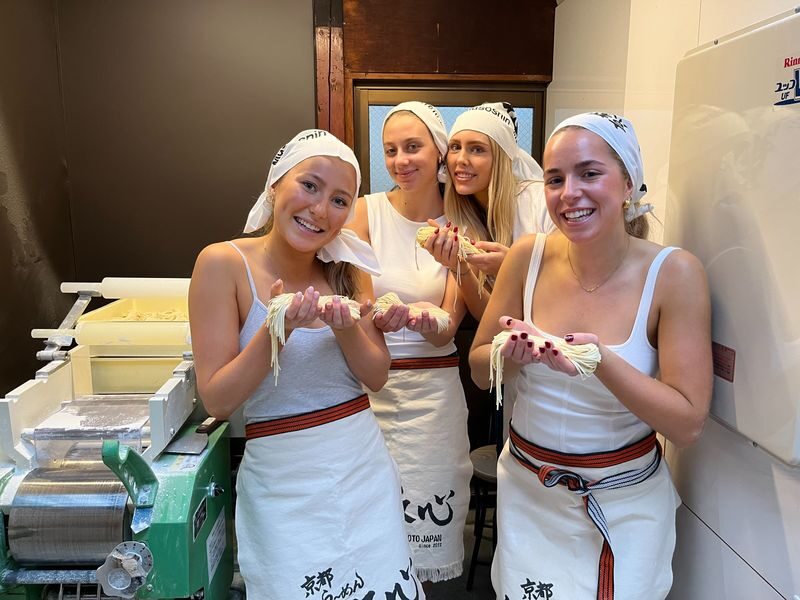
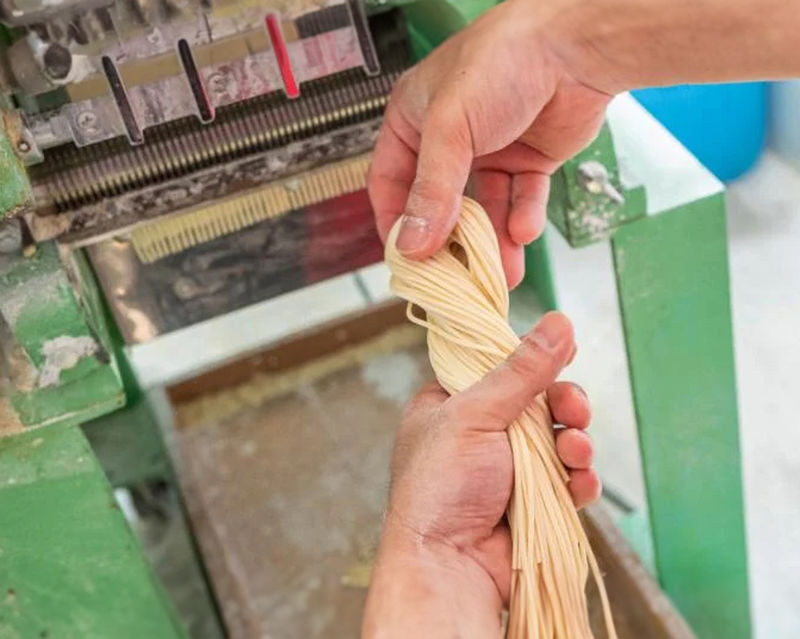
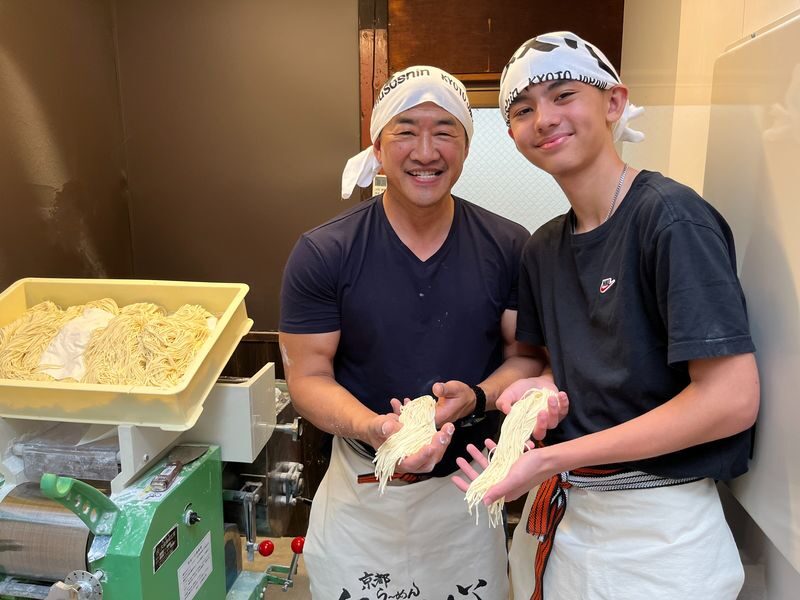
- The one-hour class is about noodles: Knead, roll, and cut wheat-flour dough with a professional machine, then eat a chef-prepared bowl.
- Longer classes add a hands-on extra: Select bowl painting, spoon painting, or a broth class with custom-engraved wooden chopsticks.
- The venues vary by package: The noodle class meets in Kyoto-Kawaramachi, while other options take place around Kiyomizu-Gojo or Gionmachi Minamigawa.
- English-speaking instruction helps beginners: Staff teach in English and Japanese. Momo, Azu, Sherry, and Shin are among the instructors named by participants.
- It works well for families: Children aged 3 to 7 need a paying adult with them. Children under 3 cannot take part, though parents may bring infants at no extra cost.
- Plan for wheat and tell the staff about food needs: The noodles contain wheat flour. Vegetarian, vegan, pescetarian, and no-meat-or-fish tasting options are available with advance notice.
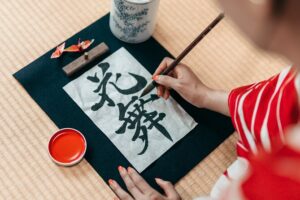
👉 See our pick of the 25 Best Workshops And Classes In Kyoto
Making noodles, not just watching them
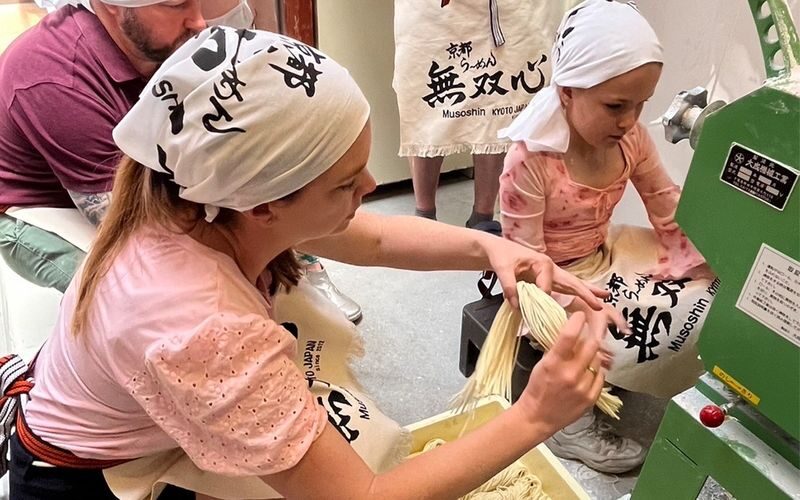
The basic class gives you a close look at the noodle-making process in about an hour. You work with a professional machine to knead, roll, and cut the dough, with an instructor guiding each step. The machine does some of the heavy work, but you still take part in the process rather than standing back to watch.
That distinction matters if you are choosing between a food demonstration and a workshop. Here, the hands-on element is the point. You can see how the dough changes as it is processed, and the instructor can explain the stages while you are doing them. Beginners should find the steps approachable, and families may appreciate a task that keeps children involved.
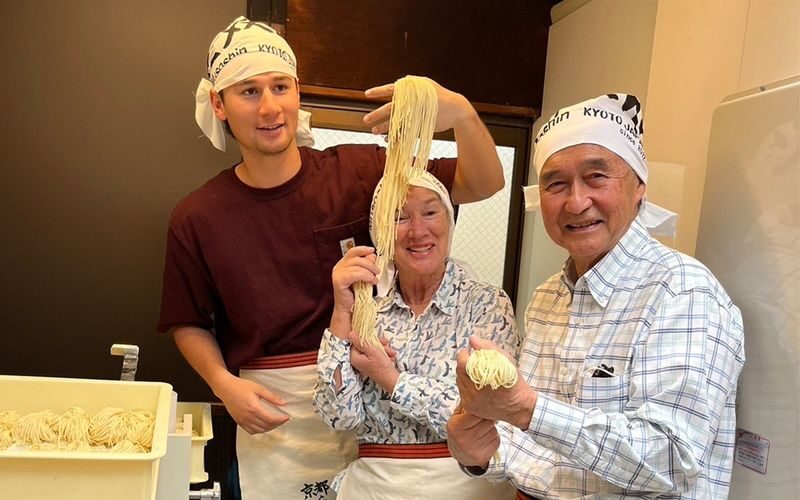
The class is led in English and Japanese. Instructors including Momo and Azu are often singled out for patient, clear teaching, and Sherry and Shin lead some of the longer sessions. Names and staff can vary, but expect a guided class rather than a self-directed cooking station.
You can also read our reviews of more tours and experiences in Kyoto.

The meal is part of the value
After the noodle work, the one-hour package includes a bowl of ramen and one soft drink. The restaurant prepares the meal, so you can taste the result without needing to make broth or assemble every topping yourself. That makes the class a mix of practical instruction and lunch, rather than a full cooking course.
This is worth keeping in mind if you expect to prepare an entire bowl from scratch. One participant found the noodle lesson interesting but wanted to cook more of the ramen. That is a fair distinction: the basic package teaches you how noodles are made, while the meal gives you a chance to enjoy them in a finished dish.
Some participants particularly recommend Black Gion Ramen, though the included bowl selection may depend on the venue’s arrangements. If you have a preferred style or dietary need, ask in advance and tell staff again on the day. Vegetarian, vegan, pescetarian, and no-meat-or-fish options are listed for the tasting session.
Pick a package that matches your appetite
There are four options, and they are not all held at the same venue. Check your voucher before setting out, since the broad Kyoto-Kawaramachi meeting point does not tell you where every class takes place.
The one-hour Ramen Noodle Making class is the simplest choice. It concentrates on dough and noodles, then ends with a prepared bowl and soft drink. At a starting price of $52.49, the value comes from the instruction, ingredients, tools, apron, tenugui hand towel, and meal bundled into a short activity. It can fit between sightseeing stops, though you should not expect a long culinary course.
The 1.5-hour bowl-painting and cooking class and 1.5-hour spoon-painting and cooking class pair ramen preparation with a creative activity. You make ramen, then paint a bowl or spoon to take home. The bowl-painting class has an extra souvenir angle: one family described having the painted item cured in an on-site kiln and collecting it the next day. Check the exact collection arrangements for your session before booking, since that detail may not apply to every visit.
The 1.5-hour broth class and engraved chopsticks session is the best fit if the flavors behind ramen interest you more than making noodles. It teaches you to build broth from scratch and includes custom-engraved wooden chopsticks. This is the most distinct option for someone who wants to learn about the bowl’s base and leave with a useful keepsake.
The longer classes cost more than the entry price, so compare what you will actually use. If you want an hour of activity and a meal, the noodle class is direct and efficient. If you want more time, a take-home object, or a deeper focus on broth, the expanded packages make the added cost easier to justify.
A keepsake with a job to do
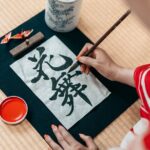
The painting sessions turn the class into more than a cooking activity. You design a bowl or spoon, which gives you a personal souvenir rather than a generic shop purchase. The painting is a separate part of the session, so the class balances food preparation with a quieter, creative task.
Allow yourself to enjoy that second half without rushing. One spoon-painting participant wished for more time to work on the design, and that is a useful note if you like to make careful, detailed art. The activity is meant to be accessible and fun, not a long studio course.
The broth package offers a different kind of keepsake. The chopsticks are engraved for you, and the class focuses on how broth is built. If your main interest is ramen flavor rather than noodle texture or decoration, this option is likely to feel more relevant.
Getting to the right Kyoto venue
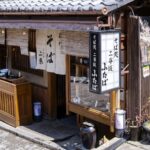
The listed address for one location is 558-2 Komatsucho, Higashiyama Ward, Kyoto, 605-0811. The access details say it is about a five-minute walk from Kyoto-Kawaramachi Station or two minutes from Gion-Shijo Station. However, the packages are held at different locations, including Kiyomizu-Gojo and Gionmachi Minamigawa, so do not assume this address applies to the class you selected.
Use the detailed address and map link in your voucher. One participant found the noodle-class location a little hard to spot, while another had no trouble using the map link. Give yourself a few extra minutes rather than arriving at the last moment, especially if you are unfamiliar with the area.
Transport is not included. You will need to make your own way to the venue, and the voucher is valid only for the date and time specified. The activity is listed as stroller- and wheelchair-accessible.



Families, food needs, and other practical points
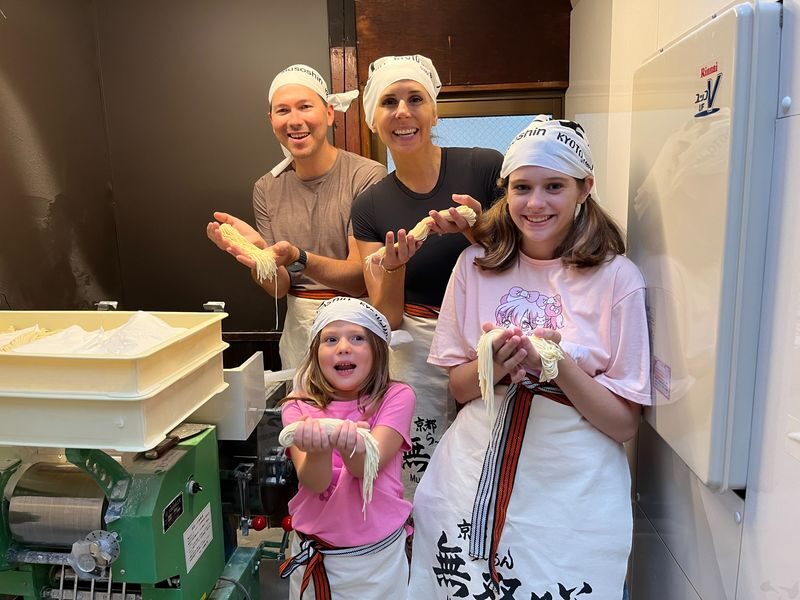
This is a strong family activity if your children like food and hands-on tasks. The dough work gives them something to do, and the meal offers a clear payoff at the end. Parents have used the class with children as young as four, and instructors such as Momo and Azu are noted for being patient with young participants.
Children under 3 may not join the workshop, but parents can bring infants at no extra cost. Infants can wait in the workshop’s Japanese-style room. Children aged 3 to 7 must be accompanied by a paying adult, and children aged 8 or older pay the adult rate. Include infants and children in the passenger headcount when booking.
The noodles are made from wheat flour, so this is not a gluten-free noodle activity. The tasting session can accommodate vegetarian, vegan, pescetarian, and no-meat-or-fish diets. Share restrictions in advance and remind the staff on the day, since the class needs to coordinate food arrangements.
Aprons, ingredients, tools, and a tenugui hand towel or bandana are included. Transport and other personal expenses are not. Changes to the number of participants or session time after confirmation depend on availability and require enough notice.
Is this ramen class worth booking?
I would book the one-hour class if you want a lively, practical food activity that fits into a Kyoto day without taking over the schedule. The strongest reasons to go are the direct contact with the noodle-making process, the English-language guidance, and the meal at the end. For families, it adds a shared activity that is more engaging than simply sitting down to eat ramen.
Choose one of the longer packages if you want to paint a souvenir, learn broth-making, or bring home engraved chopsticks. The basic noodle class is not the right choice if your goal is to cook a complete bowl from scratch. In that case, check the broth option or an expanded cooking class.
Before paying, confirm the exact package, venue, and dietary arrangements. With those details clear, this is a good-value way to spend an hour or more learning one part of ramen craft and enjoying the result.
Kyoto Ramen Noodle Making
“Interactive session, our host was extremely knowledgeable and conducted the session well. Highly recommended!”
FAQ
How long does the ramen noodle-making class last?
The Ramen Noodle Making package lasts one hour. The bowl-painting, spoon-painting, and broth-making packages last 1.5 hours.
What is included in the one-hour noodle class?
Ingredients and tools for making noodles, an English- or Japanese-speaking guide, a rental apron, a tenugui hand towel or bandana, a bowl of ramen, and one soft drink are included.
Do I make the whole bowl of ramen from scratch?
In the one-hour noodle package, you make noodles and then enjoy a chef-prepared bowl. The broth class teaches you to make broth from scratch.
Where does the activity take place?
The noodle class is listed for Kyoto-Kawaramachi. The bowl- and spoon-painting classes are at Kiyomizu-Gojo, and the broth class is at Gionmachi Minamigawa. Check your voucher for the correct address and map link.
Can children take part?
Children under 3 cannot participate, though parents may bring infants at no extra cost; infants can wait in the workshop’s Japanese-style room. Children aged 3 to 7 need a paying adult with them, and children aged 8 or older pay the adult rate.
Are vegetarian or vegan options available?
Yes. Vegetarian, vegan, pescetarian, and no-meat-or-fish options are available for the tasting session. Tell the staff about dietary restrictions in advance and again on the day.
Are the noodles gluten-free?
No. The noodles are made from wheat flour.
Can I cancel for a refund?
A full refund is available if you cancel at least 24 hours before the activity date, based on local time at the destination.