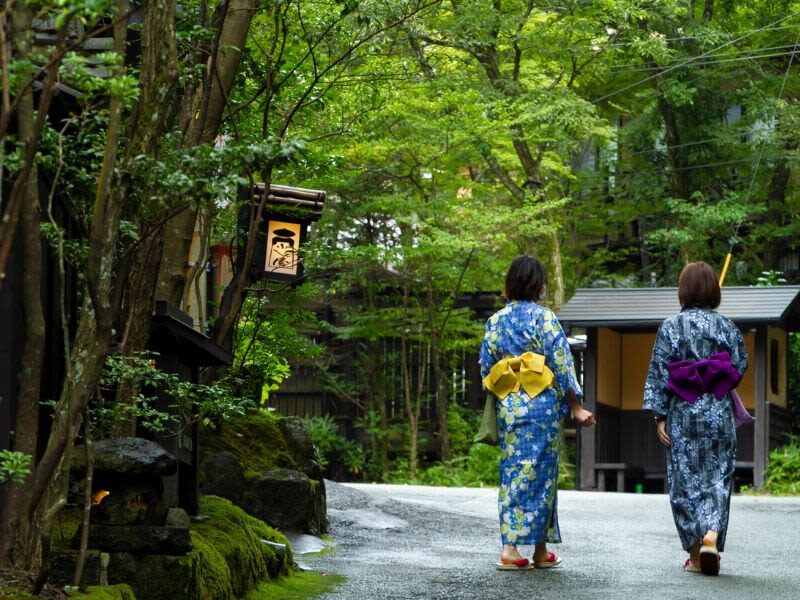
Kurokawa Onsen’s appeal is its quiet village scale: a handful of lanes, traditional inns and hot spring baths set among the hills of Kumamoto Prefecture. I like two things about this day trip: the tofu set meal at Tofu Kissho, served in a traditional house, and the freedom to choose your own baths and pace once you arrive.
The trade-off is the journey. The bus ride can take around three hours each way, and the onsen pass is an extra cost, so this suits you best if the ride feels like a fair price for a few hours in a memorable hot spring town.
- Key points before you book
- Why this Kumamoto day trip is worth considering
- The bus ride from Kumamoto takes patience
- Tofu Kissho gives lunch a sense of place
- Four hours in Kurokawa Onsen is a useful but finite window
- Find the correct return bus stop
- Weather, seasons and sensible footwear
- Who will get the most from this day trip
- Should you book it?
- FAQ
- Is there a tour guide?
- Is lunch included?
- Is the onsen-hopping pass included?
- How long does the bus ride take?
- How much time do I have in Kurokawa Onsen?
- Where can I board the bus?
- Is the return bus stop the same as the arrival stop?
- More Spa & Hot Springs in Aso County
- More Tours in Aso County
- More Tour Reviews in Aso County
- Not for you? Here's more nearby things to do in Aso County we have reviewed
Key points before you book
 1 / 5
 2 / 5
 3 / 5
 4 / 5
 5 / 5
- The ride is long: Plan for roughly 2.5 to 3.5 hours each way, with a short restroom stop at Aso Station.
- You are on your own in the village: There is no guide, but the itinerary gives the bus and lunch details.
- Lunch is part of the appeal: Tofu Kissho serves a tofu-based set meal in a traditional Japanese house.
- Bath hopping costs extra: The village’s onsen pass has been priced at 1,500 yen and lets you choose from participating baths.
- You get free time, not a guided route: Expect around four hours in Kurokawa Onsen, enough for lunch, a walk and one or two baths if you keep an eye on the clock.
Why this Kumamoto day trip is worth considering
Kurokawa Onsen is not a grand attraction that you rush through in half an hour. Its draw is the atmosphere of a small hot spring village, where you can stroll between inns, browse a few shops and pause for a bath in a setting framed by nature. This tour makes the village reachable without renting a car or piecing together the bus arrangements yourself.
The package combines reserved transport with lunch at Tofu Kissho. That matters because Kurokawa is a small place, and a prearranged meal gives your visit a dependable anchor. After lunch, you can decide how to use the remaining time rather than follow a guide’s fixed sequence.
I would think of this as a transport-and-lunch package with independent sightseeing, not a guided excursion. The driver checks names and destinations, but there is no tour guide walking you through the village. If you are comfortable reading an itinerary and finding your way around a compact town, that independence is a plus. If you want someone to lead you from bath to bath, this is not that kind of outing.
The listed starting price is from $66.49. Its value depends on what you would otherwise spend and how much you want to visit Kurokawa. The bus reservation saves you from arranging transport yourself, and lunch is included. But the onsen-hopping pass is not part of the package, so add that cost if bathing at several inns is central to your plans.
You can also read our reviews of more tours and experiences in Aso County
The bus ride from Kumamoto takes patience
The journey is the biggest practical question. Estimates vary from about two and a half hours to three and a half hours each way, depending on the trip and its stops. A short break at Aso Station, usually around ten minutes, offers a chance to use the restroom and stretch your legs. It is a break, not a sightseeing stop with time to explore.
The bus departs from designated pickup points in the Kumamoto area. These have included Kumamoto Station, Sakuramachi bus terminal and Kumamoto Airport. One reported departure from Sakuramachi used platform 6; another account described a Kumamoto Station pickup around 8:33 a.m. Schedules can vary, so use the exact pickup and departure details sent with your booking rather than relying on an old time or platform number.
Some trips make several passenger pickups, which can add time. The route also continues through the Aso area, so the ride is not always a direct dash to the hot spring village. You may enjoy the views along the way, but if you are hoping to arrive quickly, be realistic: this is a full-day outing with a substantial amount of bus time.
Bus seats have been described as small. If you are tall or need extra room, that is worth considering before you commit to several hours each way. Bring what you need for the ride, and keep your return time in mind from the moment you arrive.
Tofu Kissho gives lunch a sense of place
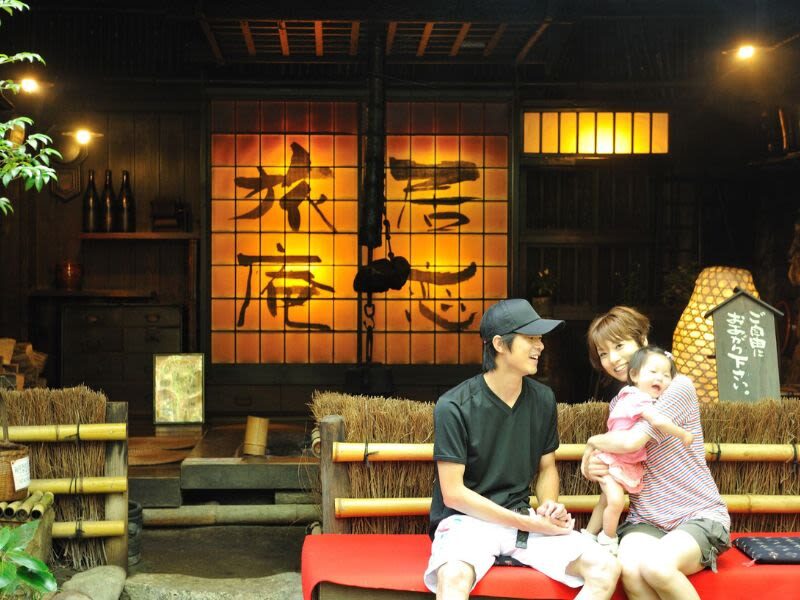
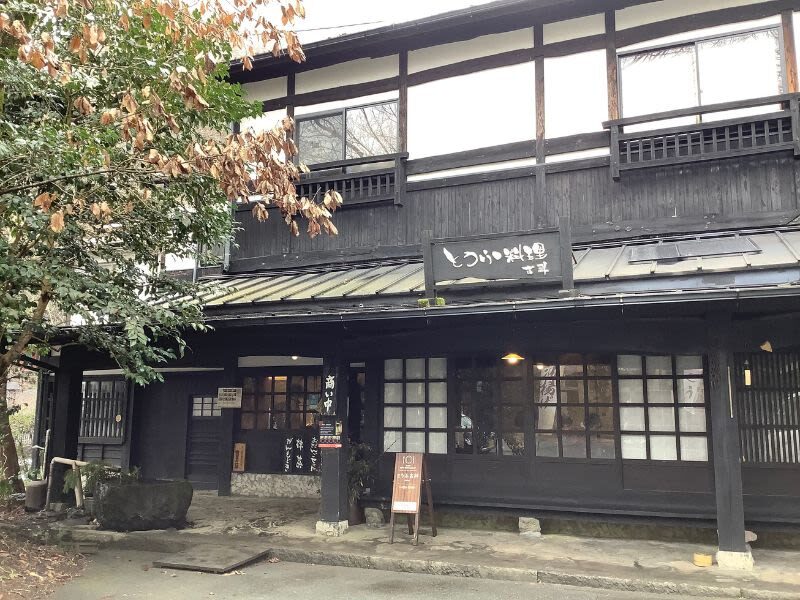
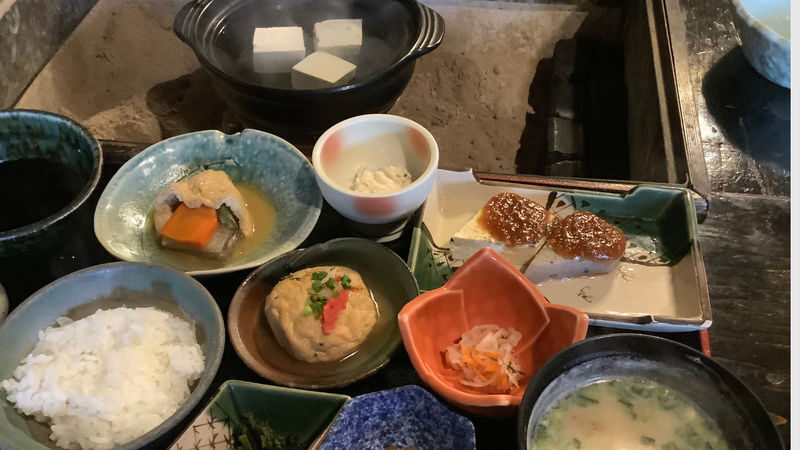
The meal is more than a convenient stop. Tofu Kissho is opposite the tourist service center, and the meal is a tofu-focused set served in a traditional-style house. The set is prepared for the tour, which makes lunch straightforward when you arrive and gives you a taste of a local restaurant setting without needing to search for a table.
Tofu is the theme, not just one item on the plate. The meal has been described as filling, and tofu ice cream is a particular treat to look out for. If you enjoy Japanese set meals and want a lunch that feels tied to the place, this is one of the package’s strongest features.
There is a practical benefit, too. With lunch arranged, you can spend less of your short village visit trying to decide where to eat. Check the itinerary for the precise meal arrangement, and let the restaurant know about any dietary needs before booking if you need to confirm whether it can accommodate them. The available details do not specify substitutions or dietary options.
Four hours in Kurokawa Onsen is a useful but finite window
The village time is generally around four hours, though the exact schedule can vary. That is enough for lunch, a walk around the lanes and a couple of baths, but it is not enough to linger everywhere. The best approach is to decide what matters most before you arrive: bathing, browsing, taking photographs or simply enjoying the pace.
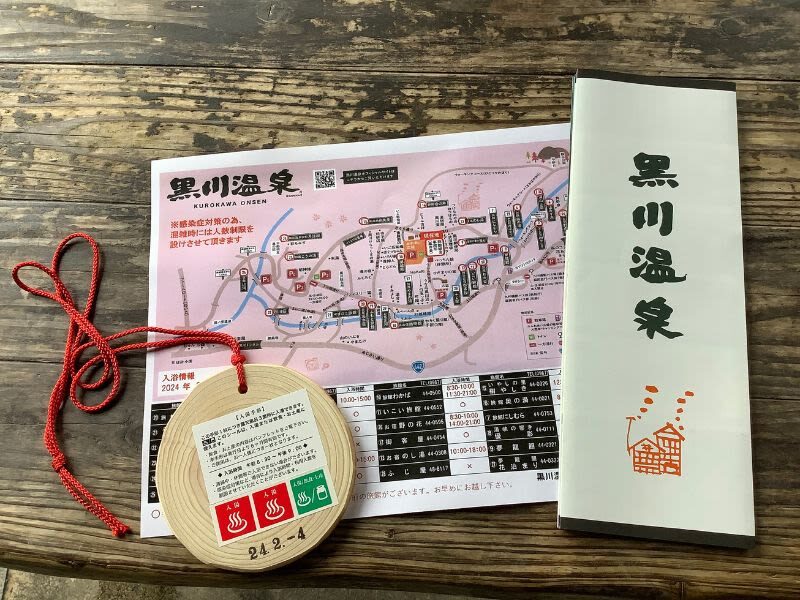
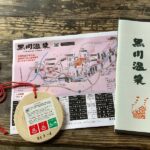
Kurokawa’s hot spring inns are the main event. A bath-hopping pass, often called a tegata, has been priced at 1,500 yen and allows you to choose from participating hot springs. The exact choices and terms can change, so check at the tourist service center when you arrive. The pass is an add-on, not an included feature of the tour.
You do not have to use the pass to enjoy the village. You can take a walk, visit shops and enjoy the traditional buildings and natural setting without bathing. But if hot springs are your reason for coming, the pass offers a convenient way to try more than one bath without committing to an overnight stay.
Some inns have indoor and outdoor baths. The outdoor settings are a big part of the appeal, with views of the surrounding scenery while you soak. Bath options differ by inn, so ask at the service center or check the current information before setting off. Choose your baths with the return bus in mind, and leave yourself time to reach the correct stop.
The village’s shops add a relaxed interlude between baths, but opening hours can vary. Do not count on every shop being open, particularly on a quieter weekday. A weekday can be appealing if you prefer a calmer atmosphere and more room to enjoy the baths, though it may also feel quiet in the lanes.
Find the correct return bus stop
The return stop is a detail to take seriously. The stop used for the outbound bus and the one used for the return can be on opposite sides of the road, near separate archways. They are visible from each other, but do not assume you will board at the place where you were dropped off.
Confirm the return location as soon as you arrive, and take a photo of the stop or note its position before heading into the village. The driver checks names and passenger numbers, which adds reassurance, but it is still your job to arrive on time and stand at the right stop. One account gives a return departure around 4:25 p.m. and arrival in Kumamoto around 7 p.m.; treat those as an example, not a guaranteed schedule.
There is also a cautionary report about a poor interaction with a bus driver and luggage being removed at the wrong stop. That is not a reason to assume the same will happen to you, but it is sensible to keep your belongings together and clearly confirm your destination when boarding and getting off. If you have luggage, ask the driver where it should go and check that it comes off with you.
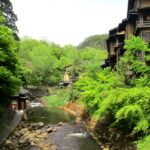
Weather, seasons and sensible footwear
Kurokawa’s appeal changes with the season. Autumn leaves can add color to the village, while winter brings the possibility of snow and slippery paths. Rain, snow or icy steps can make walking less comfortable, so wear shoes with reliable grip and take extra care on stairs and slopes.
Winter weather can also affect bus service. Snow has caused a trip to be stopped, with a refund issued after the operator was contacted. If conditions look poor, check service notices and your booking messages before heading to the pickup point. Do not assume the bus will run simply because you have a reservation.
A weekday visit may offer a quieter soak, though some shops may be closed or have limited hours. A busier day may bring more activity but can leave less space for a peaceful bath. Neither is automatically better; choose based on whether you value a calm visit or more open shops and village activity.
Who will get the most from this day trip
I would recommend this for independent visitors based in Kumamoto who do not have a car and want an easy way to reach Kurokawa. It is especially appealing if you enjoy hot springs, are happy to explore without a guide and like the idea of combining bathing with a Japanese tofu meal.
It is less suitable if you dislike long bus rides, want a tightly guided itinerary or hope to spend most of the day in the water. Four hours in the village sounds generous until you allow for lunch, walking between places and getting back to the bus. If you want to try several baths at an unhurried pace, an overnight stay may suit you better.
For the best day, check your pickup point and return stop in advance, keep the itinerary handy, and decide whether you will buy the onsen pass. Then leave a little breathing room in your plan. Kurokawa is most appealing when you are not racing from one stop to the next.
Should you book it?
Book this tour if you want a practical way to reach Kurokawa Onsen from Kumamoto, value having lunch arranged and are comfortable handling your own time in the village. The combination of a tofu meal, traditional surroundings and optional bath hopping makes the long ride worthwhile for the right person.
Skip it if the bus journey alone feels like too much, or if you want a guide to organize the day. If you do book, treat the four hours as a short visit rather than a full exploration, budget separately for the onsen pass, and confirm the current transport details before departure.
Kurokawa Onsen & Tofu Cuisine Kissho 1-Day Onsen & Gourmet Tour
“Although the journey was long, with a three-hour bus ride each way (including a restroom stop at Aso Station), the atmosphere at Kurokawa Onsen was…”
FAQ
Is there a tour guide?
No. This is an unguided day trip. The driver checks names and destinations, and the itinerary provides practical details for the journey and lunch.
Is lunch included?
Yes. The package includes a tofu set meal at Tofu Kissho, a restaurant opposite the tourist service center.
Is the onsen-hopping pass included?
No. The pass is an extra purchase. It has been priced at 1,500 yen and allows you to choose from participating hot springs.
How long does the bus ride take?
The ride is reported to take roughly 2.5 to 3.5 hours each way. There is a short stop at Aso Station, generally around ten minutes.
How much time do I have in Kurokawa Onsen?
The village visit is generally around four hours. The precise schedule may vary, so check the details for your departure.
Where can I board the bus?
Pickup points have included Kumamoto Station, Sakuramachi bus terminal and Kumamoto Airport. Your booking information should specify the stop and platform for your trip.
Is the return bus stop the same as the arrival stop?
Not necessarily. The outbound and return stops may be on opposite sides of the road near separate archways, so confirm the return location when you arrive.