Lake Toya’s calm water and Noboribetsu’s sulfur vents make an unusually good pair: one stop offers a broad, quiet view, the next puts you close to the heat and smell of volcanic ground. This tour strings several far-flung Hokkaido sights together in a single day from Sapporo.
I like two things in particular: you can see a lot without renting a car, and the mix of volcanoes, hot spring towns and seasonal stops gives the day real variety. Guides such as Zoey, Vivian and Hide Cai have been praised for clear explanations and good timekeeping, though your guide will depend on the departure.
The trade-off is the clock. Expect a long day with substantial time on the bus and short visits at several stops. The exact route also changes by season, so check which package you are booking: the winter itinerary is not the same as the spring, summer and autumn tour.
- The quick take
- One day, several sides of Hokkaido
- The winter route: Nakayama Pass and snow country
- Lake Toya from above, then at the water’s edge
- Showa-shinzan: a young volcano and an optional bear stop
- Noboribetsu Hell Valley, where the ground steams
- What changes on the warmer-month tour
- Is the price worth it?
- Practical details that can save you a headache
- Who should book this Sapporo day trip?
- FAQ
- How long is the tour?
- Where does the tour leave from?
- What is included in the price?
- Are meals included?
- Is snowmobiling included?
- What happens if there is not enough snow?
- Are the Bear Ranch and Mount Usu Ropeway tickets included?
- Does every package visit the Hill of the Buddha and Jozankei?
- Can children join the tour?
- What happens if the Hill of the Buddha is under maintenance?
- The Best Of Hokkaido!
- More Winter Activities in Hokkaido
- More Tours in Hokkaido
- More Tour Reviews in Hokkaido
- Not for you? Here's more nearby things to do in Hokkaido we have reviewed
The quick take

- Hell Valley puts volcanic activity within easy reach: Follow paths near steaming vents and sulfurous ground in Noboribetsu.
- Lake Toya is the day’s scenic pause: Look down over the lake from the Silo Observation Deck, then use free time in the onsen town for lunch and a lakeside walk.
- The route depends on the season: Warmer-month options include the Hill of the Buddha and Jozankei; the winter package lists Nakayama Pass and a snow activity stop.
- Some of the best add-ons cost extra: Snowmobiles, the Mount Usu Ropeway and Showa-shinzan Bear Ranch are optional and paid separately.
- The bus makes a wide-ranging day practical: Round-trip transport from Sapporo saves you from piecing together several distant places on your own.
- Allow for a brisk pace: Stop times are short, and weather or traffic can change the schedule.

👉 See our pick of the 4 Best Guided Tours In Hokkaido
One day, several sides of Hokkaido
This is a full-day bus trip from Sapporo, scheduled to depart at 7:20 a.m. and return around 5:30 p.m. It links destinations spread across southwestern Hokkaido, with a guide speaking English, Chinese or Japanese, depending on the departure.
The central appeal is contrast. Lake Toya offers a high viewpoint and a lakeside break, while Showa-shinzan and Noboribetsu show the force that shaped the region. Seasonal stops add a different mood, from lavender at the Hill of the Buddha to snow activities in winter.
That variety comes with a compromise: the tour gives you a sample, not an in-depth visit to each place. The bus is useful because the distances are substantial, but you will need to watch the time at every stop. If you want a slow lunch or a long walk at Hell Valley, this format may feel tight.
There are several package options, and their routes are not interchangeable. The spring, summer and autumn selection names the Hill of the Buddha, Jozankei, Noboribetsu and Lake Toya. The winter package instead lists Nakayama Pass, a snow park, Lake Toya, Showa-shinzan and Noboribetsu, with Jozankei Futami Park used if snow conditions prevent the snow activity. A separate Lake Shikotsu Ice Festival route is also offered.
You can also read our reviews of more tours and experiences in Hokkaido


The winter route: Nakayama Pass and snow country
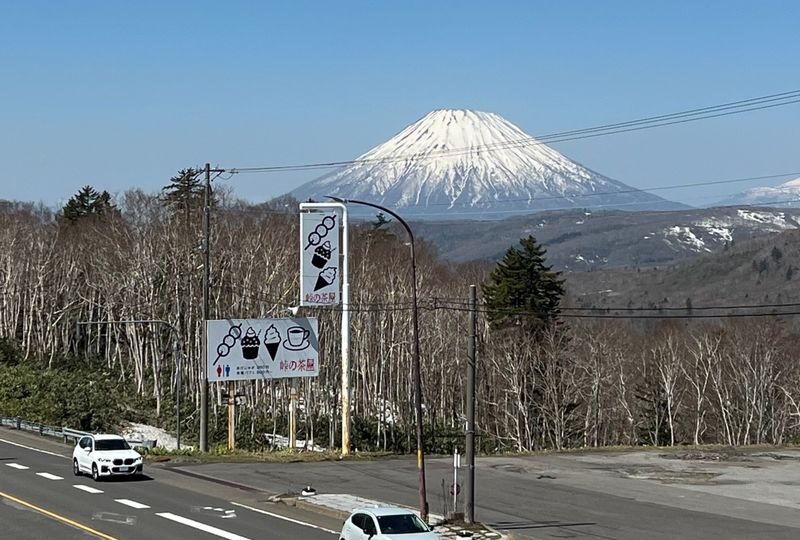
In the winter itinerary, the first stop is Nakayama Pass, after about an hour and fifteen minutes on the bus. You get a short break, a distant look at Mount Yotei and a chance to try the pass’s well-known potatoes. The stop is brief, so treat it as a stretch and a view rather than a full visit.
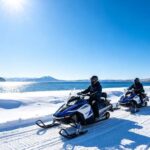
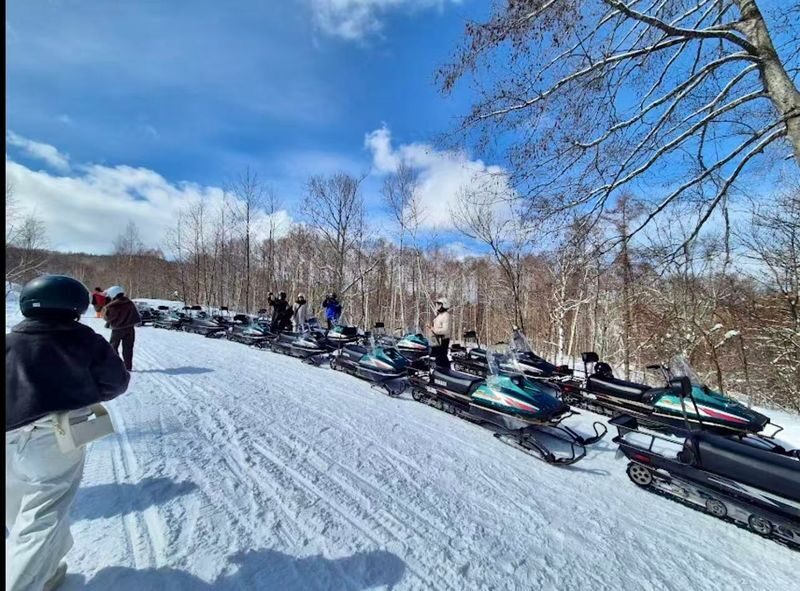
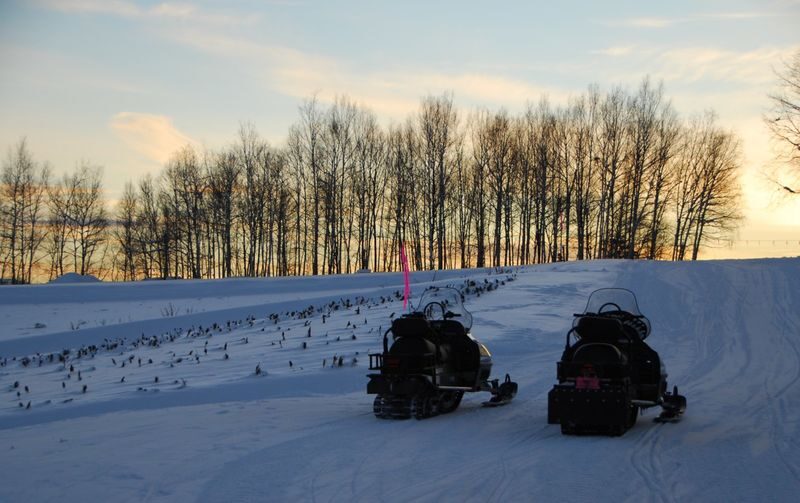
The next listed stop is Snow World, with about an hour and a half set aside. Forest snowmobiling is optional and costs 15,000 yen for a single ride or 20,000 yen for a tandem ride. The activity depends on snowfall; if there is not enough snow, the stop changes to Jozankei Futami Park without prior notice.
That uncertainty matters when you choose the tour. Book the winter option for its broad mix of snow, lake and volcanic sights, not on the assumption that a snowmobile ride is guaranteed. Dress for the day’s weather, and remember that winter roads can affect stop lengths and the schedule.
Lake Toya from above, then at the water’s edge
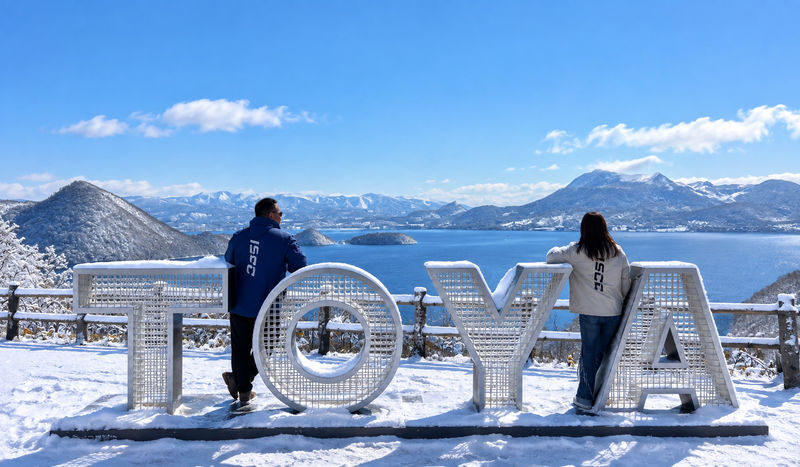
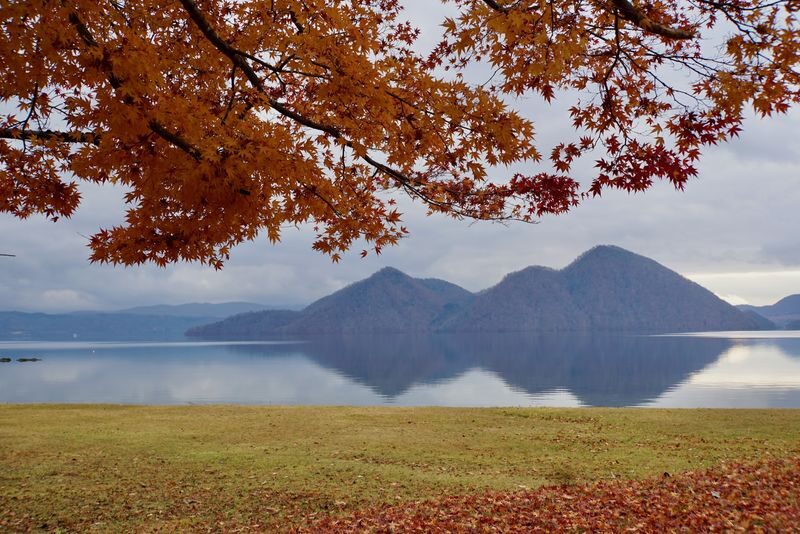
The Silo Observation Deck is scheduled for about 25 minutes. From this high viewpoint, you can look across Lake Toya and toward Mount Usu and Showa-shinzan. On a clear day, the wide view is the point; clouds or fog can obscure the distant peaks, so the panorama is never something to count on.
A short drive away, Lake Hill Farm gets about 25 minutes. It is described as a local ranch where you can try Hokkaido ice cream and take in the snowy surroundings on the winter route. With little time here, think of it as a quick taste stop rather than a meal or a long farm visit.
The tour then gives you about 50 minutes in Toyako Onsen town. This is your main chance to find lunch, walk near the water and get a feel for the hot spring town. Meals are not included, and restaurant options can be limited or slow, especially on a busy day. I would decide on a few lunch possibilities before you arrive and keep a convenience-store snack as a backup.
Some spring-through-autumn descriptions also mention a Lake Toya panorama and free time by the shore, but stop details vary by package. Check the selected route carefully rather than assuming every seasonal option includes the same viewpoint or schedule.
Showa-shinzan: a young volcano and an optional bear stop
The winter itinerary allows about 50 minutes at Showa-shinzan. The mountain formed during the Showa era after volcanic activity, and you can see it up close. The main attraction is the striking sight of a relatively new volcanic peak, not a long hike.
Two optional paid stops are described here. The Mount Usu Ropeway takes you higher for views over the surrounding peaks, while the Showa-shinzan Bear Ranch offers a chance to see Hokkaido brown bears in designated viewing areas. Tickets for both are at your own expense, and the available time may make it difficult to fit in more than one activity.
Choose according to what matters most to you. The ropeway is the better fit if your priority is a wider view and the weather is clear. The Bear Ranch appeals to families and anyone curious about local wildlife, but animal welfare is worth considering before you pay. One person who had visited described bears in small metal and concrete enclosures and urged others not to support the facility. That is a serious concern to weigh, not a reason to treat the optional visit as a required part of the tour.
Noboribetsu Hell Valley, where the ground steams
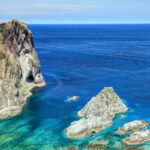
Noboribetsu Jigokudani, usually called Hell Valley, is the day’s most immediate encounter with geothermal activity. The winter schedule allows about 30 minutes to see sulfur vents and steaming ground. Paths and walkways bring you near the activity, and the sulfur smell is part of the experience.
The setting changes with the weather and season. Snow can heighten the contrast around the steaming ground; in warmer months, the valley may look less dramatic in photographs than it feels in person. Either way, the appeal is seeing the earth at work, close to one of Hokkaido’s best-known hot spring areas.
Keep your expectations realistic about the time. Thirty minutes is enough for a short look and some photos, but not a leisurely wander. If you plan to stay overnight in Noboribetsu, the tour information says you may leave the group on the return trip. Confirm your plan with the operator before departure.
You can also read our reviews of more tours and experiences in Hokkaido
What changes on the warmer-month tour
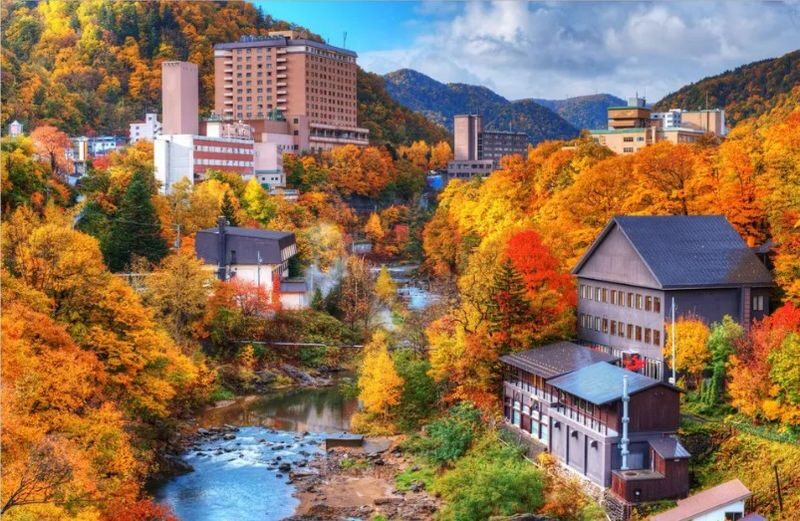
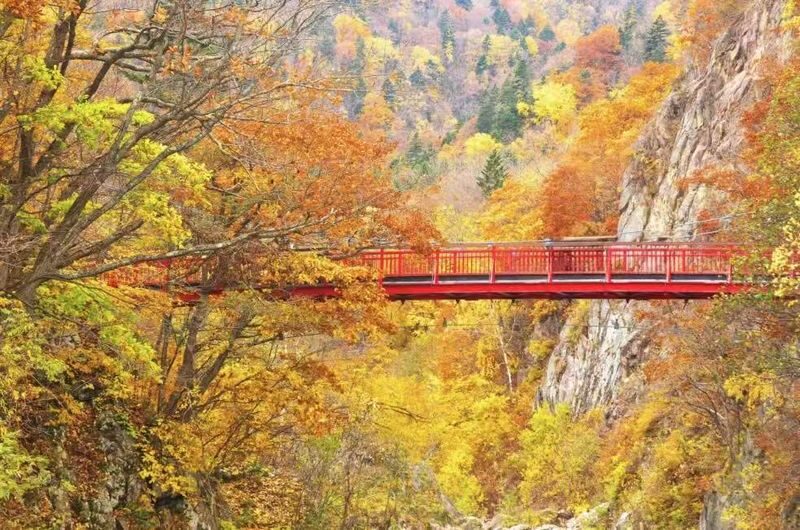
The spring, summer and autumn package brings a different set of highlights. It includes the Hill of the Buddha and Jozankei Futami Suspension Bridge alongside Lake Toya and Noboribetsu. Jozankei’s red bridge frames the valley, with autumn color or summer greenery depending on when you visit.
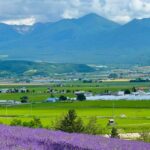
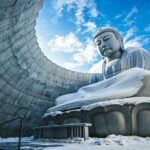
The Hill of the Buddha, designed by Tadao Ando, is an architectural stop as well as a place of quiet reflection. The large Buddha is partly concealed by a ring of lavender, which is in bloom only at certain times. The carefully composed approach and surrounding garden are part of the visit, so it is worth allowing time to take in more than the statue itself.
There is an important date-specific caveat: the attraction is scheduled for routine cleaning from September 25 to October 20, 2026. Parts of the site may be closed, with obstructions around the Buddha. If this stop is a main reason for booking, check the current conditions before you commit. The tour information does not promise that the statue will be unobstructed during that period.
The warmer-month route also includes Noboribetsu and Lake Toya, but expect short stays there too. The Mount Usu Ropeway may be available as a paid option, though the schedule can leave little time to explore the upper area. One useful strategy is to choose your priority in advance: a ropeway ride, a bear visit, or more time by the lake. Trying to do everything may turn the stops into a race.
Is the price worth it?
The advertised starting price is $44.20, but that covers the guided bus tour, round-trip transfers and operator insurance, not every activity or meal. Snowmobile rides, Bear Ranch admission and the Mount Usu Ropeway cost extra, as do food and drinks. Treat the starting price as the cost of transport and a set route, then add only the paid activities you actually want.
For a day that reaches Lake Toya and Noboribetsu from Sapporo, the value is strongest if you do not have a car and want to see several places without planning connections. The guide can also make the long ride more useful by explaining the stops and helping you manage the schedule. Several guides, including Zoey, Vivian and Hide Cai, have been noted for bilingual or multilingual explanations, clear meeting instructions and practical help with lunch or photos. Guide quality is not guaranteed, of course, and some departures may offer less commentary.
The value drops if you want to linger. A tightly scheduled day means less flexibility, and a paid ropeway or snowmobile ride can push the total cost well above the starting fare. It is a good sightseeing sampler, not a bargain way to spend hours at one attraction.
Practical details that can save you a headache
The meeting point is at Sapporo Station’s North Exit, near the central bus area. Look for the guide flag marked ISCC, arrive at least 10 minutes early and check the latest email for the exact time, guide contact and vehicle number. The confirmation details are sent after 3 p.m. on the day before departure, so check your spam folder too.
Late arrivals are treated as no-shows, with no refund. Keep your phone available during the trip in case the guide needs to contact you. The tour can adjust stops because of weather, traffic or closures, and severe weather may lead to cancellation or changes.
The day involves long drives, so prepare for motion sickness if that affects you. Bring suitable clothing for the forecast, plus some cash or a payment method for meals and optional activities. Infants aged 0 to 2 can ride free if they do not need their own seat, but the operator must be told in advance.
The tour is family-friendly in the sense that there is no age limit, and the bus removes the need to manage transport between distant stops. Hell Valley involves walking, however, and a baby carrier may be more practical than a stroller there. Pets are not allowed, and feeding wild animals is prohibited.
Who should book this Sapporo day trip?
I would choose this tour if you have one day, want to see several major sights and prefer someone else to handle the long-distance driving. It suits first-time visitors, families who are comfortable with a full day out, and couples or friends who like a varied schedule more than a slow one.
I would skip it if your main goal is a long soak, an extended hike, a full exploration of the ropeway area or an unhurried lunch. Check the package name before booking, especially if the Hill of the Buddha or snowmobiling is essential to you. For the best fit, pick your season, choose one optional paid activity at most, and arrive ready to follow the clock.
Sapporo Departure: Day Trip to Big Buddha, Jozankei, Lake Toya & Noboribetsu: Volcano/Lake View/Winter Snowmobiling
“eventough the hills of buddha still under maintenance but the surrounding place is good also the other destinations”
FAQ
How long is the tour?
The scheduled day runs from 7:20 a.m. to about 5:30 p.m. Traffic and weather can change the timetable.
Where does the tour leave from?
It meets at Sapporo Station’s North Exit. Look for the guide holding an ISCC flag and arrive at least 10 minutes before departure.
What is included in the price?
Round-trip transfers from the meeting point, an English-, Chinese- or Japanese-speaking guide, and operator-provided insurance are included.
Are meals included?
No. Meals and drinks are at your own expense. The Lake Toya Onsen stop includes free time for lunch and a lakeside walk.
Is snowmobiling included?
No. It is optional and costs 15,000 yen for a single ride or 20,000 yen for a tandem ride. The activity depends on snowfall.
What happens if there is not enough snow?
The Snow World stop changes to Jozankei Futami Park without prior notice.
Are the Bear Ranch and Mount Usu Ropeway tickets included?
No. Both are optional, paid activities. The available time may limit how much you can do at Showa-shinzan.
Does every package visit the Hill of the Buddha and Jozankei?
No. The spring, summer and autumn package includes those stops. The winter package follows a different route, with Nakayama Pass and a snow activity stop.
Can children join the tour?
There is no age limit. Children aged 0 to 2 ride free if they do not occupy a separate seat, but you must inform the operator in advance.
What happens if the Hill of the Buddha is under maintenance?
From September 25 to October 20, 2026, routine cleaning may restrict access and cause obstructions around the Buddha statue. Check current conditions if this attraction is a priority.