Kyoto cuisine here is about the changing season, not one signature dish. Hanasaki serves a set course of roughly seven dishes, with ingredients such as seasonal Kyoto vegetables, fresh fish, and Kyoto beef chosen for the day.
I like two things about this meal: the chance to try a sequence of Kyoto dishes in one sitting, and the Japanese-style rooms and distinctive seating, which give dinner a sense of place. The food is presented with care, and one diner singled out the fresh fish and the chef cooking it.
The main caution is value. Prices climb quickly across the lunch and dinner options, and the experience may feel underwhelming if you expect a lavish, high-end kaiseki feast. The restaurant can also be hard to find after dark, so plan your route before you set out.
- What to know before booking
- A seasonal course in Gion
- What the dishes can tell you about Kyoto
- The room is part of the meal
- Choosing lunch or dinner
- Etiquette, children, and planning
- Who will appreciate Hanasaki most
- Should you book this Kyoto meal?
- FAQ
- Where is Gion Kyoryori Hanasaki?
- What kind of food is served?
- What dishes might be included in the course?
- How much do the meal packages cost?
- Can children eat without ordering a separate meal?
- Is there a dress code?
- What happens if I arrive late or need to cancel?
- The Best Of Kyoto!
- More Dining Experiences in Kyoto
- More Tours in Kyoto
- More Tour Reviews in Kyoto
- Not for you? Here's more nearby things to do in Kyoto we have reviewed
What to know before booking
 1 / 5
 2 / 5
 3 / 5
 4 / 5
 5 / 5
- The menu changes with the season: Expect a set course rather than a fixed list of dishes. The exact ingredients and plates depend on what the restaurant serves that day.
- A standard lunch is the entry point: Prices start at $43.05, while the listed dinner options begin at $75.69.
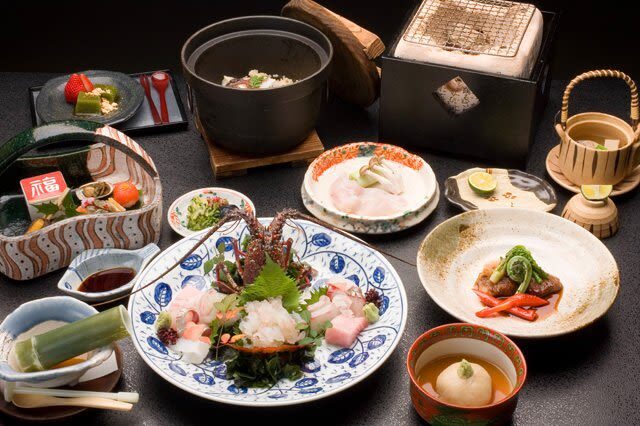
- The meal is a sequence: A typical set has about seven dishes, which may include seasonal appetizers, sashimi, a simmered dish, tempura, Kyoto-style sushi, and dessert.
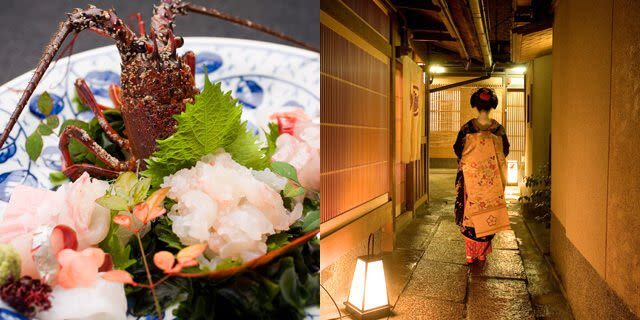
- Gion is the setting, not the whole experience: The restaurant sits in an alley near Gion, with a traditional interior and Japanese-style private rooms.
- Give yourself time to find the entrance: It is about a 10-minute walk from either Gion-Shijo or Kawaramachi Station, and the approach can be tricky in the dark.
- Dress neatly and arrive on time: Casual clothes such as shorts, tank tops, and sandals are not allowed. A delay of more than 15 minutes may lead to cancellation without a refund.

👉 See our pick of the 25 Best Workshops And Classes In Kyoto
A seasonal course in Gion
Gion Kyoryori Hanasaki is a kaiseki restaurant at 570-17 Gionmachi Minamigawa, in Kyoto’s Higashiyama district. The experience is best understood as a meal, not a guided food tour: you arrive at the restaurant, settle in, and enjoy a set course built around ingredients chosen for the season.
Kaiseki is a style of Japanese dining organized around a succession of carefully prepared dishes. At Hanasaki, the focus is on handmade Kyoto cuisine and thoughtful pairings, with seasonal produce and fish at the center. The course can also feature Kyoto beef, though no particular item is guaranteed on a given date.
That seasonal approach is useful if you want to taste more than one kind of Kyoto cooking without planning several restaurant stops. It also means you should not book for a specific dish alone. The meal changes, and the listed courses are examples rather than promises.
A typical set is described as roughly seven dishes. It may move through seasonal appetizers, a grilled Hassun, sashimi, a simmered dish, tempura, Kyoto-style sushi, and dessert. The exact order and contents are decided by the restaurant, and availability on the day takes priority over menu illustrations.
You can also read our reviews of more tours and experiences in Kyoto


What the dishes can tell you about Kyoto
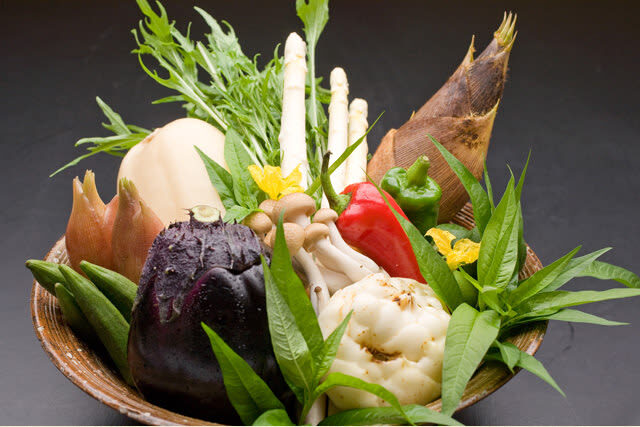
The appeal of the course is its attention to the ingredients, not simply the number of plates. Kyo-yasai, or Kyoto vegetables, are one of the restaurant’s specialties, alongside fresh seasonal fish and Kyoto beef. These ingredients give you a way to encounter local cooking through a set meal, rather than only through familiar dishes such as sushi or tempura.
The emphasis on pairings also matters. In a multi-course dinner, a vegetable, fish, or simmered dish can feel different depending on what comes before and after it. You will get the most from the meal if you approach it as a progression and stay open to dishes you might not have ordered on their own.
The strongest specific praise has been for the food’s appearance and fresh fish. One diner described each course as carefully presented and noted that the chef cooked the fish. That is a useful detail if you value preparation as much as the ingredient itself, though it should not be taken as a guarantee that every fish course is cooked tableside or prepared in the same way.
Expect a measured meal rather than a quick plate before sightseeing. The supplied information does not give a meal duration, so leave enough room in your schedule instead of assuming you will be in and out on a strict timetable. A kaiseki course is most rewarding when you can give each dish your attention.
The room is part of the meal
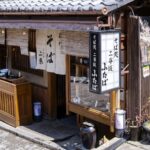
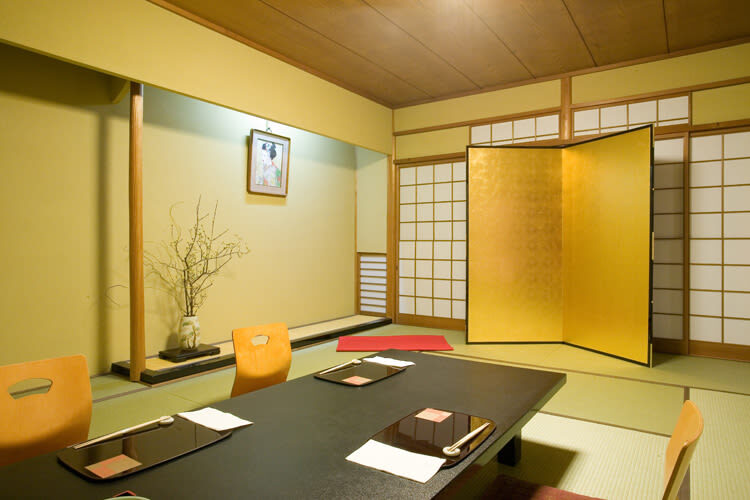
Hanasaki is set down an alley near Gion and has a Japanese-style interior described as simple yet sophisticated. Its private Japanese-style rooms and distinctive seating offer a quieter, more traditional frame for the meal than a standard open dining room. That setting can be a meaningful part of the experience if you want your dinner to feel connected to Kyoto’s dining culture.
The restaurant’s location is practical, too. It is within walking distance of Gion-Shijo and Kawaramachi stations, each about 10 minutes away, and the address puts you in a popular sightseeing area. You can fit the meal around time spent exploring Gion and nearby temples, though the restaurant itself is tucked away rather than prominent on a main street.
That tucked-away location has one drawback: finding it after dark may take more effort. One diner specifically found the restaurant hard to locate in the evening. Save the exact address, 570-17 Gionmachi Minamigawa, and allow a little extra time to navigate the final stretch. Being punctual matters here, so do not count on arriving just as your reservation begins.
Choosing lunch or dinner
The least expensive option is the Standard Japanese Cuisine Lunch Set, from $43.05. Other listed lunch choices are the Classic set from $57.15, the Japanese Cuisine set from $75.69, and the Premium set from $112.79. Those price steps are substantial, so compare the package names and prices carefully before choosing. The package description does not establish exactly how the dishes differ at each level.
Dinner starts at $75.69 for the Japanese Cuisine Dinner Set. The Premium set is listed from $112.79, the Deluxe from $140.25, and the Luxury set from $186.25. These higher prices may suit someone looking for a more special meal, but the available details do not specify extra courses, ingredients, or other inclusions for each tier. Do not assume that a higher price guarantees a particular dish.
Value depends on what you want from the evening. If you mainly want to try seasonal Kyoto cooking in a traditional setting, the lower-priced lunch or dinner package may make more sense. If you are marking a special occasion and comfortable paying more for a higher-tier set, you may prefer one of the premium options, but check the package details before booking rather than relying on the labels alone.
The feedback on value is mixed. The overall score is 3.7 out of 5 from three ratings, a small sample that should not be treated as a firm verdict. One diner found the food beautiful and delicious; another liked the service but felt the course ended without quite satisfying expectations. A third felt the standard lunch did not justify its price, while still appreciating the old-style restaurant and staff manner.
Taken together, those comments suggest a sensible expectation: value the room, service, and seasonal course as a whole, not just the quantity of food. If you measure a meal mainly by portion size or by a single standout ingredient, this may not be the right splurge. If you enjoy a series of Japanese dishes and the setting matters to you, the experience may feel more worthwhile.
Etiquette, children, and planning
Dress neatly for the meal. The restaurant’s guidance rules out overly casual clothes such as slippers, sandals, tank tops, shorts, camisoles, and miniskirts. Men are asked to wear a collared shirt or jacket with trousers, and jeans are not permitted; socks are required. Treat the dress code as a real condition of entry, not a suggestion for dressing up only at dinner.
Children aged 12 and older are charged at the adult rate and need the same reservation package. Children aged 11 and under may share meals with adults without ordering separately, but you still need to include them in the reservation count so the restaurant knows how many people are coming. Outside food and drinks are not allowed.
Arrive on time, but not far too early. If you are more than 15 minutes late, the reservation may be canceled and payment may not be refunded. Arriving more than 15 minutes early may also be a problem, since the restaurant can refuse early entry and waiting inside.
Your voucher is valid only for the date and time specified, if a time is included. Confirmation is expected within 48 hours; if you do not receive an email, contact customer support. Cancellation at least 72 hours before the activity date, using local time at the destination, qualifies for a full refund. These details are worth checking before you commit, especially if your Kyoto schedule is tight.
You can also read our reviews of more tours and experiences in Kyoto


Who will appreciate Hanasaki most
I would consider Hanasaki if you want to try a seasonal Kyoto course in a traditional setting and are happy to let the kitchen determine the exact dishes. It suits diners who enjoy Japanese food beyond a single familiar specialty, and those who value the room and pacing as part of a meal.
It is less suited to anyone chasing a guaranteed ingredient, a precise menu, or the best possible food value on a tight budget. The course changes, and the feedback on price is not uniformly positive. A premium package is a bigger commitment, so book it because the setting and style appeal to you, not because the name alone promises a certain level of luxury.
For a first kaiseki meal, the lower-priced lunch option may be a practical way to try the format. For dinner, choose a price tier you can enjoy without expecting a specific list of extras. Either way, arrive with time to spare, dress appropriately, and treat the course as a seasonal introduction to Kyoto cooking rather than a checklist of dishes.
Should you book this Kyoto meal?
Book Hanasaki if you want a traditional Japanese dining room, a changing course featuring seasonal Kyoto ingredients, and a convenient stop near Gion. The strongest reasons to go are the setting, the varied course, and the care given to presentation and fresh fish.
Think twice if price is your main concern, if you need a guaranteed menu, or if you expect a large meal for the lowest package price. Start with a lunch set if you want to keep the cost down, and choose a higher tier only after checking what is included. With realistic expectations and a little patience finding the entrance, Hanasaki can be a pleasant way to make a meal part of your Kyoto sightseeing day.
Japanese Kyoto Cuisine Dining Experience – Hanasaki (Gion, Kyoto)
“Each dish was beautiful and delicious, like a work of art. The fish was fresh, and it was even better because the chef cooked it himself. It was ok…”
FAQ
Where is Gion Kyoryori Hanasaki?
It is at 570-17 Gionmachi Minamigawa, Higashiyama-ku, Kyoto. The restaurant is about a 10-minute walk from both Gion-Shijo Station and Kawaramachi Station.
What kind of food is served?
Hanasaki specializes in seasonal Japanese and Kyoto cuisine. Its specialties include Kyoto vegetables, seasonal fresh fish, and Kyoto beef.
What dishes might be included in the course?
A set meal is approximately seven dishes and may include seasonal appetizers, grilled Hassun, sashimi, a simmered dish, tempura, Kyoto-style sushi, and dessert. The actual dishes depend on availability on the day.
How much do the meal packages cost?
Lunch packages start at $43.05, with listed options up to $112.79. Dinner packages start at $75.69 and range up to $186.25.
Can children eat without ordering a separate meal?
Children aged 11 and under may share meals with adults without ordering separately, but they must be included in the reservation count. Children aged 12 and older require the same package as adults.
Is there a dress code?
Yes. Avoid casual clothes such as sandals, shorts, tank tops, and slippers. Men are asked to wear a collared shirt or jacket, trousers rather than jeans, and socks.
What happens if I arrive late or need to cancel?
A delay of more than 15 minutes may lead to cancellation without a refund. Cancel at least 72 hours before the activity date, using Kyoto local time, to receive a full refund.