Hiroshima’s Peace Memorial Park and Miyajima’s Great Torii are two very different places, yet this eight-hour tour connects them in one day. You’ll spend the morning with the city’s history, then cross by ferry to an island shrine and its old shopping street.
I like that the guide and bus take care of the day’s connections, and that the ferry follows a scenic route with a close view of the Great Torii. I also like that lunch is Hiroshima-style okonomiyaki, so you get a local dish without having to find a restaurant between stops.
The trade-off is a full schedule. You get about an hour at the Peace Memorial Museum and an hour each at Itsukushima Shrine and Omotesando Street, so this is a useful introduction, not a leisurely visit. The walking can be demanding, and the tour is not wheelchair accessible.
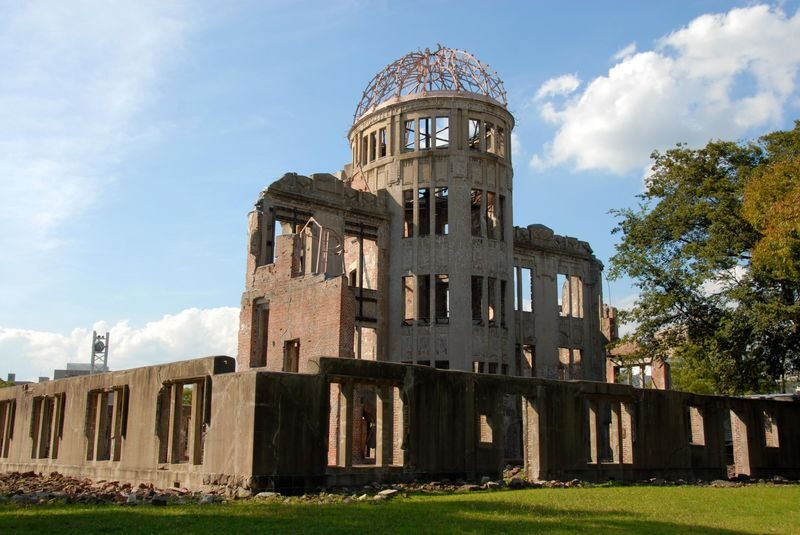
- The morning is devoted to remembrance: Visit Peace Memorial Park, the Atomic Bomb Dome, the Children’s Peace Monument, and the Peace Memorial Museum.
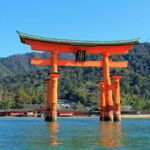
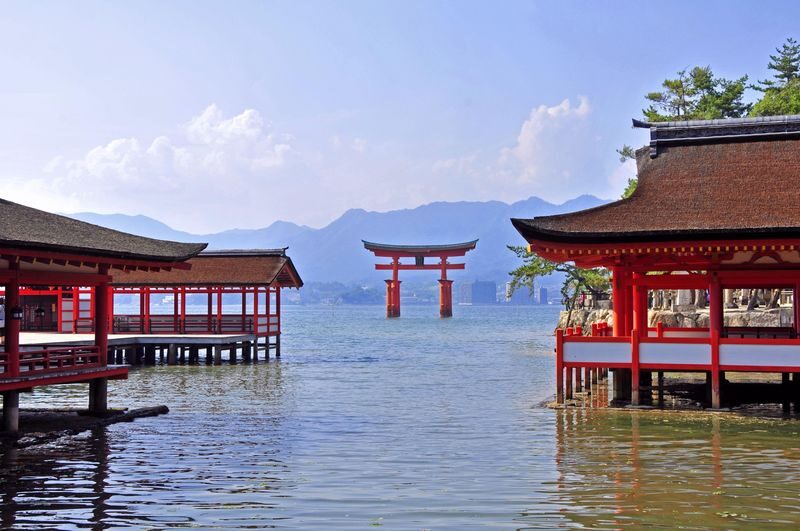
- Miyajima comes with a close-up ferry view: The scenic crossing is planned to offer a good angle on the Great Torii.
- Your lunch is included: Choose from three listed okonomiyaki options, including versions without pork.
- You have a little time to browse: An hour of self-guided time is set aside for Miyajima’s Omotesando Shopping Street.
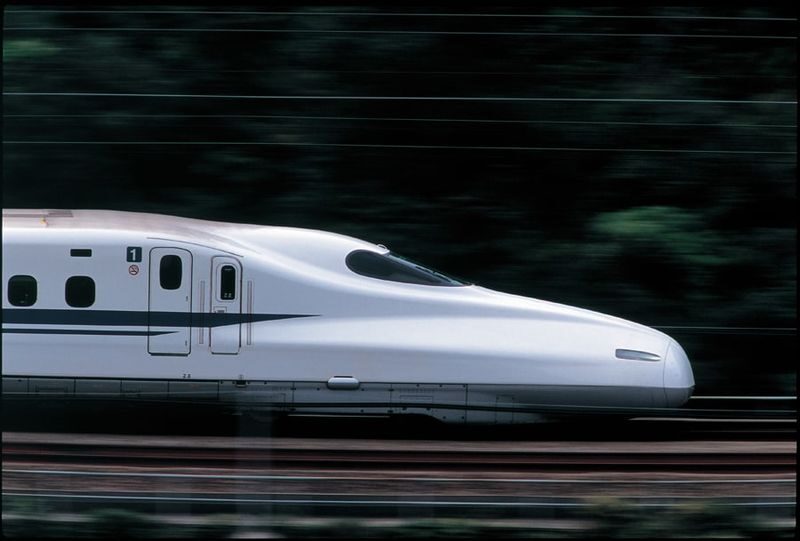
- The tour starts and ends at Hiroshima Station: Round-trip Shinkansen packages are also offered from Osaka, Kyoto, and Fukuoka.
- A day linking Hiroshima and Miyajima
- Starting at Hiroshima Station
- The Peace Memorial Park and Atomic Bomb Dome
- An hour inside the Peace Memorial Museum
- Okonomiyaki for lunch
- The ferry to Miyajima and Itsukushima Shrine
- Omotesando Street and your hour to wander
- What the guides and transport add
- Is the tour good value?
- Should you book this Hiroshima and Miyajima day?
- FAQ
- How long is the tour?
- Where does the Hiroshima departure meet?
- What sights are included?
- Is lunch included?
- Are there options for people who do not eat pork?
- Is the ferry fare included?
- Is admission to the museum and shrine included?
- What happens if the Peace Memorial Museum is closed?
- Can I join from Osaka, Kyoto, or Fukuoka?
- Is the tour wheelchair accessible, and can I bring luggage?
- The Best Of Hiroshima!
- More Lunch Experiences in Hiroshima
- More Tours in Hiroshima
- More Tour Reviews in Hiroshima
- Not for you? Here's more nearby things to do in Hiroshima we have reviewed
A day linking Hiroshima and Miyajima
This tour is built for people who want to see Hiroshima’s central sights and Miyajima in a single day without planning each transfer themselves. From Hiroshima Station, you travel by air-conditioned bus, ferry to the island, and return to the station around 18:00.
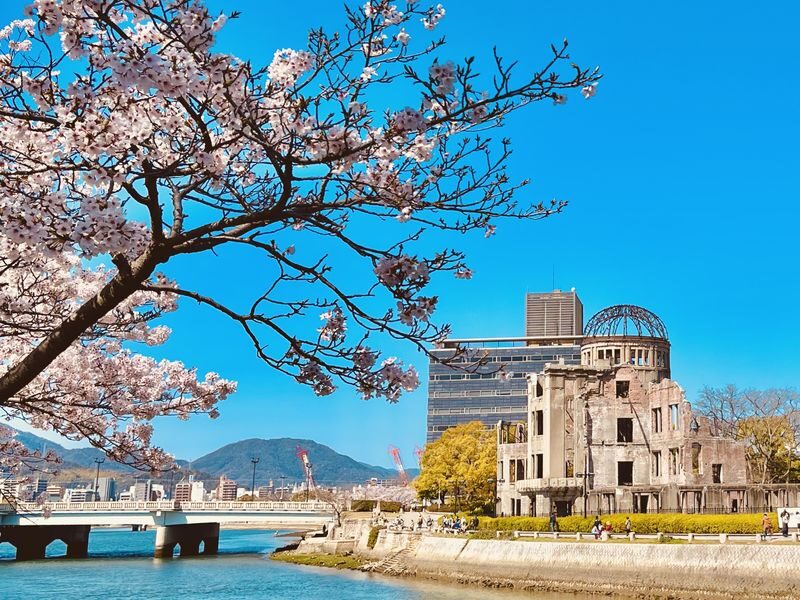
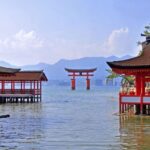
The central idea is a pairing of two UNESCO-listed sites in Hiroshima Prefecture: the Atomic Bomb Dome and Itsukushima Shrine. The first anchors a solemn visit to the city’s wartime history; the second gives you a striking setting on the water. Seeing both in one day makes sense if you have limited time, though each deserves more than a brief stop.
The tour price starts at $93.69 for the Hiroshima departure. The exact price may vary by package, especially for options that include round-trip Shinkansen travel from another city. For a Hiroshima-based visitor, the fee covers the bus, guide, lunch, ferry, and admission to the museum and shrine. You’re paying for the schedule and the convenience as well as the entry tickets.

👉 See our pick of the 3 Best Workshops And Classes In Hiroshima
Starting at Hiroshima Station
The Hiroshima departure meets at Hiroshima Station, at the South Gate and second-floor Shinkansen ticket gate area. Be there 15 minutes early. The bus leaves on schedule and does not wait for late arrivals, and there is no refund for a missed departure.
The tour runs from 10:00 to about 18:00. If you have a Shinkansen ticket for a later journey, leave a buffer: the tour guidance recommends booking a train after 18:30. The return time can shift with traffic, weather, or other operational issues, so don’t plan a tight connection.
If you book a package from Osaka, Kyoto, or Fukuoka, round-trip Shinkansen travel is included. An assistant gives you tickets and a briefing at the relevant meeting point, and you should arrive with time to spare. The exact arrangements depend on the package you choose, so check your voucher closely.
You can also read our reviews of more tours and experiences in Hiroshima


The Peace Memorial Park and Atomic Bomb Dome
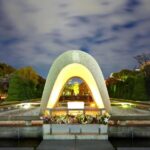
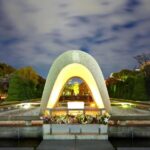
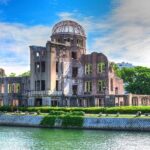
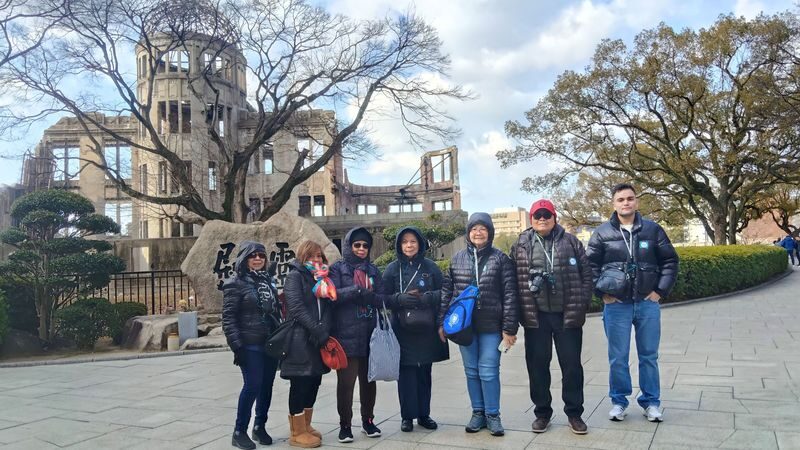
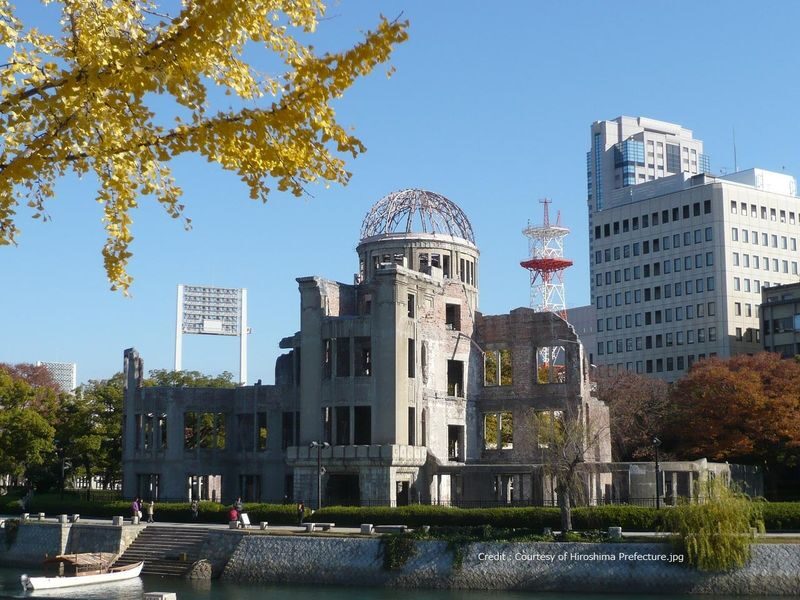
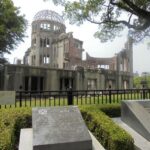
The morning begins with a guided visit to Hiroshima’s memorial area. The schedule sets aside about 30 minutes for this initial stop before the museum visit. The Peace Memorial Park, Atomic Bomb Dome, and Children’s Peace Monument are listed among the tour’s sights, giving you a compact introduction to the places that mark the bombing and its human cost.
This part of the day benefits most from a guide who can give context without turning the visit into a lecture. The tour has included guides such as Hiro, Kane, Joe, Azusa, and Miki, among others. Names are not guaranteed, of course, but the guides are a frequently praised part of the experience. One guide, Miki, shared family history connected to the bombing, a reminder that Hiroshima’s past is not only a matter of dates and displays.
The tight timing has a consequence: you’ll need to keep moving. One hour at the museum is enough to see a meaningful portion, but it won’t let you read every panel at length. The park and Dome stop can also feel brief if you want extra time for reflection or photographs. If the museum is closed, the tour visits Hiroshima National Peace Memorial Hall for the Atomic Bomb Victims instead.
An hour inside the Peace Memorial Museum
The museum visit is scheduled for about one hour, with admission included. It offers a focused way to understand the scale of the bombing and its impact on civilians. The displays can be emotionally heavy, so it’s worth allowing yourself some quiet time afterward if the schedule permits.
The museum has announced closure dates of December 30 and 31, 2026, and February 15 to 20, 2027. On those dates, the alternative visit is the National Peace Memorial Hall for the Atomic Bomb Victims. Since schedules can change, check the tour details for your date before booking.
The guided format helps you use a limited visit well, but it won’t suit everyone. If the museum is your main reason for coming to Hiroshima, consider visiting independently on another day so you can set your own pace. If you’re trying to fit both the city and Miyajima into a single day, this stop gives you a structured first look.
Okonomiyaki for lunch
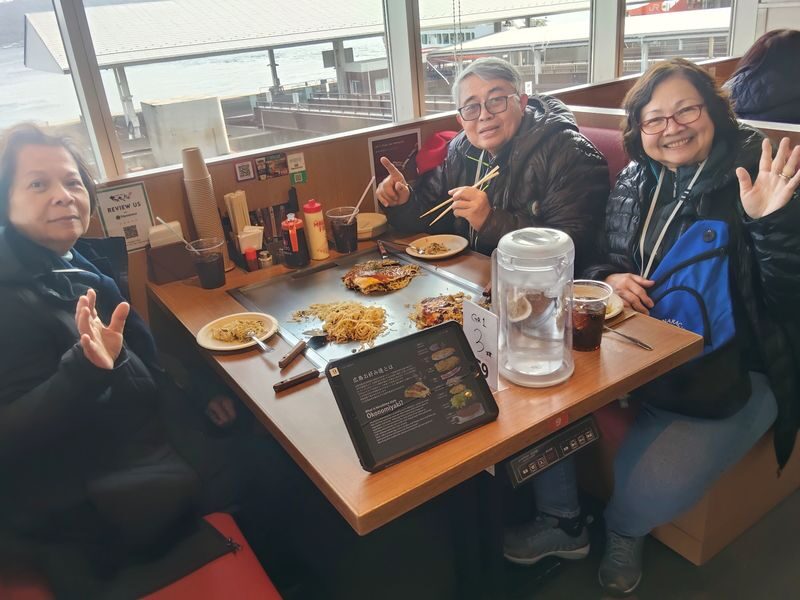
Lunch is scheduled for 12:30 and lasts about 45 minutes. The included dish is Hiroshima-style okonomiyaki, made with ingredients listed as pork, cabbage, bean sprouts, fish powder, noodles, and eggs. It’s a practical pause between the museum and the island, and it saves you the time of finding a place to eat.
There are three listed choices: regular okonomiyaki; a no-pork version with eggs; and a no-pork, no-fish-powder, no-eggs version. Tell the operator about allergies or dietary restrictions when you book. The options are specific, so don’t assume the kitchen can accommodate a requirement that isn’t listed.
Lunch quality may be the least predictable part of the day. Some people have found it tasty and appreciated trying a local specialty; others have found it bland or too small. I’d treat it as a convenient included meal rather than the culinary highlight of the trip. If you have a hearty appetite or strict dietary needs, check what is available for your package before you go.
The ferry to Miyajima and Itsukushima Shrine
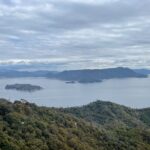
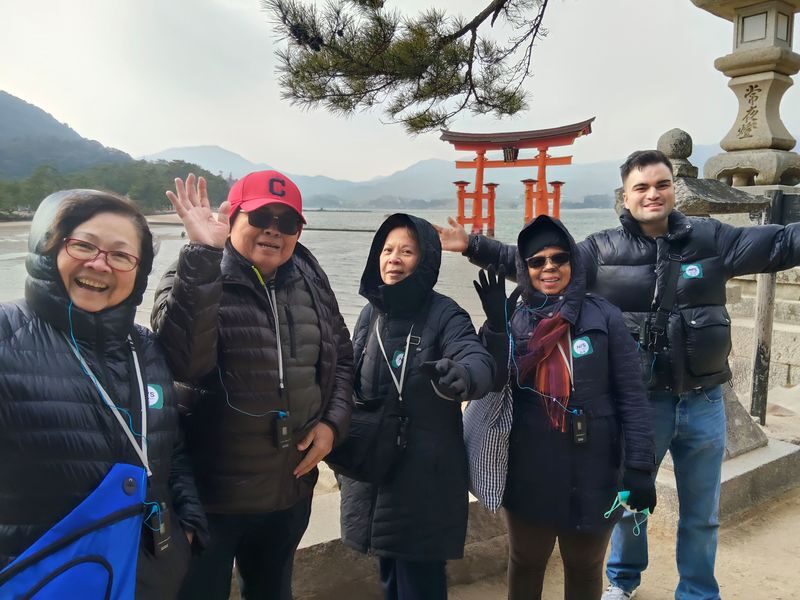
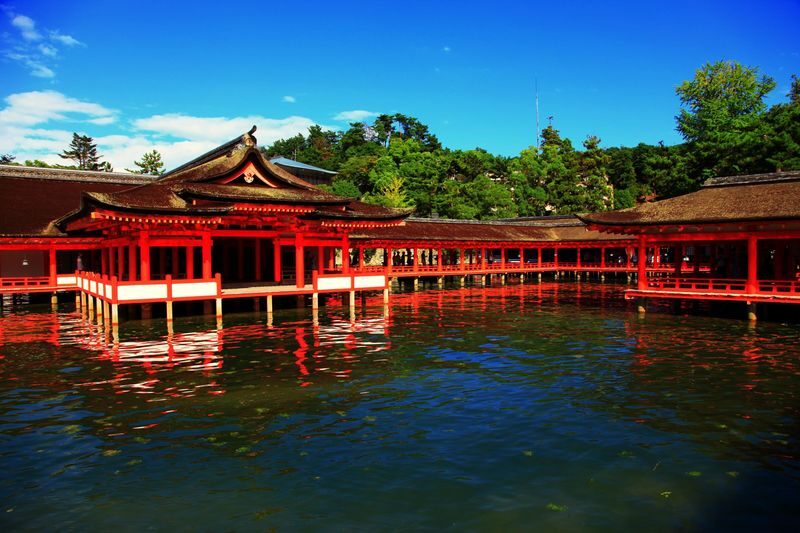
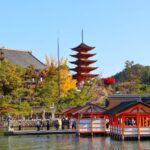
The tour takes a ferry to Miyajima around 14:10, with the shrine visit scheduled to start at about 14:20. The ferry ticket is included, and the route is chosen for a close view of the Great Torii. That water approach is one of the day’s most distinctive moments: you get a different perspective on the shrine than you would from the island shore.
The guided visit to Itsukushima Shrine lasts about an hour, and admission is included. The shrine is famed for its setting by the water, but conditions and views can vary with weather and tides. Keep your camera ready on the crossing, but don’t expect the tour to stop for a long photo session.
The schedule leaves little room to linger at the shrine. If you want to explore every corner at your own pace, an independent visit may be more satisfying. But for a first visit, the guide can point out the main features and help you make the most of the time available.
You can also read our reviews of more tours and experiences in Hiroshima


Omotesando Street and your hour to wander
After the guided shrine visit, you have about an hour of self-guided time on Miyajima’s Omotesando Shopping Street. This is your chance to browse, pick up a snack or souvenir, and enjoy a change of pace after the morning’s serious subject matter. The hour is welcome, though it goes quickly if you stop often.
Keep an eye on the meeting time and location. The group boards the bus around 16:40 for the return to Hiroshima Station. A clear meeting point matters here: the tour is timed, and the bus won’t hold departure for someone who loses track of the clock.
The tour includes luggage storage in the bus compartment, which can be helpful if you are traveling onward. Personal purchases and other expenses are not included, so budget separately for anything you buy on the island.
What the guides and transport add
The strongest practical benefit is that the day’s transport is handled for you. You don’t have to work out the bus and ferry connections between Hiroshima’s memorial sites and Miyajima, and the guide keeps the group moving between stops. For Shinkansen packages, staff assistance at the departure station can also make the start less stressful, especially if you’re unfamiliar with the station.
Guides have been praised for clear explanations, warmth, humor, and care with the group. Some have also helped participants with train tickets or kept track of the group during busy transitions. The tour supplies earphone guides for use during the activity; return them at the end and handle them carefully, since loss or damage can incur a replacement fee of up to 18,000 yen.
The bus is air-conditioned, but this is still a walking-heavy day. The tour advises people who have trouble walking not to book, and wheelchair access is not available. Weather, traffic, and other disruptions can shorten or delay visits, so approach the schedule as a plan rather than a guarantee.
Is the tour good value?
For $93.69 and up, the Hiroshima departure bundles transport, an English-speaking guide, lunch, the ferry, and admission to two major sites. The value is strongest if you want both Hiroshima and Miyajima in one day and would rather not manage the connections yourself. The guide’s historical explanations and the organized pace are a large part of what you’re paying for.
If you are comfortable using local transport and prefer long, unhurried museum visits, you could spend less by arranging the day independently. One visitor noted that entry tickets alone are relatively inexpensive compared with the full tour price. That is a fair point, but it leaves out the bus, ferry coordination, lunch, and the time and effort involved in planning a two-stop day.
The tour makes the most sense for first-time visitors, short-stay visitors, and people who value guided context. It is also a practical option if you’re traveling from Osaka, Kyoto, or Fukuoka and want a packaged Shinkansen journey. It is less suited to anyone who needs a slow pace, extensive time at the museum, step-free access, or a flexible lunch choice.
Should you book this Hiroshima and Miyajima day?
Book it if you want a structured introduction to Hiroshima’s memorial sites and Miyajima, and you’re happy to trade depth for coverage. The guide, transport, ferry, and included admissions make a busy day simpler to manage, while the island’s shrine and Torii give the afternoon a striking contrast to the morning.
Skip it if you want to spend several hours at the museum, explore Miyajima at length, or avoid a lot of walking. If you do book, arrive early, allow a generous gap before any evening train, and share dietary needs when you reserve.
Hiroshima & Miyajima 1 Day Bus Tour With lunch
“Our tour was with Minori san and Anna san. They were wonderful. Minori san was very attentive and provided a lot of history and general information…”
FAQ
How long is the tour?
The tour is scheduled from 10:00 to around 18:00, for a total of about eight hours. Traffic, weather, or other operational issues can change the timing.
Where does the Hiroshima departure meet?
It meets at Hiroshima Station, at the South Gate and second-floor Shinkansen ticket gate area, at 2-37 Matsubara-cho, Minami-ku. Arrive 15 minutes before departure.
What sights are included?
The tour visits Hiroshima Peace Memorial Park, the Atomic Bomb Dome, the Children’s Peace Monument, and Hiroshima Peace Memorial Museum, followed by Miyajima’s Itsukushima Shrine and Omotesando Shopping Street.
Is lunch included?
Yes. Lunch is Hiroshima-style okonomiyaki, scheduled for 45 minutes. Personal expenses are not included.
Are there options for people who do not eat pork?
Three options are listed: regular okonomiyaki, no pork with eggs, and no pork, no fish powder, and no eggs. Tell the operator about allergies or dietary restrictions when booking.
Is the ferry fare included?
Yes. The Miyajima ferry ticket is included, and the tour uses a scenic route intended to provide a close view of the Great Torii.
Is admission to the museum and shrine included?
Yes. Admission to Hiroshima Peace Memorial Museum and Itsukushima Shrine is included.
What happens if the Peace Memorial Museum is closed?
The tour visits Hiroshima National Peace Memorial Hall for the Atomic Bomb Victims instead. The museum closure dates listed are December 30 and 31, 2026, and February 15 to 20, 2027.
Can I join from Osaka, Kyoto, or Fukuoka?
Yes. Packages with round-trip Shinkansen travel are offered from Osaka, Kyoto, and Fukuoka. An assistant provides tickets and a briefing at the relevant station meeting point.
Is the tour wheelchair accessible, and can I bring luggage?
The tour is not wheelchair accessible and involves a lot of walking. Luggage can be stored in the bus compartment during the tour.