Kagawa’s pass is less a guided tour than a small planning tool: choose three participating places, then visit them within seven days of your first scan. That lets you shape a Takamatsu visit around a castle, an open-air folk village, a mountain viewpoint, or a meal you make yourself.
I like the freedom to choose three stops instead of following a fixed route, and I like that the choices can include both local sights and food experiences. The Yashima mountaintop facility pairs Genpei War-themed art with views over the Seto Inland Sea, while the udon class lets you knead, cut, and eat Sanuki noodles.
The main catch is that the choice list is limited, and some experiences have extra rules. The udon-making activity, for example, requires a reservation for two or more people, which can rule it out for a solo visitor.
At a glance
- Three choices, one pass: Use it at three participating facilities, businesses, or experiences.
- Seven days begins with your first scan: The pass is valid for seven consecutive days, but never beyond its original 270-day expiry.
- Yashima offers a view with context: Its mountaintop facility features Genpei War-themed art and a Seto Inland Sea sunset ranked among Japan’s Top 100.
- Udon is more than lunch: The hands-on class involves kneading and cutting Sanuki udon before eating what you make.
- Check the fine print at each stop: Opening hours, holidays, reservation needs, extra charges, and available choices vary.

👉 See our pick of the 11 Best Tours In Takamatsu
- At a glance
- A flexible pass, not a fixed Takamatsu tour
- Three stops let you build your own Kagawa day
- Yashima brings together war-era art and sea views
- Making Sanuki udon is the most hands-on pick
- Work out the value before you buy
- Seven days starts with the first use
- A little checking makes the pass work harder
- Who should choose the Kagawa Pass?
- FAQ
- How many facilities can I visit with the pass?
- How long is the pass valid after I first use it?
- How long do I have to start using the pass?
- How do I redeem the pass?
- Can I use the pass at the same facility more than once?
- Can I get a refund for a facility I do not use?
- Can I cancel the pass?
- Does the udon-making experience accept solo reservations?
- Are side dishes included?
- Where is the stated meeting-point address?
- The Best Of Takamatsu!
- More Tours in Takamatsu
- More Tour Reviews in Takamatsu
- Not for you? Here's more nearby things to do in Takamatsu we have reviewed
A flexible pass, not a fixed Takamatsu tour
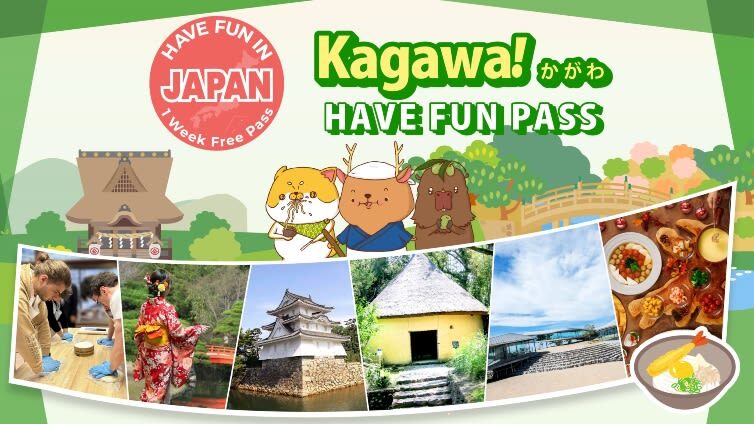
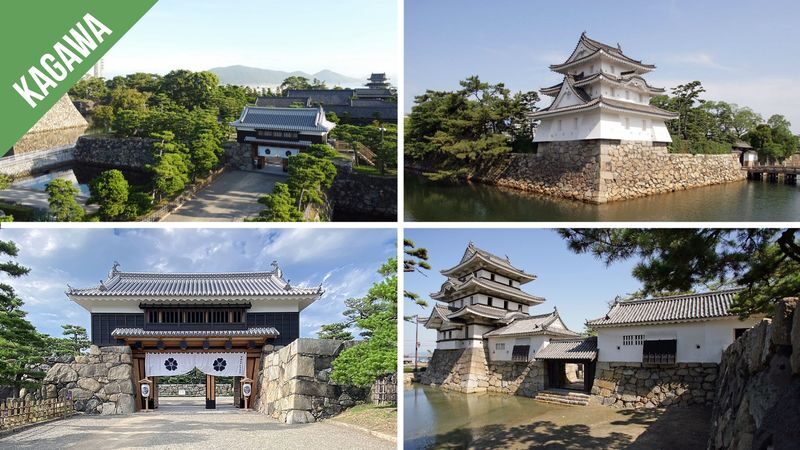
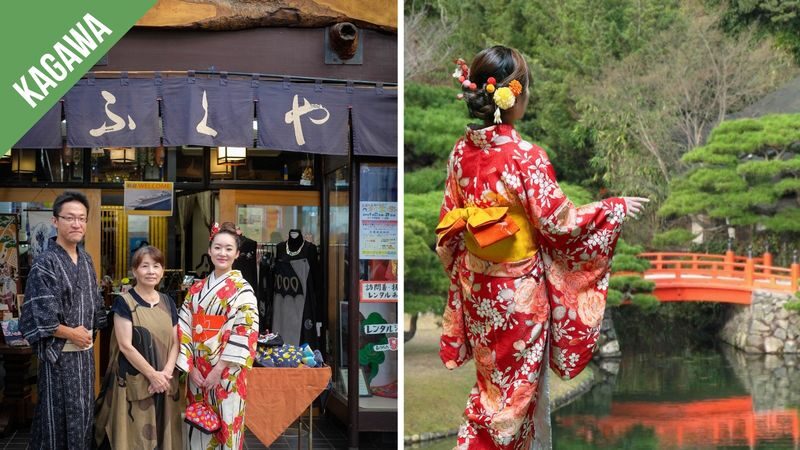
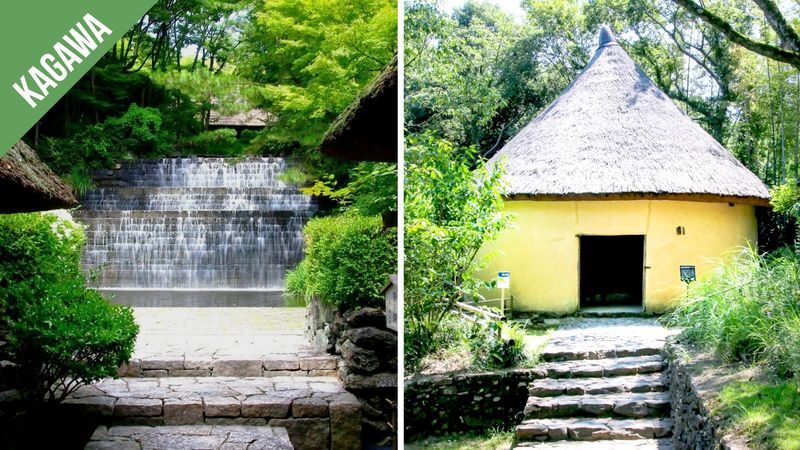

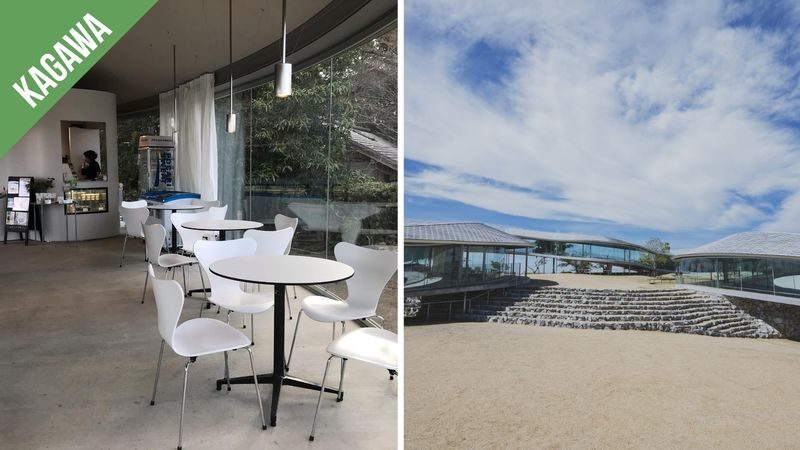

The Have Fun in KAGAWA Pass gives you three uses at participating places in Kagawa, the Japanese prefecture known for Sanuki udon. You decide which three options to use, so this works best when you already have a few sights or experiences in mind and want room to arrange them around your plans.
It is not a guided outing with a set departure time or a named guide. The pass is redeemed at each participating facility or business by showing the QR code on the PDF ticket you receive by email. The listed address, 1-20 Hamanocho in Takamatsu, is the meeting-point address, but the actual visits take place at the participating locations you choose.
That distinction matters. You are buying access to a selection of activities, not transportation between them or a host who will organize your day. You will need to check the current facility list, opening hours, public holidays, and any reservation rules yourself.
You can also read our reviews of more tours and experiences in Takamatsu.


Three stops let you build your own Kagawa day
The choices can combine different kinds of stops, which is the pass’s strongest idea. You might use one entry for a historic site, another for a cultural attraction, and the third for a meal or local experience. Examples used with the pass include Takamatsu Castle, also called Tamamo Castle, Shikoku Mura, and Yashima.
Shikoku Mura gives you a different kind of visit from a castle or viewpoint. It is one of the pass options, and it appeared in more than one three-stop combination. The available information does not specify how long to allow there or what each pass entry includes, so check the facility’s current details before setting your schedule.
Takamatsu Castle, or Tamamo Castle, is another option. One pass combination included the castle and souvenirs, but do not assume every purchase or add-on is covered. Ask on site what the pass pays for and whether the item you want is included.
The choice count is both a strength and a limit. Three stops can be enough for a focused visit, especially if you are in Takamatsu for a short stay. But if you hoped for a long list of options or several days of varied activities, you may find the selection narrower than expected. Check the current list before buying, rather than assuming every attraction in the area participates.
Yashima brings together war-era art and sea views
Yashima’s mountaintop exchange facility is one of the more distinctive options. It combines art themed around the Genpei War with views across the Seto Inland Sea. The sunset from here is ranked among Japan’s Top 100, giving you a clear reason to time your visit for the end of the day if the weather and opening hours cooperate.
The appeal is not just the view. The Genpei War theme gives the stop a local historical angle, while the sea panorama offers a broader sense of the islands and water that shape this part of Japan. One pass use at the Yashima Summit Exchange Facility covered a panoramic painting ticket plus a drink. Since inclusions can depend on the specific pass option, confirm the current offer before you count on those extras.
Build in enough flexibility to enjoy the stop rather than arrive at the last minute for sunset. Check facility hours and public holidays first, and remember that your pass has a seven-day clock once activated. If Yashima is one of your three picks, it can make sense to use it on a day when the forecast looks promising, provided that fits your plans.
Making Sanuki udon is the most hands-on pick
The udon-making experience offers a break from simply seeing places. You knead the dough, cut the noodles, and eat the fresh Sanuki udon you have made. That gives you a direct connection to Kagawa’s best-known food, with more to the meal than ordering a bowl and moving on.
This option needs advance checking, especially if you are traveling alone. The class requires a reservation for two or more people, so a solo visitor may not be able to book it even with the pass. Confirm the current reservation policy with the business before you plan your three picks around the class.
There may also be extra costs at a restaurant. Side dishes are charged separately, and if your chosen item costs more than the pass allowance, you must pay the difference on site. At peak times, seats may be full. The practical move is to reserve in advance where possible or arrive early and allow time to wait.
For a couple or a group, the noodle class could be the most memorable choice in the pass. For a solo visitor, it is less dependable unless the business confirms a single booking. That is a useful example of why the pass is not a blanket entry ticket: each stop comes with its own terms.
Work out the value before you buy
The pass starts at $22.79 and covers three participating facilities or businesses. At that starting price, you are paying roughly $7.60 per use, before considering whether the individual options would cost more if bought separately. That can be good value if your three choices are experiences you genuinely want and their usual prices add up to more than the pass.
But the price alone does not guarantee a bargain. The available selection is limited, some options may have extra charges, and an unused facility cannot be refunded. A pass is most useful when you have already checked the options and can name three you are likely to visit. If you buy first and try to invent a plan later, you may find the choices do not fit your schedule or interests.
Check for price differences at each stop, too. The pass terms say that any difference is payable on site. Treat side dishes and other personal expenses as separate costs unless the facility confirms they are included.


Seven days starts with the first use
The ticket can be used within a 270-day validity period. Once a facility scans the QR code for the first time, the pass is active for seven consecutive days, or until the original expiry date, whichever comes first. If you wait until near the end of the 270-day window to start using it, you will not receive a full additional week.
For example, a pass with a 270-day expiry on September 28 that is first scanned on September 27 is valid only through September 28. The seven-day period does not extend the ticket past its stated expiry. Check the exact dates on your PDF before setting your plans.
There is another detail to watch if you buy several passes in one booking: using one pass activates all of them. If different people intend to start their visits on different dates, make sure that shared activation rule works for your group before placing the order.
Each person may use the pass once, and the same facility can be used only once. You cannot re-enter the same facility with the pass. If an attraction is closed or your plans change, you cannot claim a refund for an unused entry.
A little checking makes the pass work harder
Before you buy, read the current list of participating facilities in a language you can use. The list is available in English, Traditional Chinese, Simplified Chinese, Korean, and Japanese. Then check each place’s hours, holidays, booking requirements, and what the pass actually covers.
This quick bit of homework matters most for the udon class, restaurant visits, and any option where you expect a particular extra, such as a drink or souvenir. If a facility is full at peak time, you may not get a seat, so reserve where possible or arrive early. The pass does not remove those day-to-day limits.
After booking, look for the PDF in your email. At each selected facility, show the QR code or present the ticket for scanning. The pass is confirmed instantly, but it cannot be canceled or refunded, so it is worth checking your preferred three options before you pay.
Who should choose the Kagawa Pass?
I would consider this pass if you are visiting Takamatsu or nearby parts of Kagawa and can identify three participating places that fit your plans. It suits people who like to mix sightseeing with a local food experience, and it gives you a useful seven-day window rather than forcing all three stops into one day.
It is a weaker fit if you want a large menu of choices, need a guided itinerary, or are counting on the udon class as a solo visitor. The two-person reservation rule may get in the way, and the limited options make it important to check the list before purchase.
Book it when three specific choices make sense for you and their combined value beats the pass price. If you are still unsure what you want to visit, compare the available facilities first. In Kagawa, a small amount of planning can make three entries go a long way.
Have Fun in Kagawa Pass
“This time, I visited Takamatsu Castle, Shikoku Mura, and Yashima. The biggest drawback was the limited number of available options. It would have b…”
FAQ
How many facilities can I visit with the pass?
You can use the pass at three participating facilities, businesses, or experiences during its valid period.
How long is the pass valid after I first use it?
It is valid for seven consecutive days after the first scan, or until the stated expiry date, whichever comes first.
How long do I have to start using the pass?
The voucher is valid for 270 days from the booking confirmation date. Check the dates shown on your ticket.
How do I redeem the pass?
You receive a PDF by email. Show the QR code or present the ticket at each participating facility.
Can I use the pass at the same facility more than once?
No. Each facility can be used once, and re-entry to the same facility is not allowed.
Can I get a refund for a facility I do not use?
No. Unused facility entries cannot be refunded.
Can I cancel the pass?
No. Cancellations and refunds are not available.
Does the udon-making experience accept solo reservations?
The stated reservation requirement is for two or more people. Check with the business before planning to use the pass for this experience alone.
Are side dishes included?
No. Extra fees for side dishes are charged when you enter the restaurant.
Where is the stated meeting-point address?
The address is 1-20 Hamanocho, Takamatsu, Kagawa 760-0011, Japan.


