Kyoto’s eastern foothills make a fine setting for a half-day walk: you pass a brick aqueduct, a major Zen temple, a canal-side path, and finish at Ginkaku-ji, the Silver Pavilion. The appeal is the changing mood along the route, from the sturdy lines of the Suirokaku Aqueduct to the measured calm of a temple garden.
I like two things in particular: the route links several places that make more sense together than as separate stops, and a private guide can help put their architecture and history in context. The Philosopher’s Path also gives the walk a gentler, more scenic thread between the larger temple sites.
One point needs checking before you pay: the general tour information says attraction admission is included, but the specific four-hour package is described as guide service only. The price also appears in two different amounts, so confirm the final cost and what it covers for your chosen date.
- What makes this Kyoto walk worthwhile
- A route that links Kyoto’s old and newer stories
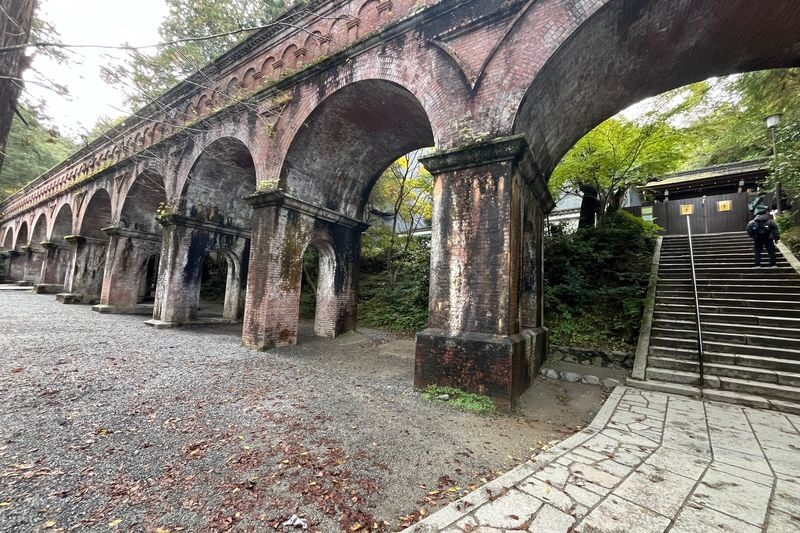
- The Suirokaku Aqueduct: engineering in a temple setting
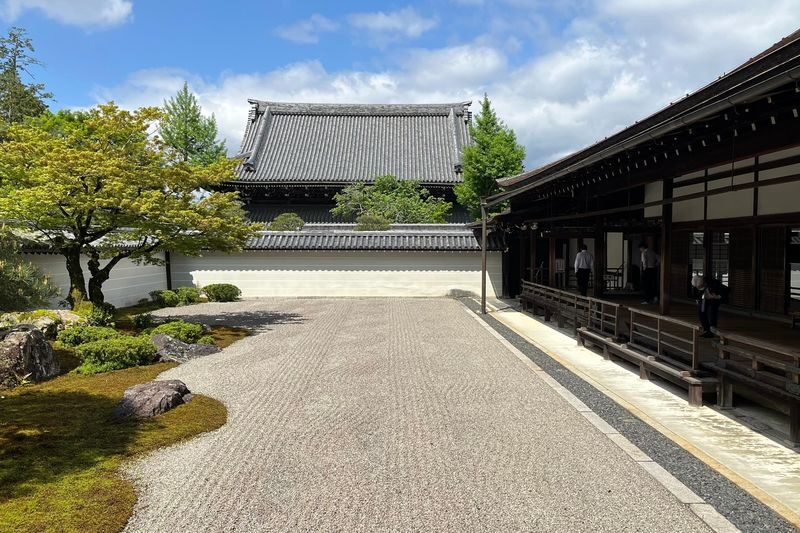
- Nanzen-ji: a quiet pause at a major Zen temple
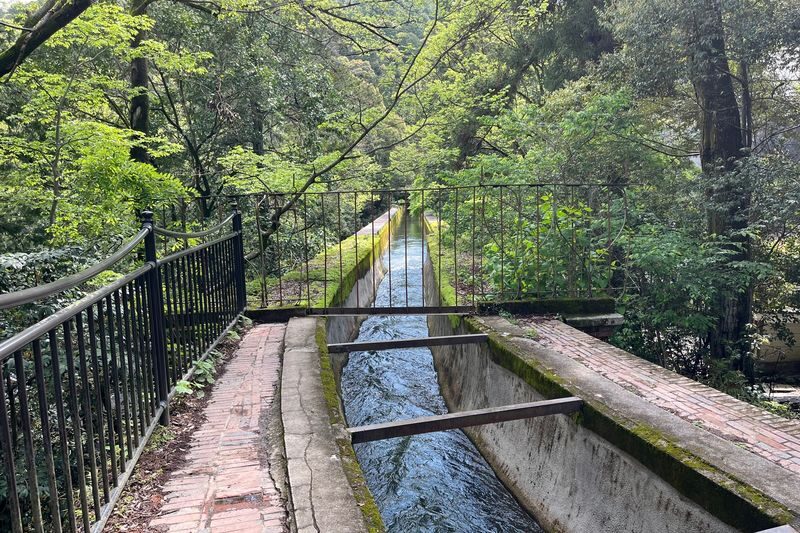
- The Philosopher’s Path: a scenic link between temples
- Ginkaku-ji: a thoughtful finish at the Silver Pavilion
- Is four hours enough?
- What the price includes, and what to confirm
- Who should book this walk?
- FAQ
- How long is the tour?
- Where does the tour start?
- Where does the tour finish?
- Which places are included on the route?
- Is the tour private?
- Are admission fees included?
- What is the tour’s starting price?
- Is there an age limit?
- The Best Of Kyoto!
- More Guided Tours in Kyoto
- More Tours in Kyoto
- More Tour Reviews in Kyoto
- Not for you? Here's more nearby things to do in Kyoto we have reviewed
What makes this Kyoto walk worthwhile
 1 / 8
 2 / 8
 3 / 8
 4 / 8
 5 / 8
 6 / 8
 7 / 8
 8 / 8
- Suirokaku Aqueduct: See a distinctive 19th-century structure where Western engineering meets a natural setting.
- Nanzen-ji: Visit a major Zen temple dating to the 13th century, with a peaceful garden.
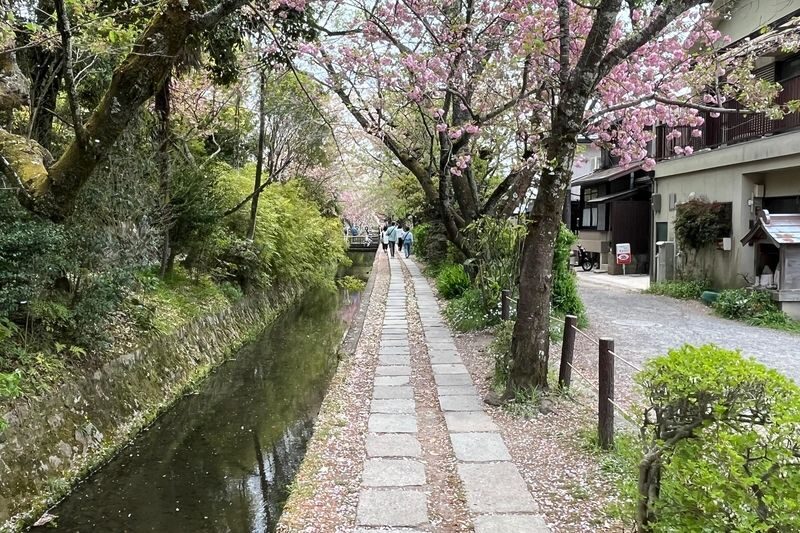
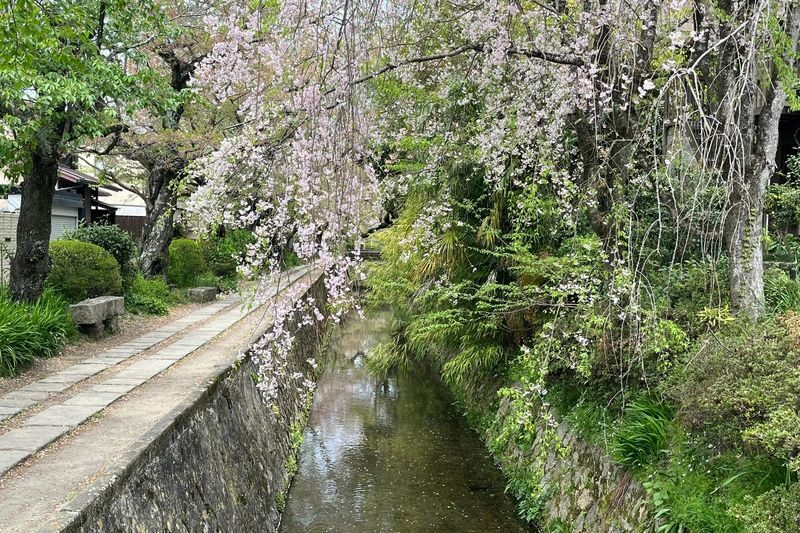
- Philosopher’s Path: Follow the route associated with philosopher Kitarô Nishida, especially appealing in cherry blossom season.
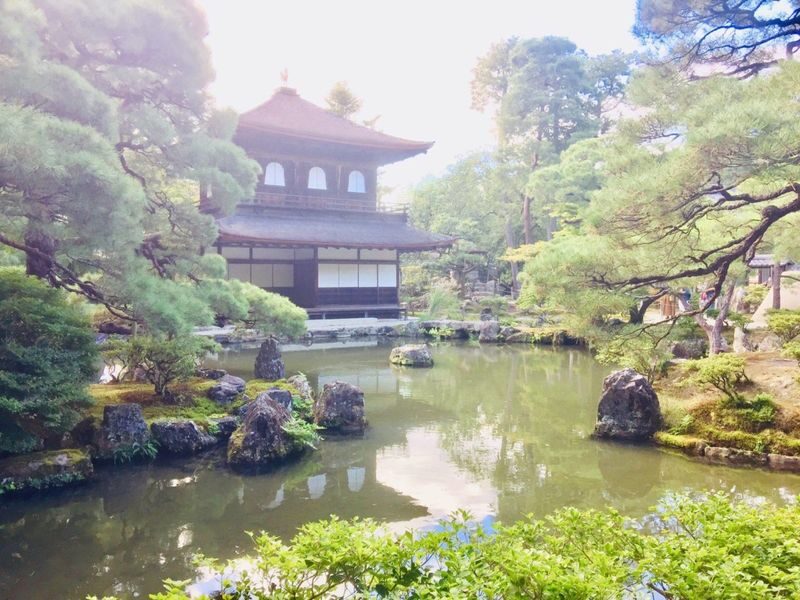
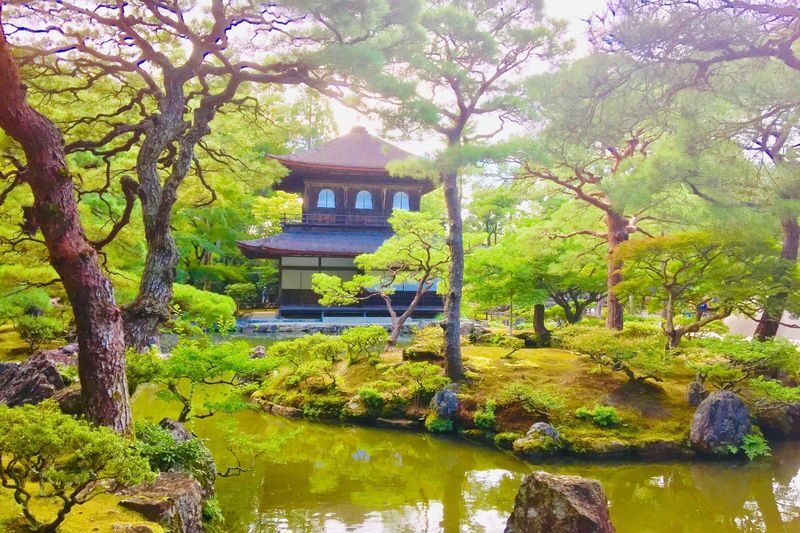
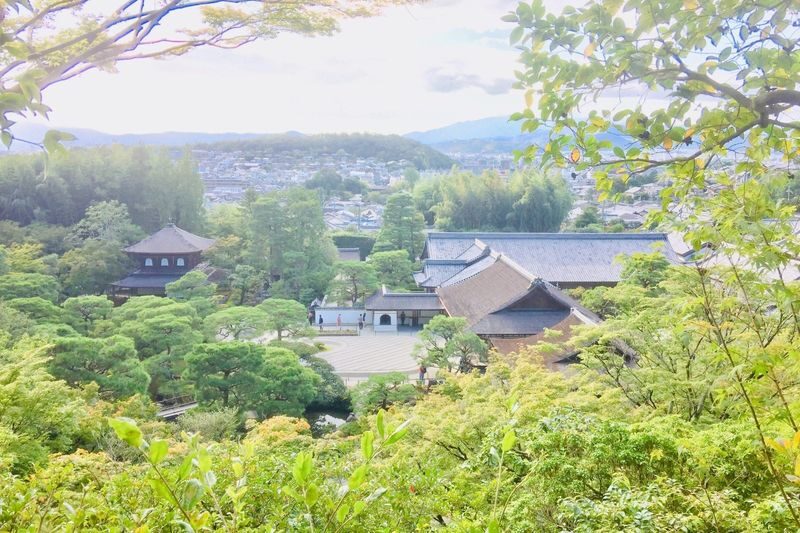
- Ginkaku-ji: End at a refined 15th-century Zen temple known for its architecture, garden, simplicity, and views over Kyoto.
- Four hours on foot: The tour runs from Keage Station to Ginkaku-ji Sando, so plan for a one-way walk rather than a loop.
- Private guided format: The guide accompanies your group, but the available details do not specify group size or guide names.

👉 See our pick of the 25 Best Workshops And Classes In Kyoto
A route that links Kyoto’s old and newer stories
This tour works because it is not simply a temple visit with a quick walk tacked on. It traces a line through eastern Kyoto, connecting a 19th-century civil engineering landmark with older Buddhist sites and a path long associated with reflection. You get variety without spending half a day switching between distant attractions.
The walk begins at Keage Station, Exit 1, in Higashiyama Ward, and ends near Ginkaku-ji. The scheduled window is 9:00 a.m. to 1:00 p.m., giving you four hours with a guide. Since the route is one-way, it suits a day when you want to explore this part of Kyoto rather than return to your starting point with the tour.
A private guide is useful on a route like this because the interest is not only in what you see, but in how the places fit together. The aqueduct reflects Japan’s modernization, while Nanzen-ji and Ginkaku-ji offer different encounters with Zen temple design and gardens. The guide’s explanations can help turn a pleasant walk into a more informed one.
You can also read our reviews of more guided tours in Kyoto
The Suirokaku Aqueduct: engineering in a temple setting
The Suirokaku Aqueduct is an unusual opening stop. Built in the 19th century, it represents a period of modernization and brings Western engineering into a setting better known for temples and gardens. Its brick structure gives you a different kind of visual interest from the wooden halls and landscaped grounds farther along the route.
That contrast is part of the stop’s value. Kyoto’s story is not only one of ancient temples. The aqueduct offers a glimpse of a later chapter, when new technologies and infrastructure became part of the city’s life. You can look at the structure itself while considering how it sits among the surrounding natural features.
The available tour information does not give a set amount of time at the aqueduct, so expect it to be one stop within a four-hour walk rather than a long, stand-alone visit. If you are especially interested in architecture or engineering, it is worth asking your guide how the aqueduct fits into the route and the city’s history.
Nanzen-ji: a quiet pause at a major Zen temple
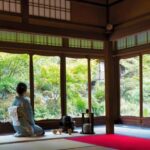
From the aqueduct, the tour continues to Nanzen-ji, a major Buddhist temple dating to the 13th century. The temple is known for its Zen garden, making this a chance to slow down after the more structural opening stop. Gardens are not just scenery here: they offer a way to notice space, order, and the deliberate simplicity associated with Zen design.
Nanzen-ji is an important stop for anyone who wants more than a photograph of a famous building. A guide can help you pay attention to the setting and explain why the temple matters, rather than leaving you to wander without context. The tour description emphasizes the peaceful garden, so this is likely to be one of the quieter parts of the walk.
The trade-off is that a half-day itinerary has a pace to keep. You should not assume that the tour includes a long period for independent exploration at every site. If you like to linger in temple gardens, ask how much time is planned at Nanzen-ji and whether there will be room to pause.
The Philosopher’s Path: a scenic link between temples
The Philosopher’s Path connects Nanzen-ji with Ginkaku-ji, giving the tour a natural transition between two substantial temple visits. It is associated with Kitarô Nishida, a philosopher who once walked the route. That connection lends the path a reflective character, though you do not need to know his work to appreciate the quieter pace of walking between the stops.
The path is especially noted for cherry blossom season. If your visit falls then, the setting can become a highlight in its own right. The tour does not guarantee blossoms, of course, and the season varies from year to year. At other times, the path still offers a change of pace from temple grounds and a chance to take in the area on foot.
A walk is also a practical way to experience this part of Kyoto. You see the spaces between major sights instead of treating the city as a set of isolated points. Keep in mind that this is a walking tour, so comfortable footwear is sensible. The supplied details do not state the route’s distance or terrain, so ask ahead if you need a specific assessment of the walk.
Ginkaku-ji: a thoughtful finish at the Silver Pavilion
The tour ends at Ginkaku-ji, often called the Silver Pavilion. This 15th-century Zen temple is valued for its restrained architecture, garden, and views over Kyoto. Its appeal is not just a grand building or a single dramatic feature. The experience lies in the relationship between the temple, its carefully arranged surroundings, and the wider city.
A recent account of the tour singled out the guide’s command of the subject and the beauty of Ginkaku-ji. Those are exactly the qualities that can make this route rewarding: a guide who helps you read what you are seeing, followed by a final stop with enough character to hold your attention. No guide names are provided, so you cannot choose a specific person in advance.
The endpoint is Ginkaku-ji Sando in Sakyo Ward, close to the temple. That makes the finish convenient if you want to continue exploring the area after the guided walk. The tour itself ends there, however, and does not describe transport back to Keage Station.
You can also read our reviews of more private tours in Kyoto



Is four hours enough?
Four hours gives the route a clear shape: start at Keage Station, visit the aqueduct and Nanzen-ji, walk the Philosopher’s Path, and finish at Ginkaku-ji. It is enough time to connect the main sights with a guide, but it is still a half-day format. If you want an unhurried visit at every stop, or time for a separate meal and extended wandering, you may want to leave the rest of the day open.
The schedule may change with weather and traffic conditions. Since this is a walking tour, weather can affect how comfortable the route feels, especially on a day when you would rather spend less time outdoors. Check the forecast and dress for the conditions. The tour has no age limit, but the details do not specify accessibility arrangements or the amount of walking, so ask the provider if those factors matter to your group.
Arrive at Keage Station, Exit 1, five minutes before your selected departure time. The listed departure is 9:00 a.m., with a return around 1:00 p.m. The exact meeting and return times are confirmed after booking, and the mobile voucher is used for entry.
What the price includes, and what to confirm
The tour’s advertised starting price is US$242.29, while the specific four-hour guide-service package is shown from US$302.85. Prices can vary by package or booking details, but the information provided does not explain the difference. Treat the lower amount as a starting figure, not a guaranteed final price for your selection.
There is also a difference in the admission information. The general inclusions list says admission to attractions is included, while the package details identify the four-hour option as guide service only. Before booking, confirm whether entrance fees are covered in the exact package you are choosing. This matters because the distinction can change the real cost of the outing.
As a private guided walk, the price is best judged against what you value. You are paying for a guide and a planned route through several connected sites, not just a ticket to Ginkaku-ji. That can be worthwhile if you want context and help linking the aqueduct, temple, and path. If you mainly want to visit the Silver Pavilion independently, a guided half-day may be more than you need.
Who should book this walk?
I would consider this tour if you want a compact introduction to eastern Kyoto and prefer to understand the places you visit rather than simply move between them. It should suit visitors with a half-day to spare, people drawn to Zen gardens and temple architecture, and anyone who likes a scenic walk with a clear endpoint.
It is also a good fit if cherry blossom season is part of your plan, since the Philosopher’s Path is especially known for that time of year. Just remember that seasonal conditions cannot be guaranteed. Outside blossom season, the route still combines several distinct places and periods.
You may prefer a different plan if you want a slow, open-ended day at one temple, do not want to walk, or need certainty about what admission costs before committing. The tour has no age limit, but that does not answer questions about mobility or route difficulty. Get those details directly from the provider if they are important to you.
Half-Day Private Guided Tour to the Silver Pavilion in Kyoto
“Nice tour, the guide was quite knowledgeable, and Ginkakuji was truly beautiful. I recommend it to anyone visiting Kyoto who wants to see a great t…”
FAQ
How long is the tour?
It lasts four hours. The listed schedule is 9:00 a.m. to 1:00 p.m., though exact times are confirmed after booking.
Where does the tour start?
It starts at Keage Station, Exit 1, in Higashiyama Ward, Kyoto. Arrive five minutes before your scheduled departure.
Where does the tour finish?
It ends at Ginkaku-ji Sando, near Ginkaku-ji in Sakyo Ward.
Which places are included on the route?
The route includes the Suirokaku Aqueduct, Nanzen-ji, the Philosopher’s Path, and Ginkaku-ji.
Is the tour private?
The experience is described as a private guided tour. The available details do not state the group-size limit.
Are admission fees included?
The general inclusions list says attraction admission is included, but the specific four-hour package is described as guide service only. Confirm the admission terms for your chosen package before booking.
What is the tour’s starting price?
A starting price of US$242.29 is given, while the four-hour guide-service package is listed from US$302.85. Confirm the final price for your selection.
Is there an age limit?
No. The tour information states that the activity has no age limit.