Hiroshima’s story comes into focus when you see its quiet garden, former castle grounds, and Peace Memorial Park in one morning. This half-day tour links the city’s growth from a castle town to its role as a symbol of peace, with an English-speaking guide to connect the places.
I like the contrast between Shukkei-en’s careful garden design and the weight of the Peace Memorial Park. I also like that you fold an origami crane and make an offering at the Children’s Peace Monument, a small, personal act within a much larger history.
One thing to weigh: this is a walking-heavy outing, not a sightseeing bus ride. A recent tour account described walking between sites and using public transport for the return, so wear good shoes and be ready for a full morning on your feet.
- Key points before you book
- A half-day that links three chapters of Hiroshima
- Shukkei-en: a garden shaped across centuries
- Hiroshima Castle grounds: reading the city before the bomb
- Peace Memorial Park: monuments, cranes, and a difficult history
- What the guide adds
- Walking, transport, and the pace of the morning
- Is the price worthwhile?
- Who should book this Hiroshima tour?
- FAQ
- Where does the tour meet?
- What time does the morning tour start and return?
- Is there an afternoon departure?
- What is included in the price?
- Do I need to bring paper for the crane activity?
- What should I wear or bring?
- Are children allowed on the tour?
- The Best Of Hiroshima!
- More Half-Day in Hiroshima
- More Tours in Hiroshima
- More Tour Reviews in Hiroshima
- Not for you? Here's more nearby things to do in Hiroshima we have reviewed
Key points before you book
 1 / 6
 2 / 6
 3 / 6
 4 / 6
 5 / 6
 6 / 6
- Shukkei-en opens the tour with a look at an Edo-period garden and the changes it has seen over time.
- Hiroshima Castle grounds put the city’s early development in context, including its place in the Chugoku region.
- The Peace Memorial Park visit includes major monuments and the Peace Memorial Museum, a demanding but important part of the morning.
- You’ll learn to fold a paper crane and offer it at the Children’s Peace Monument, with paper supplied.
- The group experience can be personal: one account describes a solo guest whose tour went ahead, while another recommends the outing for small groups.
- Plan for walking and weather: Hiroshima summers are hot and humid, and winter mornings can be cold.

👉 See our pick of the 3 Best Workshops And Classes In Hiroshima
A half-day that links three chapters of Hiroshima
The tour is designed to tell a connected story rather than treat Hiroshima’s main sights as isolated stops. You begin with a garden, move to the grounds of a castle, then spend the most time with the city’s atomic-bomb legacy at Peace Memorial Park and the museum.
That arc matters. The garden and castle help explain Hiroshima before 1945, while the park and museum show what happened to the city and how it chose to remember. With a guide to explain the shift from one chapter to the next, you can use a short visit to get a stronger sense of the city’s history.
The morning departure starts at 9:00 at Hiroshima Station and is scheduled to return there at 13:10. A 14:30 departure is also offered, but the detailed stop-by-stop schedule provided is for the morning tour, so check what applies to your selected time before booking.
You can also read our reviews of more tours and experiences in Hiroshima


Shukkei-en: a garden shaped across centuries
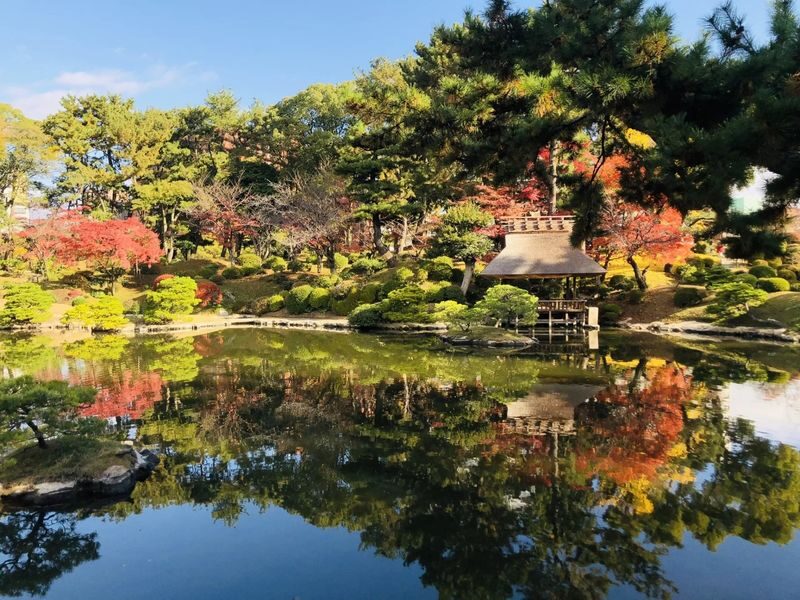
Shukkei-en is a gentle place to begin. Its paths and garden views offer a change of pace from the station area, and the guide explains not only what you see but how the garden has changed since the Edo Period. That historical perspective is more useful than a quick walk through a pretty setting: it helps you notice the garden as part of a changing city, not a scene frozen in time.
You’ll have time to stroll with the guide, so this is not simply a photo stop. Still, the schedule is compact. If you want to linger over every corner or sit for a long while, you may find the guided visit brief. The value is in getting an introduction and a bit of context before moving on.
The tour starts at Hiroshima Station, while Shukkei-en is the first major stop. The supplied schedule does not spell out every transfer, and the tour uses public transportation, so expect some movement between locations as well as walking. A participant on a recent outing described walking between the main sights, with public transport used for the return. Don’t book expecting a vehicle to carry you from door to door.
Hiroshima Castle grounds: reading the city before the bomb
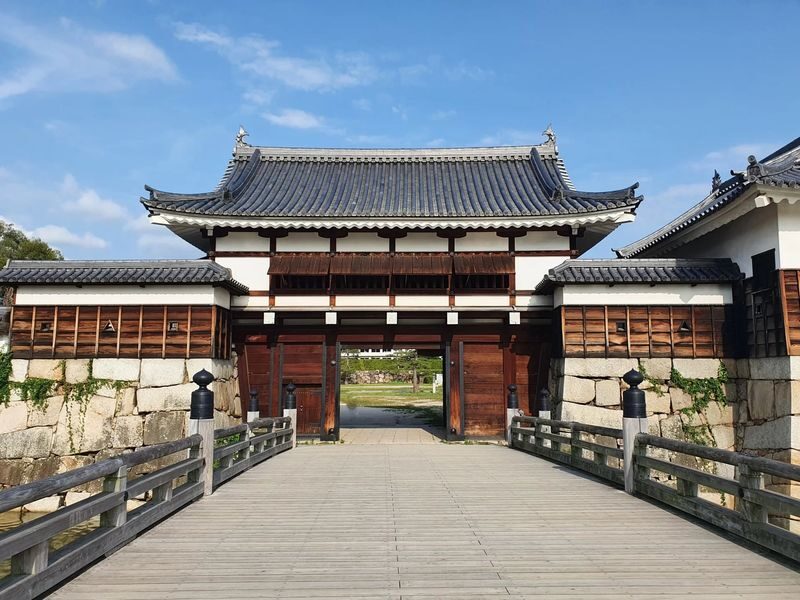
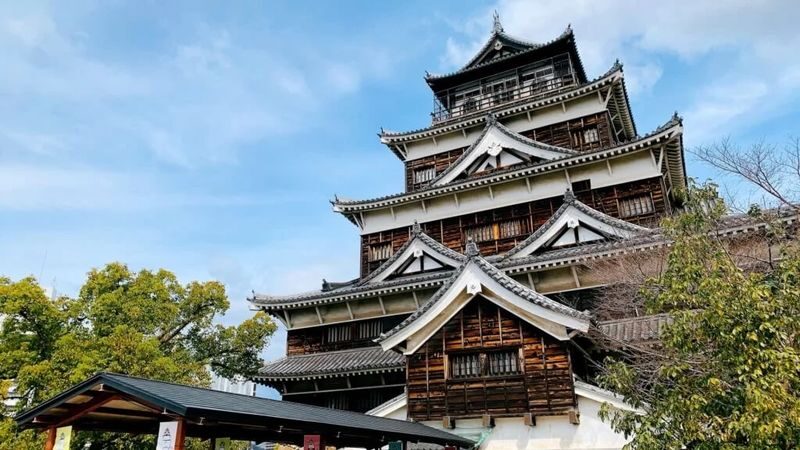
The next stop is Hiroshima Castle, described in the schedule as a visit to the castle grounds and ruins. Your guide points out key locations and explains their purpose and significance, tying the site to Hiroshima’s beginnings as a castle town during the Sengoku Period and its later development.
That context gives the visit a clear purpose. The castle is not just a scenic pause between the garden and the memorials: it helps explain why Hiroshima became an important city in the Chugoku region. You’ll see the site through its role in the city’s growth, rather than as a stand-alone landmark.
The schedule allows about 50 minutes from the garden stop to the castle visit, but it does not promise a long independent exploration. If you’re especially interested in the castle, you may want extra time on another day. Here, the guide’s explanations are the main draw, and the stop works best as a concise introduction.
Peace Memorial Park: monuments, cranes, and a difficult history
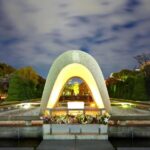
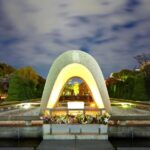
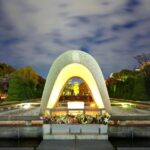
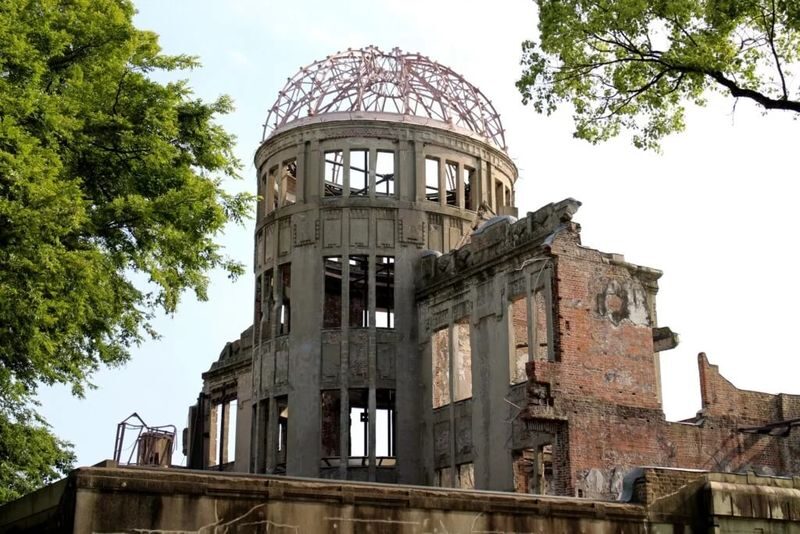
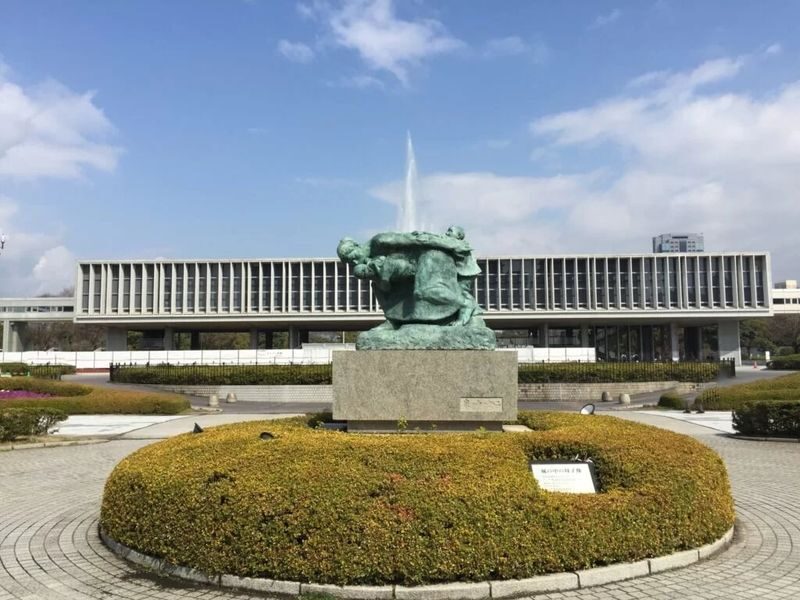
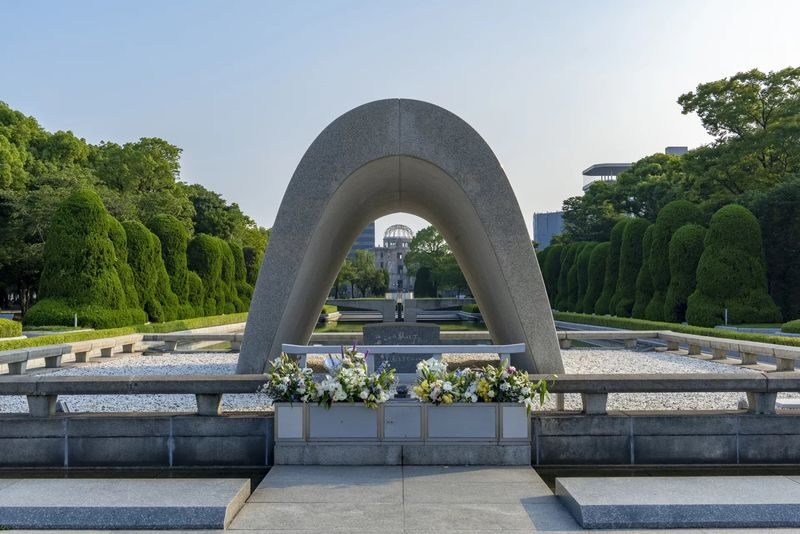
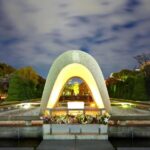
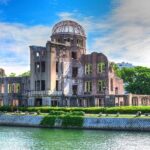
The emotional center of the tour is Peace Memorial Park. Here you visit significant monuments, including the Atomic Bomb Dome, the Children’s Peace Monument, and the Cenotaph for the Victims of the Atomic Bomb. The guide helps connect these memorials to Hiroshima’s history and to the city’s present identity as a symbol of peace.
The paper-crane activity adds a personal gesture to the visit. You’ll learn how to fold an origami crane, then make an offering at the Children’s Peace Monument. Paper is included, so you do not need to bring supplies. It’s a simple activity, but it gives you a moment to participate rather than only look and listen.
The tour then takes you to the Peace Memorial Museum. Give this stop the attention it deserves. The museum asks you to face the realities of nuclear warfare and the lasting legacy of the bombing, so it can feel heavy after the park’s open spaces and monuments. That seriousness is part of the reason the tour is worthwhile, but it may not suit anyone hoping for a light sightseeing morning.
The itinerary places the park and museum together from about 11:00, with the return to Hiroshima Station scheduled for 13:10. The timing means the museum visit is part of a guided half-day, not an open-ended museum day. If you want to read every display carefully or spend longer with particular exhibits, consider returning independently.
What the guide adds
A strong guide is especially valuable on this route. The stops are meaningful, but their significance is not always obvious from the monuments or grounds alone. A good explanation helps you understand how Hiroshima developed, what the sites represent, and how the city’s past and present sit side by side.
Guides have included Subaru, whose clear communication and friendly, easygoing manner have been singled out. Another guest described receiving thorough explanations from a considerate guide during a solo tour. These details suggest a tour where the guide can make the experience feel personal, though a particular guide is not guaranteed.
The group may be small, and the tour has proceeded even when only one person was booked. That can make for a more direct experience with the guide, but group size can vary. If a small-group atmosphere matters to you, it is worth checking the expected group arrangements when you book.


Walking, transport, and the pace of the morning
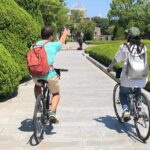
The tour uses public transportation, and transport is included. At the same time, be ready to walk between sights. One account of the route describes walking to the destinations and taking public transport for the return journey. The practical takeaway is simple: this is not a ride-heavy tour, and the transport inclusion should not lead you to assume every leg is by vehicle.
Wear comfortable walking shoes. The morning has several stops, and the museum and park involve time on your feet. Luggage storage and delivery are not provided, so arrive without bags you cannot comfortably carry.
Weather also matters. Hiroshima summers can reach 32°C (90°F) and higher, with extreme humidity. Wear light, airy clothing, protect yourself from the sun, and bring water; a parasol and sunblock are recommended. In winter, average temperatures are around 1°C to 10°C (34°F to 50°F), so dress warmly and choose shoes suited to cold conditions. Rain is possible, so check the forecast and bring an umbrella or raincoat if needed.
Is the price worthwhile?
The supplied price details differ: the summary shows a starting price of US$87.85, while both listed departure options show US$107.85. Check the price for your date and departure before booking. The tour includes attraction admission, an English-speaking guide, transport, and paper for the crane activity.
For value, consider what you are paying for: a guide who links several important sites, admission, and a structured route that covers the garden, castle grounds, park, and museum in roughly four hours. If you have little time in Hiroshima and want an informed overview, that can be a useful way to organize a complicated and emotionally weighty morning.
The value is less clear if you prefer to move at your own pace or expect transport between every stop. The experience is largely about the guide’s explanations and the walking route, not a private vehicle or lengthy time at each attraction. A family may want to think carefully about the physical activity and the museum’s serious subject matter. Children aged 0 to 5 are free, but infants and children must still be included in the passenger headcount; ages 13 and up are charged the adult rate.
The provider is Snow Monkey Resorts. The tour has a strong overall provider rating, though the specific tour has only a small number of ratings, so treat that score as a useful signal rather than a guarantee of what your particular departure will be like.
Who should book this Hiroshima tour?
I’d choose this tour if you have a half-day in the city and want more than a list of photo stops. The garden and castle grounds give you useful context before the visit to Peace Memorial Park, and the crane offering adds a thoughtful, hands-on moment. It’s particularly suited to solo visitors, couples, and small groups who are comfortable walking and want a guide to help them make sense of the sites.
I’d skip it if your priority is a relaxed, low-effort outing, extensive time inside the museum, or a ride between every attraction. Families should consider the walking and the serious museum visit before booking. Also check the price for your chosen date, since the supplied figures differ, and confirm the details for the afternoon option if that is the time you need.
For a focused introduction to Hiroshima’s past and its peace memorials, the route makes sense. Just arrive ready to walk, listen, and give the final stops the time and attention they deserve.
Half-Day Hiroshima Highlights Tour
“Unfortunately, I am the lone member of the tour group. But the tour was scheduled correctly and didn't cancel for me. The guide is really kind and…”
FAQ
Where does the tour meet?
Meet at Hiroshima Station, under the Tourist Information sign outside the Shinkansen gates. The address is 2-37 Matsubara-cho, Minami-ku, Hiroshima City.
What time does the morning tour start and return?
The morning departure is scheduled for 9:00, with a return to Hiroshima Station at 13:10. The schedule may change because of traffic or weather.
Is there an afternoon departure?
Yes. A 14:30 departure is listed, but the detailed stop-by-stop schedule provided is for the 09:00 departure.
What is included in the price?
Admission to attractions, an English-speaking guide, transport, and origami paper for the crane activity are included. Hotel pickup and drop-off, accommodation, and personal expenses are not included.
Do I need to bring paper for the crane activity?
No. Origami paper is included, and you’ll learn to fold a paper crane and make an offering at the Children’s Peace Monument.
What should I wear or bring?
Wear walking shoes. Check the forecast and bring an umbrella or raincoat if needed. In summer, wear light clothing and bring water and sun protection. In winter, wear warm clothing and suitable footwear.
Are children allowed on the tour?
Yes. Children aged 0 to 5 are free, but infants and children must be included in the passenger headcount. Children aged 13 and over are charged the same rate as adults.