Tokoname’s pottery lanes and Arimatsu’s indigo workshops show two very different sides of Aichi’s craft culture in one day. You’ll see an old kiln, browse working pottery streets, then watch artisans make intricate tie-dyed cloth.
I like the balance between guided context and free time: the tour explains what you’re seeing, then gives you two hours to browse Tokoname at your own pace. I also like that the day brings you to Arimatsu for a live shibori demonstration, not just a walk past old buildings.
The main trade-off is the pace. You’ll cover three stops by bus, walk on uneven streets and stairs, and have a full day with no meals included. It suits you best if you’re comfortable on your feet and genuinely curious about traditional crafts.
- The details that make this day different
- A craft-focused day trip from Nagoya
- INAX Tile Museum: a kiln before the pottery lanes
- Tokoname Pottery Footpath: time to look, browse, and pause
- Arimatsu: watching shibori take shape
- The pace, transport, and practical trade-offs
- Is 2.95 good value?
- Who should book this tour?
- FAQ
- Where does the tour depart from?
- What time should I arrive?
- What time does the tour return?
- What is included in the price?
- Is lunch provided?
- How much walking is involved?
- Are children allowed on the tour?
- Can I cancel for a refund?
- More Tours in Aichi
- More Tour Reviews in Aichi
- Not for you? Here's more nearby things to do in Aichi we have reviewed
The details that make this day different
 1 / 8
 2 / 8
 3 / 8
 4 / 8
 5 / 8
 6 / 8
 7 / 8
 8 / 8
- Tokoname is one of Japan’s Six Ancient Kilns, with pottery traditions you can explore at a preserved kiln site and along the Pottery Footpath.
- The INAX Tile Museum includes a historic kiln, and your guide explains regional pottery methods during the visit.
- You get two hours to explore Tokoname independently, leaving room for shops, cafes, lunch, or a slower walk.
- Arimatsu is known for Arimatsu Shibori, a labor-intensive indigo tie-dye technique demonstrated by local artisans.
- Tokoname’s maneki-neko connection adds a playful note, and the town also appeared in the anime A Whisker Away.
- Transport, attraction admission, and an English-speaking guide are included, but meals and drinks are not.
A craft-focused day trip from Nagoya
This full-day outing is designed around making and material culture rather than big-name sights. From Nagoya, you travel first to Tokoname, a major pottery center, then to Arimatsu, where the local textile craft is shibori. The contrast gives the day its shape: clay, kilns, and pottery streets in the morning; indigo cloth and handwork in the afternoon.
The tour departs from Nagoya Station at 9:00 a.m. and is scheduled to return at 4:30 p.m. You ride by bus between the city and the two craft towns, with a guide accompanying you at the main stops. That matters because the value here is not only in seeing the objects. A guide can help explain the making process and local context, especially where shop or museum staff may not speak much English.
One recent trip included guide Kim and driver Iwasaki-san. Kim was described as attentive to an older passenger in strong heat, while Iwasaki-san drove smoothly enough to help a passenger prone to motion sickness feel comfortable. Those names are not guaranteed for your departure, but the experience highlights two practical strengths to look for in a day tour: clear interpretation and considerate pacing.
You can also read our reviews of more tours and experiences in Aichi.


INAX Tile Museum: a kiln before the pottery lanes
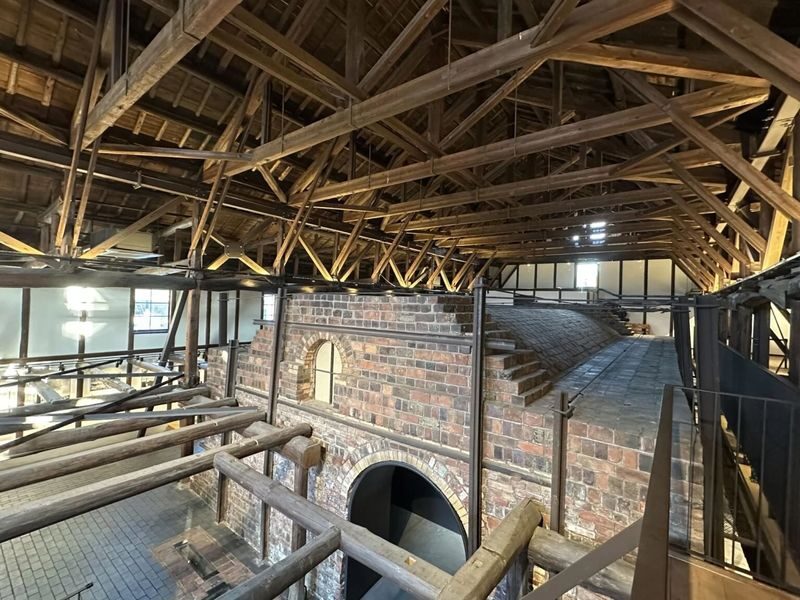
Your first stop is the INAX Tile Museum, reached after an approximately 50-minute bus ride from Nagoya. The visit lasts about an hour and includes a guided tour of a preserved kiln site that has been turned into a museum. Your guide explains the history and methods of pottery construction in the region.
This is a useful starting point because it gives you a frame for the rest of the morning. Instead of treating Tokoname as a pretty shopping street, you begin with the production story behind its ceramics. The museum also gives the day an indoor component, a welcome contrast to the walking that follows, though you should not expect a long museum visit: an hour is enough for an introduction, not an exhaustive study.
The wider Tokoname area is known for pottery and tile work, and the tour’s focus on a historic kiln makes the craft tangible. You get to consider the physical work behind the finished pieces: shaping, firing, and the use of kilns over time. The guide’s explanation is especially useful if you do not already know much about Japanese ceramics.
Tokoname Pottery Footpath: time to look, browse, and pause
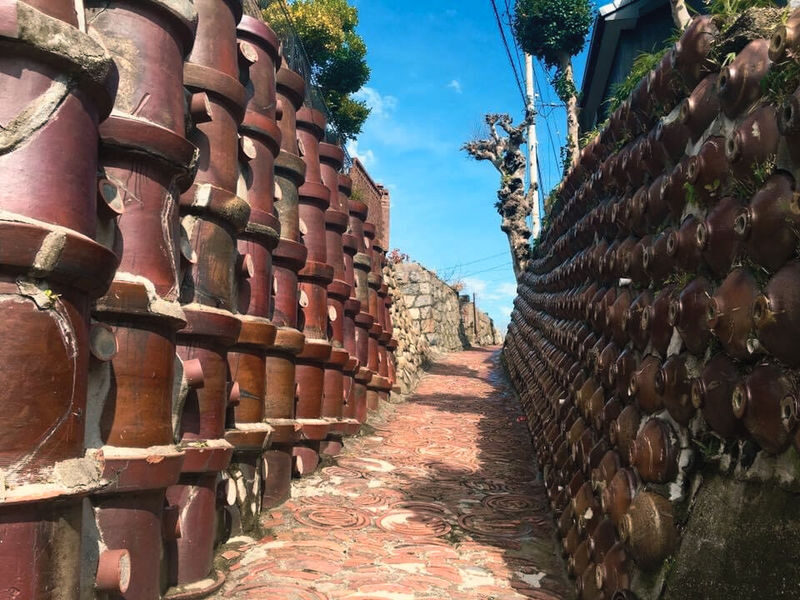
After the museum, you head to the Tokoname Pottery Footpath for a 45-minute guided walk. The route passes traditional homes, pottery workshops, shops, and cafes. Expect winding lanes and pottery details built into the town’s streetscape, including porcelain tiles and a historic kiln.
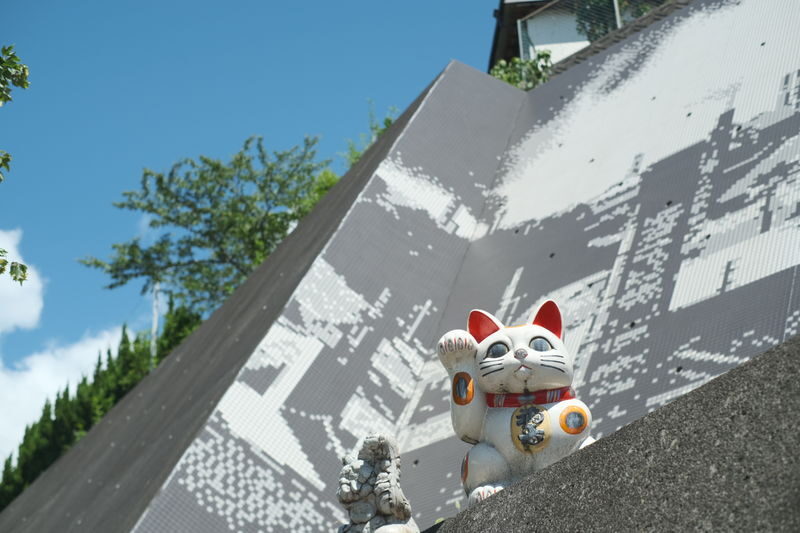
Tokoname is also Japan’s leading producer of maneki-neko, the familiar beckoning cat figurines. That gives the town a lighter, more whimsical side alongside its serious pottery heritage. The town’s appearance in the anime A Whisker Away may also be a fun extra for fans, though the main appeal is seeing how pottery remains part of the local character.
The guided walk is followed by two hours of free time. That is a generous stretch for a small town visit and gives you choices: look for a handmade piece, stop for lunch, visit a cafe, or take another pass through a lane that caught your eye. Your guide can offer suggestions and point out places worth a closer look, but you are not tied to a continuous group walk during this period.
That independence is valuable if you like browsing at your own speed. Pottery is a personal purchase, and two hours gives you more room to compare pieces than a quick stop would. On the other hand, meals and drinks are at your own expense, and the tour does not specify a set lunch venue. Bring cash and water, and decide whether you want to use the free time mainly for food, shopping, or exploring.
The path involves walking, and the tour notes stairs as part of the day. Wear comfortable walking shoes and be ready for weather exposure. In hot conditions, the walking may feel harder than the schedule suggests, so keep water close and take your free time at a sensible pace.
Arimatsu: watching shibori take shape
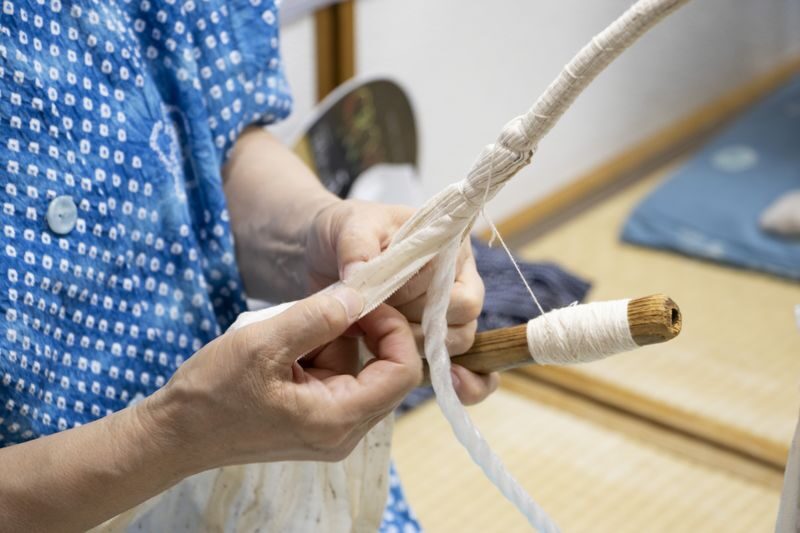
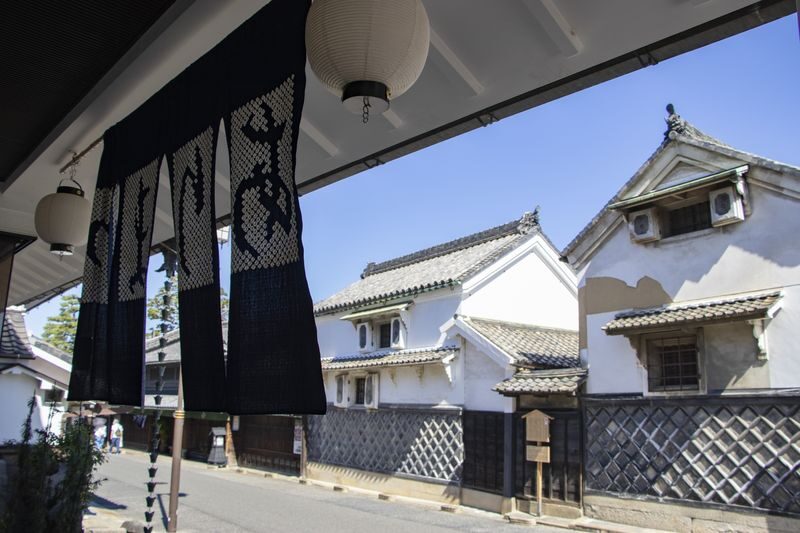
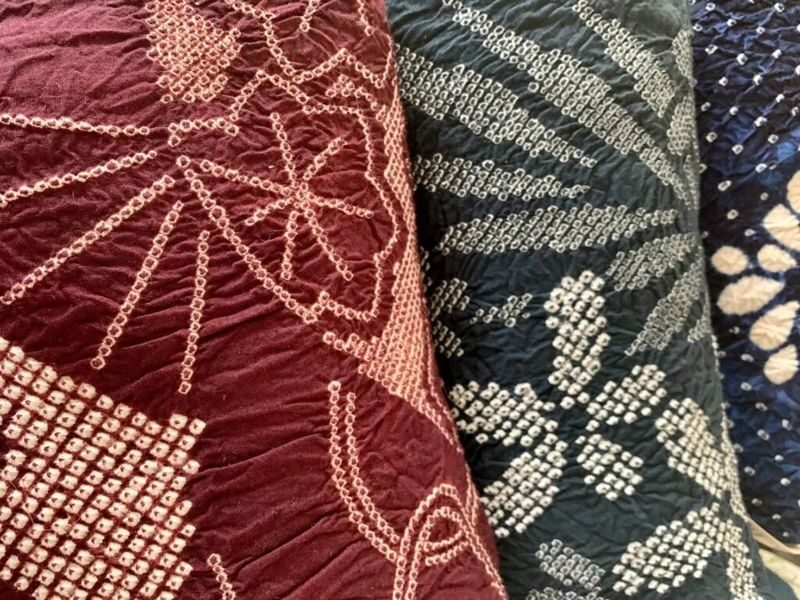
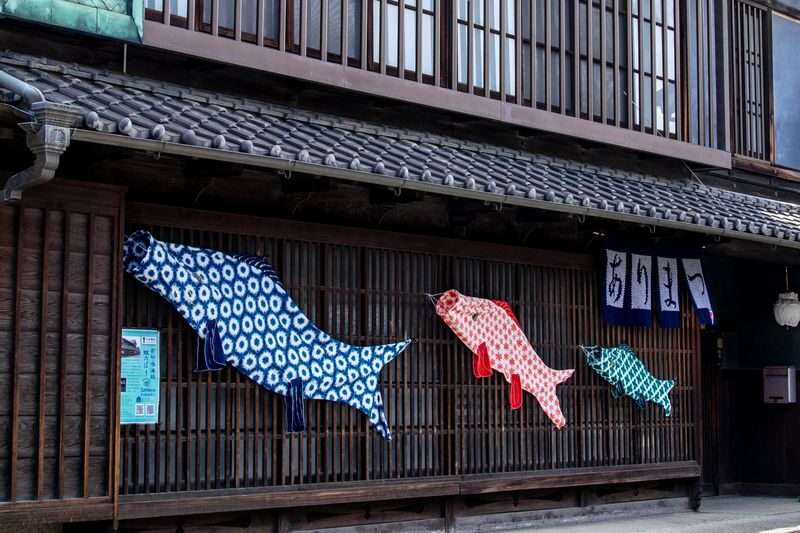
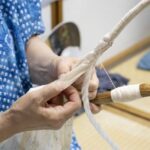
The bus ride from Tokoname to Arimatsu takes about 30 minutes. You spend around an hour and a half on a guided visit to this historic settlement, known for Arimatsu Shibori, a complex indigo-dyeing method. The central draw is a live demonstration by artisans who tie and dye cloth using techniques that require careful, labor-intensive work.
A demonstration helps you understand why shibori textiles can be so intricate. The patterns are not simply printed on: the fabric is prepared through deliberate tying and dyeing, and the method affects the final design. Watching the process gives you a better sense of the time and skill behind each piece than browsing finished textiles alone.
You’ll also have a chance to shop for handcrafted fabrics. These can make meaningful souvenirs because they connect directly to the local craft, though prices and product selection are not specified. If you are considering a purchase, look closely at the work and ask questions through your guide where needed. The tour includes the demonstration and guided visit, but purchases are personal expenses.
Arimatsu adds a different texture to the day. Tokoname is about ceramics, kilns, and objects shaped from earth; Arimatsu is about cloth, pattern, and repeated handwork. Seeing both in one day makes the trip more than a single-town excursion, while keeping the theme of traditional craftsmanship clear.
The pace, transport, and practical trade-offs
The tour uses a bus for the longer transfers: about 50 minutes from Nagoya to the first stop, 30 minutes between Tokoname and Arimatsu, and about 30 minutes back toward Nagoya after the afternoon visit. The scheduled return is 4:30 p.m., but traffic and weather can change the timetable. Do not plan a tight connection immediately afterward.
The day is structured, but not every minute is guided. You have guided visits at the museum, on the first Pottery Footpath walk, and in Arimatsu. Tokoname’s two-hour stretch is self-guided, giving you some breathing room between those organized sections. If you value a tour that handles transport and interpretation while leaving space for independent browsing, this format is a good fit.
There is considerable walking and some stairs, so this is not the right outing if you need a low-effort day. The heat can also be a factor. Wear walking shoes, dress for the forecast, and bring a water bottle. Cash is recommended, useful for personal spending during the free time, though the tour does not specify which businesses accept it.
The meeting point is the silver clock at Nagoya Station, outside the Shinkansen gates near the Taiko-Dori exit. Arrive 15 minutes early. Nagoya Station is large and can be confusing, so allow extra time to find the clock if you are coming from another part of the station. Look for the guide holding a Snow Monkey Resorts sign.
Is $182.95 good value?
At a starting price of $182.95, this is not a bargain bus ride, but the price covers transportation, admission to attractions, and an English-speaking guide for a full day. You are also visiting two craft destinations that would take more planning to connect independently, particularly if you want the context provided during the museum and shibori visits.
The clearest value is in the guided explanation and the logistics. The guide helps bridge language gaps in places where English may be limited, while the bus links Tokoname and Arimatsu without requiring you to work out each transfer. A recent outing was described as a small-group experience, but a fixed group size is not stated, so do not book on the assumption of a particular maximum.
You will need to budget separately for lunch, drinks, souvenirs, and other personal expenses. For a craft enthusiast, or for someone who wants a guided day away from central Nagoya, the included transport and demonstrations make the rate easier to justify. If your priority is simply a low-cost walk through one town, you could find the full-day package more than you need.
Who should book this tour?
I’d choose this tour if you like traditional crafts and want to see how two different materials shape local identity. It is especially suited to visitors staying in Nagoya who want a day trip without managing the transport themselves, and to anyone interested in pottery, Japanese textiles, or artisan shopping.
It may be less appealing if you want a slow, unstructured day, dislike walking, or would rather spend longer in one place. The schedule includes several transfers and fixed guided sections. Families should also note that infants and children must be included in the passenger count; children aged five and under are free, while those aged 13 and older pay the adult rate.
The day is strongest when you treat it as a lesson in craft, not a shopping tour. You can buy something in Tokoname or Arimatsu, but the lasting value is seeing the kiln and watching shibori work happen in front of you. Book if that combination sounds worthwhile, and make sure the walking and full-day pace suit you.
From Nagoya: Crafting Traditions in Tokoname and Arimatsu
“My guide Kim was very friendly and cheerful, and knowledgeable about the history of the places we visited. This is particular helpful because most…”
FAQ
Where does the tour depart from?
It departs from the silver clock at Nagoya Station, outside the Shinkansen gates near the Taiko-Dori exit. Look for a guide holding a Snow Monkey Resorts tour sign.
What time should I arrive?
The tour departs at 9:00 a.m. You are asked to arrive 15 minutes early, and arriving with extra time is sensible because Nagoya Station can be crowded.
What time does the tour return?
The scheduled return to Nagoya Station is 4:30 p.m. Traffic or weather may cause delays, so the end time is not guaranteed.
What is included in the price?
The price includes transport, admission to attractions, and an English-speaking guide. Accommodation, meals, beverages, and personal expenses are not included.
Is lunch provided?
No. Meals and beverages are not included. You have two hours of free time in Tokoname, which you can use to find lunch.
How much walking is involved?
The tour involves considerable walking and stairs. Wear walking shoes and make sure you are comfortable with an active day.
Are children allowed on the tour?
Yes. Infants and children must be included in the passenger headcount. Children aged 0 to 5 can join free, and children aged 13 or older are charged the adult rate.
Can I cancel for a refund?
You can receive a full refund if you cancel at least 24 hours before the activity date, using the destination’s local time. If extreme weather or another unforeseen event leads the operator to cancel, you can reschedule or request a full refund.