Kanazawa’s food is best understood one bite at a time: a crisp croquette at Omicho Market, a spoonful of gold-leaf ice cream, then perhaps sashimi at a neighborhood izakaya. This private, three-hour walk pairs you with a local host who can help make sense of menus and adapt the route to your tastes.
I like two things in particular: the personal approach, which gives you a chance to ask for history, food or neighborhood sights, and the mix of dishes, from market snacks to local comfort food. Hosts have also helped visitors find places they would not have picked alone, then offered useful suggestions for the rest of a Kanazawa stay.
The main consideration is that the route and dishes are not fixed. That flexibility is useful, but you should not book expecting every advertised specialty or stop to be guaranteed. The price starts at US$135.65, and transport between stops is not included.
- Five things to know before you go
- Kanazawa, tasted one stop at a time
- Omicho Market’s croquettes and seafood snacks
- Gold-leaf ice cream, curry and Hanton rice
- An izakaya stop for sashimi and a drink
- Food with a side of Kanazawa history
- What the three-hour walk feels like
- Is US5.65 good value?
- Who should book this food walk?
- Should you book it?
- FAQ
- How long is the Kanazawa food tour?
- How many tastings and drinks are included?
- Is the route fixed?
- Where does the tour meet?
- Are transport costs included?
- What is the group size?
- Can I cancel or change my booking?
- The Best Of Kanazawa!
- More Food Experiences in Kanazawa
- More Tours in Kanazawa
- More Tour Reviews in Kanazawa
- Not for you? Here's more nearby things to do in Kanazawa we have reviewed
Five things to know before you go
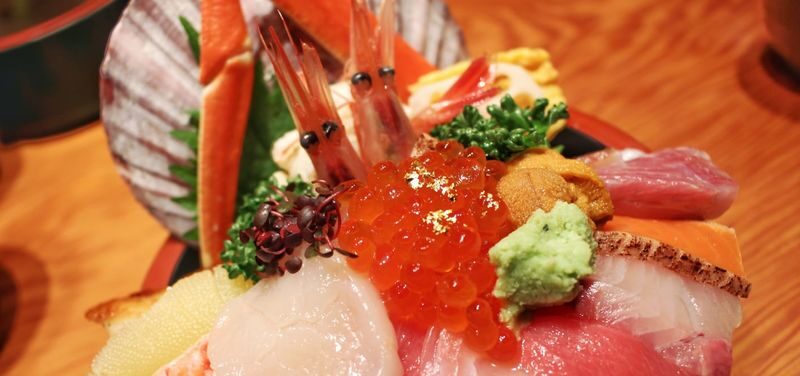

- Omicho Market is a likely food highlight: Try its namesake croquettes, and perhaps skewered squid, while your host explains what is on offer.
- Six to eight tastings make this more than a snack stop: Leave room for local dishes such as Kanazawa curry, Hanton rice or sashimi, depending on your route.
- Your host helps shape the walk: You receive a questionnaire after booking and can share food preferences, interests and must-see places.
- The walk can include more than food: Some routes have paired tastings with geisha-district walks, local history, cafés or cultural stops.
- Two drinks are included: Choose alcoholic or soft drinks. Extra transport costs and personal purchases are not included.

👉 See our pick of the 3 Best Workshops And Classes In Kanazawa
Kanazawa, tasted one stop at a time
Kanazawa’s position between the sea and the mountains helps explain its reputation for fresh produce. This tour uses food as a way into the city: you sample regional favorites while your host points out the districts and stories that might otherwise pass by unnoticed.
The format is deliberately flexible. After booking, you complete a short questionnaire about your interests, preferences and must-sees. Your host then contacts you to work out a route. You might want a food-first outing, or you may prefer to mix tastings with local history and a look at nearby neighborhoods.
That personal planning matters in a city where a dish’s name or appearance may not tell you much about what is inside. An English-speaking host can help decipher a menu, explain what makes a local specialty different, and suggest what to try next. If you have dietary preferences or foods you want to avoid, raise them before the day so the host can take them into account.
The tour is private, for a group of one to eight people. That gives you more room to ask questions and adjust the pace than you would have on a large group walk. It also means the experience is shaped around your party, rather than built around a fixed script.
You can also read our reviews of more tours and experiences in Kanazawa


Omicho Market’s croquettes and seafood snacks
Omicho Market is known as the Kitchen of Kanazawa, and it is a natural place to start a food walk. Its stalls give you a close-up view of the ingredients that help define the city’s cooking. Your host can guide you through the choices, so you are not left guessing which snacks are local favorites or how they are prepared.
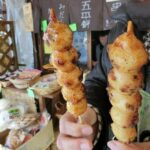
One signature bite is the Omicho croquette, a crisp, fried parcel filled with seafood or vegetables. Skewered squid is another possible snack. These are easy introductions to local flavors, and the small portions let you try more than one thing without committing to a full meal straight away.
The exact market stops depend on your host and your preferences. Think of the advertised dishes as a menu of possibilities, not a guaranteed checklist. That is part of the appeal: if you have already eaten squid or prefer vegetable snacks, you can talk through alternatives rather than follow a rigid route.
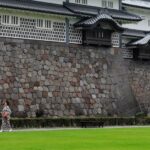
Market visits can also be a good chance to ask practical questions. Your host may point out foods you could seek out later, explain unfamiliar ingredients, or help you decide what is worth buying for a picnic. One possible route has included picking up sweets to eat in the castle grounds, though that should be treated as an example rather than a promise.
Gold-leaf ice cream, curry and Hanton rice
Kanazawa is known for gold leaf, and gold-leaf ice cream is one of its more playful local treats. It is a memorable stop and a distinctly Kanazawa photo, but the gold is part of the presentation, not the reason to expect a new flavor. I would treat it as a fun local specialty and save room for the dishes with more substance.
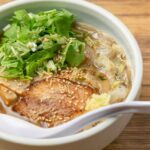
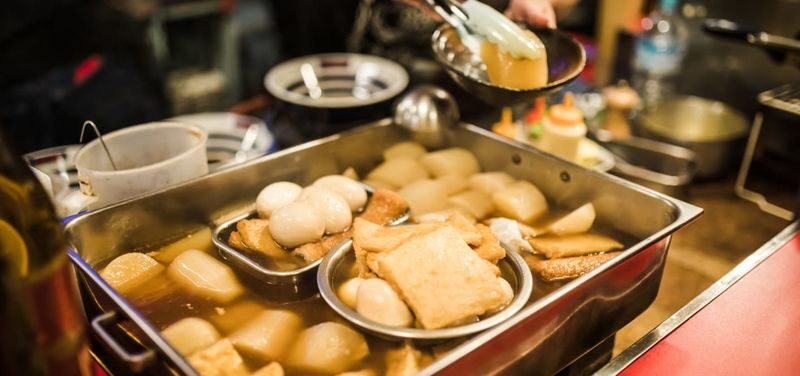
Kanazawa-style curry is a heartier option: a thick, rich sauce served with a pork cutlet. Hanton rice offers another filling choice, with fried rice covered by a soft omelet. Both are local comfort foods, and either could turn a series of tastings into a proper meal.
Since the tour includes six to eight food tastings, pacing is worth discussing. If you have a large dinner planned, let your host know that you would rather sample smaller portions. If you want this walk to replace a meal, say so as well. One route can be substantial enough that you may not want dinner afterward, but the final amount you eat depends on the stops and portions.
You may also encounter foods not named in the main examples. The point is not to race through a set list. It is to use your host’s local knowledge to choose dishes that suit your appetite and curiosity.
An izakaya stop for sashimi and a drink
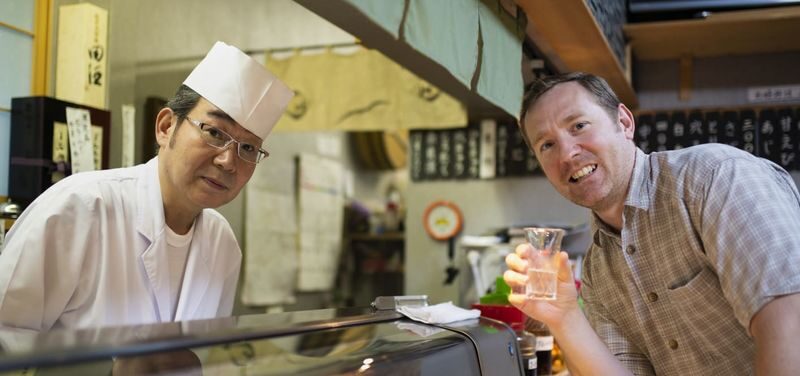
A neighborhood izakaya can bring the walk to a more relaxed finish. These casual Japanese dining spots are places to share food and drinks, and your host can help you navigate the menu. Fresh sashimi is one possible highlight, paired with a cold beer if that suits you.
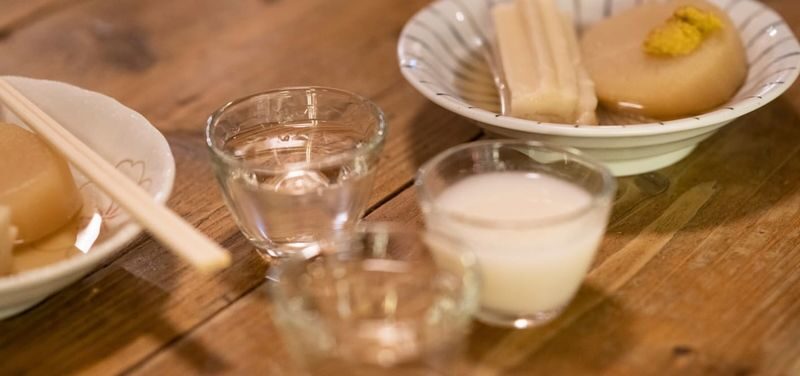
Two drinks are included in the tour, and they can be alcoholic or non-alcoholic. The description also suggests local craft gin or craft beer as possible end-of-tour tastings, but those should not be confused with the two included drinks or assumed to be part of every route. Ask your host what is planned and whether any additional purchase would be at your own expense.
This final stop is where a private host can be especially useful. You can ask about dishes you have not tried, learn what to look for on a menu later, and get recommendations for places to eat during the rest of your stay. The tour includes suggestions for other local foods and where to find them, so you leave with more than a full stomach.
Food with a side of Kanazawa history
This is not only a sequence of tastings. Depending on your interests, your host may take you through a foodie district or add sights and local history along the way. Previous routes have included walks through geisha districts, a café stop and explanations of the area’s past. Another has included a samurai-home visit and a first taste of matcha.
Those examples show what the customized format can do, but they are not guaranteed parts of every tour. If a geisha district, a particular landmark or a history-focused route matters to you, mention it in the questionnaire and confirm the plan with your host. Three hours is enough to combine food with some neighborhood context, but not to cover every major sight in Kanazawa.
The strongest version of this experience is likely to be the one that reflects your own interests. Some people want a market walk and a generous lunch. Others may care just as much about local customs, good photo spots or the stories behind a district. The host can help balance those aims, but it is useful to be clear about your priorities before the day.




What the three-hour walk feels like
The tour lasts three hours and is a walking experience. A private vehicle is not included, and public transport or local taxis may be used to get between stops. Any transport costs are extra, so ask your host about the likely route and fares once your plan is set.
The pace and order can shift with weather and traffic. Wear comfortable walking shoes and dress for the day’s conditions. The activity is listed as stroller- and wheelchair-accessible, but since it involves walking and may use public transport or taxis, it is sensible to discuss any mobility needs and preferred pace with your host in advance.
Departure times are offered across the day, from 09:00 through 17:00, with the available return time depending on your chosen start. The meeting location is flexible: you can suggest a hotel, apartment or another central spot, or ask the host to recommend somewhere convenient. The stated return point is the Kanazawa Station Information Center.
Arrive ten minutes early and keep an eye out for the host photo sent before the experience. Late arrivals and no-shows are not refundable. The tour can be canceled in extreme weather or due to unforeseen events, with the option to reschedule or request a refund.
Is US$135.65 good value?
At a starting price of US$135.65 for the three-hour walking tour, the value depends on how much you prize local guidance and a route made for your group. You receive an English-speaking host, six to eight suggested food tastings and two drinks. For a private group of up to eight, that is a different proposition from paying for a fixed group tour or buying snacks independently.
The price does not include transportation, extra food or drinks, personal expenses or tips. If your route uses a taxi or public transit, those costs add to the total. And because the dishes and venues depend on your host’s plan, you should not judge value by assuming that every named specialty will appear.
I think the best return comes from the conversation as much as the food. A host can help you find places you might not locate on your own, explain local dishes, and give you leads for meals after the tour. If you are comfortable exploring menus and markets by yourself, you may prefer to spend the money directly on food. If you want context, help choosing and a tailored introduction to the city, the private format has a clear advantage.
Who should book this food walk?
This tour suits first-time visitors who want a relaxed introduction to Kanazawa’s food and neighborhoods. It is also a good fit if you enjoy trying unfamiliar dishes but would rather have someone explain the menu and guide you through local places.
Families and mixed-age groups may appreciate the private format, since the route can be adjusted to the group. A host has adapted a tour for a party ranging from a young child to an older adult, including someone who could not walk long distances. That is encouraging, but it is still wise to discuss mobility and pacing needs before booking.
Food-focused visitors can use the walk to sample several specialties and gather ideas for later meals. People who are equally interested in history can ask for cultural context and sights along the way. On the other hand, if you need a guaranteed list of stops, a specific restaurant or a fixed culinary menu, this flexible tour may not be the right choice.
Should you book it?
Book this if you want a private introduction to Kanazawa through market snacks, local dishes and conversation with a host who can tailor the route. The most useful parts are the help with menus, the chance to try several kinds of food, and the local recommendations you can use after the three hours are over.
Skip it if you prefer to plan every stop yourself or want a fixed itinerary with confirmed venues. Before booking, decide whether you want food, history or a balance of both, then tell your host. That simple step gives the flexible format its best chance to deliver a walk that feels made for you.
Eat like a Local in Kanazawa
“Our guide Gucci was very knowledgeable and well spoken. The history she told us about Kanazawa was much appreciated. She took us to a make your own…”
FAQ
How long is the Kanazawa food tour?
The walking tour lasts three hours.
How many tastings and drinks are included?
The tour includes six to eight food tastings suggested by your host and two drinks. Drinks can be alcoholic or soft drinks.
Is the route fixed?
No. After booking, you complete a questionnaire about your interests and preferences, and your host contacts you to plan a suitable route. The stops and dishes can vary.
Where does the tour meet?
The meeting point is flexible. You can suggest your hotel, apartment or another central location, or ask your host to recommend a convenient place. The meeting details are confirmed after booking.
Are transport costs included?
No. This is a walking tour, and a private vehicle is not included. Public transport or local taxis may be used between stops, and those fares are extra.
What is the group size?
The private tour accepts groups of one to eight participants.
Can I cancel or change my booking?
You can receive a full refund if you cancel at least 24 hours before the activity date, using destination local time. Changes are allowed until 24 hours before the activity starts, subject to the stated booking restrictions.