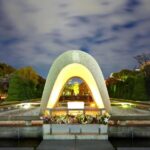
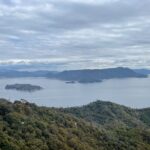
Miyajima’s great torii gate rises from the water beside Itsukushima Shrine, while Hiroshima’s Peace Memorial Park asks you to pause and remember what happened here. This tour links those very different places in one long day, with the ferry crossing and bus transfers taken care of.
I like that the tour pairs Miyajima’s island scenery and shrine with a guided visit to Hiroshima’s memorial park, and that you can add round-trip Shinkansen travel from Tokyo, Kyoto, or Osaka. Guides including Angeles, Alejandro, and Cesar are often praised for explaining the history clearly in English and Spanish.
The trade-off is time. You get a full schedule, but not unlimited time to wander, and admission to the Peace Memorial Museum is not included. If visiting the museum is a priority, plan ahead rather than assuming the tour covers its ticket or guarantees time inside.
- The day at a glance
- Start at Hiroshima Station, then head for Miyajima
- Cross the water to Miyajima
- Return by ferry and bus to Hiroshima
- Give Peace Memorial Park the time it deserves
- What the price covers, and what it does not
- Who will get the most from this tour
- Booking details to know before you go
- Should you book it?
- FAQ
- How long is the tour?
- Where is the Hiroshima meeting point?
- How early should I arrive?
- Can I start the tour in Tokyo, Kyoto, or Osaka?
- Is the Peace Memorial Museum ticket included?
- Is Itsukushima Shrine admission included?
- Are meals included?
- Is the tour guided in English and Spanish?
- Is the tour wheelchair-accessible?
- Can children join the tour?
- The Best Of Hiroshima!
- More Tours in Hiroshima
- More Tour Reviews in Hiroshima
- Not for you? Here's more nearby things to do in Hiroshima we have reviewed
The day at a glance
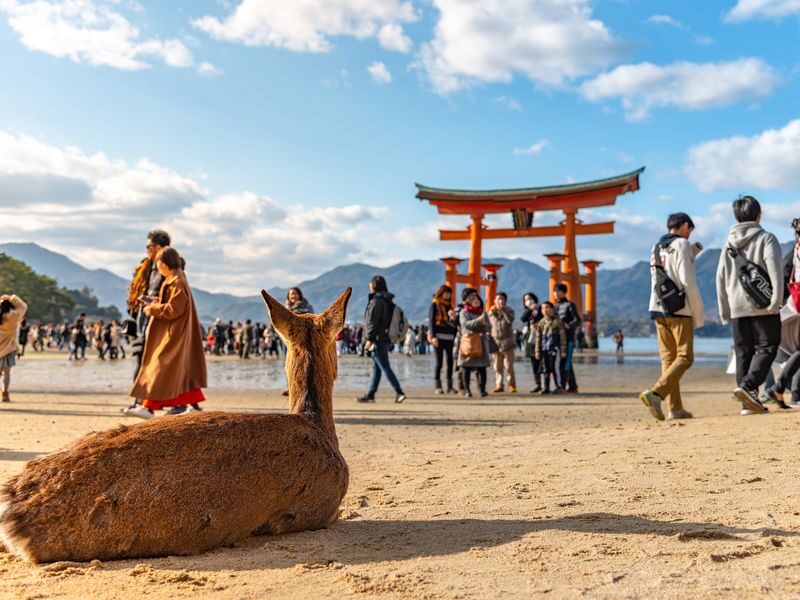
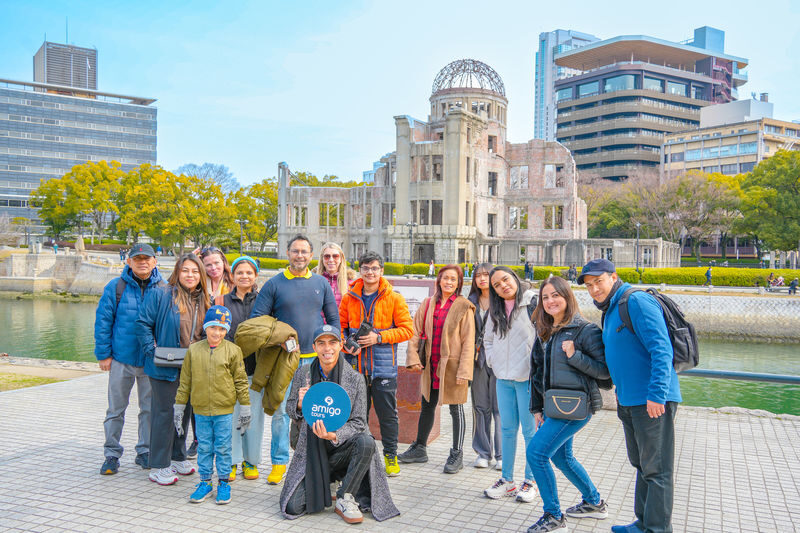
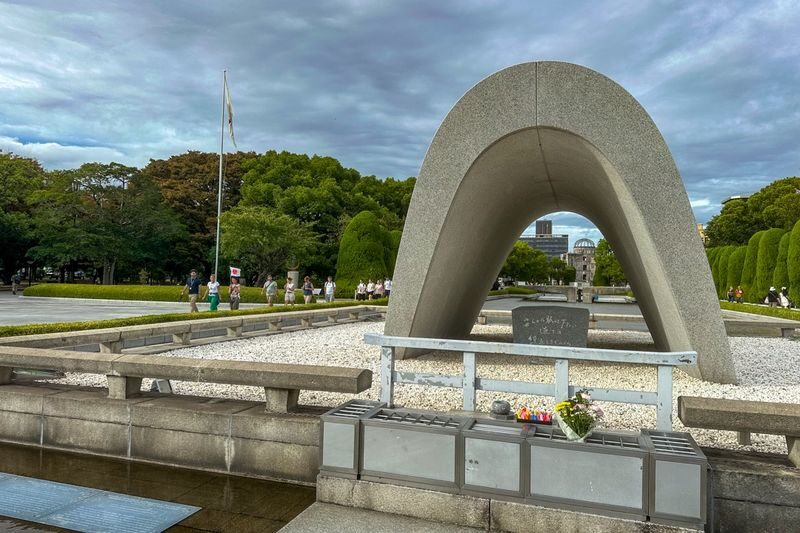
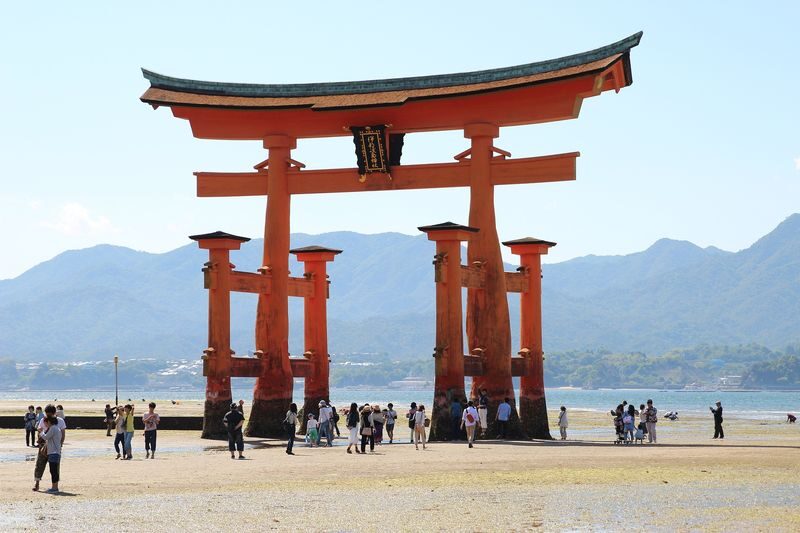
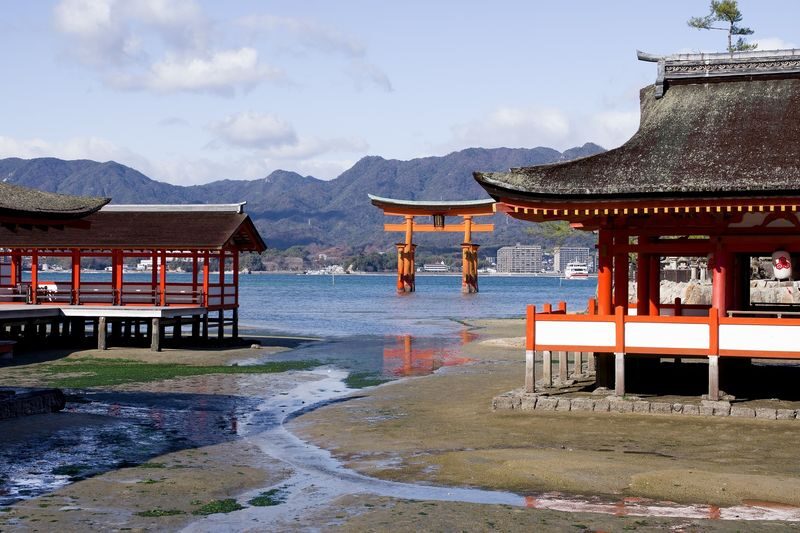
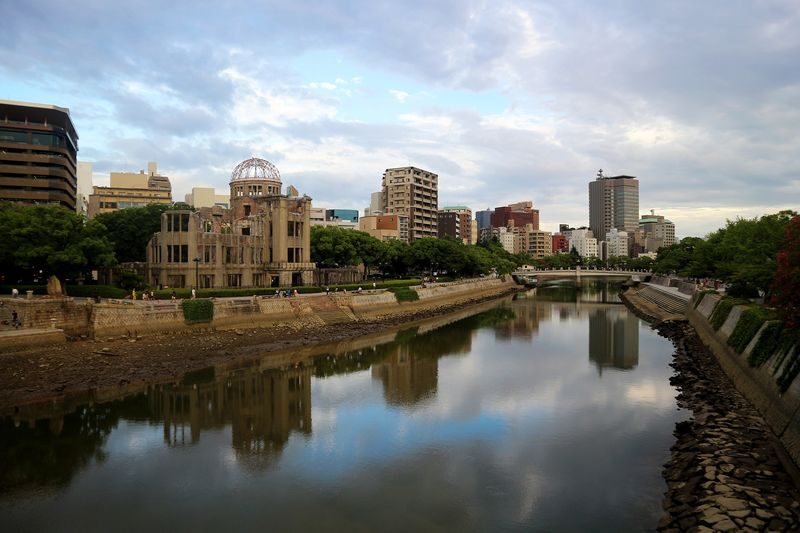
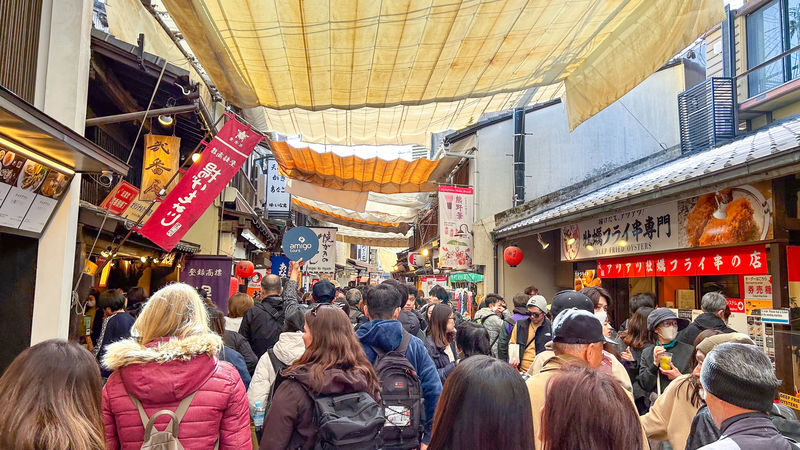
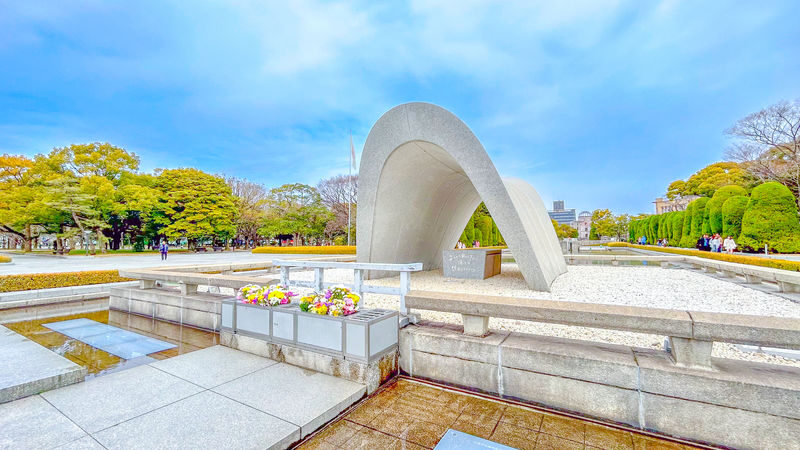
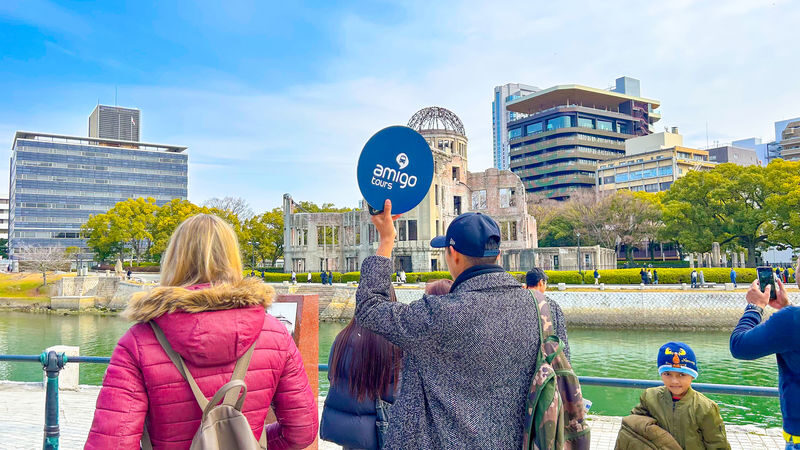
- Two essential Hiroshima-area stops: Visit Itsukushima Shrine on Miyajima and Hiroshima Peace Memorial Park in one organized day.
- A ferry crossing is part of the trip: The ride connects Miyajimaguchi with the island and gives you a brief view of the coast.
- Four starting options: Meet in Hiroshima, or choose a package with round-trip Shinkansen travel from Tokyo, Kyoto, or Osaka.
- Shrine admission is included, museum admission is not: Budget separately if you want to enter the Peace Memorial Museum.
- Guiding is bilingual: English and Spanish are offered, though the tour’s language balance can depend on the group.
- Expect a full day: The schedule runs from 10 a.m. to about 6 p.m., with travel, guided time, and some free time at both main stops.

👉 See our pick of the 3 Best Workshops And Classes In Hiroshima
Start at Hiroshima Station, then head for Miyajima
For the Hiroshima option, meet at the Hiroshima Station Shinkansenguchi Hiroba Bus Berth. From the station’s North Exit, go down the stairs and look for the bus area between stops 8 and 9. The guide waits with an Amigo Tours sign, and arriving at least 10 minutes early gives you time to find the right spot without a last-minute station sprint.
The day begins at 10 a.m. with a bus ride toward Miyajimaguchi, scheduled at about 50 minutes. This is useful if you are already in Hiroshima: you avoid figuring out separate connections to the ferry terminal and island, and the bus brings the group together before the first major stop.
The tour also offers departures from Tokyo, Kyoto, and Osaka with round-trip Shinkansen tickets. Those rail legs are self-guided, not led by the tour guide. You receive digital tickets and travel instructions the day before, then meet your guide outside Hiroshima Station when you arrive. If you choose this version, read the instructions carefully and keep the ticket details handy. The guided day starts only after you reach Hiroshima.
You can also read our reviews of more tours and experiences in Hiroshima.


Cross the water to Miyajima
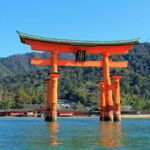
At Miyajimaguchi, the group takes a round-trip ferry to Miyajima. The crossing is short, about 10 minutes each way, but it marks a pleasing shift in pace: city streets give way to water, island views, and the shrine’s famous torii gate.
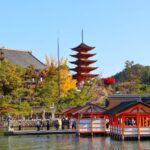
Miyajima is known for its natural setting and wildlife as well as its religious sites. Itsukushima Shrine, a UNESCO World Heritage Site, is the central visit, and the tour includes admission. The shrine and its waterfront setting are the main reason many people make the trip. The view of the gate changes with the tide and conditions, so the scene you encounter may differ from the familiar photographs.
The island portion is scheduled for about two hours and 50 minutes, including the ferry and guided time. You also get free time to explore at your own pace, which can mean lunch, shops, or a closer look at the island beyond the shrine. That freedom is welcome, but the clock still matters. Some people would happily spend much longer on Miyajima, particularly if they want to walk farther or try more than a quick meal.
I would choose your island priorities before arriving. If the shrine and torii gate are your main goals, the allotted time should help you see them without rushing every step. If you hope to explore more widely, keep an eye on the meeting time and leave room for the walk back to the ferry. The ropeway and longer island routes may not fit comfortably into this stop; don’t build your plan around them unless you have checked the day’s schedule.
Return by ferry and bus to Hiroshima
After the island visit, you take the ferry back to Miyajimaguchi, then a bus toward Hiroshima. The listed bus ride is about an hour, though traffic and weather can alter the schedule. The driver handles the road portion while the guide continues to manage the group and share information.
Several tour guides are named in accounts of the experience, including Angeles, Alejandro, Cesar, Jorge, and Alex. People have especially valued clear historical explanations and guides who answer questions, keep the group organized, and switch between English and Spanish. The driver is another important part of a day with several transfers; names mentioned include Ito-san and Oen.
A practical caveat: although the tour is described as English-Spanish, the balance between languages may depend on the group. One account described a departure conducted in Spanish when most of the group spoke Spanish. If you need English explanations throughout, ask the operator about language arrangements before booking rather than taking bilingual to mean equal time in both languages on every departure.
Give Peace Memorial Park the time it deserves
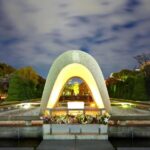
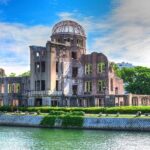
The final major stop is Hiroshima Peace Memorial Park, scheduled for about two hours. The park is a place for reflection on the atomic bombing and its consequences. A guide can help place the memorials and the city’s history in context, and guide-led explanations are a recurring strength of this tour.
Two hours can feel substantial until you decide to enter the museum. The Peace Memorial Museum ticket is not included, and the tour does not promise admission as part of the package. Museum access may require separate planning, and the time available can be affected by crowds, traffic, or the day’s pace. Some people focus on the park and its memorial sites; others want the museum too. Decide which matters most to you before the tour, and check current museum entry arrangements separately.
This stop carries a different emotional weight from Miyajima. The island is scenic and open-ended; the park is solemn and asks for attention. I like that the tour brings both into one day, but the pairing can make the schedule feel intense. Leave yourself some quiet time afterward if you can, especially if you plan to visit the museum.
The bus ride back to Hiroshima Station is listed at about 40 minutes, with arrival scheduled for 6 p.m. The schedule may shift because of traffic or weather. If you have a train to catch, allow a buffer rather than booking a tight connection. One account described a late return that nearly caused a missed bullet train, a reminder that a tour’s return time is a target, not a guarantee.
What the price covers, and what it does not
The Hiroshima tour starts at $92.95. For that price, the package includes a professional English-Spanish guide, round-trip transfers from the Hiroshima meeting point, ferry tickets, and admission to Itsukushima Shrine. You are paying not just for transport, but for a guide to connect the island and Hiroshima’s memorial sites within one day.
Meals, drinks, and personal expenses are extra. Bring cash: card payment may not be accepted in some places, and access to ATMs can be limited. A water bottle is also recommended, particularly during hot and humid weather, which has made the bus rides and walking portions feel demanding for some groups.
The optional Shinkansen packages add round-trip rail travel from Tokyo, Kyoto, or Osaka. Their prices are not specified here, so compare the exact package totals before booking. The rail option can make the day possible if you are based in another city, but it also means an early, carefully coordinated trip: you travel to Hiroshima on your own, meet the guide there, and return by train after the tour.
For independent visitors already staying in Hiroshima, the base package is easier to assess. Compare its cost with arranging bus and ferry transport yourself, then decide how much you value guided historical context and having the day organized. The tour is less compelling if you prefer to set your own pace, spend longer at one site, or visit the museum without a fixed schedule.


Who will get the most from this tour
This is a good fit if you have one day for Hiroshima and Miyajima and want help linking the two places. It suits first-time visitors who value historical explanation, prefer organized transport, or want an easy route from another major city by Shinkansen.
It can also work well for families, though child seats are not available. Children aged 0 to 2 can join free, and there is no stated age limit. Keep in mind that the day includes several transfers and walking, and the activity is not wheelchair-accessible or recommended for people with reduced mobility.
Independent explorers may find the guided pace restrictive. You will have free time on Miyajima and at the memorial area, but this is not a private tour, and some departures may include a large group. One account described a group of roughly 40. If you value quiet, flexibility, or long stops, consider visiting the sites separately.
Booking details to know before you go
The Hiroshima meeting point is Hiroshima Station Shinkansenguchi Hiroba Bus Berth, at 1-1 Matsubaracho, Minami Ward. Arrive at least 10 minutes early and look for the guide holding an Amigo Tours sign. If you are taking the Shinkansen package from another city, the train portion is self-guided, and the guide meets you after you reach Hiroshima.
The tour runs about eight hours, from 10 a.m. to 6 p.m., but the schedule may change with traffic or weather. Bring your mobile voucher, water, and some cash. Free cancellation is available up to 24 hours before the activity date, according to the stated terms.
Should you book it?
Book this tour if you want a practical, guided introduction to Miyajima and Hiroshima in one day, and you are comfortable with a busy schedule. The ferry, shrine entry, transfers, and guide make the route straightforward, while guides such as Angeles, Alejandro, and Cesar have been singled out for making the history clear and engaging.
Skip it if your main goal is an unhurried museum visit, a long island walk, or complete control over timing. The Peace Memorial Museum is not included, the guide’s language balance can vary, and the return time can shift. For a first visit with limited time, though, this is a strong way to see two very different places without having to piece together every connection yourself.
Hiroshima & Miyajima with Ferry and optional bullet train
“very seamless from Osaka. Klook managed all connecting train rides. Alex and Kita were awesome guides as well. try to do a bit of research prior to…”
FAQ
How long is the tour?
The scheduled day runs from 10 a.m. to 6 p.m., about eight hours. Traffic and weather may change the schedule.
Where is the Hiroshima meeting point?
Meet at Hiroshima Station Shinkansenguchi Hiroba Bus Berth, at 1-1 Matsubaracho, Minami Ward, Hiroshima. The guide waits with an Amigo Tours sign.
How early should I arrive?
Arrive at least 10 minutes before the 10 a.m. departure for check-in.
Can I start the tour in Tokyo, Kyoto, or Osaka?
Yes. You can choose a package with round-trip Shinkansen transportation from Tokyo, Kyoto, or Osaka. The train portion is self-guided, and the guide meets you in Hiroshima.
Is the Peace Memorial Museum ticket included?
No. Itsukushima Shrine admission and the ferry ticket are included, but the Peace Memorial Museum ticket is not.
Is Itsukushima Shrine admission included?
Yes. Admission to Itsukushima Shrine and the round-trip ferry ticket to Miyajima are included.
Are meals included?
No. Meals, beverages, and other personal expenses are not included.
Is the tour guided in English and Spanish?
The tour is described as having an English-Spanish-speaking guide. The language balance may depend on the group, so check with the operator if you require English explanations throughout.
Is the tour wheelchair-accessible?
No. The activity is not wheelchair-accessible and is not recommended for people with reduced mobility.
Can children join the tour?
Yes. There is no stated age limit, and children aged 0 to 2 can join free. Child seats are not available.