Nara’s deer, Osaka’s castle grounds, and Kobe’s harbor make for a big day out from Kyoto, with a bus handling the long stretches between cities. The appeal is variety: you get a taste of three Kansai destinations without arranging several train connections yourself.
I like the mix of guided walks and self-guided time: you get a guide at Nara, Dotonbori, and Kobe Chinatown, then room to explore Osaka Castle and Kobe Port on your own. I also like that the route pairs familiar landmarks with everyday food and shopping districts, rather than spending the whole day inside museums.
The trade-off is a tight schedule, with only about an hour at most stops and more than three hours of planned bus travel. There is also a point to clarify before booking: Fushimi Inari appears in the general description, but not in the timed itinerary.
- Key points to know before booking
- One day, three cities, and a lot of bus time
- Starting outside Hotel Keihan Kyoto Grande
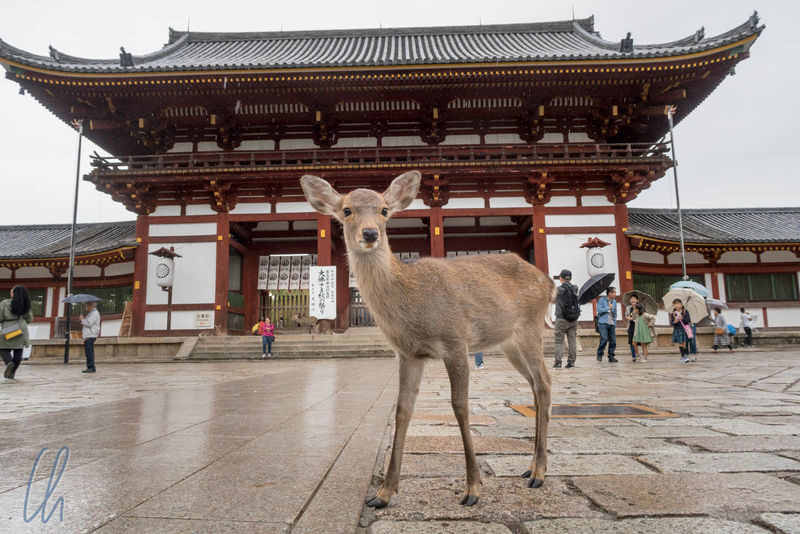
- Nara Park and Todaiji’s outer grounds
- Dotonbori’s signs, snacks, and short walking window
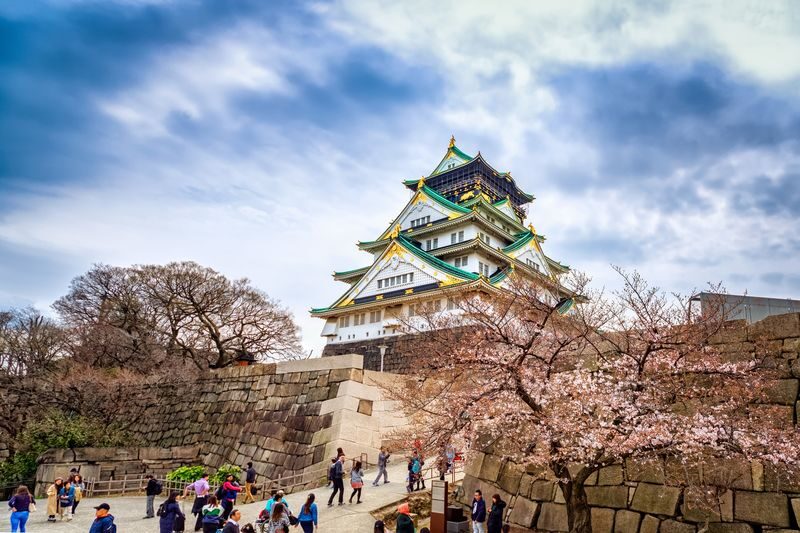
- Osaka Castle, with the grounds as the focus
- Kobe Chinatown and the Nankin-machi stop
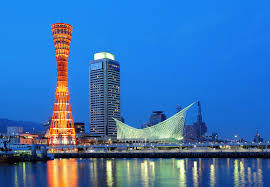
- Kobe Port as the final stop
- The guide and the group size matter
- Is Fushimi Inari part of this day?
- Who will get the most from this tour?
- Should you book it?
- FAQ
- Where does the tour depart from?
- What time should I arrive?
- What time does the tour return?
- Which places are included in the timed itinerary?
- Is Fushimi Inari included?
- What languages does the guide speak?
- Are admission fees included?
- Are meals and drinks included?
- Can children join the tour?
- Can I cancel for a refund?
- The Best Of Kyoto!
- More Tours in Kyoto
- More Tour Reviews in Kyoto
- Not for you? Here's more nearby things to do in Kyoto we have reviewed
Key points to know before booking
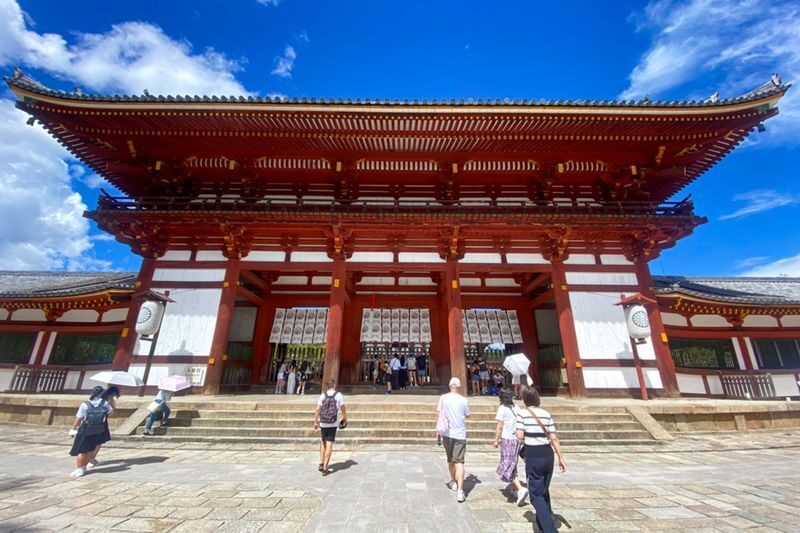
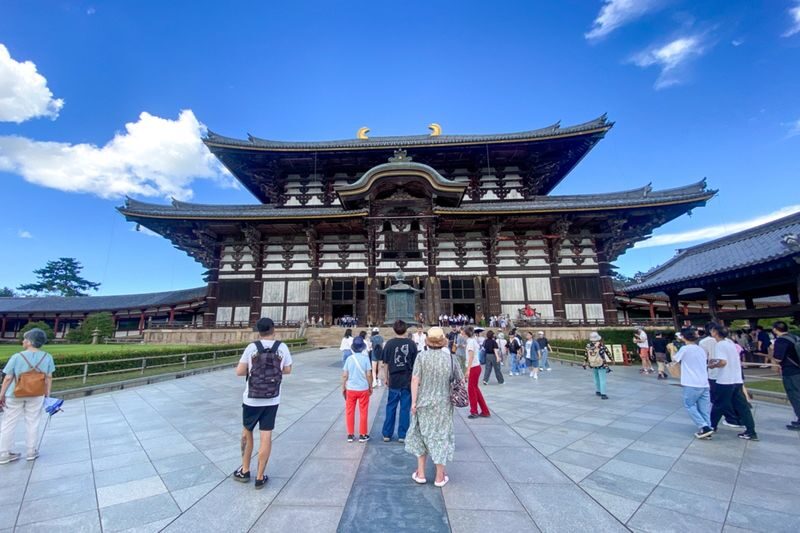
- Nara Park gets the longest stop: You have 1 hour 45 minutes for the park and the exterior of Todaiji Temple.
- Dotonbori is a short introduction, not a long meal break: The guided visit lasts 1 hour 15 minutes.
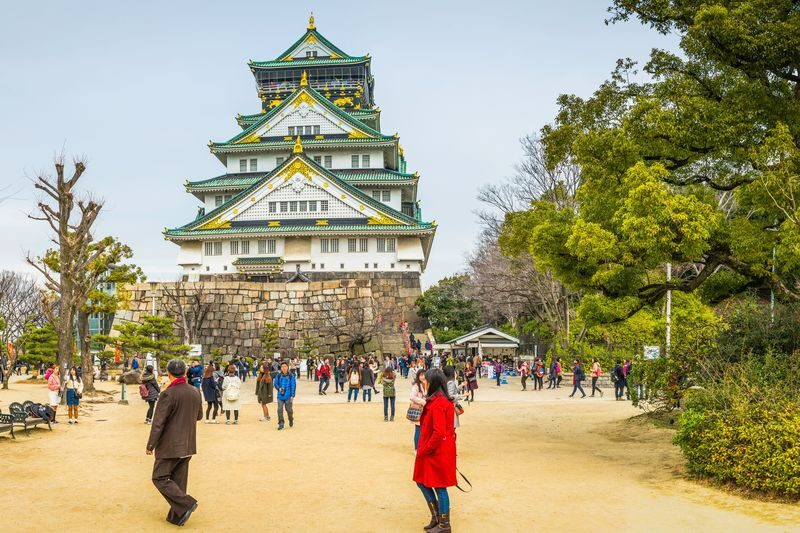
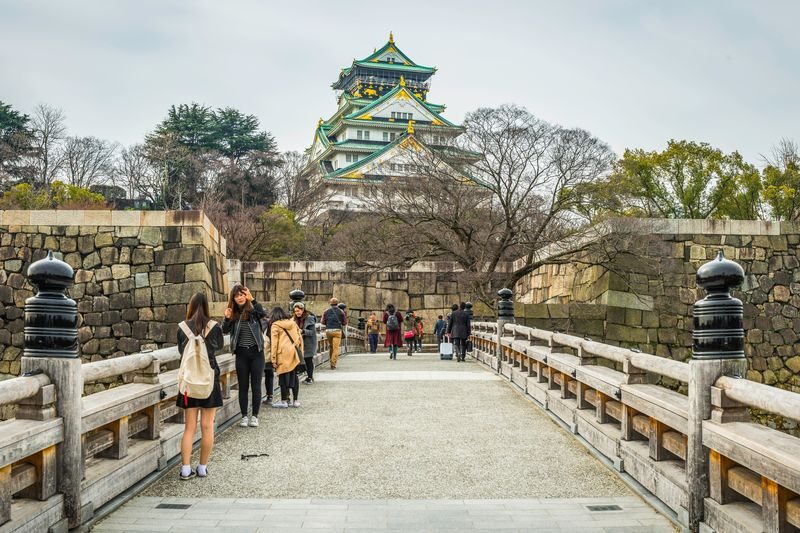
- Osaka Castle time is outdoors: The one-hour stop is self-guided and covers the castle area and gardens.
- Kobe offers two different stops: You get an hour in Nankin-machi and 45 minutes at the port.
- The guide speaks English and Spanish: Commentary is bilingual, and large groups may make it harder to hear from farther back.
- The Fushimi Inari question needs checking: It is mentioned in the general description but is absent from the timed schedule.

👉 See our pick of the 25 Best Workshops And Classes In Kyoto
One day, three cities, and a lot of bus time
This tour covers Nara, Osaka, and Kobe in a single day, departing Kyoto at 7:30 a.m. and returning around 6:05 p.m. The route is a practical way to see several headline sights if you have limited time and want transport arranged for you.
The pace is the main consideration. The schedule allows 5 hours and 45 minutes across the five stops, with roughly 3 hours and 20 minutes of listed bus travel. That leaves little room for lingering, and traffic or weather can change the timing. I would treat this as a sampler of the region, not a slow visit to each city.
The tour includes round-trip transfers from the meeting point and a professional English- and Spanish-speaking guide. Entry fees, food, drinks, and personal expenses are extra. At a starting price of $129, the value rests mostly on covering multiple destinations in one day without planning the intercity transport yourself. It is less compelling if you want to spend several hours at one site or prefer to set your own pace.
You can also read our reviews of more tours and experiences in Kyoto.

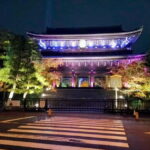
Starting outside Hotel Keihan Kyoto Grande
The meeting point is outside Hotel Keihan Kyoto Grande at 31 Higashikujo Nishisannocho in Kyoto’s Minami Ward. The departure time is 7:30 a.m.; arrive at least 10 minutes early for check-in and to find the guide, who will be holding an Amigo Tours sign.
That early start helps make the packed route possible. Still, a late departure can squeeze time at every stop. A past account described a delayed start after the guide had trouble locating the bus, so punctuality is worth taking seriously in both directions: arrive on time, and be ready to rejoin the group promptly at each stop.
The end point is listed as Kyoto Station, around 6:05 p.m. The address information also names Hotel Keihan Kyoto Grande, so check the precise return point with the operator before planning a tight onward connection.
Nara Park and Todaiji’s outer grounds
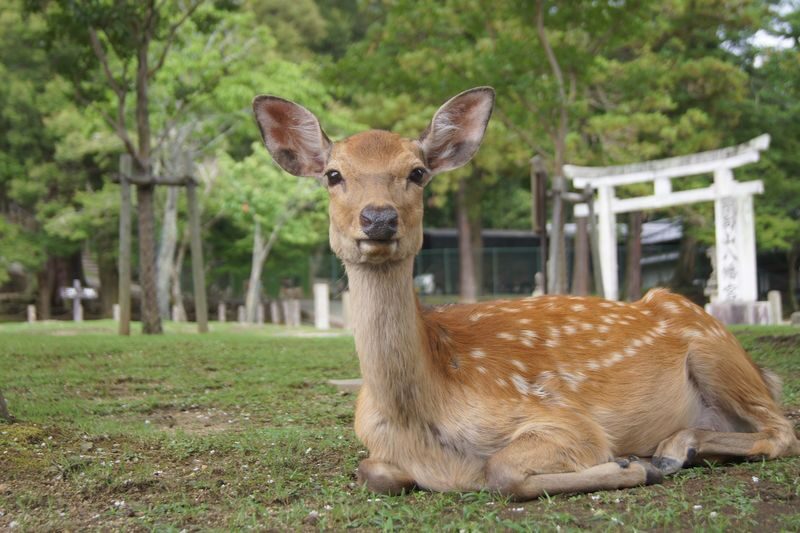
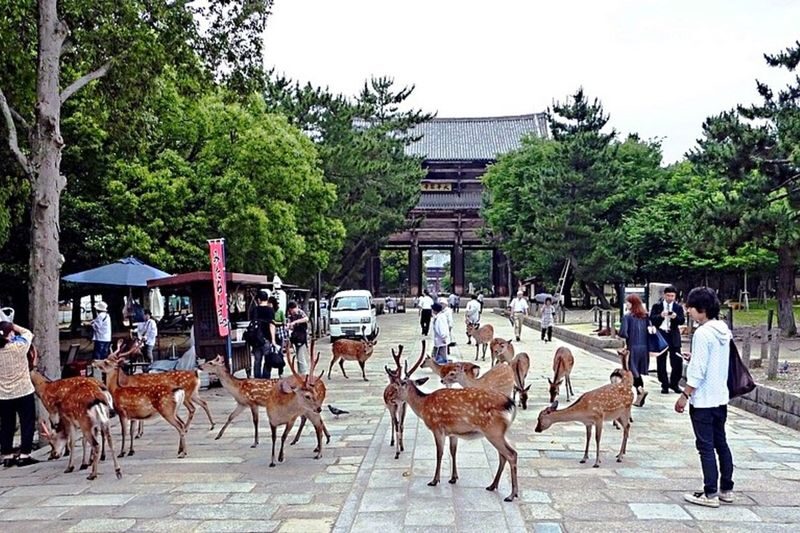
Nara is the first stop, after about an hour on the bus. You get 1 hour 45 minutes for Nara Park and a walk around the exterior of Todaiji Temple. That is the longest stop of the day, and for good reason: the park’s free-roaming deer are an unusual, memorable part of a visit to the city.
The deer are not behind fences. You can see them moving around the park and approaching people, which makes for an engaging visit, especially if you have not encountered them before. Keep your attention on your belongings and follow the guide’s instructions around the animals; the tour description promises an encounter, not a private or controlled one.
The Todaiji portion is specifically described as a stroll around the temple’s exterior. Do not assume the stop includes admission or time inside. Monument entry is not included in the tour price, and the schedule does not state that you will enter Todaiji. If seeing the interior is essential, ask about the available time and admission before setting out.
Nara’s time allowance is generous by this tour’s standards, but it still has limits. You will need to balance the deer, the temple grounds, and any personal browsing within the same block. I would avoid adding a long sit-down meal here unless the guide confirms there is enough time.
Dotonbori’s signs, snacks, and short walking window
After about an hour on the road, the bus reaches Osaka’s Dotonbori district. The guided visit lasts 1 hour 15 minutes and centers on the area around the Glico sign, a well-known photo stop. Dotonbori is associated with street food, bright signage, and a lively evening atmosphere, though this visit takes place within a daytime tour schedule.
This is a good place to sample a little of Osaka’s food culture, but the clock matters. Meals and drinks are not included, and an hour and 15 minutes must cover the guided walk as well as any food stop you choose. If eating is a priority, decide in advance whether you want a quick snack or a proper meal; the latter could use most of your free time.
The guide is scheduled to lead this walk, which can help you get oriented in a crowded commercial district. But the group has several stops still ahead, so stay aware of the meeting time. The route is designed to give you a taste of Dotonbori, not an open-ended afternoon to explore its lanes.
Osaka Castle, with the grounds as the focus
The next bus ride is about 30 minutes, followed by one hour at Osaka Castle. This stop is self-guided and covers the area around the castle and its gardens. The castle’s moats and grounds provide a strong sense of the scale and setting of the landmark, even if you only have time for an exterior visit.
Admission to monuments is excluded, and the schedule does not promise entry to the castle building. If you want to go inside, check whether one hour is enough for the visit and how admission would fit into the group’s departure time. With a self-guided stop, you have more freedom to choose what to see, but you also need to keep track of the clock yourself.
I like the change of pace here: after guided walks in Nara and Dotonbori, you can explore the grounds independently. The drawback is that the stop is brief for anyone hoping to study the site in detail or enter the building. Treat it as an introduction to the castle area, rather than a full historical visit.

Kobe Chinatown and the Nankin-machi stop
From Osaka Castle, the bus takes about 40 minutes to Kobe Chinatown, known as Nankin-machi. The scheduled guided visit lasts one hour. It adds another urban setting to the day, with a chance to walk through one of Kobe’s best-known districts and see a different side of the city from its waterfront.
Food is not included, so any purchase here comes out of your own pocket and your limited stop time. As in Dotonbori, decide whether you want to focus on the guided walk or leave time to buy something to eat. The itinerary does not specify a meal break, so do not count on a long pause for lunch.
This is one of the more useful stops for travelers who want a quick overview rather than a single-city deep visit. If Chinatown is a major priority for you, an hour may feel short. If your main goal is to collect a first impression of Kobe before seeing the harbor, it rounds out the day well.
Kobe Port as the final stop
A short bus ride of about 10 minutes brings you to Kobe Port for 45 minutes of self-guided time. After the streets and crowds of the earlier stops, the waterfront offers a different setting and a final chance to walk independently before the return to Kyoto.
The tour describes this stop as a chance to enjoy the harbor, but does not specify a particular attraction, admission, or activity there. Keep expectations tied to what is promised: 45 minutes at the port, on your own. It is enough for a short stroll and a look around, not a long waterfront visit.
The return to Kyoto is scheduled for about 6:05 p.m. Traffic and weather can affect the timetable, so avoid booking a close onward connection or an evening activity that cannot be changed. The day covers a lot of ground, and the last leg is still a bus ride back.
The guide and the group size matter
The guide speaks English and Spanish, which makes the tour useful if you want commentary in either language. Past feedback on guiding is mixed: some accounts praise the explanations and the guides, while another describes a guide speaking for around 45 minutes on the bus and says the commentary was hard to hear in a group of 48. One account names a guide, Angeles, but assignments can vary.
That combination suggests a practical approach. If you value the commentary, try to sit where you can hear the guide and ask questions when there is an opening. If you prefer quiet, long stretches of guided talk may feel like a lot, particularly on a full-day coach tour.
Timing is another point to keep in mind. The stops are short, and one past account described delays adding up across the day. The schedule itself warns that traffic and weather can change the plan. Arriving early and returning to the bus promptly gives the group the best chance of protecting the time at each stop.
Is Fushimi Inari part of this day?
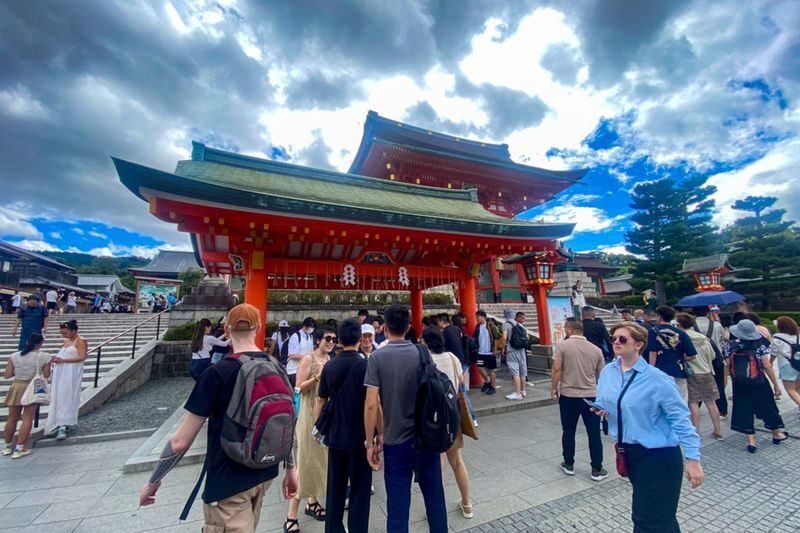
The general description mentions Fushimi Inari, and one account of the tour recalls walking through its gates. But the detailed timed route lists Nara Park, Dotonbori, Osaka Castle, Kobe Chinatown, and Kobe Port, with no Fushimi Inari stop or time allowance.
That mismatch is important. If visiting Fushimi Inari is one of your main reasons for booking, confirm directly with the operator whether it is included on your date. Do not assume you can fit it in separately: the tour begins early, returns in the evening, and already has a full schedule.
Who will get the most from this tour?
This trip suits you if you want a broad first look at Nara, Osaka, and Kobe, and you are comfortable moving on after a short visit. It is especially practical if you would rather ride between cities than arrange separate transport and manage several connections on your own.
It is less suited to travelers who want long museum visits, extended meals, or a flexible pace. The activity is not recommended for wheelchair users or people with reduced mobility. Children aged 0 to 2 can join free, and there is no stated age limit for other participants.
Before booking, weigh the price against what you want from the day. The $129 starting price covers a guide and round-trip transfers, not entry fees or meals. That can be useful value for a multistop route, but the day works best if you see the paid transport and orientation as the main benefit, rather than expecting in-depth time at every landmark.
Should you book it?
Book this tour if your priority is seeing several Kansai highlights from Kyoto in one organized day. Nara’s deer, Dotonbori’s street life, Osaka Castle’s grounds, and Kobe’s Chinatown and harbor make a varied route, and the guide and bus take much of the transport planning off your hands.
Skip it if you want to explore at leisure or spend substantial time inside monuments. Before paying, ask the operator to confirm whether Fushimi Inari is included, and check the return point if you have evening plans. Go in expecting a fast-paced introduction, and the day’s range is its clearest strength.
Kobe, Nara Park & Osaka from Kyoto
“I have used various Japanese tour services and their timing is on point, we received numerous emails asking us to be on time etc. we arrived well a…”
FAQ
Where does the tour depart from?
Meet outside Hotel Keihan Kyoto Grande at 31 Higashikujo Nishisannocho, Minami Ward, Kyoto. The guide will be holding an Amigo Tours sign.
What time should I arrive?
Departure is at 7:30 a.m. Arrive at least 10 minutes early for check-in.
What time does the tour return?
The scheduled return is around 6:05 p.m. at Kyoto Station. Traffic and weather can affect the schedule.
Which places are included in the timed itinerary?
The timed stops are Nara Park and the exterior of Todaiji Temple, Dotonbori, Osaka Castle grounds, Kobe Chinatown Nankin-machi, and Kobe Port.
Is Fushimi Inari included?
Fushimi Inari is mentioned in the general description, but it does not appear in the timed itinerary. Confirm with the operator before booking if this stop matters to you.
What languages does the guide speak?
The tour includes an English- and Spanish-speaking guide.
Are admission fees included?
No. Admission to monuments is not included in the tour price.
Are meals and drinks included?
No. Meals and beverages are not included, and personal expenses are also extra.
Can children join the tour?
Children aged 0 to 2 can join free. The activity has no age limit.
Can I cancel for a refund?
A full refund is available if you cancel at least 24 hours before the activity date, based on local time at the destination.