
Tsuchiura’s fireworks are not just a big summer-style sky show. This autumn competition puts Japan’s fireworks makers head to head, with rapid-fire sequences, high-altitude bursts, and artistic designs synchronized to music. The result is a night built around craft as much as spectacle.
I like two things about this trip: it gives you a way to reach a major event from Tokyo without planning the transport yourself, and the competition format means you see several distinct styles rather than one long string of similar bursts. Guide Ohashi has also been praised for a funny, responsible manner and for helping with Tokyo sightseeing questions.
The trade-off is the long, traffic-prone day. Fireworks seats are not included, the viewing area is free, and English guiding is not guaranteed, so check your package and guide arrangements before booking.
- What makes this Tsuchiura tour worth considering
- A fireworks contest, not just a festival
- Leaving Tokyo around midday
- Arriving in Tsuchiura and finding your viewing area
- Watching the competition unfold
- The late ride back to Tokyo
- What the price does and does not buy
- Who should book this tour
- FAQ
- Are fireworks tickets included?
- Where does the tour depart from in Tokyo?
- How long does the tour take?
- Is an English-speaking guide guaranteed?
- Can children join the tour?
- Is the tour suitable for everyone?
- What happens if the weather is bad?
- More Tours in Tsuchiura
- More Tour Reviews in Tsuchiura
- Not for you? Here's more nearby things to do in Tsuchiura we have reviewed
What makes this Tsuchiura tour worth considering
 1 / 6
 2 / 6
 3 / 6
 4 / 6
 5 / 6
 6 / 6
- A national-level contest: Fireworks professionals from around Japan compete in several categories, including rapid-fire, high-altitude, and artistic creative displays.
- Music as part of the show: The fireworks are synchronized with music, giving the display a more composed feel than a simple sequence of launches.
- A free viewing area, not a reserved seat: The package described does not include a festival ticket. You should expect to watch from a free area rather than a booked seat.
- A substantial Tokyo-to-Tsuchiura day: The coach leaves around midday, reaches the event area in the late afternoon, and returns to Tokyo late in the evening.
- A helpful guide can add value: Ohashi has been praised for humor, responsibility, and answering questions about Tokyo. Specific guide assignments are not guaranteed.
- Plan for crowds and possible delays: Traffic controls and congestion can shift the schedule, so leave the rest of your evening open.
A fireworks contest, not just a festival
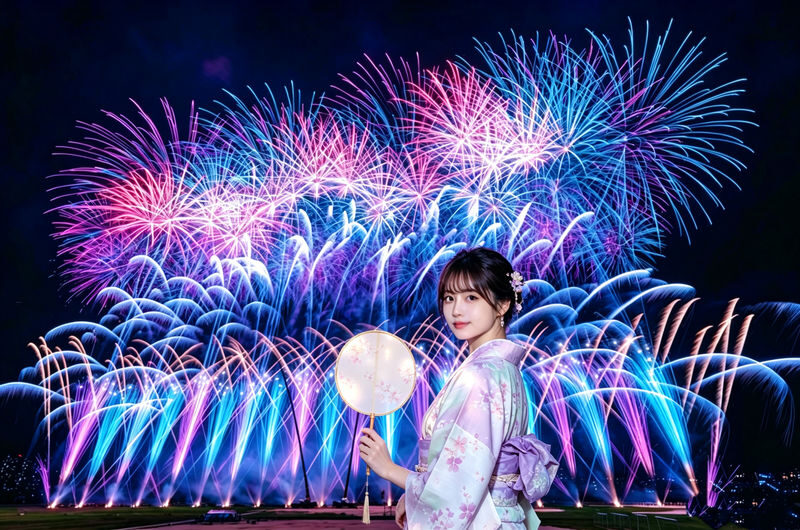
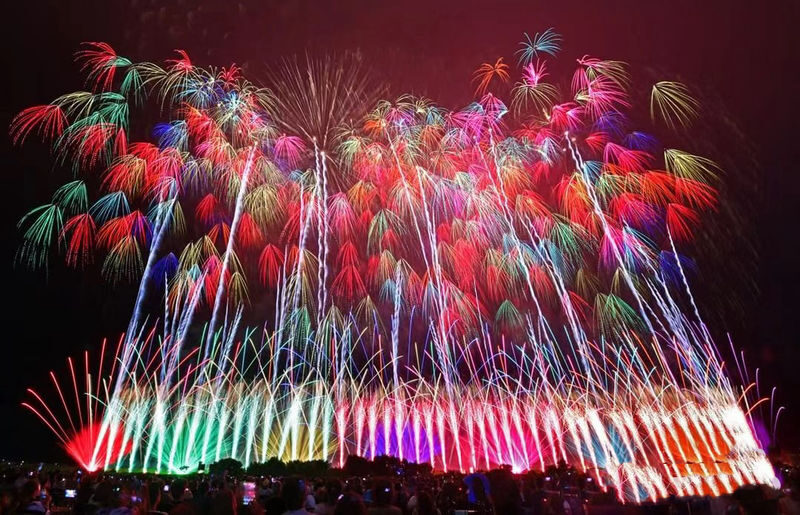
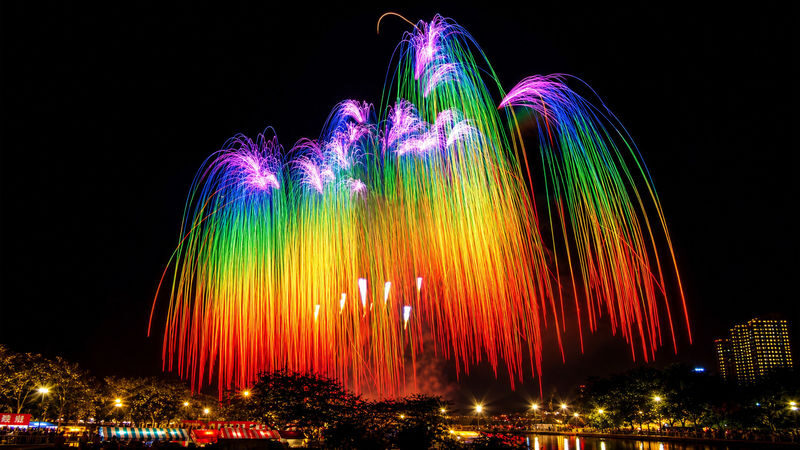
Tsuchiura’s National Fireworks Competition is counted among Japan’s three major fireworks events. Its special appeal is the competitive element: professional teams bring their own designs and techniques, then present them before a crowd that has come to see fireworks as an art form.
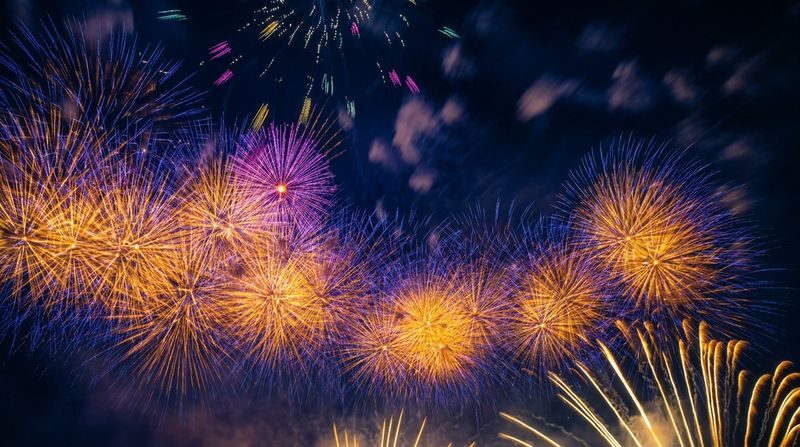
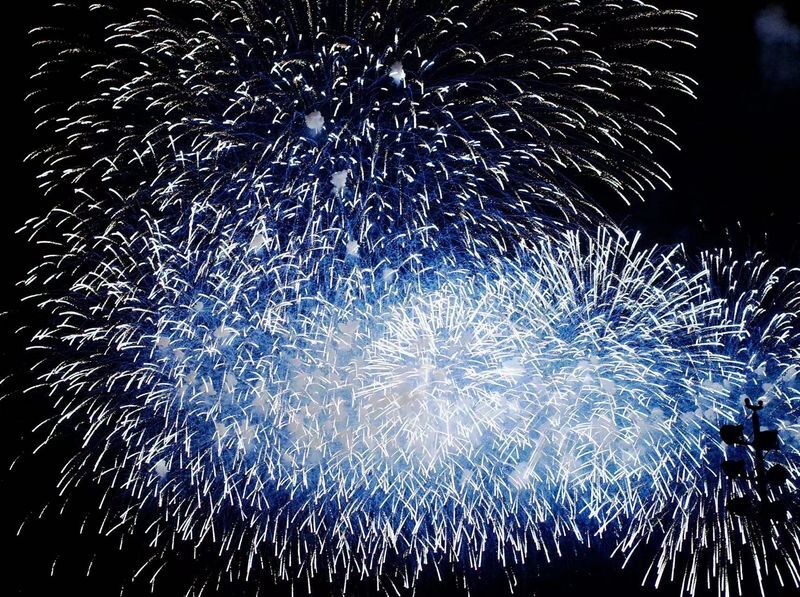
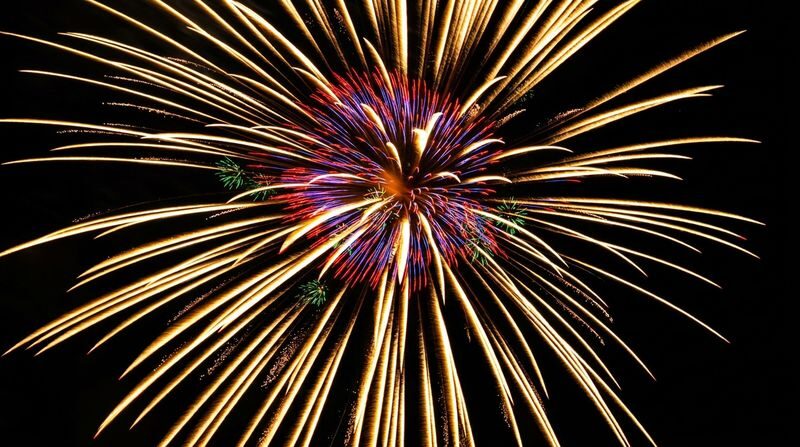
The categories help you watch with a sharper eye. Rapid-fire displays build rhythm through quick sequences. High-altitude fireworks spread across the sky, while artistic creations put more emphasis on color and shape. You do not need to know the technical details to enjoy the show, but the variety makes it easier to notice how different each team’s work can be.
Music adds another layer. Instead of treating the soundtrack as background noise, the display uses timing and sound to shape what you see. If you enjoy performances where light and music work together, this is a strong reason to choose Tsuchiura over a smaller local fireworks night.
The event is held in autumn, and the tour information describes November skies as clear and crisp compared with the muggy nights of summer. Fireworks reflected on water are part of the scene described for the competition. Weather still has the final say, of course: clear conditions are a possibility, not a promise.
You can also read our reviews of more tours and experiences in Tsuchiura.
Leaving Tokyo around midday
The day begins with a coach departure from Tokyo, with listed pickup times of 12:30 at JR Tokyo Station’s Marunouchi North Exit and 13:00 at Shinjuku West Exit near Mitsui Sumitomo Bank. Arrive at your selected meeting point at least 10 minutes early. The tour does not allow you to join partway through, and late arrivals or no-shows are not refundable.
This transfer is the main practical benefit. A major fireworks event can draw large crowds and trigger road controls, so having transport arranged can spare you the work of planning a separate trip out and back. It does not make the journey immune to traffic. The operator warns that delays can be severe, and the schedule may change.
The vehicle is assigned according to group size. For a small group, the driver may also act as the attendant, with no separate tour leader. That arrangement can work well for basic coordination, but it is worth knowing if you expect a dedicated guide to be available throughout the ride.
The experience is advertised as including an English- or Chinese-speaking guide, but the practical language note is more cautious: Chinese or Japanese service is the default, and an English-speaking guide should be requested when booking. It is not guaranteed. If detailed commentary in English matters to you, ask before you commit rather than assuming it will be available.
Arriving in Tsuchiura and finding your viewing area
The group is scheduled to reach the Tsuchiura National Fireworks Competition Security Headquarters at about 16:00. From there, the event time is listed as self-guided for roughly three and a half hours. That means the guide and coach get you to the event, but you should be ready to manage your own time once you arrive.
The package specified is for viewing in a free area, with no fireworks seat ticket included. That keeps the base cost lower than a package with a reserved seat might be, but it also means you should not expect a particular seat or a clearly defined personal viewing spot. The available information does not promise seating, so plan for a crowded public viewing setting and wear comfortable shoes.
Bring light snacks. The operator specifically warns of heavy congestion during fireworks season, and a long wait or slow return journey can make a small supply of food useful. Wear light clothing for the walk and bring a warm layer if you tend to feel cold in the evening. The tour advises both, a sensible pairing for an autumn event that stretches from afternoon into night.
There is one nearby attraction worth putting in context: Science Expo Memorial Park, known for its 10-meter Science Gate and autumn leaves. It is mentioned as a local highlight, but it is not part of the scheduled tour stops. Do not count on time there unless the operator confirms a change.
Watching the competition unfold
Once you are at the event, the appeal is the changing pace and style of the displays. Rapid-fire fireworks can keep the sky busy; high-altitude bursts give you a larger field of color; creative entries offer a chance to compare the designers’ choices. You are watching a contest, so each section has a sense of presentation rather than being merely a string of explosions.
The music synchronization is especially useful if you are new to Japanese competition fireworks. It gives the display a rhythm to follow and can help you notice the timing and structure of each entry. Even without a reserved seat, you can still appreciate that broad visual and sound experience from the free viewing area.
The trade-off is that free viewing and a major event mean crowds. The tour’s own guidance says the event is not recommended for older adults, young children, or pregnant people. Participants must be under 70, and children and infants count toward the passenger headcount. Children under three who need their own seat must pay the adult price and be noted at booking. There are no child seats in the vehicle.
Luggage storage and delivery are not provided, so keep your load manageable. The same goes for expectations: this is a fireworks-focused outing, not a sightseeing circuit. It is best for you if the competition itself is the reason for going.
The late ride back to Tokyo
The tour’s return is scheduled for around 22:30, with Tokyo drop-off details listed for JR Tokyo Station and Shinjuku West Exit. The exact timing can shift with traffic, weather, road closures, and event conditions. Do not book a tight connection or make plans for the same evening that depend on an exact arrival time.
This is a long day even though the fireworks viewing portion is listed at about three and a half hours. You leave Tokyo around midday, spend the late afternoon and evening at the event, then travel back after the crowd has begun leaving. Take that full-day rhythm seriously if you are managing fatigue or traveling with children.
The tour warns that if severe weather or another force beyond the operator’s control ends the experience after it begins, the unused portion is refunded according to actual costs incurred. Extra expenses such as local accommodation or return transport are your responsibility. Personal travel and accident insurance are not included.
What the price does and does not buy
The general tour information gives a starting price of US$52.29, while the specified free-area package is shown from US$74.69. Those figures do not match, so check the price for your date and selected package at checkout. The package details supplied here are clear on one important point: the fireworks ticket is not included.
For the right person, the value is in having transport from Tokyo arranged for an event that can be difficult to navigate during crowd controls, plus a guide or attendant for basic coordination. You are not paying for a reserved fireworks seat or a broad sightseeing tour. If you can organize your own transport and prefer complete control over where and when you watch, going independently may suit you better.
Guide quality can also affect the value. Ohashi has been singled out for being responsible, humorous, and willing to answer questions about Tokyo sights. That kind of practical help can make a long coach outing more pleasant, but you cannot assume he will be assigned to your departure.
The provider, JRT Group, has a 94 percent good-review rate across 34,195 total reviews and a response rate of 70 percent, with replies taking more than four hours. Those figures offer useful background, not a guarantee of a particular guide, traffic-free journey, or clear weather.
Who should book this tour
I would consider this outing if you are staying in Tokyo, care more about seeing the fireworks competition than having a reserved seat, and are comfortable with a long day that may run late. The contest format, music, and range of fireworks styles make it a distinctive event, while the coach removes some of the transport planning.
I would think twice if you need a dependable English guide, have a strict evening schedule, dislike crowds, or need a comfortable seat guaranteed for the show. Confirm the guide language, package price, and viewing arrangement before paying. Check the edition and event date too: the event description refers to both the 93rd and 95th competitions, so make sure the date you select matches the event you intend to attend.
Fireworks Limited Tsuchiura National Fireworks Competition One-Day Tour
“The Ohashi tour guide was very interesting and professional! Thanks to his leadership, we had a very pleasant trip. The three major fireworks displ…”
FAQ
Are fireworks tickets included?
No. The specified package excludes fireworks festival seat tickets and provides viewing in a free area.
Where does the tour depart from in Tokyo?
The listed departure points are JR Tokyo Station’s Marunouchi North Exit at 12:30 and Shinjuku West Exit near Mitsui Sumitomo Bank at 13:00. Arrive at least 10 minutes early.
How long does the tour take?
The fireworks viewing portion is listed at about three and a half hours. The full day runs from a midday Tokyo departure to a late return, scheduled around 22:30, with timing subject to traffic and weather.
Is an English-speaking guide guaranteed?
No. Chinese or Japanese guide service is the default. You can request an English-speaking guide when booking, but arrangements depend on availability and are not guaranteed.
Can children join the tour?
Children and infants must be included in the passenger headcount. Children under three who need a seat must pay the adult price and be noted when booking. The tour does not provide child seats.
Is the tour suitable for everyone?
No. Participants must be under 70. The event is crowded, and the tour advises against participation by older adults, young children, and pregnant women.
What happens if the weather is bad?
In severe weather such as a typhoon or blizzard, the cancellation decision is made the day before by 18:00 local time, with notice sent by email. If the tour ends after it starts because of weather or another uncontrollable event, the unused portion is refunded based on actual costs, but extra local transport or accommodation costs are the participant’s responsibility.