
The first thing you notice in a Cologne brewhouse is not the beer. It’s the smell. Yeasty, almost bready, mixed with woodsmoke from the kitchen and the sharp tang of mustard from the next table. Then a Köbes in a blue apron slams a small cylindrical glass down in front of you, foam quivering, and the tour has started before you’ve taken your coat off.
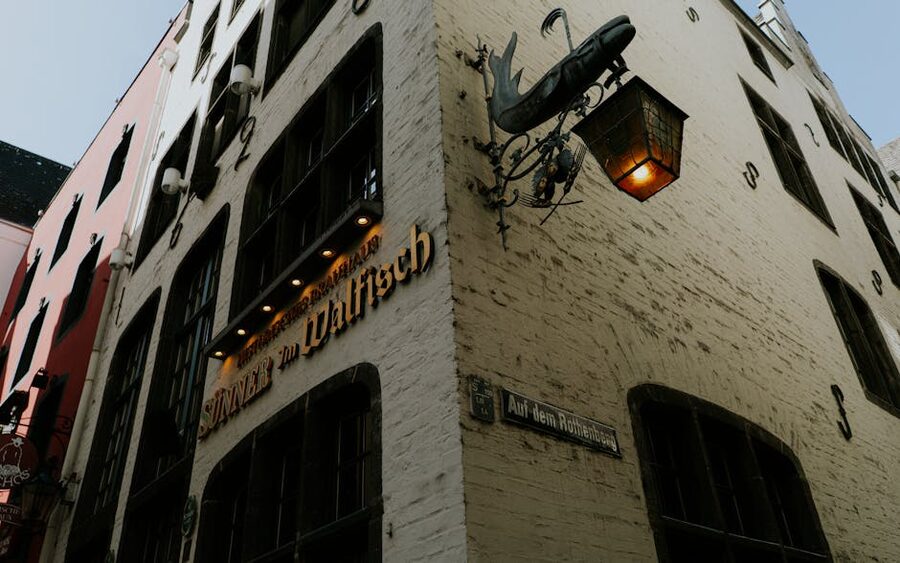
I’ve done four brewery tours in Cologne across two trips and the format barely changes: three or four brewhouses in the Altstadt, a small Stange (0.2 litre) glass at each, a guide who is half historian and half stand-up comedian, and a finale somewhere near the river. What changes is the storytelling and the price. This guide tells you which version to book and what you actually get for your money.
- In a Hurry?
- What a Cologne Brewery Tour Actually Is
- Why Kölsch Is Worth a Tour in the First Place
- Which Tour to Book
- 1. Brewery Tour with 3 Kölsch Beer Tastings:
- 2. Cathedral & Old Town Tour with 1 Kölsch:
- 3. Old Town Beer History Tour: from
- What’s a Köbes, and Why Does He Run the Show?
- Where the Tours Actually Go
- What to Eat While You Drink
- When to Go and What to Wear
- How Much It Actually Costs
- Booking Mechanics
- If You’re Doing Other German Cities
- What I’d Actually Book
In a Hurry?
- Brewery Tour with 3 Kölsch Beer Tastings, $32: The most-booked tour on the market. Three breweries near the cathedral in two hours. Check Availability
- Cathedral & Old Town Tour with 1 Kölsch, $27: Pick this if you want sightseeing first and a beer at the end, not three. Check Availability
- Old Town Beer History Tour, from $24: Four brewhouses, more drinking, less sightseeing. The longest pour for the lowest price. Check Availability
What a Cologne Brewery Tour Actually Is
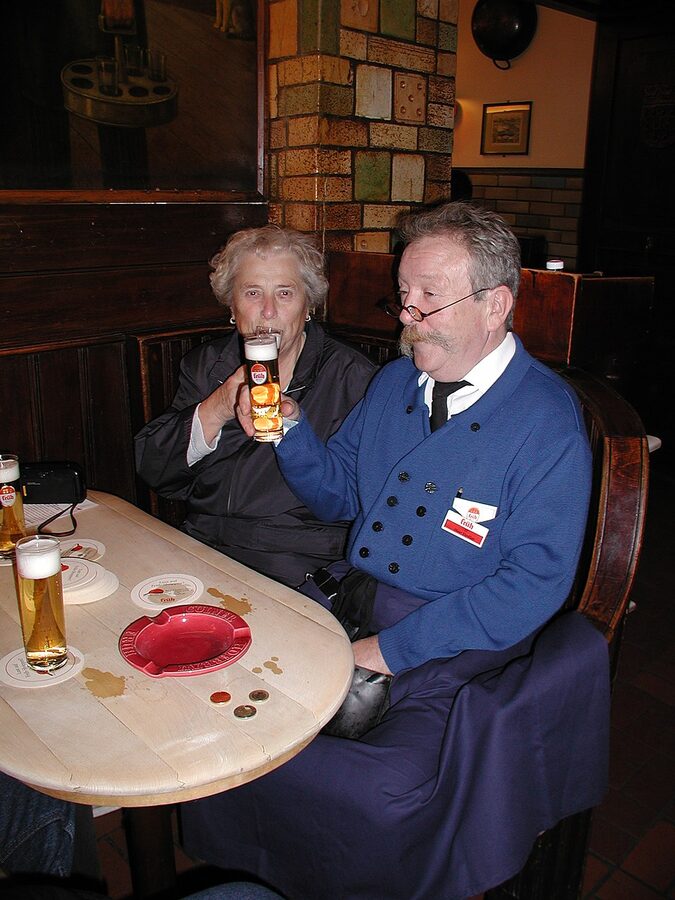
A Cologne brewery tour is not a factory visit. You will not see fermentation tanks. You will not put on a hairnet. The breweries inside the Altstadt mostly stopped brewing on-site decades ago. What you visit is the front-of-house: the brewhouses, the taprooms, the wooden booths where Kölsch has been served the same way since the 1860s.
The format is a guided pub crawl with three or four stops, a beer at each, and a guide who explains why this beer is different from every other lager in Germany. Most tours run about 2 to 2.5 hours. You walk between venues, the walks are short, and the guide spaces them so you’re never staggering to the next stop.
Why Kölsch Is Worth a Tour in the First Place
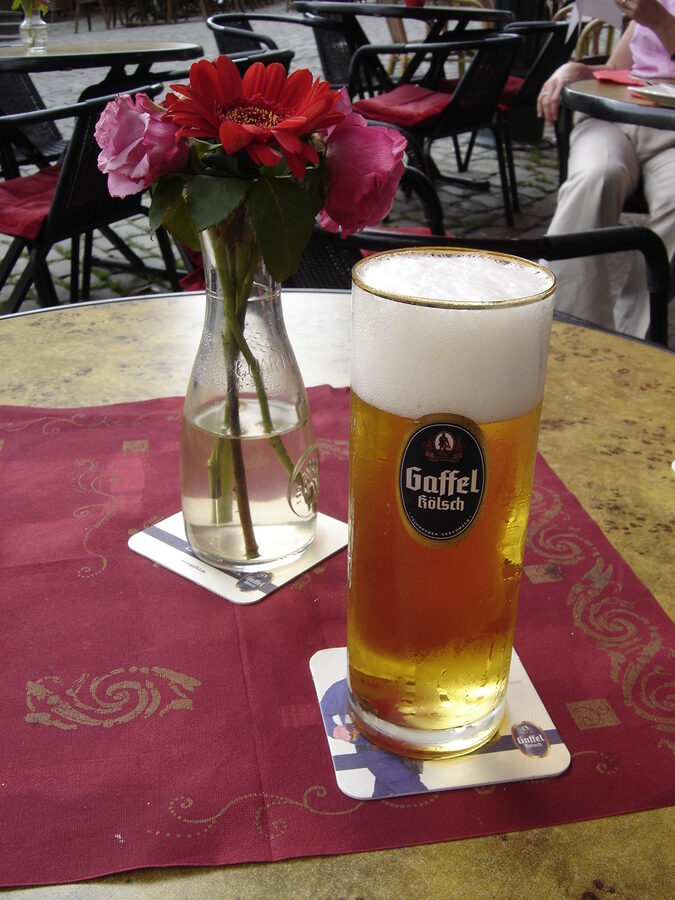
Kölsch is the only beer in Germany that’s both a style and a place. It can only legally be brewed within the Cologne metropolitan area, by a brewery that signed the 1986 Kölsch Convention. There are about two dozen of these. Anything brewed in Munich or Hamburg or Düsseldorf cannot be called Kölsch even if it tastes identical. (It does not taste identical, but that’s a separate argument.)
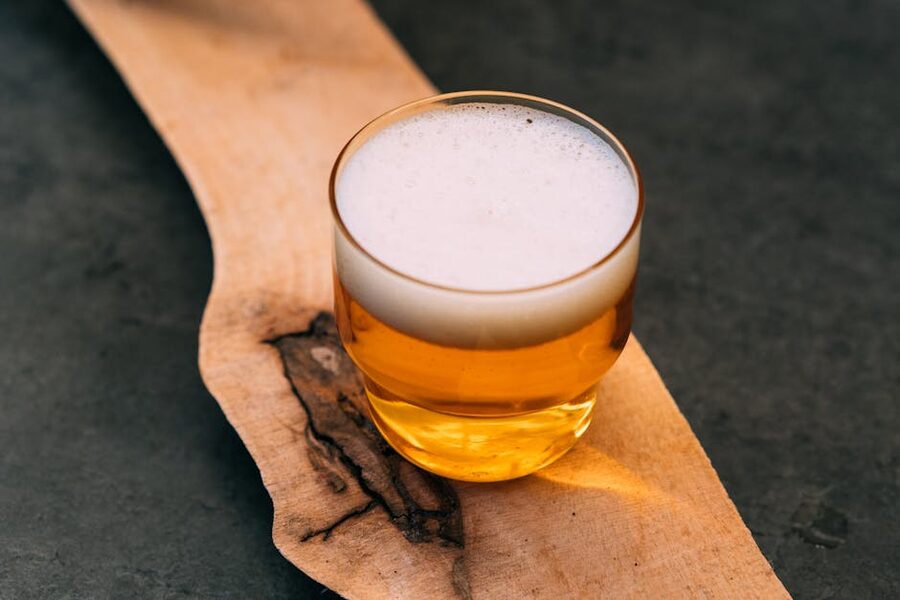
It is a top-fermented beer, which puts it closer to an ale, but it’s lagered cold, which gives it the crisp finish of a pilsner. Locally it’s described as süffig, which translates roughly as “you can drink it without thinking about it.” That’s the trap. The 0.2 litre glass exists because the beer is meant to be drunk fresh and cold, in fast succession, with conversation in between.
Which Tour to Book
I’ve ranked these by review count first, value second. The most booked tour goes first because it’s the safest pick if you want the standard experience. The other two are for travellers who want either more sightseeing or more beer.
1. Brewery Tour with 3 Kölsch Beer Tastings: $32
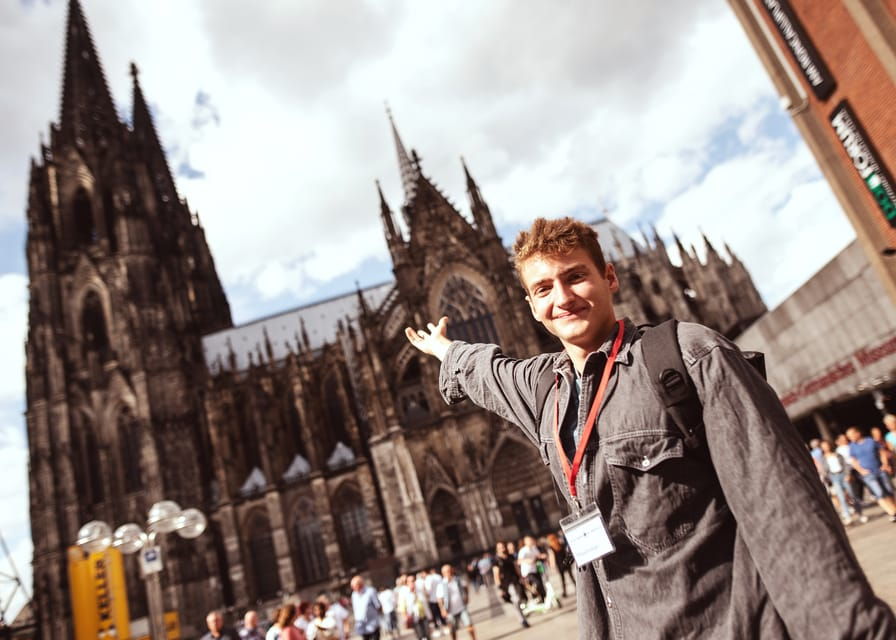
This is the most booked Cologne brewery tour for a reason. Three breweries, three Kölsch, two hours, and a guide who can read the room. Our full review goes into the specific brewhouses on the route and what’s typically poured at each. If your group has a non-drinker, the guides accommodate water or soft drinks at every stop without making it weird.
2. Cathedral & Old Town Tour with 1 Kölsch: $27
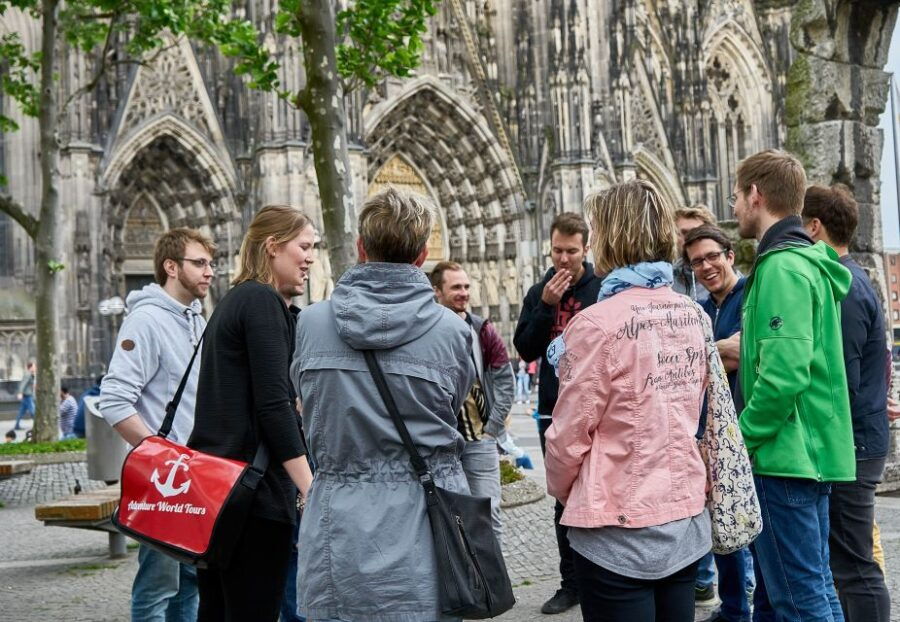
Pick this if you want to see Cologne first and drink it second. The route covers the cathedral exterior, the Roman walls, the Heumarkt, and finishes inside a traditional brewhouse for one Kölsch. Read our take on this tour for the specific brewhouse used as the closer. It’s a better-balanced introduction to the city than the pure beer tours.
3. Old Town Beer History Tour: from $24
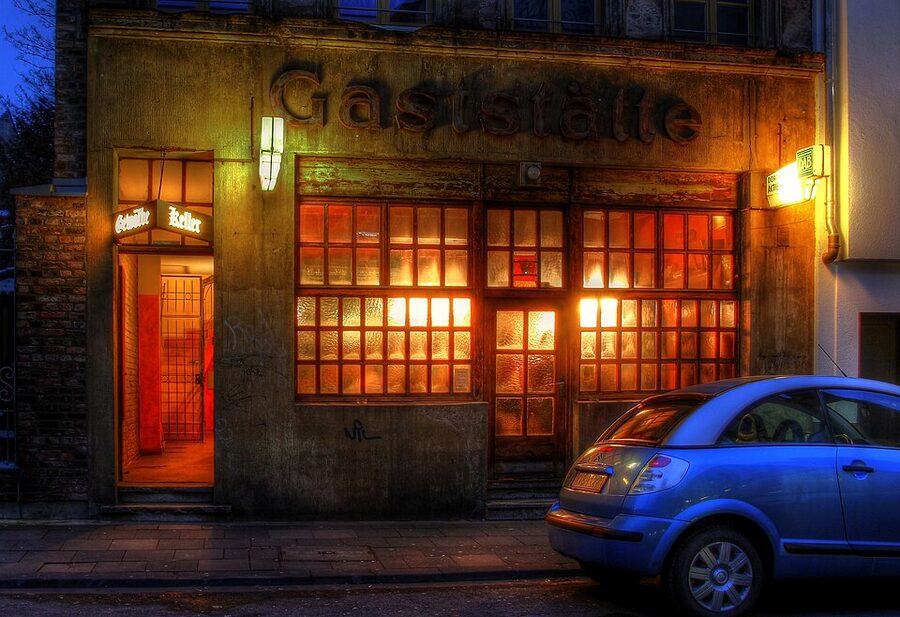
The starting point is Heumarkt 39, slightly south of the cathedral, which is also where most of the older brewhouses cluster. Our full review covers the four-brewhouse route and where the guide typically pauses for context between pours. The reviews on this one consistently mention the camaraderie that builds across the four stops, which is what you want from a beer tour.
What’s a Köbes, and Why Does He Run the Show?
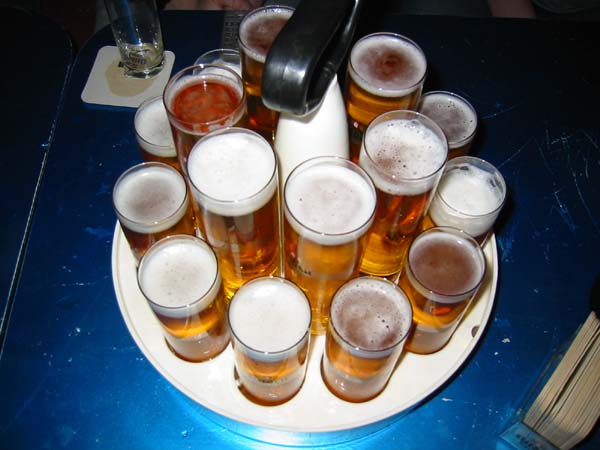
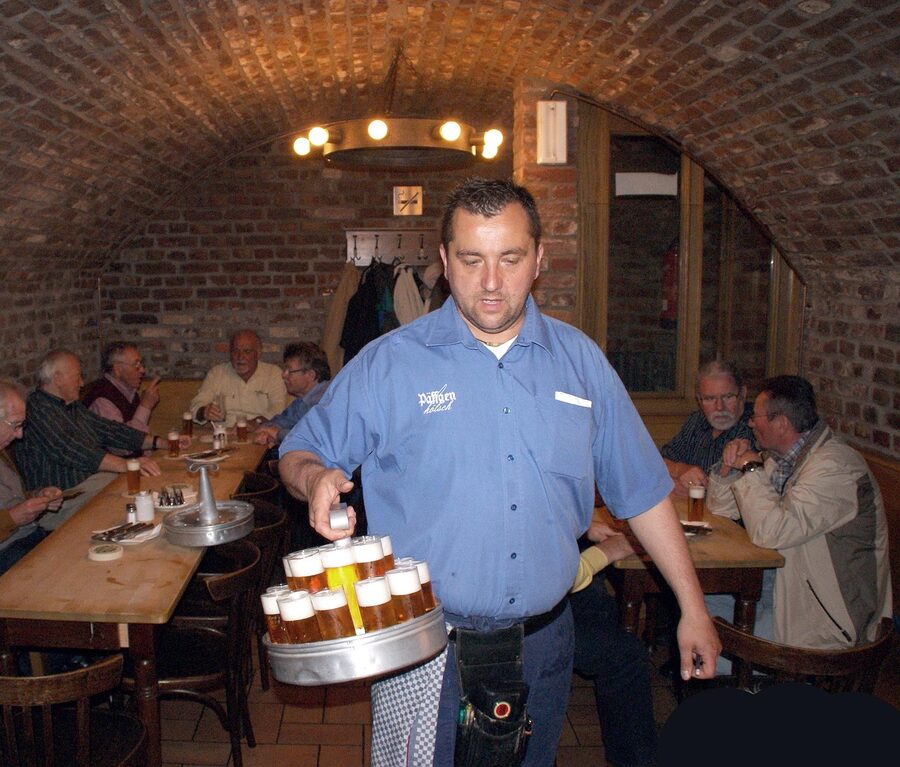
If your tour visits a proper brewhouse, the experience is shaped less by the guide and more by the Köbes. He is the waiter, but he’s also the rhythm-keeper. He marks every beer he brings on your beer mat with a pencil stroke. When you’ve had enough, you put the mat over the empty glass. That’s it. That’s the system.
The Köbes is supposed to be gruff. It’s the local style. He’ll tease you for ordering wine. He’ll roll his eyes if you ask for a menu in English. None of it is personal. It’s the role. Tip about a euro per round and you’ll be looked after fine.
Where the Tours Actually Go
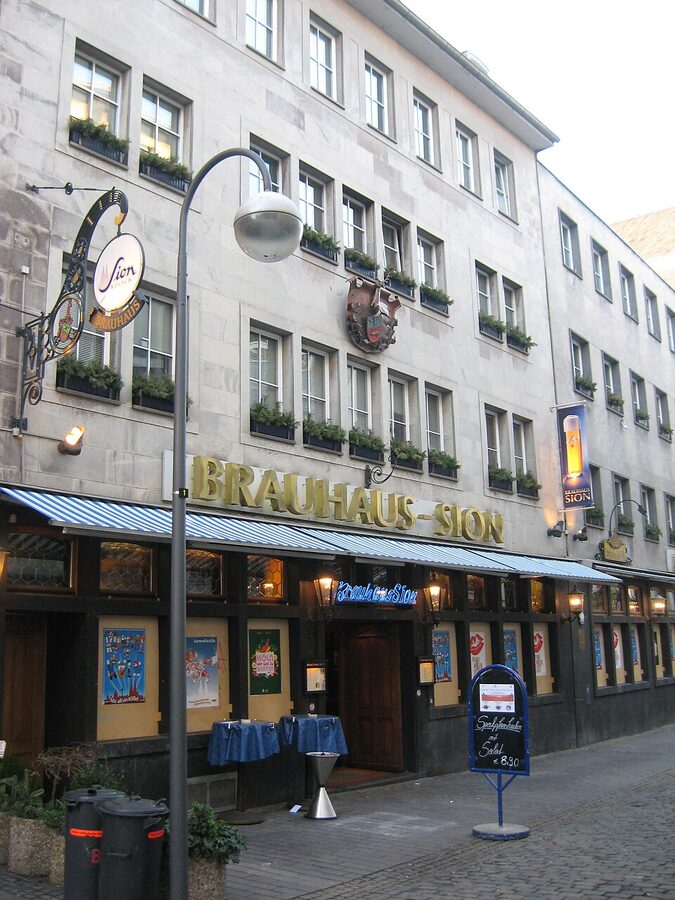
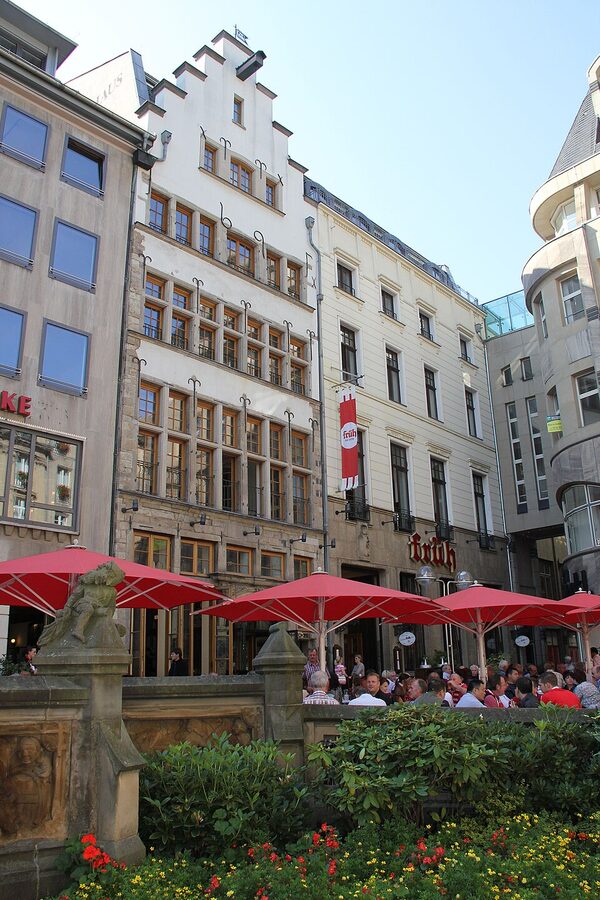
The Altstadt brewhouses fall into two clusters. The first is the cathedral cluster: Früh am Dom, Brauhaus Sion, and Peters Brauhaus all sit within five minutes’ walk of each other. The second is the river cluster: Päffgen, Schreckenskammer, and Gaffel am Dom stretch from Heumarkt down toward the Rhine.
Most tours pick three or four from this combined pool. Almost every tour will hit Früh am Dom because it’s the most touristic and the easiest to fit a group into. The smaller, scrappier ones tend to go to Sion or Päffgen. If you have a strong preference, message the operator before booking. They’ll usually tell you the route up front.
What to Eat While You Drink
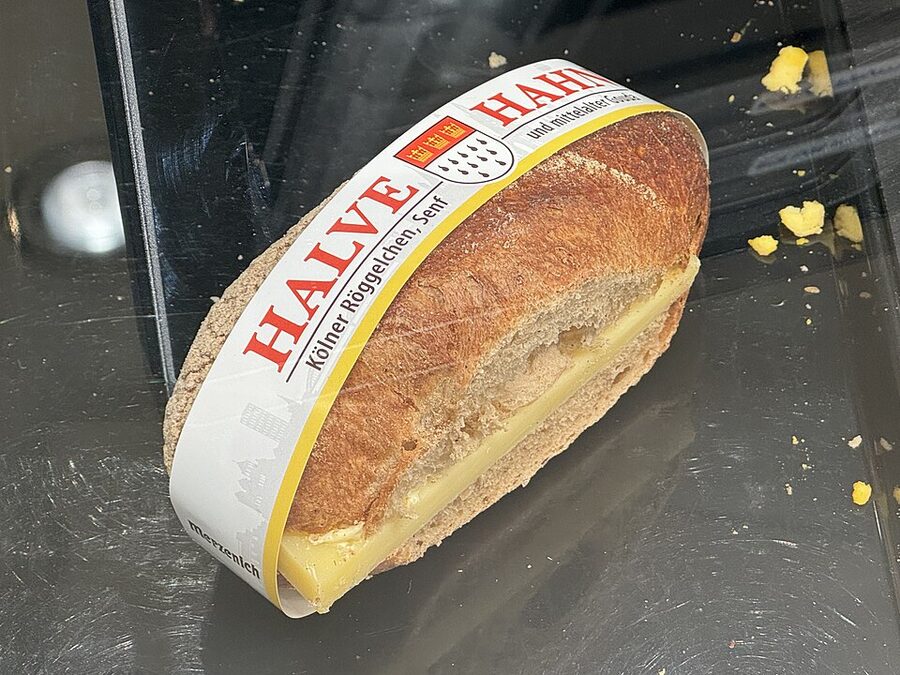
Most brewery tours don’t include food, but most stop somewhere where you can order a Halve Hahn or a Mettbrötchen (raw pork on a roll, with onion, sounds worse than it is) without slowing the group down. If you want a tour that explicitly bundles food, look at the brewery tour with the Halve Hahn pairing on our review pages. It’s the same brewhouse circuit but with a sit-down stop in the middle.
Eating something during a Kölsch tour is not optional advice. The beer is light, but a Kranz of eleven Stangen is still 2.2 litres. Pace yourself with carbs. The brewhouses know exactly which dishes go with their beer and the kitchens are usually open until late.
When to Go and What to Wear
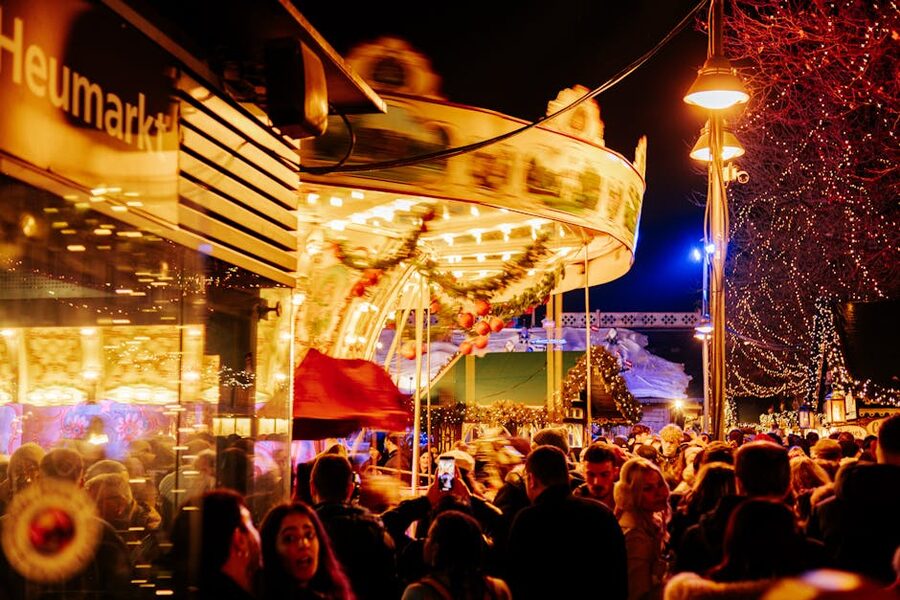
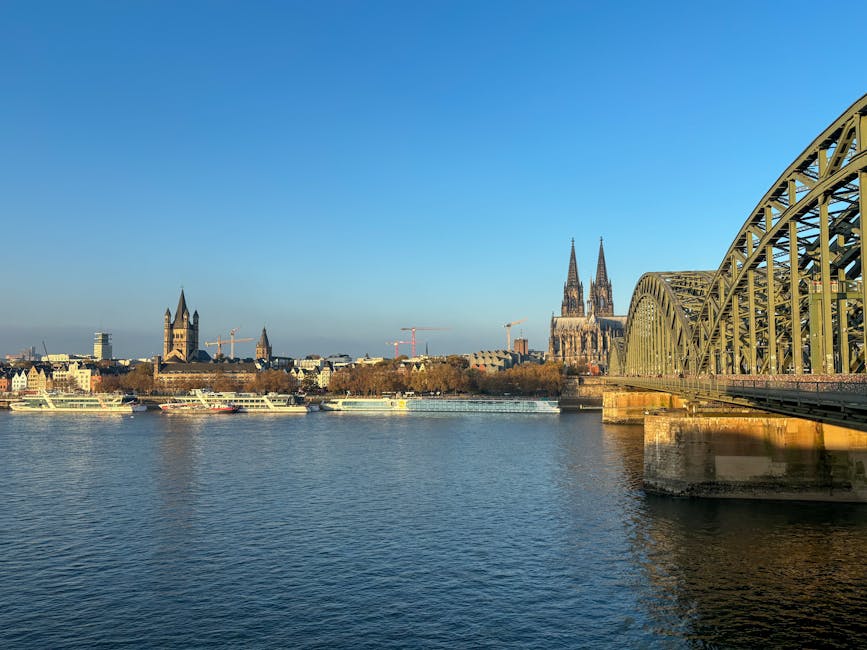
The two best windows are late spring through early autumn for warm beer-garden weather, and late November through December for the Christmas market overlap. Some tours add Glühwein and Feuerzangenbowle stops at the markets in December, which is genuinely fun if you don’t mind the crowds. The downside of December is that the markets are shoulder-to-shoulder busy and the tours sell out a week or more in advance. Book early.
Avoid weekends if you have flexibility. Friday and Saturday evenings the brewhouses are wall-to-wall locals and finding seats for a tour group of 12 takes longer. Tuesday or Wednesday at 6pm is the sweet spot.
Wear shoes you can walk a kilometre in. The cobblestones in the Altstadt are uneven. Layers help year-round because the brewhouses are warm and the streets in between are not.
How Much It Actually Costs
The headline price is rarely the full price. The tours above run from about $24 to $32 per person, but that buys you the guide, three or four beers, and the storytelling. Tips are expected, both for the guide (a euro or two per person) and for the Köbes at each stop. Add another 15 to 20 euros if you plan to eat between or after.
Plan for about 50 to 60 euros all in for a comfortable evening with a tour, food, and a couple of extra Kölsch after the tour ends. That’s still cheaper than most equivalent food-and-drink tours in Munich or Berlin, and you walk away knowing more about the city than you did before.
Booking Mechanics
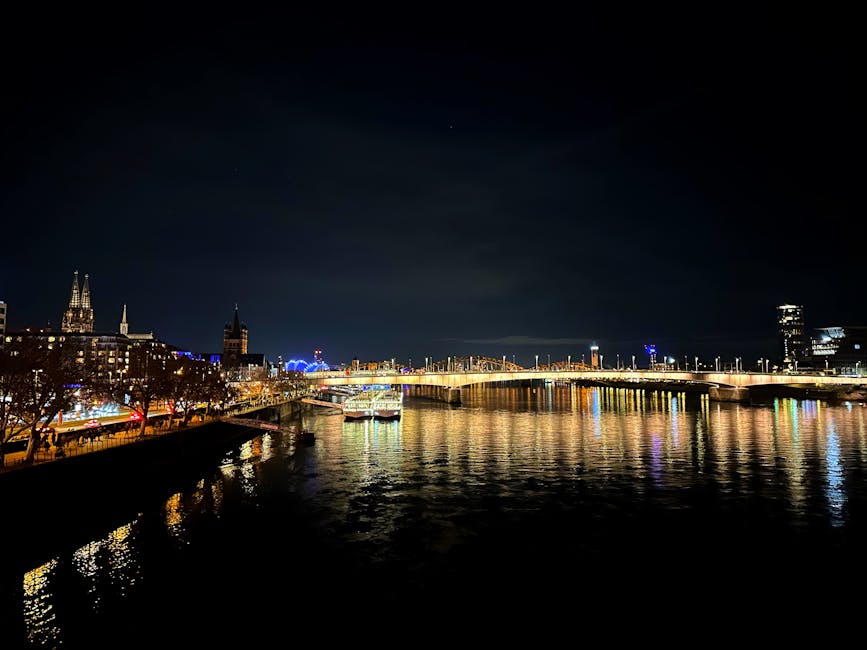
Almost every Cologne brewery tour now lets you reserve online with no upfront payment. Pick the tour, pick the date, get a confirmation email, and pay the guide on arrival or via the platform. Free cancellation up to 24 hours before the start time is standard on the three tours above. If you’re booking in December, lock in further out because slots fill.
The meeting points are easy. Most tours start either at the cathedral, at the Kreuzblume sculpture next to it, or at Heumarkt 39. None of them are more than a five minute walk from a U-Bahn or S-Bahn stop. If you’re staying in the Altstadt, you can walk to all of them.
If your tour is cancelled by the operator (rare, but it happens in heavy rain), they’ll usually try to reschedule you for the next available slot. Email the operator directly rather than going through the booking platform. That’s faster.
If You’re Doing Other German Cities
Cologne is a single-evening city for most travellers, which means a brewery tour usually competes for time with a Rhine cruise or an Old Town walking tour. If you can only do one, the brewery tour gives you the most local culture per hour. The Rhine cruise is more relaxing. The walking tour is the cheapest. Combining a daytime walking tour with an evening brewery tour is the standard one-day Cologne plan. If you’ve got a half-day to fill before the breweries open, the Cologne TimeRide VR experience is the unusual third option, and it pairs well with a Kölsch afterwards because the headset shows you the Cologne the war erased.
If you’re working through the bigger German cities, beer culture is one of the few things that genuinely changes between them. Munich is Helles and beer halls. Hamburg has its own Pilsner-leaning scene. Cologne is the only city in Germany where the beer is legally tied to the place. If you’ve been to Munich or Hamburg already, the Kölsch tradition is the most distinctive of the three to add to the list. After Cologne, Berlin’s drinking scene goes another direction entirely. The Berlin walking tour guides usually point you toward the bars rather than the brewhouses.
What I’d Actually Book
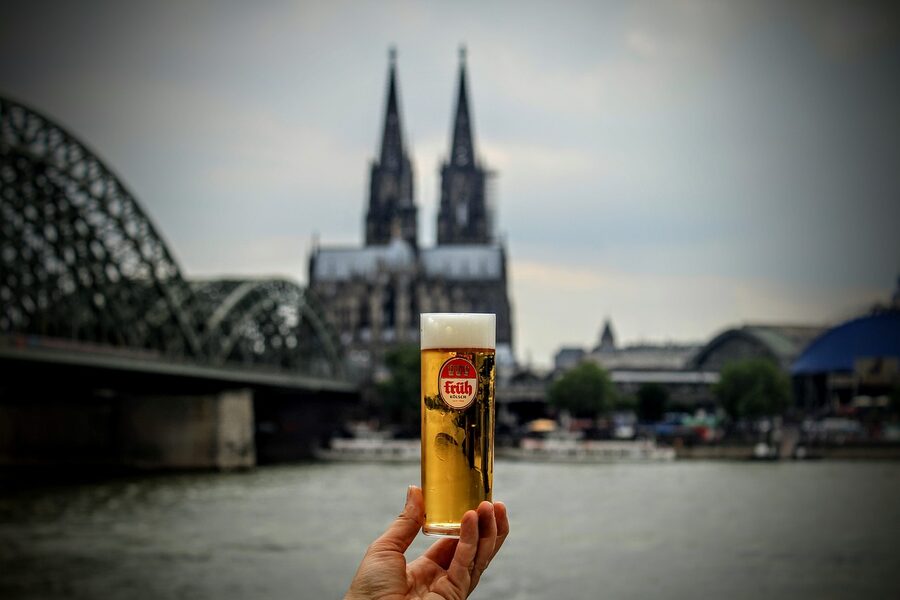
If it were my first night in Cologne and I’d never had a Kölsch, I’d book the three-brewery tour with three Kölsch tastings. Three breweries, three beers, two hours, and the most consistent guide ratings of any tour in the city. Then I’d walk the ten minutes to a fourth brewhouse on my own afterwards and order a Halve Hahn.
If I were on a slower trip and wanted history before beer, the Cathedral and Old Town tour with one Kölsch is the better fit. The pacing is gentler. The beer at the end feels earned.
If I were a returning visitor who already knew the cathedral, the Old Town Beer History Tour packs in four brewhouses and tells the deeper story of why the Kölsch convention exists at all. Once you know that story, every glass tastes slightly different. That’s the whole reason to do a brewery tour instead of just walking into Früh on your own.