Sapa’s best moments on this trip come on foot: a village path, a sweep of rice terraces, and a meal in a local home make a stronger impression than a quick photo stop. I like that this three-day route links Cat Cat, Lao Chai, Ta Van, and Giang Ta Chai rather than spending the whole visit in Sapa town.
I also like the mix of a hotel night and a Ta Van homestay, which gives you time to settle into the mountains and experience a quieter village evening. Guides named Tung, Cha, and Phinh have earned warm praise, though the guide assigned to your departure can vary.
The trade-off is comfort and predictability. Trails can turn slippery after rain, homestay facilities may be basic or cold, and the route or accommodation can change with weather and operations.
- Key points before you book
- From Hanoi to Sapa: a long ride with a useful payoff
- Day 1: Cat Cat, Black H’Mong life, and the old power station
- Day 2: Lao Chai and Ta Van, where the trek slows down
- Day 3: Giang Ta Chai, then the ride back
- How tough is the trekking?
- Village encounters, shopping, and local etiquette
- What the price covers, and what it does not
- Who should book this Sapa trek?
- FAQ
- How long is the tour?
- Which villages does the trek visit?
- Is transport from Hanoi included?
- What accommodation is included?
- Are meals included?
- What should I bring for the trek?
- Is the trek difficult?
- Is there a single-room supplement?
- What happens if the minimum group size is not reached?
- The Best Of Sapa!
- More Hiking & Trekking Tours in Sapa
- More Tours in Sapa
- More Tour Reviews in Sapa
- Not for you? Here's more nearby things to do in Sapa we have reviewed
Key points before you book
 1 / 6
 2 / 6
 3 / 6
 4 / 6
 5 / 6
 6 / 6
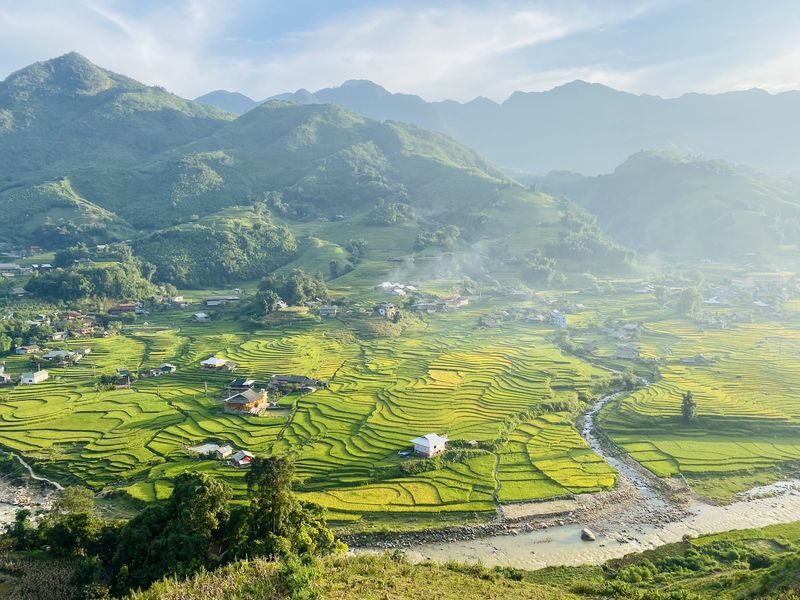
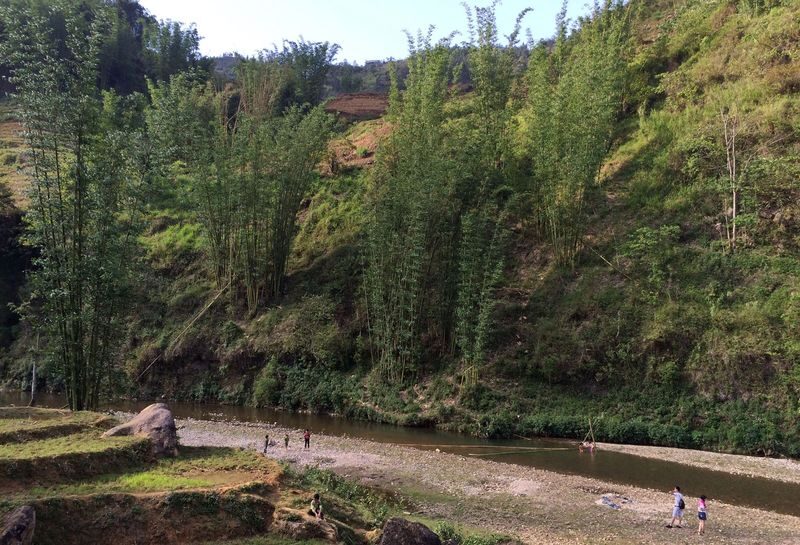
- Four villages, several kinds of scenery: The route visits Cat Cat, Lao Chai, Ta Van, and Giang Ta Chai, with mountain paths, rainforest, streams, and rice-growing country.
- Cat Cat has a cultural stop as well as a walk: You visit the Black H’Mong village and its old hydroelectric station, though the village can feel crowded and commercial.
- A homestay is part of the experience: One night is spent at a local homestay in Ta Van, with meals included as specified in the itinerary.
- The Hanoi transfer takes time: Allow roughly six to seven hours for the bus journey each way, based on past journeys, plus stops and the return trip to Hanoi.
- The trail calls for proper shoes: Rain can make paths muddy and slippery. Comfortable walking shoes, sun protection, and a light waterproof jacket are useful.
- The price covers the main trip costs: Transport, a guide, admission, two nights of accommodation, and scheduled meals are included. Drinks, tips, personal spending, and the final dinner are not.

👉 See our pick of the 18 Best Guided Tours In Sapa
From Hanoi to Sapa: a long ride with a useful payoff
The trip begins early, with departure listed at 6:00 from hotels in Hanoi’s Old Quarter. If you are using the meet-up location, arrive by 6:20 for the listed 6:30 departure. The operator is supposed to reconfirm your exact pick-up time and place the day before, between 16:00 and 20:00. Keep an eye on messages and make sure your phone is reachable.
The ride is a substantial part of the outing. One past trip took about six to seven hours, with rest stops along the way; bus comfort has varied. Bring water and something to occupy you, and keep essentials in a small bag rather than buried in your main luggage. The transfer is included, but the long road journey is worth factoring into your idea of a relaxing break.
When you arrive in Sapa, the first night is at a three-star hotel. The precise hotel can vary, so don’t plan around a specific property unless the operator confirms it. Some people have been moved between hotels or found the order of hotel and homestay nights changed. The operator’s schedule can also shift because of weather, traffic, or local conditions.
You can also read our reviews of more hiking tours in Sapa


Day 1: Cat Cat, Black H’Mong life, and the old power station
After checking in and having lunch at a local restaurant, you set out on a guided walk to Cat Cat Village and Muong Hoa Stream, home to Black H’Mong people. This gives the trip an immediate cultural focus: you are not simply looking at distant peaks, but walking through a lived-in village and learning about the people who call this region home.
One distinctive stop is the village’s old hydroelectric station. It adds a practical piece of local history to the visit and helps make Cat Cat more than a scenic backdrop. The setting is attractive, but the village can be busy and commercial. If you are hoping for an untouched settlement, adjust your expectations. Cat Cat is a popular stop, and some parts may feel geared toward visitors.
The walk also introduces you to the day-to-day shape of the trek: paths, streams, and changing terrain rather than a paved stroll. The itinerary warns that some attractions may be skipped due to capacity or weather. Treat the route as a plan, not a promise that every stop will happen in a fixed order.
Dinner is followed by free time in Sapa. That breathing space is welcome after the early start and bus ride. It also gives you a chance to explore town and choose your own evening meal or activity, though dinner on this first night is included.
Day 2: Lao Chai and Ta Van, where the trek slows down
The second day begins with breakfast, then a guided trek to Lao Chai and onward to Ta Van. This is the part of the trip that can make the package worthwhile for walkers: you move through village country at a slower pace, with views of mountain slopes, rice-growing terraces, and forested areas along the route.
A local lunch is included, with dishes that can change by season and ingredient availability. That flexibility is sensible in a rural area, but it means you should not expect a fixed menu. Meals are a useful part of the value here: the tour includes several, so you do not need to arrange every meal yourself while moving between villages.
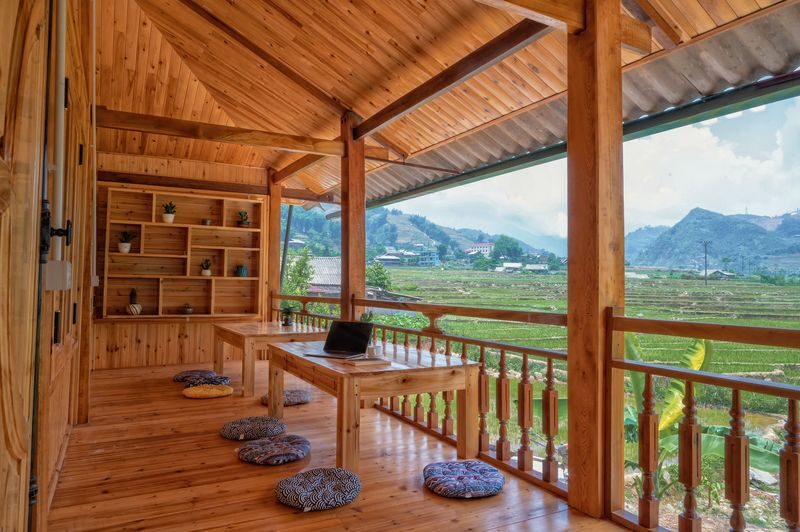
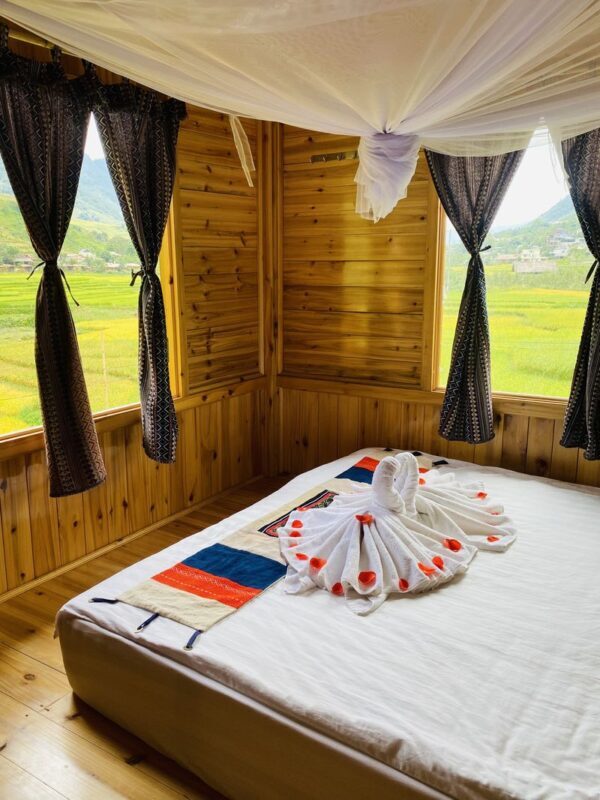
Ta Van is the overnight stop, and the change from hotel to homestay is a central part of the experience. Homestays can be welcoming and memorable, with a chance to meet the household and share a meal in a village setting. But the word homestay does not guarantee hotel-style comforts. Past stays have ranged from tidy and pleasant to basic, with shared bathrooms, limited hot water, or rooms that felt cold in winter. Heating and hot water are not assured.
Pack a small overnight bag for this night. Your main luggage may stay at the hotel, and you will not want to carry it along the trail. If sleeping alone matters to you, ask about the single-room supplement, listed at 500,000 VND per room for two nights. Room arrangements can also depend on the number of people in your booking.
Day 3: Giang Ta Chai, then the ride back
After breakfast at the homestay, the final guided trek heads to Giang Ta Chai. This last village stop completes the route and offers another chance to see rural life beyond the main town. The walks connect villages and scenery, not just attractions with a gate and a ticket booth. That is the trip’s real appeal: you have time to notice the terrain and the rhythms of the places you pass through.
Lunch is included, and the return from Sapa is scheduled for 15:00. The onward journey to Hanoi takes several more hours, with drop-off listed at the meet-up location around 21:30. Confirm the return arrangements before setting out, especially if you have an onward connection or evening plans. The timetable may shift with traffic and weather, and you should not treat the listed arrival time as a tight guarantee.
Dinner on Day 3 is not included. Bring snacks for the ride or plan to buy food at a stop. Drinks are also excluded throughout the tour.
How tough is the trekking?
This is a trekking tour, not a sightseeing coach trip with a short walk at each stop. The exact walking time and route can change, but you should be ready for uneven paths, slopes, and muddy sections. One past departure found the first trek lasted about four hours, while other descriptions of the daily walks suggest a more moderate pace. Your actual effort will depend on the route, weather, and group.
Rain deserves special attention. Wet trails have been described as slippery, and some people have slipped. Wear shoes with good grip, ideally ones you have already broken in. A light waterproof jacket is useful, particularly in winter or spring, and sun protection matters in clearer weather. Bring insect repellent, a hat, sunglasses, sunscreen, and a change of clothes. A towel is also on the recommended packing list.
If you have limited walking stamina, consider whether a three-day trek is the right fit. You can ask the operator about the expected route before departure, but the itinerary may change. A liability waiver is required, and the tour can be cancelled or adjusted in extreme weather.
You can also read our reviews of more tours and experiences in Sapa


Village encounters, shopping, and local etiquette
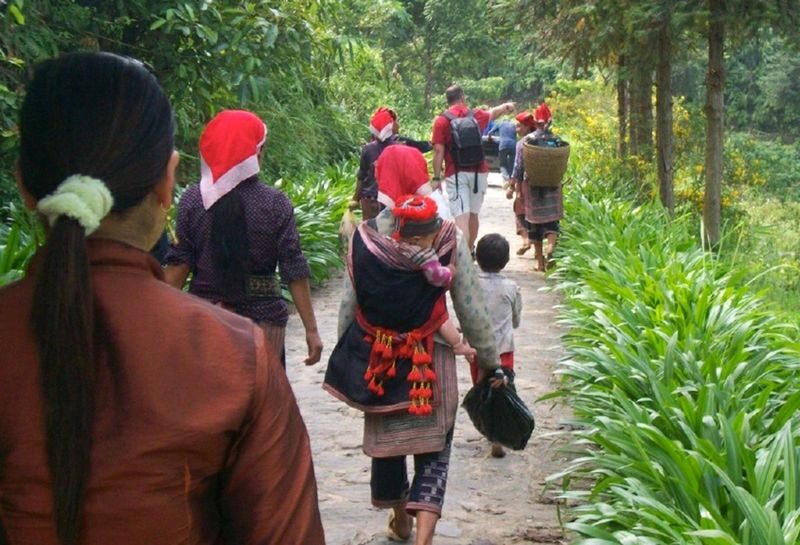
The route brings you into contact with local residents, including Black H’Mong communities. You may see villagers selling produce and handmade goods, and local people may offer a hand on trickier parts of the path. Some may then invite you to buy souvenirs. That can be a generous exchange, but it can also feel persistent if you are not interested.
Decide in advance how you want to handle it. A polite no is enough if you do not want to buy. If you do, ask the price before accepting an item and bargain if that feels comfortable. Prices can be higher than in Sapa town, so don’t feel obliged to buy something simply because someone walked beside you. Small children may also approach with items for sale. Keep your response calm and respectful.
The guide can help explain village customs and daily life, making the walk more meaningful than a series of photo stops. Guides named Tung, Cha, Phinh, and Zho have been praised for their friendliness, local knowledge, and personal stories. Names are not guaranteed, and the quality of communication can vary, but the guide is an important part of what you get for the price.
What the price covers, and what it does not
The tour starts at about US$122.49, with a package price also shown from US$123.75. Prices can vary by date and booking conditions. For a three-day trip with transport from Hanoi, two nights of accommodation, a guide, admission, and the meals listed in the schedule, that is a strong amount of coverage. You are paying for the long transfer and the logistics of linking several villages, not only for the walking itself.
The included meals are the ones scheduled in the itinerary. Drinks, tips, personal expenses, and dinner on the final day are extra. There is a holiday surcharge of 600,000 VND per person for travel from February 16 to 20, 2026, payable on site. Check the total cost before you book, especially if you are travelling alone and want a private room.
The package requires at least five participants. If the minimum is not reached, you can choose another date or request a full refund. Children aged zero to three travel free if they do not need a separate seat, but infants and children must still be included in the passenger count.
Who should book this Sapa trek?
I would consider this tour if you want to see Sapa on foot, value a guide’s local perspective, and are comfortable with simple accommodation. It suits people who would rather walk between villages than spend the whole trip in town, and who are happy to share transport and meals with a group.
It is less suitable if you need a fixed itinerary, reliable heating, a private bathroom, or a precise arrival time in Hanoi. The accommodation and bus can vary, and the route may change at short notice. For the best chance of enjoying it, travel with flexible plans, pack light for the trek, and bring shoes that can handle mud.
3D2N Sapa Trekking Standard Tour from Hanoi
“Phinh was a great host and tour guide! Sapa was gorgeous”
FAQ
How long is the tour?
The experience lasts three days and two nights. It includes travel between Hanoi and Sapa, guided village treks, and two nights of accommodation.
Which villages does the trek visit?
The planned route includes Cat Cat, Lao Chai, Ta Van, and Giang Ta Chai. The order or specific stops can change because of weather, traffic, or capacity.
Is transport from Hanoi included?
Yes. Round-trip transfers are included, with hotel pick-up coverage in Hanoi’s Old Quarter. If your hotel is outside that area, you need to go to the meet-up location.
What accommodation is included?
The package includes one night at a three-star hotel and one night at a local homestay. The specific properties may vary.
Are meals included?
Meals marked in the itinerary are included. Drinks and dinner on Day 3 are not included, and the menu may change with the season and available ingredients.
What should I bring for the trek?
Bring comfortable walking shoes, a hat or cap, sunglasses, sunscreen, insect repellent, a light waterproof jacket, a change of clothes, and a towel. A small overnight bag is useful for the homestay.
Is the trek difficult?
The route includes trekking on uneven paths, and rain can make trails slippery. Walking time and conditions vary, so be prepared for a proper walk rather than a brief stop at each village.
Is there a single-room supplement?
Yes. The listed supplement is 500,000 VND per room for two nights if you want to stay alone in a single room.
What happens if the minimum group size is not reached?
The activity requires at least five participants. If the minimum is not met, you can book an alternative date or request a full refund.