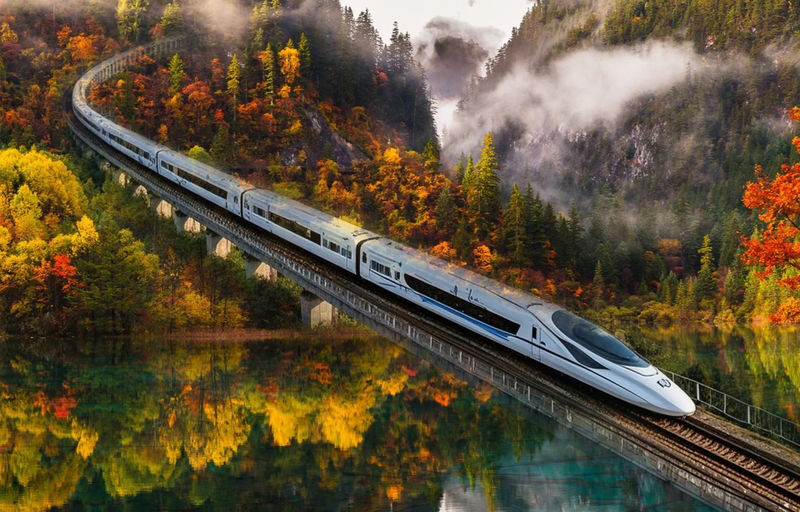
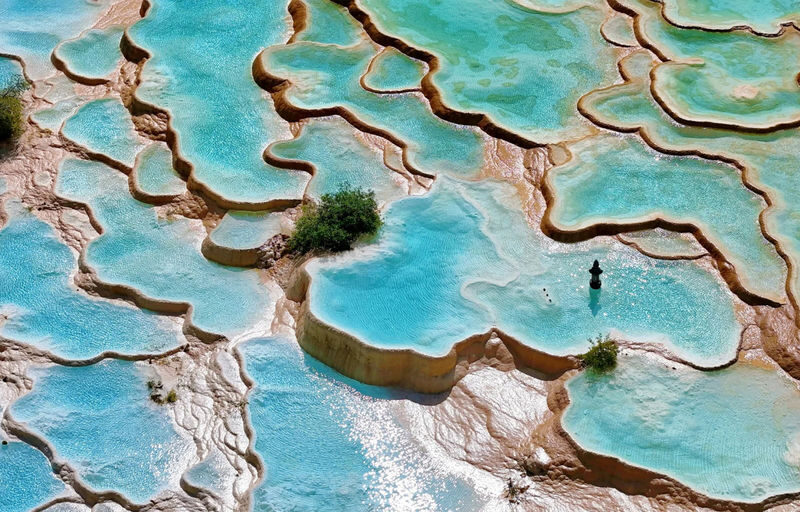
Jiuzhaigou’s clear lakes and Huanglong’s tiered mineral pools make a striking pair, and this three-day tour links them by high-speed train from Chengdu. You trade a long road journey for rail, then travel by coach through high mountain country to two of Sichuan’s most famous parks.
I like two things here: a full eight hours in Jiuzhaigou, so the day is not just a quick look at the main lakes, and an evening Tibetan meal with hot pot and a bonfire dance. I also like that park entry tickets and the train fare are included, which removes some big planning jobs.
The catch is that the advertised price does not cover every cost, and several scenic-area transport and insurance fees are mandatory. You should also expect a demanding schedule, high altitude, and a tour conducted mainly in Chinese unless you book one of the private English-speaking options.
At a glance
- Huanglong gets four scheduled hours: Expect colorful calcified pools, mountain views, and plenty of walking.
- Jiuzhaigou gets a full day: The eight-hour visit gives you time to see lakes, waterfalls, forests, and the park’s internal shuttle routes.
- The train saves road time: The tour includes second-class high-speed rail tickets between Chengdu and Huanglong Jiuzhai Station.
- Tibetan culture is part of the itinerary: The first evening includes a family-style meal, hot pot, local drinks, performances, and bonfire dancing.
- Budget for required extras: Scenic buses, insurance, and Huanglong’s uphill cable car are charged separately.
- Guide language matters: The standard group tour has a Chinese-speaking guide. Private English-speaking packages cost considerably more.
- At a glance
- Rail to the mountains, then straight to Huanglong
- Huanglong’s pools are the first big test
- A Tibetan-style dinner, with a practical caveat
- Jiuzhaigou deserves the full day
- The Minjiang River source makes a quieter final stop
- What the price includes, and what it does not
- Altitude, ticket documents, and other details to settle
- Should you book this Jiuzhaigou tour?
- FAQ
- Is the high-speed train included?
- Are the Huanglong and Jiuzhaigou park tickets included?
- What additional scenic-area charges should I budget for?
- Is an English-speaking guide included?
- What meals are included?
- What documents should I bring?
- Is this tour suitable for young children or older adults?
- More Tours in Ngawa
- More Tour Reviews in Ngawa
Rail to the mountains, then straight to Huanglong
 1 / 8
 2 / 8
 3 / 8
 4 / 8
 5 / 8
 6 / 8
 7 / 8
 8 / 8
The tour starts at Chengdu’s railway station, where you make your own way to the train. The departure is listed for 10:30, with arrival at Huanglong Jiuzhai Station around 12:30, though the exact train time depends on ticketing. Arrive about an hour early, not at the last minute. Tickets are assigned by the system, so you cannot choose seats, and companions may not sit together.
At the station, a driver or guide meets the group for the trip to Huanglong. Keep your phone switched on and wait at the designated pick-up point. The instructions specifically caution against wandering off or accepting help from strangers, a sensible reminder at a busy station where several groups may be gathering.
You get a short window for lunch before heading to the park. Day one’s lunch is at your own expense, so bring a snack if you tend to get hungry on a tight schedule. The stated transfer to Huanglong takes about 30 minutes, but mountain roads and traffic can alter the day’s timing.
The rail connection is a real advantage. Chengdu to the high country is a long haul by road, and the train takes much of that strain out of the trip. It does not make the itinerary leisurely, though. Once you arrive, the schedule moves directly into sightseeing.
Huanglong’s pools are the first big test
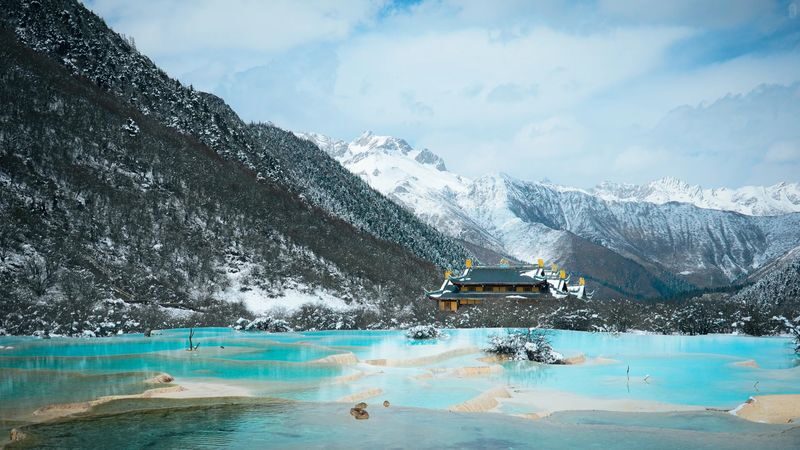
Huanglong National Geological Park is known for its pale mineral terraces and pools, which change color with the water, light, and season. The park sits high in the mountains, with snow peaks and forest around the travertine formations. You have about four hours for the visit, a useful stretch of time but not a casual stroll.
The uphill cable car is mandatory according to the tour information, at ¥80 per person. The Huanglong sightseeing bus costs ¥20, and park insurance is ¥10. The cable car helps with the climb, but you still need to walk at altitude, and the park’s upper sections rise above 4,000 meters. Stairs, slopes, and thin air can make a short distance feel longer than it looks.
There is also a listed ¥40 fee for the cable car descent, while an audio guide costs ¥30. These are separate from the mandatory uphill cable car, bus, and insurance charges. Ask the operator which route and optional services apply to your departure before you go, since the information distinguishes between required and voluntary purchases.
Weather changes the feel of Huanglong. One day can bring clear views and bright pools; another can bring rain, snow, or wet paths. Pack a warm layer and shoes with good grip. In colder months, some visitors have found a down jacket useful, and wet or icy conditions call for extra care.
Four hours is enough to see the principal sights if you keep moving, but this is not the place to linger over every viewpoint. The guide can help you prioritize. If you walk slowly, have mobility concerns, or feel the altitude strongly, tell the guide early rather than trying to keep pace in silence.
A Tibetan-style dinner, with a practical caveat
After Huanglong, the coach takes you toward the evening meal and hotel. The advertised dinner combines a Tibetan family-style setting, hot pot, local drinks such as yak butter tea and highland barley wine, and cultural performances followed by bonfire dancing outdoors. It is one of the itinerary’s more distinctive touches, a chance to encounter local customs rather than spending both evenings only in a hotel dining room.
Treat the performance as part of a group event, not a private visit to a family home. Timing can be tight after a long day, and delays may shorten the evening. If the train or road schedule runs late, the meal and dancing may not unfold exactly as planned.
The food is communal, and the menu may not suit everyone. The tour information notes that local meals contain beef, so people who cannot eat beef should check carefully before booking. Some meals are served for the group to share, which may be uncomfortable if you have strict hygiene preferences or dietary needs.
The first night’s hotel may be in Chuanzhusi or another nearby area, depending on the actual assignment. Listed properties are described as four-diamond hotels, but the exact property can change. A hotel’s local rating label may not match the standard you expect from a familiar international chain, so choose the hotel tier for a more comfortable room, not as a guarantee of a particular brand or service level.
Jiuzhaigou deserves the full day
The second morning starts early. After breakfast, a short coach transfer takes the group to Jiuzhaigou Valley, where the scheduled guided visit lasts about eight hours. That generous block is one of the tour’s strongest features. Jiuzhaigou is a large park, and trying to fit its lakes and waterfalls into a brief stop would miss the point.
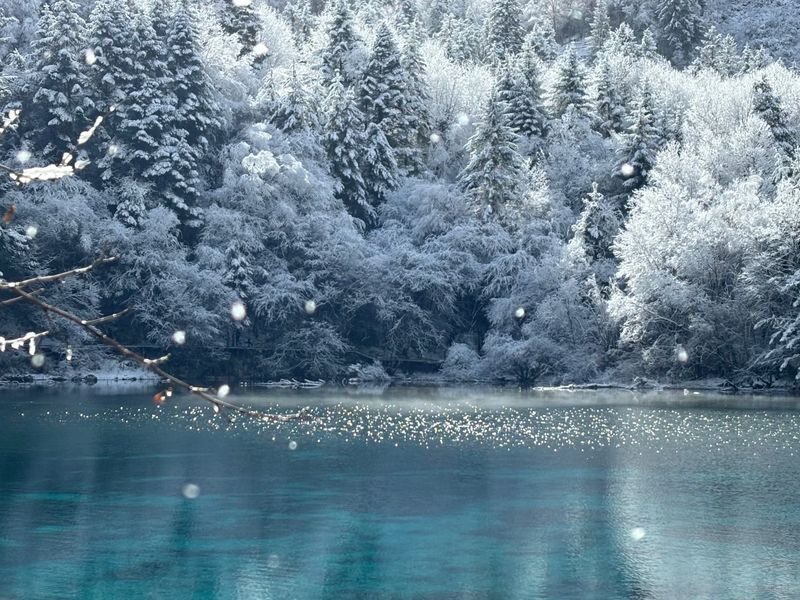
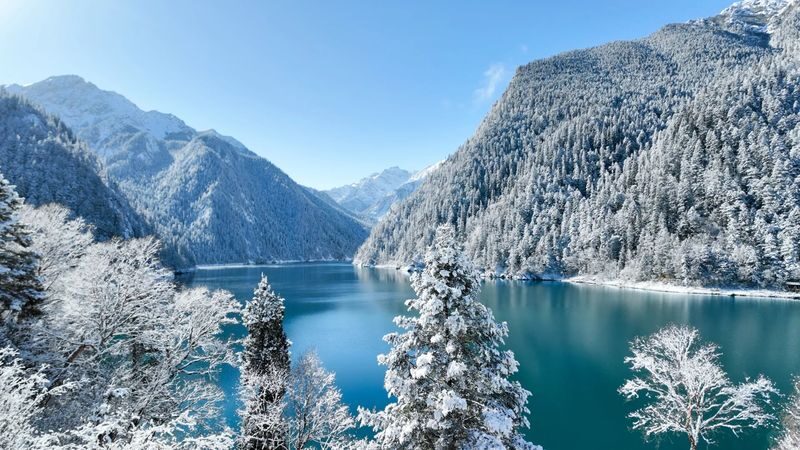
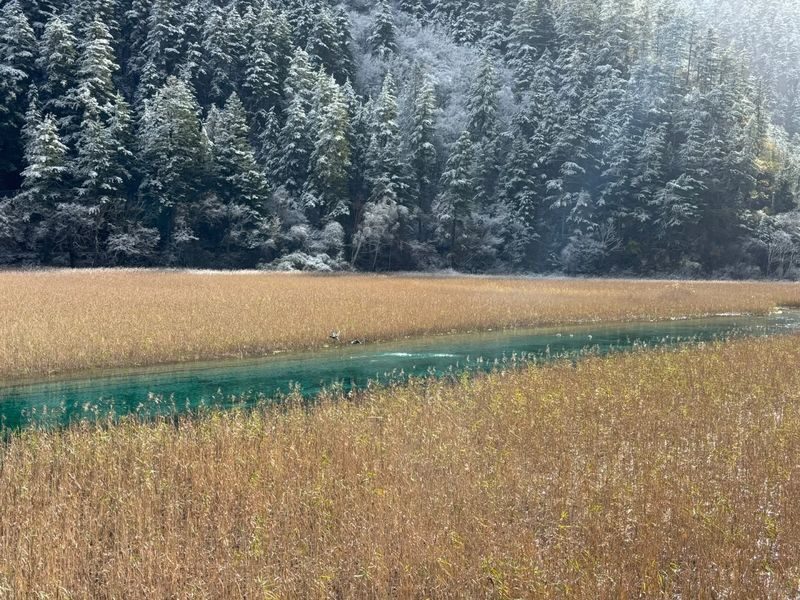
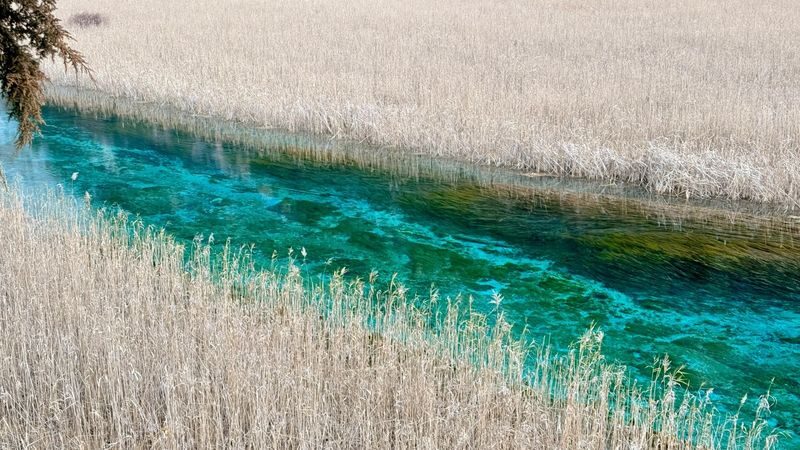
Inside, the park’s shuttle buses connect major areas. The scenery is known for clear alpine lakes, layered waterfalls, forests, snow peaks, and seasonal color. Five-Color Pond and Nuorilang Waterfall are among the best-known sights, but the appeal is also in the shifting views along the routes between them. The Jiuzhaigou shuttle bus is an extra charge, listed at ¥80 in the off-season and ¥90 in peak season, plus ¥10 for park insurance.
Eight hours sounds ample, but the park is popular and queues can eat into your time, especially during summer holidays and China’s October holiday period. A good guide can make a difference by explaining where to go first and how to use the available time. Guides assigned to different departures vary; names that have led groups include Yu Han, Li Jing, and Zhang Rui.
The standard group guide speaks Chinese. Some international visitors have managed with translated WeChat messages or help from people who speak English, but that is not a service you should assume. If you need English throughout, the private English-speaking packages are the safer choice.
Expect a lot of walking. You can use the park buses between areas, but viewpoints and boardwalk sections still require time on foot. Carry water, take breaks, and do not rush to match the fastest people in the group. The guide’s reminders about altitude and pacing are useful, but you are responsible for speaking up if you feel unwell.
Dinner is scheduled at the hotel after the park visit. The tour includes two breakfasts and three full meals overall, though the exact meal arrangements can vary with the day’s timing. The first day’s lunch is explicitly at your own expense. Confirm meal coverage and any dietary restrictions before departure rather than relying on assumptions.
The Minjiang River source makes a quieter final stop
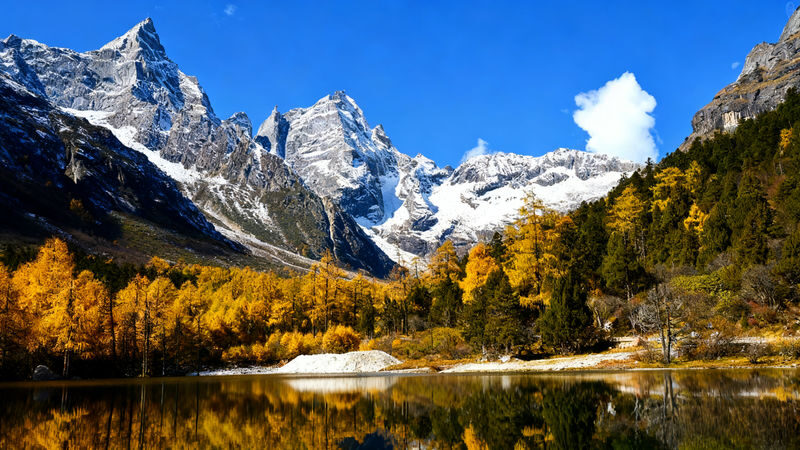
Day three begins with breakfast and a roughly two-hour coach ride to the Minjiang River source area. The stop is described as a meeting of snow peaks, meadows, streams, and yaks, with a chance to see a more open, pastoral side of the region after the two headline parks.
The visit is short, about an hour before lunch and the return train. That makes it a pleasant final pause, not a substantial excursion. The schedule says the group heads to lunch around 10:30, then goes to the station for a train listed at about 13:00, arriving in Chengdu around 16:00. Traffic, weather, and train arrangements can shift those times.
Do not plan a tight onward connection in Chengdu. The tour disbands at the station, and the operator advises allowing for possible road delays. A later connection or an extra night in Chengdu gives you more breathing room.
What the price includes, and what it does not
Prices vary by package and date. The options provided start at about US$301 for four-diamond hotels, US$366 for five-star hotels, and around US$801 for a private English-speaking guide with four-star hotels. A private English-speaking guide with five-diamond hotels starts at about US$854. The headline price may differ from these package examples, so compare the actual dates and hotel level before paying.
The standard package includes round-trip second-class train tickets, first-entry tickets to Huanglong and Jiuzhaigou, two hotel nights, two breakfasts, several meals, coach transport, a Chinese-speaking local guide, and travel accident insurance. It is a solid bundle for anyone who wants the main logistics handled in one booking.
But allow for the required scenic-area charges: Huanglong’s uphill cable car at ¥80, sightseeing bus at ¥20, and insurance at ¥10, plus Jiuzhaigou’s shuttle bus at ¥80 or ¥90 and insurance at ¥10. That is about ¥200 to ¥210 per person beyond the package price, before optional services such as Huanglong’s audio guide, the cable car descent, a Jiuzhaigou buffet, or the Jiuzhai Eternal Love show.
Ask for a clear itemized total before departure. Some optional experiences may be offered on the spot, and you should feel free to decline anything that is not included. The show is listed as voluntary, at about ¥260 per person. Personal purchases, single-room supplements, and expenses caused by major disruptions are also outside the package.
Room arrangements are based on two adults sharing a twin room. Solo visitors pay a single-room supplement, and three adults need to arrange for a second room rather than relying on an extra bed. The named hotels are examples, not firm assignments. The exact hotel depends on availability, and the accommodation may be split between Chuanzhusi and Jiuzhaigou.
Altitude, ticket documents, and other details to settle
Huanglong and Jiuzhaigou sit at high altitude. The itinerary is not a good fit if you have serious heart or respiratory conditions, and it is not recommended for pregnant people. The age rules provided are inconsistent: one section sets a minimum age of seven, another discusses children aged five to eleven, and the child policy says children under six cannot participate. The stated senior rules also vary, with medical documentation required from age 61 and travelers over 75 excluded. Confirm your eligibility directly before booking.
You must bring the original document used to book, such as your passport or Chinese ID, for both train travel and park entry. International visitors need to send passport details promptly so the train tickets can be issued. The operator warns that missing information can affect the return seat, and one serious booking failure could leave you traveling without a reserved seat. Keep written confirmation of both train legs and contact the operator if the details have not arrived.
Seats are assigned at random, so couples and families may not sit together. The group coach is arranged according to the number of participants, with one seat per person. You may bring up to three standard-sized pieces of luggage, but pack with the transfers and hotel changes in mind.
Should you book this Jiuzhaigou tour?
I would consider this tour if you have only three days, want both Huanglong and Jiuzhaigou, and prefer a coordinated rail-and-coach plan to arranging every ticket and transfer yourself. Its best value is the combination of the high-speed train, park entry tickets, a full day in Jiuzhaigou, and a local guide who can help make the park days run more smoothly.
I would hesitate if you need a slow pace, guaranteed English guidance on the standard group tour, a particular hotel standard, or full control over meal choices. The altitude and walking are real, and the extras push the final cost above the initial fare.
Before booking, compare the package tiers, get the required fees in writing, confirm your hotel locations and train seats, and ask which age and health rules apply to your party. If those points work for you, this is an efficient way to see two of Sichuan’s most memorable natural parks without spending the trip behind a car window.
3-Day High-Quality Bullet Train Tour to Jiuzhaigou, Chengdu, Sichuan
“We had a great trip exploring the Jiuzhaigo area, Huang Long and other attractions along the way! Yu Han is a wonderful tour guide and took great c…”
FAQ
Is the high-speed train included?
Yes. The standard package includes round-trip second-class high-speed train tickets between Chengdu and Huanglong Jiuzhai Station. Seats are assigned at random and may not be together.
Are the Huanglong and Jiuzhaigou park tickets included?
First-entry tickets for both scenic areas are included. Required internal transport and insurance fees are extra.
What additional scenic-area charges should I budget for?
The listed required charges are ¥80 for Huanglong’s uphill cable car, ¥20 for its sightseeing bus, ¥10 for Huanglong insurance, ¥80 or ¥90 for Jiuzhaigou’s shuttle bus, and ¥10 for Jiuzhaigou insurance. Optional services cost extra.
Is an English-speaking guide included?
The standard group tour includes a local Chinese-speaking guide. Private English-speaking guide packages are available at higher prices.
What meals are included?
The package includes two breakfasts and three full meals. The first day’s lunch is explicitly at your own expense, so confirm the precise meal schedule for your departure.
What documents should I bring?
Bring the original passport, Chinese ID, or other travel document used for booking. International visitors must provide passport details promptly for train ticketing.
Is this tour suitable for young children or older adults?
The age information is inconsistent. It states a minimum age of seven, also gives rules for children aged five to eleven, requires medical documentation for some older participants, and excludes people over 75. Confirm the current rules with the operator before booking.