Bako is a place where the day’s walk and the night’s walk feel like different outings. In Sarawak’s oldest gazetted national park, you can look for proboscis monkeys and silvered leaf monkeys by daylight, then listen for the forest’s smaller creatures after dark. The wildlife is wild, not scheduled, so sightings are never guaranteed.
I like two things about this overnight trip: a guide can spot animals you might walk past, and staying in the park gives you time to experience it after the day visitors have gone. Meals, accommodation and round-trip transfers are included, which takes some of the planning off your plate.
The trade-off is that this is a basic park stay, not a jungle resort. Rooms can be simple, some have shared bathrooms, and sightings may be few; one visitor’s night walk turned up just a spider. Go for the forest time, not a promise of a wildlife checklist.
- The quick take
- A first look at Bako’s forest and coast
- Getting to the park and settling in
- Day walks: look closely, not just far
- The night safari: a different kind of wildlife search
- Time by the beach and the boat outing
- Meals, comfort and the value of an overnight package
- Who should book the Bako overnight
- FAQ
- How long is the tour?
- What is included in the package?
- Is a guide included?
- What animals might I see?
- What is the night safari walk like?
- Is the accommodation luxurious?
- Are meals included?
- Is a boat trip part of the tour?
- What is the starting price?
- What is the cancellation policy?
- More Tours in Sarawak
- More Tour Reviews in Sarawak
- Not for you? Here's more nearby things to do in Sarawak we have reviewed
The quick take
 1 / 4
 2 / 4
 3 / 4
 4 / 4
- Two kinds of forest outing: The package includes daytime walks and a night safari walk, with different chances to notice wildlife and forest life.
- Guides matter here: Guides including Den, Joe, Jol and Jo have helped visitors spot animals and understand the park’s plants and local environment.
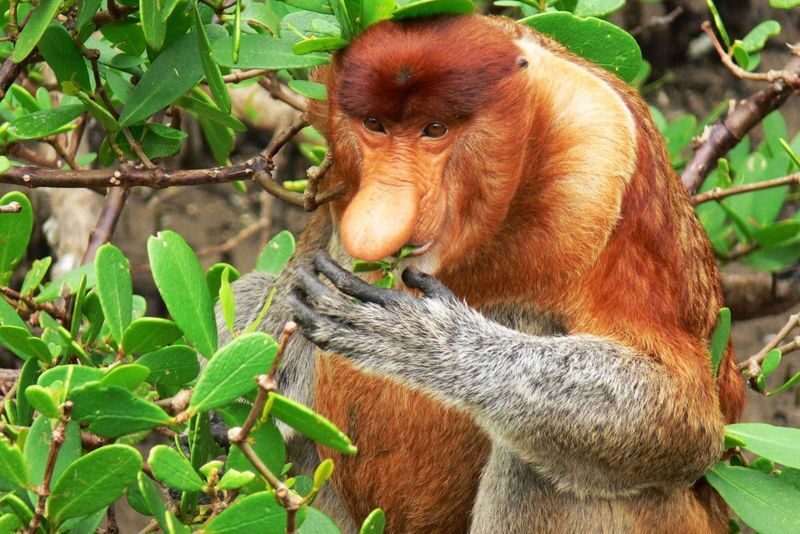
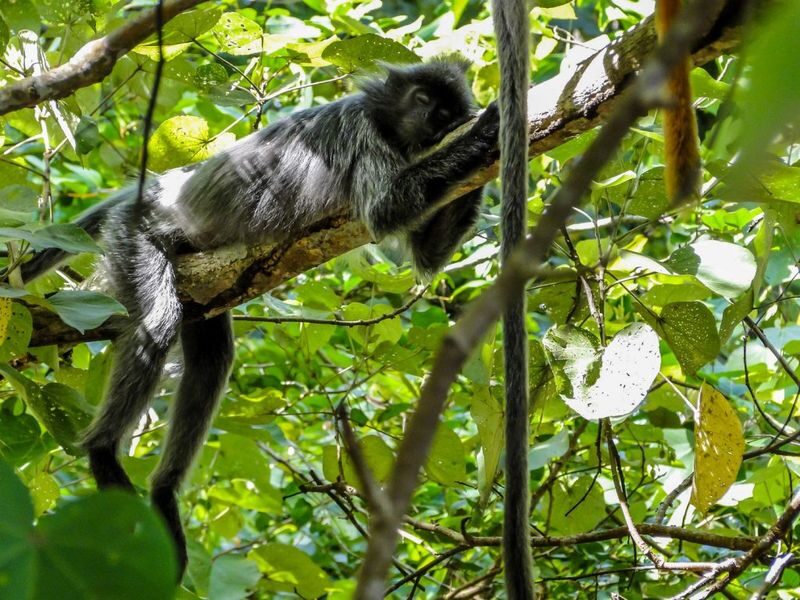
- Wildlife is unpredictable: Proboscis monkeys, silvered leaf monkeys, wild boar, snakes, frogs and insects have been seen, but no sighting is guaranteed.
- You sleep inside the park: Expect practical, basic accommodation rather than a polished hotel. Some rooms may have shared bathrooms.
- Meals and transfers are included: That convenience adds value, especially for a short overnight trip.
- The package starts at $225.35: The price covers several essentials, but you should weigh that against the simple lodging and the chance of quiet wildlife walks.
A first look at Bako’s forest and coast
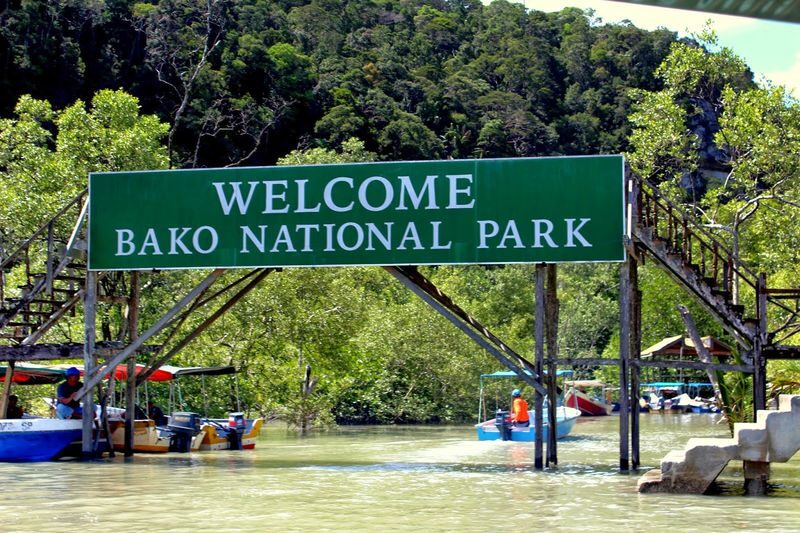
Bako National Park is Sarawak’s oldest gazetted national park, and an overnight stay gives you more than a quick look at its trails. The park’s wildlife and plant life are the main draw, but the rhythm matters too: a guided walk in daylight, a meal back at the park facilities, and then a walk after sunset.
The package is designed to make that short visit manageable. Accommodation, meals and round-trip transfers are included, and the guided format helps with practical parts of the stay as well as wildlife spotting. A guide can explain what you are seeing, help with check-in and meals, and adjust the pace to suit the group.
That support is especially useful if you are new to walking in a tropical forest. One guest described getting help from the guide in choosing a trail and keeping walks comfortable in hot weather. Still, it is worth bringing water and mosquito repellent. The paths can feel tiring, and there is no promise that a given walk will produce dramatic sightings.
You can also read our reviews of more tours and experiences in Sarawak.

Getting to the park and settling in
The tour includes round-trip transfers, with pickup arrangements made before the trip. Past itineraries included a drive to the jetty, then onward travel to Bako. The road journey was described as bumpy by one visitor, so do not expect a smooth, silent ride from start to finish.
Once at the park, you check in and meet your guide for the planned activities. A guided visit can make this handover easier: your guide can help you get oriented, explain what comes next and make the meal arrangements less of a puzzle. That practical help matters when you have just arrived and want to make the most of limited time.
The included lodging is functional, not fancy. Rooms have been described as basic, with fans rather than air-conditioning in some cases. One visitor found a mattress on the floor, a fridge and fans, while another had a clean room with a shared bathroom. The exact room type may not be clear when you book, so ask about it before confirming if a private bathroom matters to you.
Set expectations carefully. You are staying in a park facility, not trekking deep into the forest to a remote lodge. One account placed the accommodation close to the entrance centre and beach. That location is convenient, but it may not match an image of an isolated cabin surrounded by untouched jungle.
Day walks: look closely, not just far
Daytime walks are the best chance to search for Bako’s larger animals and learn about the park’s plants. Trails vary in how demanding they feel, and guides may help you choose a route and adapt the pace. One visitor described the hikes as tiring; others found their chosen walks manageable. Heat, fitness and the route all affect how you experience them.
Do not judge a walk only by how far it takes you into the forest. Some routes may use walkways and stay close to developed areas, which can disappoint anyone expecting a strenuous trek through remote jungle. The value is often in looking carefully: a guide who knows where animals tend to appear can help you notice wildlife that would be easy to miss alone.
Sightings have included proboscis monkeys, silvered leaf monkeys, wild boar, a flying lemur, snakes, frogs, lizards and insects. One group saw a green pit viper, while another saw a green viper, a frog and a poisonous worm. That range suggests what may be possible, not what you should count on. Some visitors saw several kinds of animals; one group saw very few during two hikes.
Bring binoculars or a camera with a useful zoom if you have them. Monkeys can be difficult to photograph clearly from a distance, and a phone may not give you the close-up image you hoped for. More important, let the guide set the pace and point out details. The walk can be rewarding even when the animals remain hidden, especially if you are interested in plants and the surrounding environment.
The night safari: a different kind of wildlife search
After dark, the park changes character. The night safari walk is less about covering ground and more about watching and listening for small creatures. Visitors have found insects and other nocturnal life, though one night walk produced only a spider. Heavy thunderstorms have also forced a night walk to be cancelled.
A guide is particularly useful after sunset. The guide can help you move safely and point out small animals you could easily overlook. You may not see large mammals, and the walk may feel quiet if you expect constant action. Think of it as a chance to notice the forest at night, not a guaranteed parade of wildlife.
Day and night walks make a good pair because they ask you to look for different things. In daylight, you may scan trees and trails for monkeys and larger animals. At night, attention shifts to insects and the sounds around you. If the weather turns severe, some activities may be cancelled, so keep your expectations flexible.
Time by the beach and the boat outing
The beach near the park accommodation can offer a useful chance to watch for animals without taking another forest walk. Proboscis monkeys and silvered leaf monkeys have been spotted there, and one visitor saw both close to the lodge. But animal activity changes from day to day, so the beach is not a guaranteed viewing spot.
A boat trip has also featured during some stays. Treat it as an optional change of perspective, rather than the centrepiece of the tour. One visitor found the rock formations similar to those visible from shore, while another group appreciated having a boat ride included in a fuller schedule. Its appeal will depend on your interests and the conditions on the day.
The main reason to stay overnight is the extra time, not a promise of a particular outing. You may get several walks, a night walk and a boat trip, but the exact sequence and activities can depend on the group and conditions. Ask the operator what is planned for your date if the boat portion is important to you.


Meals, comfort and the value of an overnight package
Meals are included, and the food has been described as simple but good. It is practical fuel for a short park stay, rather than a dining attraction in its own right. Water has also been included in some accounts, but bring extra if you drink a lot, and carry enough for your walks.
At from $225.35, the package’s value comes from bundling several pieces: accommodation, meals, transfers and guided activities over two days. You avoid arranging each part separately, and the guide can help with the park’s routines. For a short stay, that convenience can be worth paying for.
The price will feel less compelling if you expect a comfortable resort room or guaranteed animal sightings. The lodging is basic, and wildlife can be elusive. Compare the cost with what you would spend arranging transport, meals and a guide separately, then decide how much you value having the overnight details handled for you.
This is a good fit if you want an organized introduction to Bako and are happy with simple facilities. It also suits families who want children to experience wildlife, although you should consider the walking, heat and basic room setup. If comfort is your priority, or you want a long, remote jungle trek, this package may not match your hopes.
Who should book the Bako overnight
Book this tour if you want a guided, two-day introduction to Bako, enjoy looking for wildlife, and value having the main logistics arranged. The strongest part is the combination of time in the park and a guide who can help you spot and understand what is around you. Guides named by past participants include Den, Din, Jo, Joe and Jol.
Go in with a flexible plan. You might see a variety of animals, or only a few. A night walk may turn up small creatures rather than dramatic wildlife, and weather can affect the schedule. The best mindset is curiosity, comfortable walking clothes, water and mosquito repellent, plus a willingness to enjoy the park even when the animals keep their distance.
2D1N Sarawak Bako National Park Tour with Night Safari Walk
“Our guide, Din (spelling questionable) was outstanding and really helped us have the best experience possible. He was so knowledgeable and well pre…”
FAQ
How long is the tour?
The package is a two-day, one-night tour of Bako National Park.
What is included in the package?
The tour includes accommodation, meals, round-trip transfers and guided activities, including a night safari walk.
Is a guide included?
Yes. The tour is guided. Guides help with the walks, wildlife spotting and practical parts of the park visit.
What animals might I see?
Possible sightings include proboscis monkeys, silvered leaf monkeys, wild boar, flying lemurs, snakes, frogs, lizards and insects. Sightings vary and are not guaranteed.
What is the night safari walk like?
It is a guided walk after dark to look for nocturnal forest life, including smaller creatures such as insects. What you see depends on conditions and animal activity.
Is the accommodation luxurious?
No. The accommodation is basic. Some rooms have fans rather than air-conditioning, and a shared bathroom may be assigned.
Are meals included?
Yes. Meals are included, and the food has been described as simple. Bring extra water if you expect to need more than what is provided.
Is a boat trip part of the tour?
A boat outing has been included in some tour schedules, but the supplied details do not confirm that it is guaranteed on every date. Check with the operator if it is important to you.
What is the starting price?
The listed starting price is $225.35. The final price may depend on the option available when you book.
What is the cancellation policy?
Cancellations made at least two days before the selected activity date may receive an 80% refund. For unforeseen events or extreme weather, the operator may cancel and offer a reschedule or full refund; if only some activities are cancelled because of such conditions, no refund is stated.