Okunoshima has two stories: the familiar one is a small island where rabbits hop along the paths; the less obvious one is a past marked by ruins and wartime history. This full-day trip pairs that island visit with Takehara’s preserved old town, giving you more than a cute-animal stop.
I like the contrast between the two places, and I like that an English-speaking guide helps you handle public transport and ferry connections that can be awkward to piece together on your own. The trade-off is a long day with several hours of outdoor walking, and lunch and drinks are not included.
- Takehara’s Edo-era streets: Walk the Townscape Conservation Area, where preserved buildings recall the town’s merchant and port history.
- Okunoshima by ferry: Take a short boat ride to Rabbit Island, then explore with a guide and enjoy free time.
- Rabbits and ruins together: Meet the island’s wild rabbits while also seeing structures that point to a less cheerful chapter of its past.
- Seto Inland Sea views: Coastal paths offer open water views and an ocean breeze, weather permitting.
- A guided public-transport day: Transport and a transportation card are included, but the day still involves walking and transfers.
- A full day from Hiroshima: Meet at 8:00 AM and expect to return around 5:30 PM, with timing subject to traffic and weather.
- Two very different sides of Hiroshima Prefecture
- The 8:00 AM start and the value of a guide
- Takehara’s preserved streets and merchant past
- The ferry crossing to Rabbit Island
- A long outdoor day, with weather in the equation
- Is the price worth it?
- Who should book this day trip?
- FAQ
- Where does the tour depart from?
- What time does the tour leave and return?
- How do you get to Okunoshima?
- Is lunch included?
- Are admission and a guide included?
- How much walking should I expect?
- Can children join the tour?
- Is luggage storage provided?
- More Tour Reviews in Takehara
- Not for you? Here's more nearby things to do in Takehara we have reviewed
Two very different sides of Hiroshima Prefecture
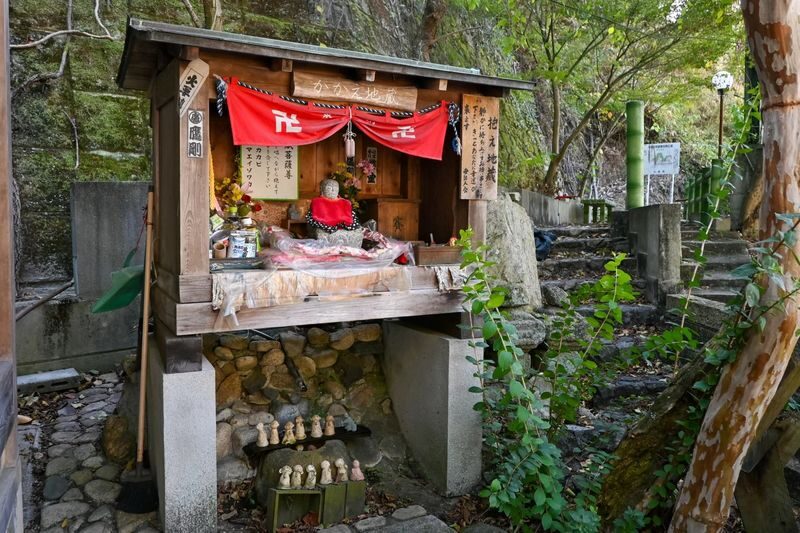
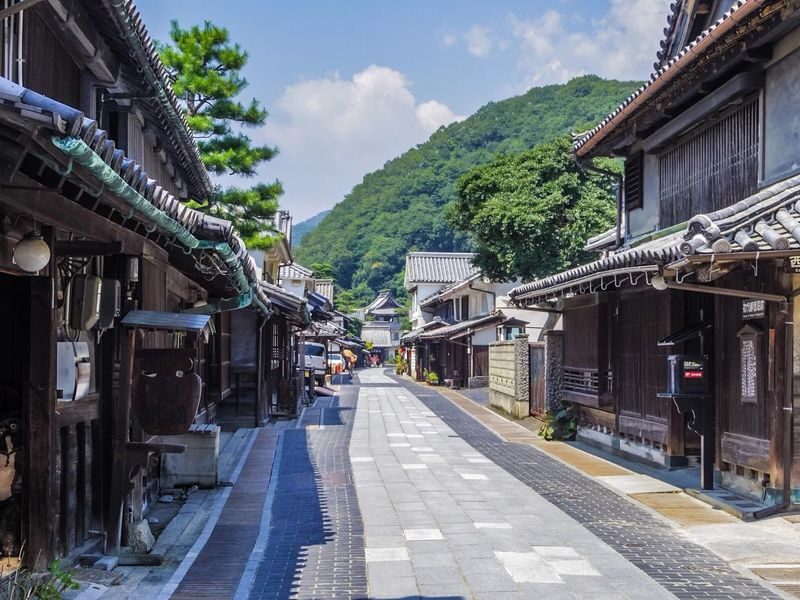
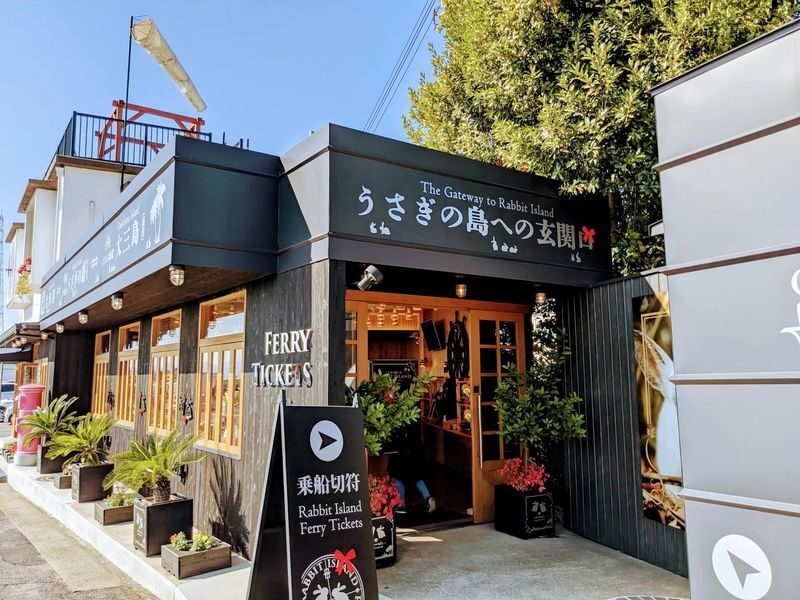
The appeal here is the pairing. Takehara gives you quiet lanes and preserved buildings; Okunoshima brings open coastline, ruins, and rabbits that have made the island famous. You spend the day moving between a human-scale historic town and a small island with a more complicated past.
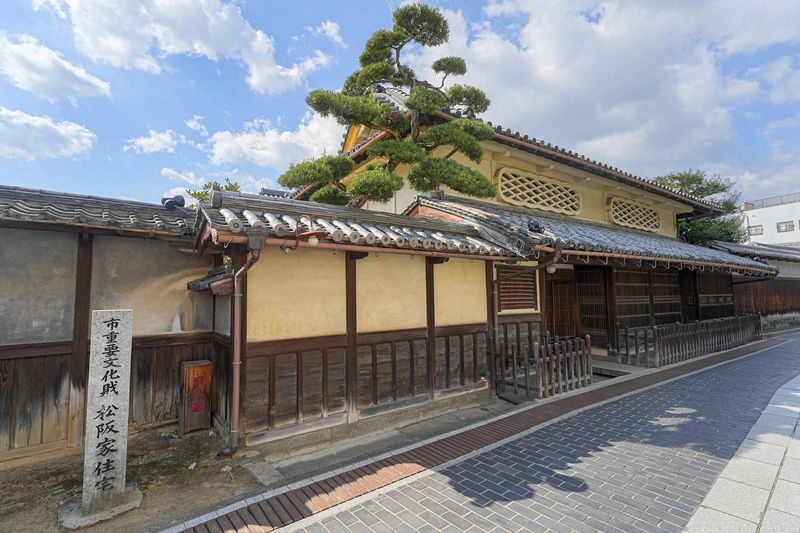
Takehara once prospered through port trade, salt production, and sake making. Its Townscape Conservation Area preserves the look of an older merchant town, and the guided walk gives you context for the buildings rather than leaving you to guess what you are seeing. The district is often called Hiroshima’s Little Kyoto, but think of that as a shorthand for its traditional streets, not a promise of Kyoto-sized sights or crowds.
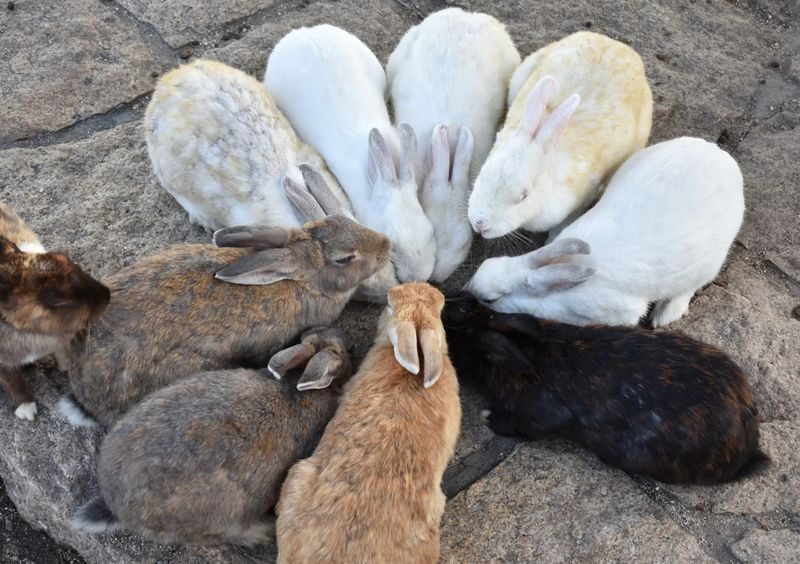
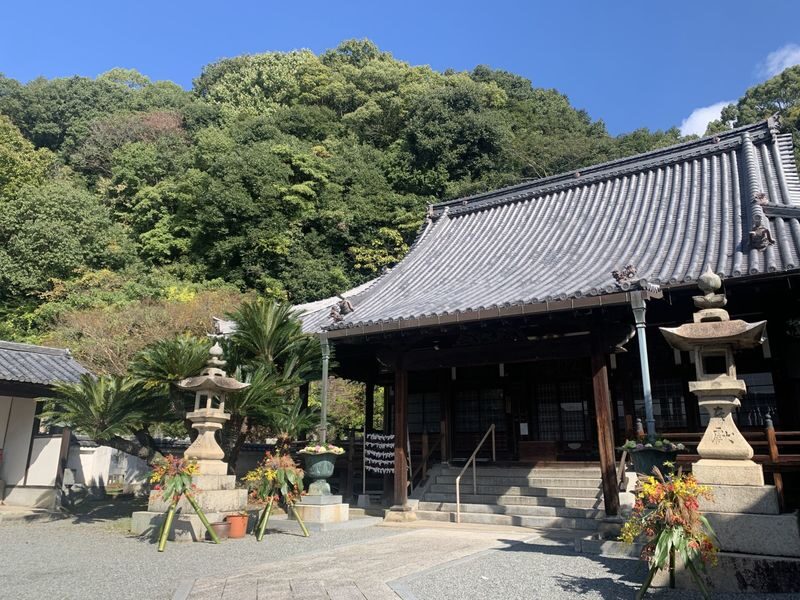
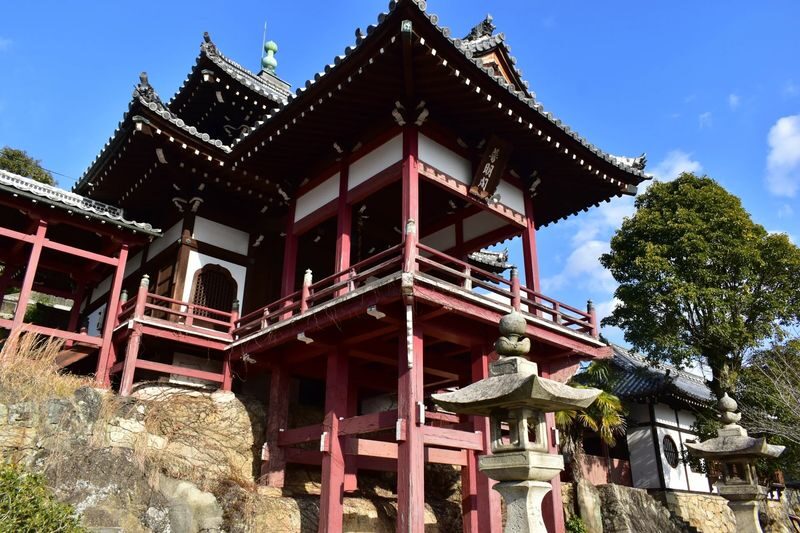
Okunoshima is known as Rabbit Island, but the tour also visits old ruins and introduces the island’s past. That contrast matters. You can enjoy the rabbits and sea air without treating the island as only an animal attraction.
The 8:00 AM start and the value of a guide
The tour begins at Hiroshima Station, outside the Shinkansen gates, near the Tourist Information sign. Arrive 10 minutes early. The meeting instructions also identify a Snow Monkey Resorts sign, so check the precise directions on your voucher before setting off rather than relying on the location name alone.
This is a public-transport tour, not a private vehicle outing. A transportation card and transport are included, and the guide leads the group through the journey. That can be useful if you are unfamiliar with the local connections or do not want to work out the route and ferry timing yourself. Several people have praised guides including Isabella, Isabelle, and Sima for clear explanations, careful planning, and help with connections. Guide assignments can vary, so do not book expecting a particular person.
The practical value is especially clear on a day with multiple legs. One guest described receiving help after making a mistake with the return arrangements; others appreciated that the guide kept the group on schedule for buses and ferries. You are still using public transportation, so expect some movement between stops and possible schedule changes. Traffic and weather can affect timing.
You can also read our reviews of more tours and experiences in Takehara.


Takehara’s preserved streets and merchant past
Around 9:40 AM, the group reaches Takehara for a guided visit to the Townscape Conservation Area. Here, the pleasure is in the scale and atmosphere: preserved buildings line the streets, and the walk offers a sense of how a prosperous port town once worked. Takehara’s history is tied to trade, salt, and sake, so the old town is more than a photogenic backdrop.
I would pay attention to the guide’s explanations as you walk. Without context, historic façades can blur into a series of attractive photo stops. With a guide, details about the town’s past and present help you understand why this district has been preserved and what made Takehara important.
The stop also breaks up the journey to the island with a change of pace. You are walking through a town rather than ticking off a single monument, so comfortable shoes make the visit easier. The tour does not list a separate meal stop here, and meals are not included, so plan to buy food during the free time later or bring what you need.
Takehara is likely to appeal most if you enjoy seeing how local history lives in streets and buildings, rather than focusing only on headline sights. If you want a fast-paced city tour or a long shopping stop, this is not that kind of day. Its appeal is the quieter rhythm and the chance to see a preserved district with a guide who can explain what you are looking at.
The ferry crossing to Rabbit Island
At about 12:15 PM, the group heads to Okunoshima by ferry. The crossing is short, but it marks a clear shift from town streets to an island setting. Once there, the guide leads a tour of the island and its old ruins before free time and lunch.
The guided portion is valuable because Okunoshima’s story is not told by rabbits alone. The island has ruins and a darker history, and the tour is designed to introduce that past while showing you the place itself. The information provided does not specify every ruin or give a detailed historical account, so expect an overview rather than a specialist history lecture.
After the guided walk, free time lets you spend longer with the island’s wildlife, take photographs, walk along the coast, or pause for lunch. The open views across the Seto Inland Sea are a welcome counterpoint to the built-up parts of a Hiroshima visit. On a clear day, the water and breeze can make this the most restful part of the itinerary. In poor weather, the same outdoor exposure is less comfortable.
There are many wild rabbits on the island, and feeding them is one of the main draws. A visitor noted that raw vegetables such as cabbage and carrots can be bought for feeding, but food is not included in the tour. Follow any local rules about feeding and handling the animals, and do not assume that rabbits will always approach. They are wild animals, not a scheduled animal encounter.
A few practical extras can make the stop more enjoyable. One family bought souvenirs and mocha ice cream near the ferry terminal, while other groups found time to order lunch with help from the guide. Those are possibilities, not included services or guaranteed stops. Bring money for food, drinks, and personal purchases.
A long outdoor day, with weather in the equation
The planned return to Hiroshima Station is around 5:30 PM, making this a substantial day trip. The itinerary gives time for both Takehara and Okunoshima, but the schedule may change because of traffic or weather. One group described the pace as relaxed, while others valued that their guide kept transfers on time. Your experience can depend on group size, conditions, and how the day’s connections line up.
Walking is a real part of the tour. Wear shoes you can comfortably use for several hours outdoors, and check the forecast before leaving. Summer highs can reach 32°C (90°F) or more, with heavy humidity. Light clothing, sun protection, a parasol, and water are sensible choices. Winter temperatures average 1°C to 10°C (34°F to 50°F), so bring warm layers and shoes suited to cold conditions. For rain, carry an umbrella or raincoat.
The tour uses public transportation, and luggage storage or delivery is not provided. Keep your day bag manageable. Infants and children must be included in the passenger headcount; children aged 0 to 5 are free, while those aged 13 and over pay the adult rate.
Is the price worth it?
The Hiroshima package is listed from US$166.89, while a general starting price is also shown as US$146.89. Prices can vary by package and date, so check the amount for your chosen departure before booking. Admission, an English-speaking guide, transport, and a transportation card are included. Accommodation, meals, drinks, and personal expenses are extra.
You could visit these places independently. That is the main reason to pause if you are comfortable researching local transport, planning connections, and handling the ferry journey yourself. One person felt the cost was high for a route that can be done without a tour.
The tour’s value is less about admission savings and more about reducing the work of linking two destinations in one day. You get a guide to explain Takehara and Okunoshima, help with public transport, and keep the day moving. Some guides have also helped with meal ordering or translated practical details. If your time in Hiroshima is limited, or if navigating the connections would add stress, that support may justify the fare. If you prefer to travel slowly and control every stop, independent travel may suit you better.
The group can be small: some departures have had only a few people, and one person even had a private guided day. Group size is not guaranteed, but the format can feel personal when numbers are low. It also means the day is shared with the people who book that date, rather than being a large coach excursion.
Who should book this day trip?
Book it if you want a mix of local history, coastal scenery, and animal encounters, and you are happy to spend much of the day outdoors. It is a good fit for families whose children enjoy rabbits, couples looking for a quieter day outside Hiroshima, and solo visitors who would rather not coordinate several transport legs alone.
History-minded visitors should appreciate that the tour pairs Takehara’s preserved town with Okunoshima’s ruins. Rabbit fans will get plenty of time to see the island’s animals, but this is not solely a petting experience. The rabbits are wild, and the island’s past is part of the visit.
I would skip it if you want a private vehicle, a short excursion, or meals included. Also think twice if heat, cold, or several hours of walking would make the day unpleasant. The tour’s strongest feature is its balance: Takehara offers a thoughtful walk through an old port town, while Okunoshima gives you sea air, ruins, and an unusual chance to see rabbits roaming freely.
1-Day Tour: Takehara Historical Townscape & Rabbit Island
“very good trip and arrangement, tour guide is professional”
FAQ
Where does the tour depart from?
It meets at JR Hiroshima Station, outside the Shinkansen gates, near the Tourist Information sign. The stated address is 2-37 Matsubaracho, Minami Ward, Hiroshima.
What time does the tour leave and return?
Departure is scheduled for 8:00 AM, with a planned return to Hiroshima Station at about 5:30 PM. Traffic and weather may change the schedule.
How do you get to Okunoshima?
The tour uses public transportation and includes a short ferry ride to Okunoshima. Transport and a transportation card are included.
Is lunch included?
No. Meals and drinks are not included. The itinerary allows free time for lunch on Okunoshima.
Are admission and a guide included?
Yes. The tour includes attraction admission and an English-speaking guide.
How much walking should I expect?
The tour involves several hours of outdoor walking in Takehara and on Okunoshima. Comfortable walking shoes and weather-appropriate clothing are recommended.
Can children join the tour?
Yes. Infants and children must be included in the passenger headcount. Children aged 0 to 5 are free, and children aged 13 or older are charged the adult rate.
Is luggage storage provided?
No. Luggage storage and delivery services are not provided, so plan to carry only what you need for the day.