Discovering a traditional Javanese tea ceremony in Yogyakarta offers a special glimpse into Indonesia’s cultural fabric. This 2.5-hour experience is more than just tasting tea; it’s a journey into history, craftsmanship, and flavor—crafted for curious travelers seeking authentic local traditions.
What makes this tour stand out? First, the setting in a beautiful Joglo house provides a serene, photo-worthy backdrop. Second, the opportunity to watch a tea master at work offers insight into meticulous techniques that have been passed down through generations. Third, the chance to brew your own tea lends a hands-on experience few tours can match. Yet, it’s worth noting that this activity is quite intimate, limited to small groups, which might feel a little cramped if you prefer larger, bustling tours. This experience is ideal for those interested in cultural rituals, culinary arts, or seeking a peaceful escape from busy city streets.
- Good To Know
- A Deep Dive into the Javanese Tea Ceremony Experience
- The Venue: A Joglo House in Patehan
- The Welcome and Historical Context
- Watching a Tea Master in Action
- Learning to Brew Your Own Tea
- Complementing Flavors: A Traditional Delicacy
- The Perfect Photo Moment
- Practical Details and What to Expect
- Duration and Scheduling
- Group Size and Accessibility
- Cost and Booking Flexibility
- What’s Not Allowed
- Who is This Tour Best For?
- Why This Tour Offers Genuine Value
- Potential Drawbacks
- Who Should Consider This Tour?
- The Sum Up
- FAQ
- The Best Of Yogyakarta!
- More Tour Reviews in Yogyakarta
- Not for you? Here's more nearby things to do in Yogyakarta we have reviewed
Good To Know
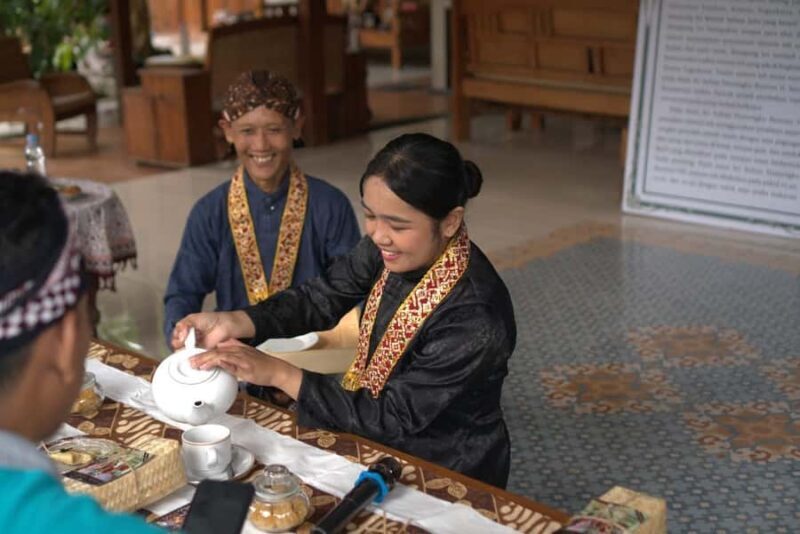
- Authentic Cultural Experience: Learn about the history and philosophy of Javanese tea, not just sip it.
- Hands-On Learning: Brew your own tea using traditional techniques, guided by an expert instructor.
- Beautiful Setting: The Joglo architecture offers a stunning natural backdrop perfect for photos.
- Limited Group Size: Small groups (up to 8 participants) ensure personalized attention and a cozy atmosphere.
- Includes a Traditional Delicacy: Savor your tea paired with a sweet Javanese treat.
- Accessibility: The activity is wheelchair accessible and conducted in English, making it suitable for many travelers.
👉 See our pick of the 25 Best Guided Tours In Yogyakarta
A Deep Dive into the Javanese Tea Ceremony Experience
You can also read our reviews of more tours and experiences in Yogyakarta.

The Venue: A Joglo House in Patehan
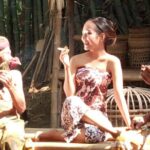
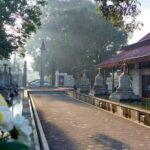
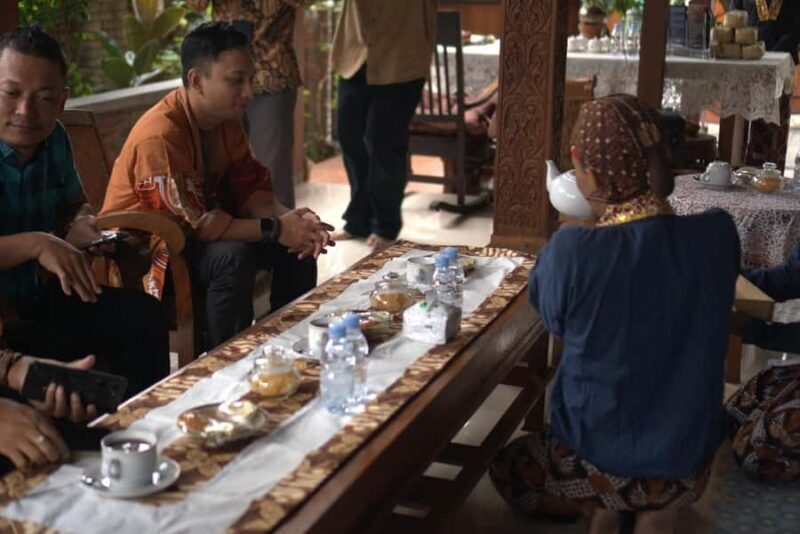
Walking into the traditional Joglo house instantly sets a tone of tranquility. This style of Javanese architecture, with its high peaked roof and wooden pillars, embodies centuries of cultural craftsmanship. The space is designed to promote calm and mindfulness, making it the perfect environment for a tea ritual that’s as much about philosophy as it is about flavor. The lush, well-maintained garden surrounding the house adds to the peaceful vibe and makes for beautiful photos, especially with the natural light filtering through traditional windows.
The Welcome and Historical Context
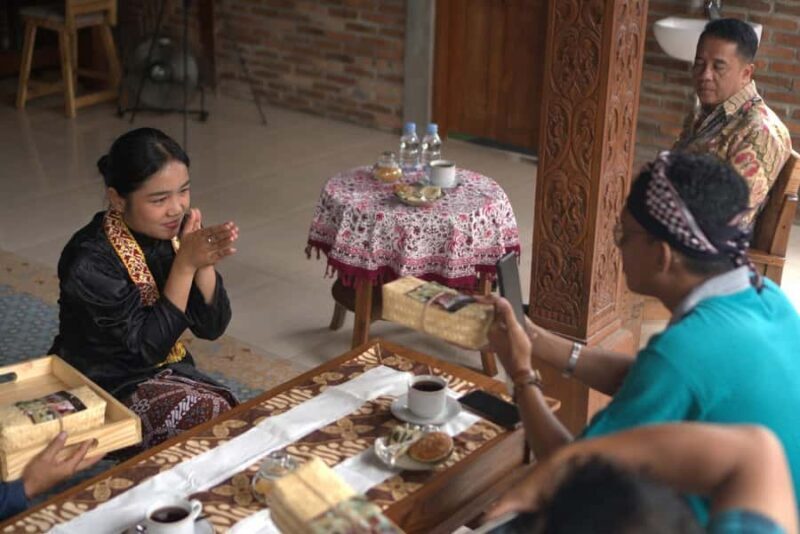
From the moment you arrive, your guide — usually fluent in English and knowledgeable about local customs — greets you warmly. Expect a brief overview of the 200-year history and philosophy of Javanese tea, which helps set the scene for understanding its significance in the local culture. This isn’t just a tasting; it’s a lesson in the cultural importance of tea in Java, woven with stories that add depth to the experience.
Watching a Tea Master in Action
One of the highlights, according to reviews, is observing a tea master perform a preparation demonstration. You’ll be impressed by the elegant craftsmanship involved, which reflects centuries-old techniques. As one reviewer pointed out, “The demonstration was mesmerizing—seeing the precise movements and attention to detail really brought the tradition to life.” This moment offers a tactile connection to local artisanship, making you appreciate the skill behind every cup.
More Great Tours NearbyLearning to Brew Your Own Tea
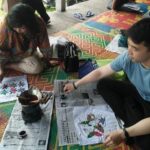
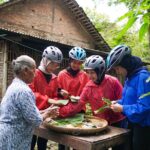
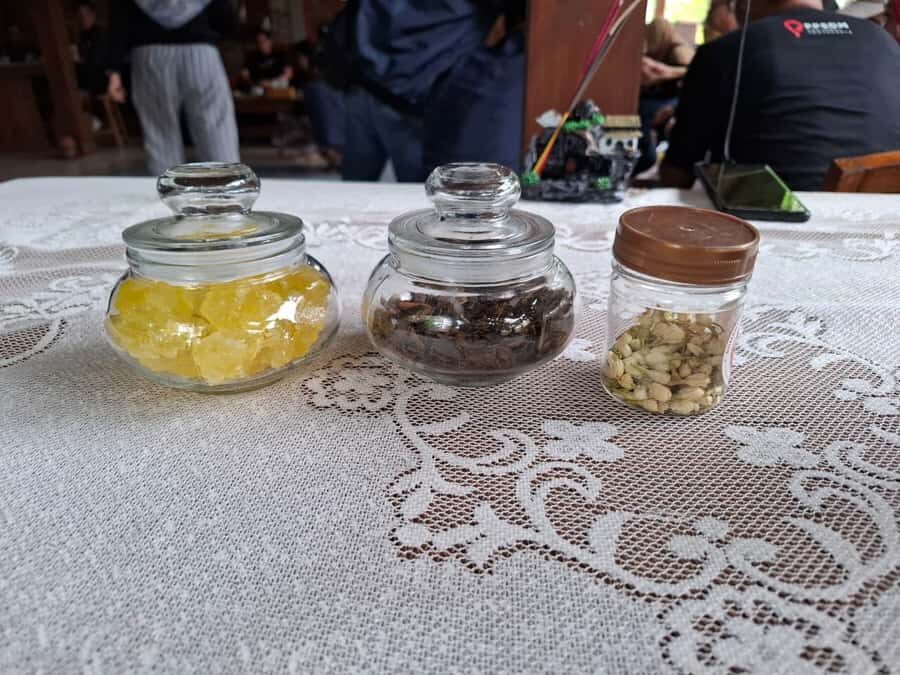
After witnessing the master’s skill, it’s your turn. Under guidance, you’ll learn the authentic techniques used in Javanese tea brewing. Expect to carefully handle traditional tools, measure ingredients, and follow steps that may differ from Western methods. The process is deliberate and calming, emphasizing patience and respect for tradition. Once brewed, you’ll get to slowly sip your fragrant tea, noticing how the flavors unfold—the balance between herbal, earthy, and sometimes slightly sweet notes.

Complementing Flavors: A Traditional Delicacy
Teatime wouldn’t be complete without a sweet pairing, and here, you’ll enjoy a traditional Javanese delicacy. The dessert, often subtly sweet and textured to complement the tea, enhances the sensory experience. It’s about harmony—flavorful yet gentle enough to let the tea’s nuances shine.
The Perfect Photo Moment
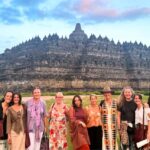
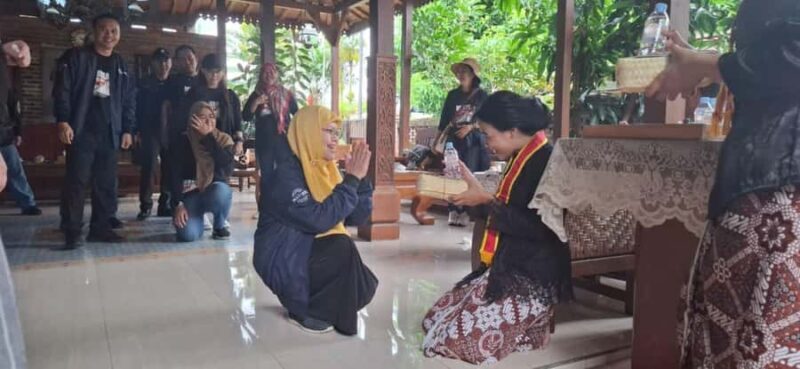
Concluding your session, you’re encouraged to pose for a group photo amid the lush greenery and traditional architecture. The setting provides a picturesque backdrop, especially in the golden hour, making it an ideal opportunity to capture a cultural memory.
Practical Details and What to Expect
Duration and Scheduling
At 2.5 hours, this activity strikes a nice balance—neither rushed nor overly long. Check the availability as starting times may vary, but generally, you’ll find options that fit into an afternoon slot, giving you flexibility to combine with other sightseeing.
Group Size and Accessibility
Limited to just 8 participants, the small-group format ensures a more personalized, intimate experience. The activity is wheelchair accessible, making it inclusive for many visitors. English-speaking guides lead the session, making explanations clear and engaging.
Cost and Booking Flexibility
The tour offers the convenience of “Reserve now & pay later” and free cancellation up to 24 hours in advance. This flexibility is helpful for travelers with unpredictable schedules or those wanting to lock in a memorable cultural activity without immediate payment.
What’s Not Allowed
Alcohol and drugs are prohibited, aligning with the cultural and spiritual nature of the ritual.
Who is This Tour Best For?
This experience suits travelers with a curiosity for local traditions, foodies eager to learn authentic brewing techniques, and those seeking a peaceful cultural activity. It’s also ideal for small groups or couples wanting a more private, meaningful experience.
Why This Tour Offers Genuine Value
This activity stands out by offering more than just a tasting. You gain an understanding of the cultural significance of Javanese tea, witness traditional artistry, and participate in a hands-on brewing process. The setting in a meticulously maintained Joglo house enhances the authenticity, creating a peaceful atmosphere that truly transports you away from the hustle of Yogyakarta’s streets.
The inclusion of a traditional delicacy adds appreciation for local culinary customs, while the small group size ensures personalized attention and ample opportunities for questions. For the cost, you’re not just paying for a souvenir tea; you’re investing in a meaningful, educational experience that connects you with Javanese culture on a deeper level.
The most compelling aspect, according to reviews, is the stunning setting, which elevates the entire experience. Many find that capturing photos here results in memorable keepsakes, with the lush gardens and traditional architecture serving as perfect backdrops.
Potential Drawbacks
While many rave about the tranquility and authenticity, some might find the activity a bit slow-paced or wish for longer interaction time. Also, because it’s a small-group, intimate experience, it might not appeal to travelers looking for a more energetic or large-scale tour.
Who Should Consider This Tour?
If you’re interested in cultural rituals, traditional craftsmanship, or simply want a peaceful activity that offers insight into local life, this tour is a solid choice. It’s especially suitable for those who appreciate meaningful, slow-paced experiences that foster connection and learning. Travelers seeking a quick snapshot of Javanese culture might find this a bit too niche, but for those craving depth, it’s ideal.
The Sum Up
This Javanese tea ceremony provides a rare opportunity to connect with Indonesia’s cultural heritage in a relaxed, authentic setting. The combination of a beautiful Joglo house, expert guidance, and a hands-on brewing experience creates a memorable moment that goes beyond typical sightseeing.
It’s best suited for travelers who value craftsmanship, cultural storytelling, and tranquil environments. Whether you’re a tea lover or simply curious about Javanese traditions, this tour offers a meaningful and visually stunning experience worth considering during your Yogyakarta stay.
The small-group format ensures a cozy, engaging atmosphere, and the inclusion of a traditional delicacy makes the visit even sweeter. Coupled with flexible booking options, it’s a practical choice for travelers wanting a genuine taste of local life.
Ultimately, this activity isn’t just about tea; it’s about experiencing a piece of Java’s soul through its artisanal craft and cultural values.
FAQ
Is this activity suitable for wheelchair users?
Yes, the activity is wheelchair accessible, allowing many visitors to participate comfortably.
How long does the tour last?
The entire experience takes approximately 2.5 hours, making it a manageable and enriching addition to your day.
What language are guides spoken in?
Guides speak English, ensuring clear explanations and engaging storytelling.
Can I cancel or reschedule my booking?
Yes, you can cancel up to 24 hours in advance for a full refund, and booking is flexible with the “Reserve now & pay later” option.
What should I wear?
Wear comfortable clothing suitable for indoor and outdoor settings; no specific dress code is required.
Is there a group size limit?
Yes, the activity is limited to 8 participants, fostering a personalized experience.
Are there any restrictions on bringing alcohol or drugs?
Yes, alcohol and drugs are not allowed, respecting the cultural and spiritual nature of the ritual.