- Yogyakarta : Colonial Heritage Guide Walking Tour — A Deep Dive into the City’s Past
- Good To Know
- Exploring Yogyakarta’s Colonial Past: What to Expect and Why It Matters
- The Itinerary in Detail
- Why This Tour Offers Great Value
- Who It’s Best For
- Frequently Asked Questions
- Final Thoughts
- Note: This review is based on the tour’s detailed description, reviews, and available information; individual experiences may vary based on guides, group size, and personal expectations.
- The Best Of Yogyakarta!
- More Walking Tours in Yogyakarta
- More Tours in Yogyakarta
- More Tour Reviews in Yogyakarta
- Not for you? Here's more nearby things to do in Yogyakarta we have reviewed
Yogyakarta : Colonial Heritage Guide Walking Tour — A Deep Dive into the City’s Past
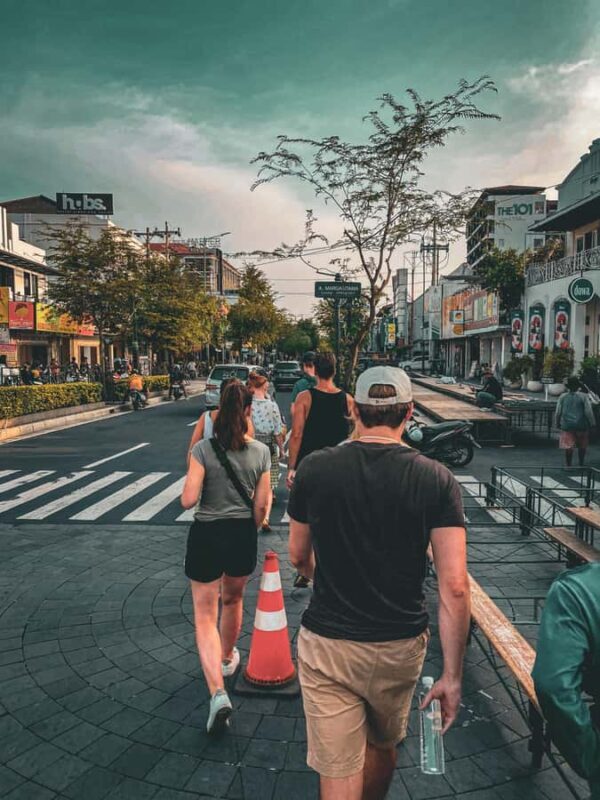
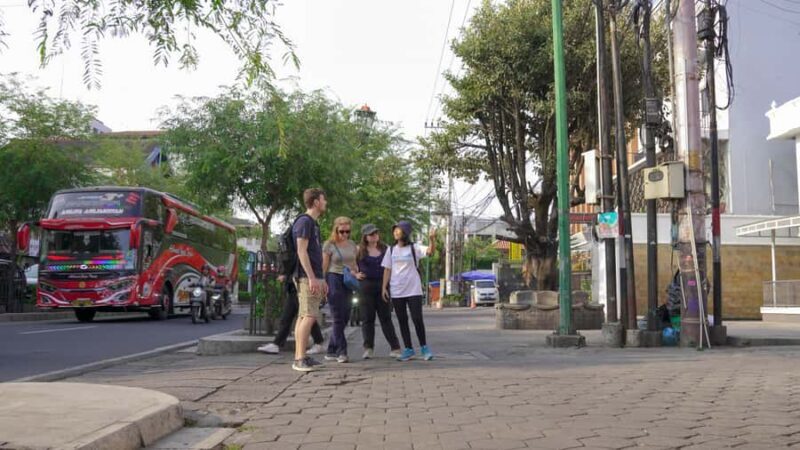
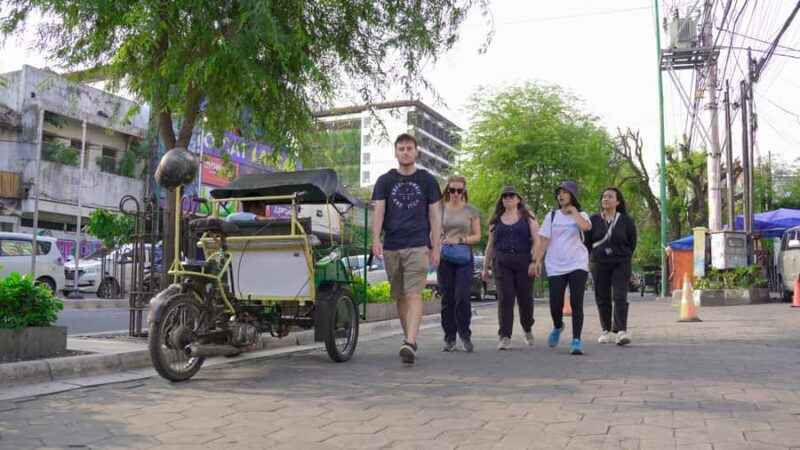
When it comes to uncovering Yogyakarta’s history, this Colonial Heritage Guide Walking Tour offers a balanced look at the city’s colonial era through both local and Dutch perspectives. We’ve reviewed numerous experiences like this, and what stands out here is the way it combines history and storytelling in a walk that’s both accessible and eye-opening.
What we love about this tour is how it focuses on Yogyakarta’s resilience and cultural diversity, the depth of knowledge from guides like Hendra and Dora, and the chance to see iconic landmarks in a manageable timeframe. It’s a fairly compact two-hour journey, but one packed with insights.
A potential consideration is the tour’s duration — two hours might feel a bit rushed if you’re keen on exploring every detail. Also, it’s not suitable for travelers with mobility issues, given the walking nature of the experience.
This experience is perfect for history buffs, first-time visitors eager for context, or anyone interested in understanding how Yogyakarta’s colonial past influences today’s culture. If you’re okay with walking and want a meaningful overview of the city’s colonial sites, this tour is definitely worth considering.
You can check availability for your dates here:
👉 See our pick of the 25 Best Guided Tours In Yogyakarta
Good To Know
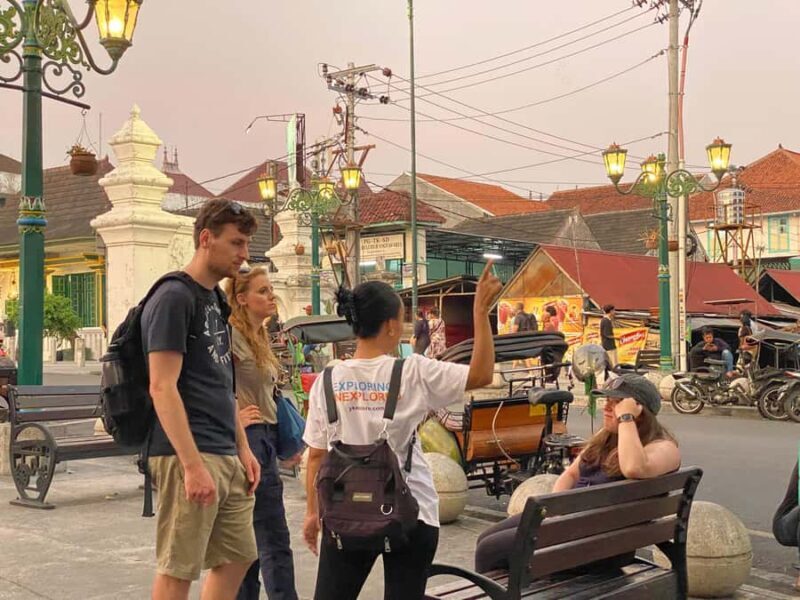
- Authentic local perspective: The tour emphasizes stories and viewpoints from an Indonesian standpoint.
- Knowledgeable guides: Guides like Hendra and Dora deliver engaging, insightful commentary.
- Iconic landmarks: From Tugu to Zero Kilometer, visit Yogyakarta’s most meaningful historic sites.
- Cultural richness: Discover Yogyakarta’s multicultural roots, including the Chinese-Indonesian community.
- Economic and political history: Learn about colonial governance, media, and resistance movements.
- Authentic storytelling: The guides share personal insights and lesser-known details that bring history to life.
You can also read our reviews of more walking tours in Yogyakarta


Exploring Yogyakarta’s Colonial Past: What to Expect and Why It Matters
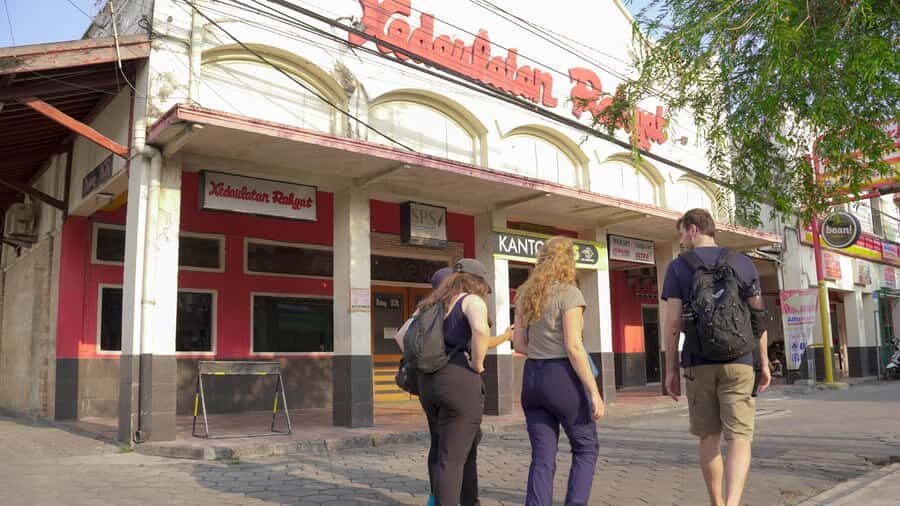
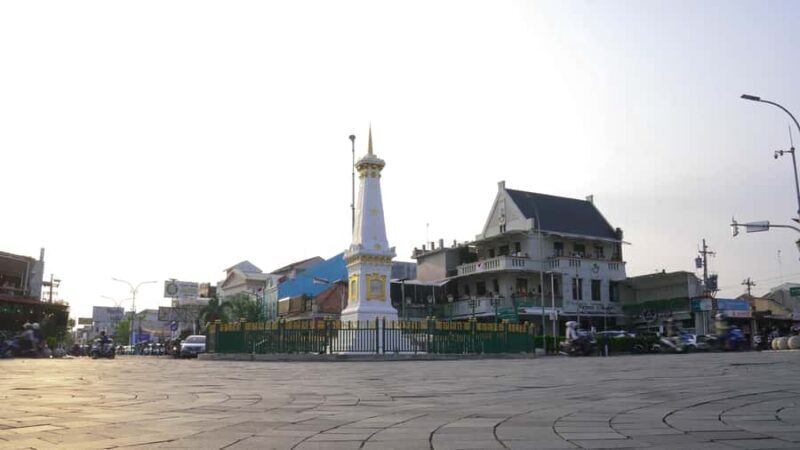
This walking tour kicks off at Tugu monument, a symbol of unity and independence built by Sultan Hamengkubuwono I. It’s more than just a pretty statue — it’s a powerful reminder of resilience and national spirit. From there, the stroll along Jalan Mangkubumi takes you past sites like the Kantor Kedaulatan Rakyat, once a hub of Indonesian media fighting for freedom. These stories give a sense of how media played a critical role during Indonesia’s fight for independence, a theme that frequently emerges through the tour.
The tour’s narrative offers a perspective rooted in local history, contrasting with typical colonial histories that often gloss over indigenous resilience. For example, your guide will explain how Hotel Toegoe, once reserved for Dutch officials, starkly contrasts with the struggles of local residents under colonial rule. The nearby Tetengger Yogya Kembali monument highlights Yogyakarta’s vital role in resisting colonial powers, a story that brings a sense of pride and defiance.
As you walk towards the Grand Inna Malioboro and Gedung DPRD, expect explanations of how colonial governance shaped the political landscape of Indonesia. The Gerbang Kampung Ketandan provides a glimpse into how the city’s multicultural fabric, particularly Chinese-Indonesian communities, was impacted by colonial policies. These nuanced stories give a fuller picture of how multiculturalism and resistance are woven into Yogyakarta’s fabric.
Market scenes at Pasar Beringharjo show how traditional Javanese life persisted and adapted under colonial economic structures. It’s fascinating to see the blend of local trade and colonial influence, demonstrating how ordinary people navigated foreign domination daily.
The clock tower at Monumen Ngejaman or “Wayah Titiyoni” offers a less commonly discussed symbol of colonial legacy. The guide will share how this clock was received by locals, revealing mixed feelings about colonial symbols—some functional, some contested.
Religious sites like GPIB Marga Mulya give insights into how faith played a role in both resistance and collaboration during Dutch rule. The Gedung Negara and Benteng Vredeburg, originally built for colonial control, now serve as historical reminders of power dynamics and resistance.
Economic sites like the Kantor Pos and Bank Indonesia are included to help understand the financial systems that supported colonial interests. The tour wraps up at the Monumen Serangan 1 Maret, a pivotal site commemorating the 1949 uprising that was crucial in Indonesia’s fight for sovereignty.
Finally, ending at Gereja Santo Fransiskus Xaverius underscores the religious and cultural diversity resulting from these colonial influences.
The Itinerary in Detail
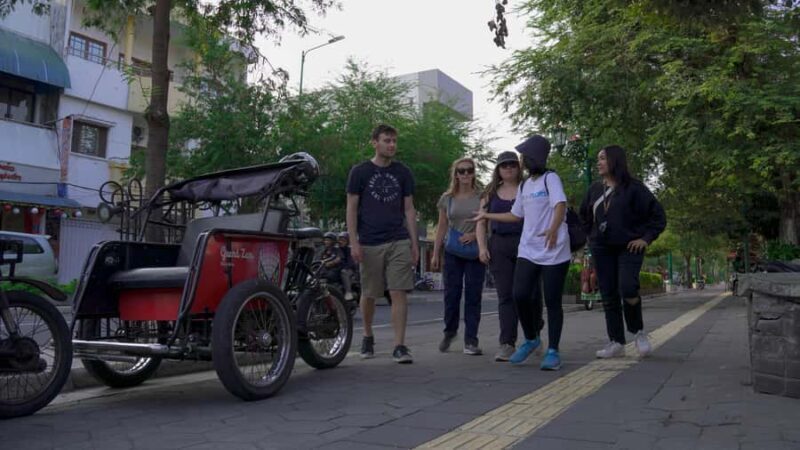
The tour is structured to give a seamless walk through key sites, starting at the TOKIO DISTRICT, a lively area that sets the tone for the city’s vibrant history. The first stop, the Tugu monument, requires only about 10 minutes but sets a strong historical context.
Next, the group passes Kantor Kedaulatan Rakyat, where the importance of free press during Indonesia’s independence movement is highlighted. Traveling further, Hotel Toegoe offers a glimpse into colonial luxury, which contrasts with the day-to-day struggles of indigenous populations.
Tetengger Yogya Kembali monument is a poignant stop, commemorating the city’s resistance efforts. As you arrive at Grand Inna Malioboro, the guide will briefly explain its colonial significance, followed by visits to Gedung DPRD and Gerbang Kampung Ketandan, revealing the city’s multicultural roots.
Pasar Beringharjo provides a sensory experience, combining sights, sounds, and smells of a bustling marketplace that persisted through colonial rule. Here, local life coexists with remnants of the colonial economic framework, creating a unique snapshot of resilience.
The Monumen Ngejaman clocks are a fascinating, if lesser-known, colonial-era symbol. Guides often share how this clock was viewed with mixed feelings, adding depth to our understanding of colonial symbolism.
Religious and civic buildings such as GPIB Marga Mulya and Gedung Negara open windows into how religion and governance intertwined during the colonial era. The Benteng Vredeburg fortification, now a museum, encapsulates Dutch military architecture and colonial power.
Kantor Pos Besar and Bank Indonesia illustrate the colonial economic infrastructure supporting Dutch interests. The visit concludes at the Monumen Serangan 1 Maret, a powerful site for understanding Indonesia’s fight for independence.
Finally, the walk ends at Gereja Santo Fransiskus Xaverius, a church that embodies the religious diversity left behind by the colonial era, rounding off a comprehensive experience.
Why This Tour Offers Great Value
The value of this tour lies in its depth of storytelling and historical context. For a two-hour walk, it manages to cover both iconic landmarks and lesser-known sites, giving you a layered understanding of Yogyakarta’s colonial past. The guides’ ability to share personal insights and local perspectives elevates the experience beyond just sightseeing.
Compared to solo exploration, having an expert guide ensures you won’t miss crucial stories or misinterpret sites. Many reviews praise the guides’ knowledge, with mention of Hendra and Dora, who go beyond surface facts to include personal stories and nuanced explanations. This makes the experience more engaging and memorable.
The tour’s focus on local narratives and multicultural influences offers a fresh take on a subject often dominated by colonial narratives. The inclusion of key sites like Pasar Beringharjo and Kampung Ketandan helps you see how local communities navigated colonial influence, adding authenticity to your visit.
Pricing is reasonable considering the expert guidance, authentic stories, and access to major sites without the hassle of self-guided navigation. The tour’s short duration suits those with limited time but still wanting a meaningful overview of the city’s history.
More Great Tours NearbyWho It’s Best For
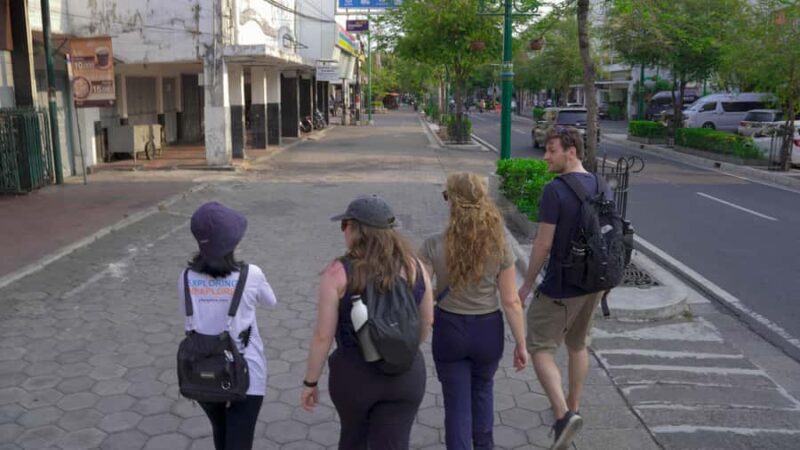
This tour is ideal for history enthusiasts eager for an authentic local perspective, those interested in Indonesia’s colonial past, or travelers who want a guided introduction before exploring independently. It’s perfect for first-time visitors who want context to deepen their understanding of Yogyakarta.
It’s not suited for travelers with mobility issues due to the walking nature, nor for those seeking a very long or detailed exploration. If you prefer a relaxed pace or have specific interests in architecture or detailed history, you might want to supplement this tour with additional visits.
You can also read our reviews of more guided tours in Yogyakarta

Frequently Asked Questions
What is the duration of the tour?
The walk lasts approximately 2 hours, making it manageable even for tight schedules or as an introduction before exploring further.
Where does the tour start and end?
It begins at the TOKIO DISTRICT and finishes at Tugu Nol Yogyakarta near the city center, making it easy to incorporate into your day.
Is the tour suitable for children or people with mobility issues?
It’s designed as a walking tour, so it’s not suitable for those with mobility impairments. Children who enjoy history and walking might find it engaging, depending on their stamina.
Are the guides knowledgeable?
Yes, reviewers frequently praise the guides, especially for their deep knowledge and engaging storytelling. Guides like Hendra and Dora are highlighted for their personal insights and clarity.
What language is the tour conducted in?
The tour is offered in English, making it accessible to international travelers.
Are there any additional costs or tickets needed?
The tour includes visits to several sites, and the price covers entry. You won’t need to purchase extra tickets, but it’s good to carry some cash for optional souvenirs or snacks.
Final Thoughts
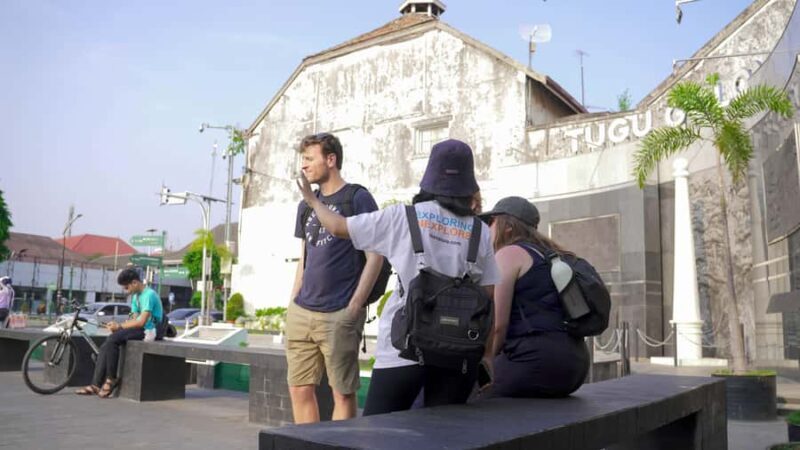
This Yogyakarta Colonial Heritage Guide Walking Tour offers a compelling snapshot of the city’s colonial past, told from an Indonesian perspective. Its focus on storytelling, authenticity, and key landmarks makes it ideal for those wanting a well-rounded historical overview in a short time.
You’ll appreciate the knowledgeable guides’ ability to share personal stories and lesser-known details, enriching your understanding of Yogyakarta’s multifaceted history. The walk through iconic sites and local neighborhoods reveals how the city’s colonial era influences its modern identity—an essential experience for any visitor eager to connect with the city beyond surface-level sightseeing.
If you’re after a thoughtful, insightful introduction to Yogyakarta’s colonial past, this tour delivers on its promise. It’s best suited for curious travelers, history lovers, and those who want to understand the city’s cultural fabric from multiple angles. With friendly guides and a manageable pace, it’s a worthwhile addition to your Yogyakarta itinerary.
Note: This review is based on the tour’s detailed description, reviews, and available information; individual experiences may vary based on guides, group size, and personal expectations.