Intrigued by the ancient vineyards of Portugal, wine enthusiasts can unlock a treasure trove of flavors and history waiting to be savored.
The rich tapestry of Portugal’s winemaking heritage, with roots dating back centuries, offers a tale as complex as the wines themselves.
Exploring the diverse terroirs and grape varietals that flourish under the Portuguese sun unveils a world of unique aromas and tastes, waiting to be discovered.
Stay tuned to uncover the secrets behind Portugal’s winemaking traditions and the allure that draws connoisseurs and novices alike to its renowned vineyards.
- Good To Know
- Portugal’s Diverse Wine Regions
- Grape Varieties and Winemaking Techniques
- Unique Characteristics of Portuguese Wines
- Notable Wine Tasting Experiences
- Pairing Portuguese Wines With Food
- Common Questions
- What Are Some Popular Local Customs or Traditions Related to Wine in Portugal?
- Are There Any Specific Etiquettes or Protocols to Follow When Participating in a Wine Tasting in Portugal?
- How Does the Climate and Geography of Portugal Influence the Taste and Quality of Its Wines?
- Are There Any Unique or Lesser-Known Grape Varieties That Are Used in Portuguese Winemaking?
- Can Visitors Participate in Any Hands-On Activities or Tours at Wineries in Portugal to Learn More About the Winemaking Process?
- The Sum Up
- The Best Of Porto!
- More Wine Tours in Porto
- More Tour Reviews in Porto
- Not for you? Here's more nearby things to do in Porto we have reviewed
Good To Know
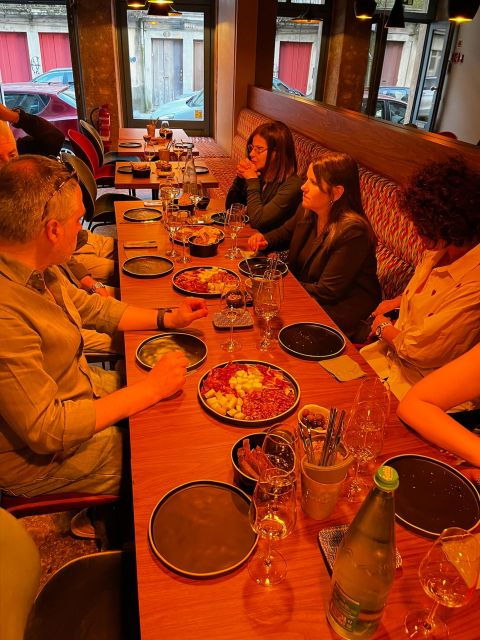
- Portugal’s diverse wine regions offer unique terroirs and flavors.
- Grape varieties like Touriga Nacional and Alvarinho contribute to Portugal’s winemaking heritage.
- Traditional and modern winemaking techniques blend to create distinct Portuguese wines.
- Pair Portuguese wines thoughtfully with regional dishes for a harmonious dining experience.
👉 See our pick of the 10 Best Shopping Tours In Porto
Portugal’s Diverse Wine Regions
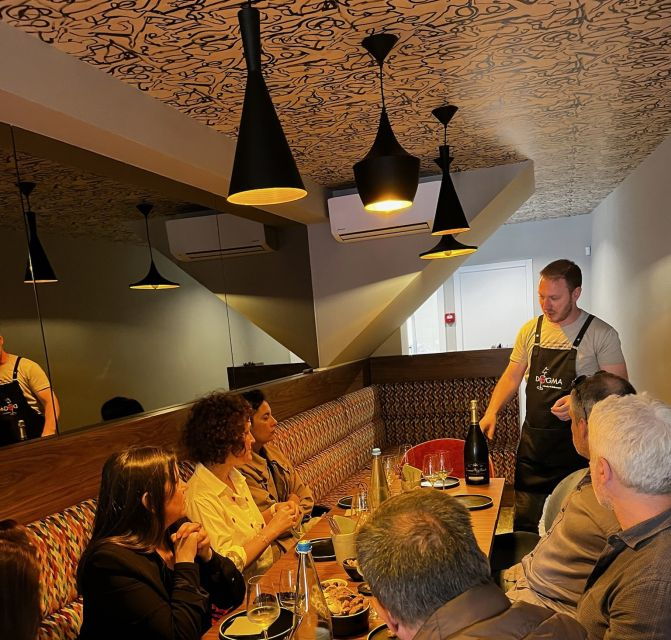
Portugal’s wine landscape boasts a rich tapestry of diverse regions, each offering unique terroirs and grape varietals that contribute to the country’s vibrant winemaking heritage.
When comparing wine regions in Portugal, the Douro Valley stands out for its steep terraced vineyards producing renowned Port wines, while the Alentejo region is known for its vast cork oak trees and full-bodied red wines.
Insights into wine tourism reveal that the Vinho Verde region entices visitors with its crisp and refreshing white wines, perfect for warm summer days, while the Dão region charms with its elegant red wines and picturesque vineyard landscapes.
Exploring these varied regions provides a delightful journey through Portugal’s winemaking traditions.
You can also read our reviews of more wine tours in Porto



Grape Varieties and Winemaking Techniques

With an array of grape varieties and innovative winemaking techniques, the wines of Portugal showcase a rich tapestry of flavors and styles. Portuguese wines are crafted from a diverse selection of grape varieties, each contributing unique characteristics to the final product. From the bold and robust Touriga Nacional to the aromatic Alvarinho and the versatile Castelão, Portugal’s grape varieties offer a wide spectrum of tastes for wine enthusiasts to explore. Winemaking techniques in Portugal combine traditional methods with modern innovations, allowing for the preservation of authenticity while embracing advancements in the industry. Whether it’s the centuries-old practice of foot treading in lagares or the use of temperature-controlled fermentation tanks, Portuguese winemakers skillfully blend heritage with innovation to produce exceptional wines.
| Grape Varieties | Description | Notable Example |
|---|---|---|
| Touriga Nacional | Bold and robust red grape | Quinta do Crasto |
| Alvarinho | Aromatic white grape | Soalheiro |
| Castelão | Versatile red grape | Casa Ermelinda |
Unique Characteristics of Portuguese Wines
Boasting a diverse range of flavors and styles, Portuguese wines captivate enthusiasts with their unique characteristics and exceptional quality.
Wine regions: From the lush vineyards of the Douro Valley to the coastal terroir of Vinho Verde, each region imparts distinct flavors influenced by its climate and soil.
Wine traditions: Portugal’s winemaking heritage dates back centuries, with traditional methods like foot treading still used in some Quintas, adding a historical touch to the winemaking process.
Innovative blends: Portuguese winemakers are known for their creativity in blending native grape varieties, creating complex and interesting flavor profiles that set Portuguese wines apart on the global stage.
Notable Wine Tasting Experiences
Indulge in diverse wine tasting experiences that showcase Portugal’s rich viticultural heritage and exceptional craftsmanship. Portugal is home to several distinct wine regions, each offering a unique terroir and grape varietals that contribute to the complexity of the wines produced.
From the lush vineyards of the Douro Valley to the coastal vineyards of Vinho Verde, visitors can explore a wide range of flavors and aromas. When tasting Portuguese wines, one can expect a variety of tasting notes ranging from the lively and refreshing citrus notes in Vinho Verde to the bold and robust flavors of the red wines from Alentejo.
These tasting experiences provide a sensory journey through Portugal’s winemaking traditions and highlight the country’s passion for producing high-quality wines.
More Great Tours NearbyPairing Portuguese Wines With Food
Portuguese wines beautifully complement a wide array of dishes, enhancing the dining experience with their unique flavors and characteristics. When it comes to food pairings, cultural influences play a significant role in determining the best matches for each wine.
Consider the following when pairing Portuguese wines with food:
- Tasting notes: Explore the tasting notes of the wine to guide your food pairing choices.
- Regional specialties: Match wines with regional Portuguese dishes to create an authentic dining experience.
- Balance flavors: Seek to balance the flavors of the wine and the dish for a harmonious combination that delights the palate.
These considerations will elevate your culinary experience and showcase the diversity of Portuguese wines.


Common Questions
What Are Some Popular Local Customs or Traditions Related to Wine in Portugal?
Portugal’s wine culture shines through local festivities celebrating harvests and traditional methods like foot treading. These customs reflect a deep-rooted connection to the land and a rich heritage passed down through generations.
Are There Any Specific Etiquettes or Protocols to Follow When Participating in a Wine Tasting in Portugal?
When participating in a wine tasting in Portugal, individuals should adhere to specific etiquette guidelines to enhance their tasting experience. Respectful behavior, attentiveness to the sommelier’s instructions, and a willingness to engage with the wine showcase cultural appreciation.
How Does the Climate and Geography of Portugal Influence the Taste and Quality of Its Wines?
The climate and geography of Portugal significantly influence its wines. The diverse terroir impacts the taste and quality of wines, with distinct wine regions showcasing unique characteristics. Winemaking techniques and vineyard management further enhance the flavors, creating exceptional Portuguese wines.
Are There Any Unique or Lesser-Known Grape Varieties That Are Used in Portuguese Winemaking?
Unique grape varieties play a vital role in Portuguese winemaking. Lesser-known grapes add diversity and character to local wines. Understanding traditional customs and wine etiquette enhances winery tours, offering a rich experience influenced by the climate.
Can Visitors Participate in Any Hands-On Activities or Tours at Wineries in Portugal to Learn More About the Winemaking Process?
Visitors can engage in hands-on workshops and vineyard tours at wineries in Portugal to deepen their understanding of the winemaking process. These interactive experiences offer a unique and educational insight into the world of Portuguese wines.
The Sum Up
To sum it up, learn about the rich tapestry of Portuguese wines with Christofer’s engaging introduction. From the diverse wine regions to unique grape varieties and winemaking techniques, this experience promises to be a memorable journey of discovery.
With small group settings and flexible booking options, wine enthusiasts can look forward to a delightful tasting experience that celebrates the vibrant wine culture of Portugal. Don’t miss out on this opportunity to explore and savor the flavors of this fascinating wine region.
Cheers!
You can check availability for your dates here: More Great Tours Nearby