The trek to Everest Base Camp offers a unique blend of adventure and culture, attracting trekkers from around the globe. As participants navigate through picturesque valleys and towering peaks, they encounter the vibrant Sherpa culture, adding depth to their experience. With a well-structured itinerary that includes acclimatization days, trekkers can focus on the stunning landscapes without the worry of altitude sickness. Yet, the journey poses challenges that require careful preparation and insight. What essential tips could make this expedition not just successful, but truly unforgettable?
- Key Points
- Overview of the Trek
- Detailed Itinerary
- Included Services and Amenities
- Important Trekking Information
- Essential Packing List
- Trekking Safety and Restrictions
- Tips for a Successful Trek
- Questions You May Have
- What Is the Best Time to Trek to Everest Base Camp?
- How Physically Fit Do I Need to Be for This Trek?
- Are There Any Age Restrictions for Participants?
- What Kind of Food Is Available During the Trek?
- Can I Use My Mobile Phone During the Trek?
- Break Down
- The Best Of Kathmandu!
- More Hiking & Trekking Tours in Kathmandu
- More Tour Reviews in Kathmandu
- Not for you? Here's more nearby things to do in Kathmandu we have reviewed
Key Points
- The trek to Everest Base Camp lasts 14 days, starting in Kathmandu and reaching an elevation of 5,364 meters.
- Acclimatization is vital for preventing altitude sickness, with scheduled rest days included in the itinerary.
- The trek includes comfortable accommodation and local hospitality in tea houses during the journey.
- A maximum group size of nine participants ensures safety and enhances camaraderie among trekkers.
- Essential packing includes warm clothing, waterproof gear, and personal medications for a successful trek.
👉 See our pick of the 14 Best Shopping Tours In Kathmandu
Overview of the Trek
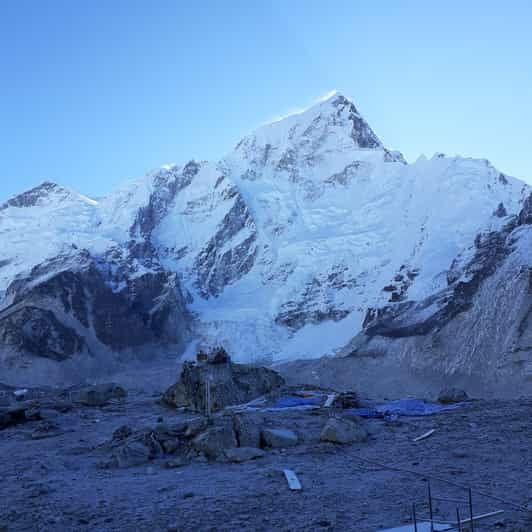
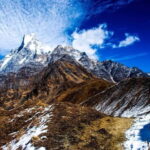
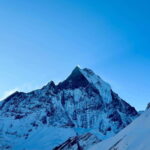
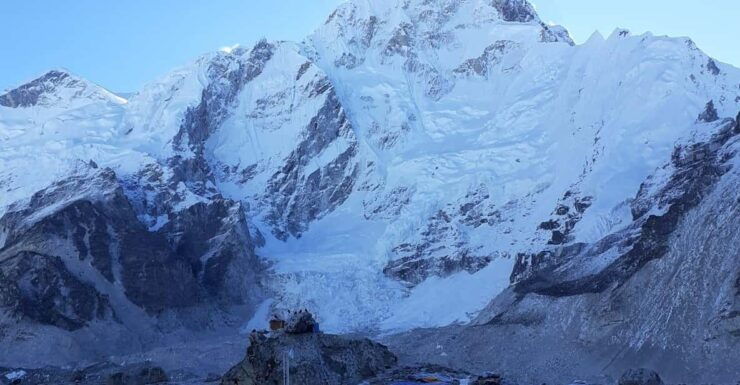
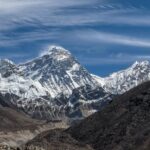
The trek to Everest Base Camp offers adventurers an unforgettable journey through breathtaking landscapes, culminating at an elevation of 5,364 meters, where the majestic presence of Mt. Everest looms above.
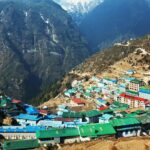
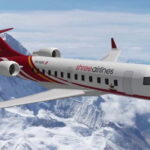
This 14-day expedition begins in Kathmandu, Nepal, where trekkers gather before flying to Lukla, the gateway to the Himalayas. With a group size limited to nine participants, hikers experience camaraderie while navigating through charming Sherpa villages and lush valleys.
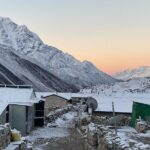
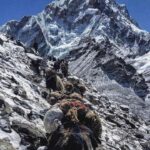
As they ascend, the terrain transforms, revealing stunning vistas of snow-capped peaks and ancient monasteries. Throughout the trek, trekkers acclimatize to the altitude, seeing the rich culture and natural beauty of the region.
Each step brings them closer to the iconic Everest Base Camp, a dream for many adventurers.
You can also read our reviews of more hiking tours in Kathmandu
Detailed Itinerary
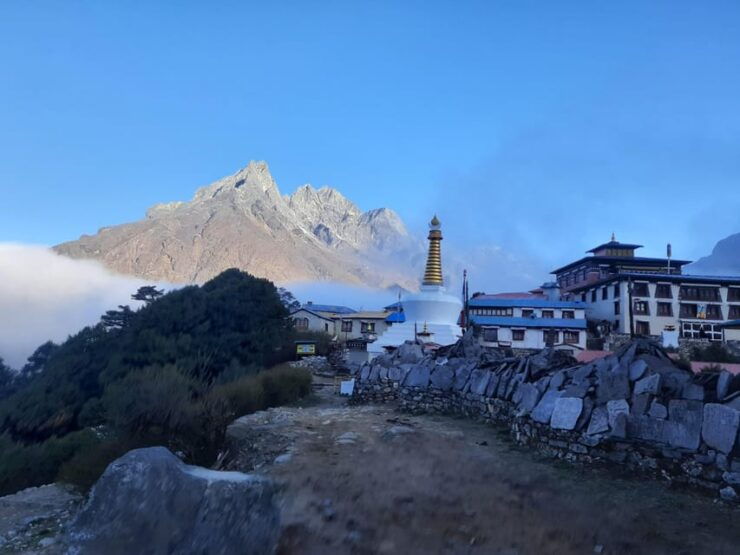
Embarking on a meticulously planned 14-day journey, trekkers will experience a captivating itinerary that balances adventure with culture in the heart of the Himalayas. From the bustling streets of Kathmandu to the serene landscapes of Everest Base Camp, every day unfolds new experiences.
| Day | Activity | Elevation (m) |
|---|---|---|
| 1 | Arrival in Kathmandu | 1,400 |
| 2 | Flight to Lukla, trek to Phakding | 2,610 |
| 3 | Trek to Namche Bazaar | 3,440 |
The trek continues through breathtaking vistas, with an acclimatization day to ensure trekkers are well-prepared for the heights ahead. Each stop, from Tengboche to Gorakshep, enriches their journey, making it a truly unforgettable experience.
Included Services and Amenities
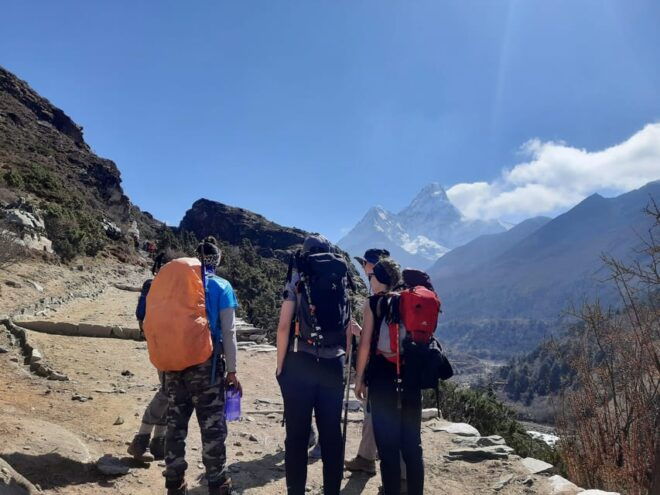
Included in the trek are a range of services designed to enhance the experience, ensuring trekkers can focus on the adventure ahead without worrying about logistics.
Participants enjoy private airport transport for seamless arrival and departure in Kathmandu, alongside two nights of comfortable accommodation with breakfast.
The trek includes domestic flights to and from Lukla, and eleven nights spent in welcoming trekking tea houses.
All necessary permits and entry fees are covered, and an English-speaking guide enriches the journey with local insights.
Trekkers are greeted with welcome drinks and treated to a farewell dinner, celebrating their achievements together.
While personal equipment and additional services like porters can be arranged, the core experience is thoughtfully crafted for maximum enjoyment and ease.
Important Trekking Information
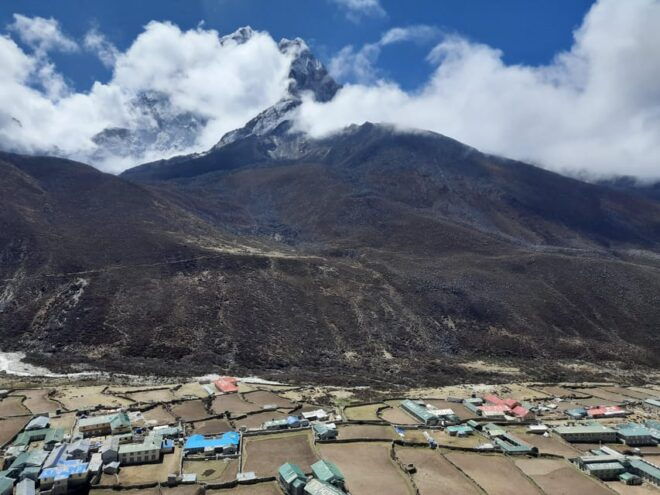
Trekking to Everest Base Camp demands careful preparation and awareness of the unique challenges posed by high-altitude hiking.
Trekkers should acclimatize properly, as the rapid elevation gain can lead to altitude sickness. Staying hydrated and nourished is crucial, so they must plan their meals and snacks accordingly.
Weather conditions can change swiftly, making layered clothing essential for warmth and protection.
Plus, trekkers need to travel with proper permits and understand the importance of respecting local customs and the environment.
It’s vital to travel with a reliable guide and avoid trekking alone.
Lastly, they should be aware of health restrictions, as the trek isn’t suitable for pregnant women or individuals with heart problems.
More Great Tours NearbyEssential Packing List
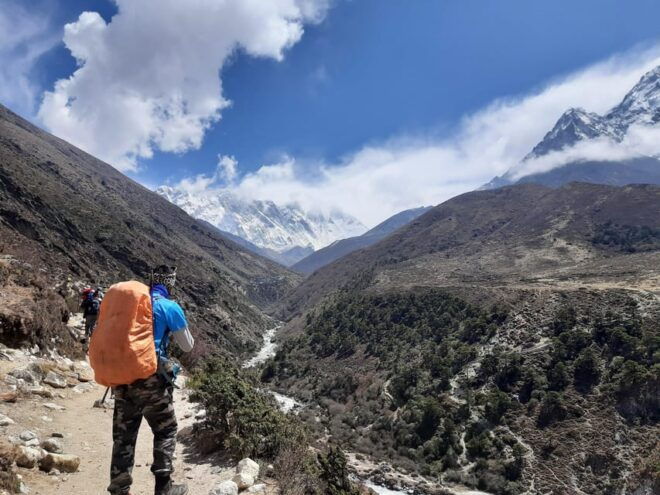
When preparing for the Everest Base Camp trek, having a well-thought-out packing list is essential to ensure trekkers are equipped for the challenges of high-altitude hiking. The right gear can significantly enhance comfort and safety throughout the journey.
Here’s a concise packing list to guide trekkers:
| Essential Gear | Additional Items | Not Allowed |
|---|---|---|
| Passport | Camera | Pets |
| Comfortable shoes | Sunscreen | Weapons |
| Warm clothing | Travel insurance | Sharp objects |
Trekkers should prioritize waterproof clothing, gloves, and personal medication while ensuring they have cash handy for local purchases. With proper preparation, they can focus on the breathtaking scenery and the adventure ahead.

Trekking Safety and Restrictions

Preparing for the Everest Base Camp trek involves not only packing the right gear but also understanding the safety measures and restrictions that ensure a secure and enjoyable adventure in the high-altitude environment.
Trekking at such altitudes poses risks like altitude sickness, so acclimatization days are crucial. Participants must adhere to group sizes, with a maximum of nine trekkers, to promote safety and support.
It’s essential to avoid prohibited items like weapons and sharp objects. Plus, trekkers should carry personal medications and maintain a balanced itinerary.
Tips for a Successful Trek
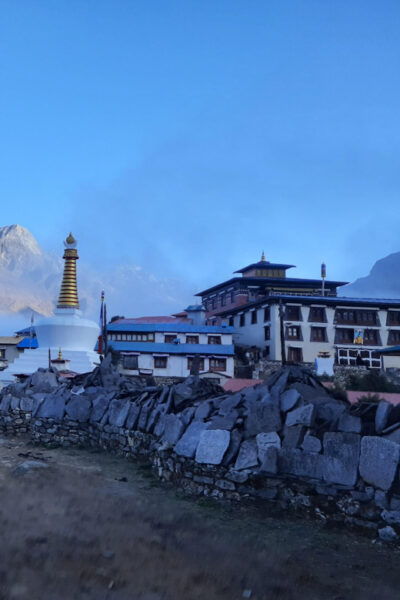
Successful trekking to Everest Base Camp hinges on careful preparation and a spirit of adventure, ensuring participants are equipped both physically and mentally for the challenges of high-altitude exploration.
Trekkers should prioritize fitness training, focusing on cardio and strength-building exercises weeks before the journey. Proper acclimatization during the trek is crucial; taking rest days can prevent altitude sickness.
Packing smartly is essential—lightweight, waterproof gear and layers help manage unpredictable weather. Staying hydrated and consuming energy-rich snacks keeps energy levels high.
A positive mindset and camaraderie with fellow trekkers enhance the experience, making the journey memorable.
Lastly, hiring a knowledgeable guide can provide invaluable insights and ensure safety throughout the trek, allowing trekkers to focus on the breathtaking scenery.
Questions You May Have
What Is the Best Time to Trek to Everest Base Camp?
The best time to trek is during spring and autumn. During these seasons, the weather’s generally stable and dry, offering clear skies and pleasant temperatures, making the journey more enjoyable for trekkers seeking breathtaking views.
How Physically Fit Do I Need to Be for This Trek?
To tackle this trek, one’s physical fitness should include good cardiovascular endurance and strength. Regular hiking, aerobic exercises, and stamina-building activities help prepare participants, ensuring they enjoy the adventure without excessive fatigue or discomfort.
Are There Any Age Restrictions for Participants?
There aren’t strict age restrictions for participants, but younger trekkers should be accompanied by adults. Most guides recommend ages 12 and up for optimal enjoyment and safety during demanding treks in high-altitude environments.
What Kind of Food Is Available During the Trek?
During the trek, participants enjoy a variety of local dishes, including dal bhat, noodles, and soups. Each meal’s designed to provide essential energy, making sure everyone’s fueled for the day’s adventures on the trails.
Can I Use My Mobile Phone During the Trek?
He can use his mobile phone during the trek, but connectivity varies. In some areas, signals are weak or nonexistent. Charging options may also be limited, so he should plan accordingly for his device.
Break Down
To sum it up, the trek to Everest Base Camp offers an unforgettable blend of adventure, culture, and breathtaking scenery.
Participants enjoy the vibrant Sherpa traditions while navigating the stunning landscapes of the Himalayas.
With expert guidance and carefully planned acclimatization, trekkers can confidently embrace the challenge ahead.
Whether standing at 5,364 meters or sharing stories around a cozy fire, this incredible journey promises memories that will last a lifetime.
Adventure awaits—are you ready to take the leap?
You can check availability for your dates here: More Great Tours Nearby