
Traveling through Tokyo’s history isn’t complete without understanding its complex wartime past. This 2.5-hour tour offers a compelling look at WWII’s lesser-known stories, blending historical sites with cultural insights. Led by a knowledgeable guide, it takes you into the heart of Japan’s wartime and post-war transformation, revealing stories that often go untold.
What really makes this experience special are the authentic visits—like standing next to the legendary Zero Fighter, exploring MacArthur’s former headquarters, and contemplating the symbolism behind the Kusunoki Masashige statue. Plus, the mix of historic landmarks with engaging commentary offers a well-rounded picture of Japan’s wartime resilience and loyalty.
One potential drawback? The tour is quite condensed, so if you’re a history buff wanting a deeper dive, you might wish for more time at each site. Still, for those seeking a meaningful yet manageable overview, it hits the mark beautifully. This tour is perfect for history enthusiasts, culture lovers, and travelers keen to understand Japan’s WWII story beyond the usual clichés.
- Good To Know
- Exploring the WWII Landmarks of Tokyo
- Starting Point at MacArthur’s HQ (DN Tower 21)
- Kusunoki Masashige Statue — More Than a Warrior
- Imperial Palace and Nijubashi Bridge
- Remains of Imperial Guard Division HQ
- Nippon Budokan — A Cultural Contrast
- Yasukuni Shrine & Zero Fighter
- What to Expect Throughout the Tour
- Authentic Stories and Personal Touches
- Historical Context & Modern Reflection
- Is This Tour Worth the Investment?
- Who Would Love This Tour?
- The Sum Up: Is This the Right Tour for You?
- FAQ
- More Tour Reviews in Tokyo
- Looking for something different? Other Tokyo activities we've written about
Good To Know
- Authentic WWII sites including MacArthur’s HQ, the Imperial Palace, and the Yasukuni Shrine.
- Unique access to the Zero Fighter and insights into kamikaze pilots and their stories.
- Cultural context with visits to the Kusunoki Masashige Statue and Nippon Budokan.
- Concise yet comprehensive 2.5-hour experience led by expert guides.
- Small group size ensures personalized attention and meaningful discussion.
- Ideal for history lovers wanting a true sense of Japan’s wartime legacy in Tokyo.
Exploring the WWII Landmarks of Tokyo
Find more activities and experiences we've covered in Tokyo.
Starting Point at MacArthur’s HQ (DN Tower 21)
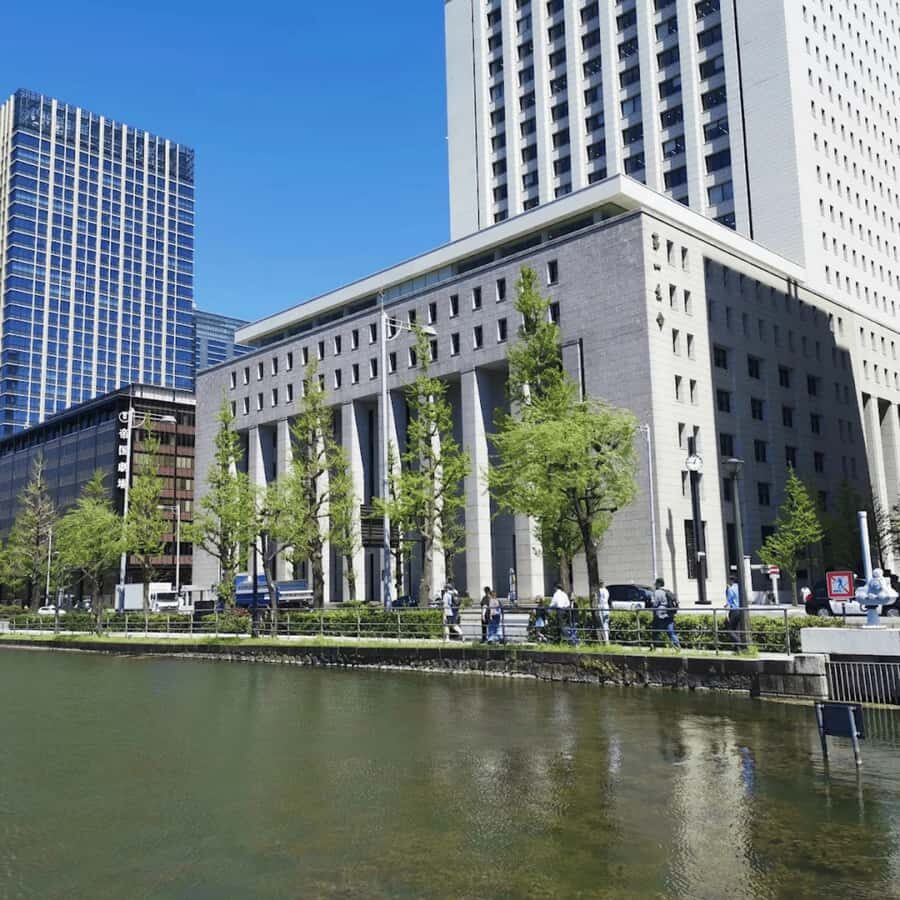
The tour kicks off at the very building where General Douglas MacArthur oversaw the occupation of Japan. Standing outside DN Tower 21, you’ll immediately get a sense of the historical weight carried by this modern office building—it’s where much of Japan’s post-war reorganization was directed. The guide explains how this site became the “brain” behind Japan’s reconstruction and the drafting of its new constitution.
Travelers have noted the importance of arriving early; the guide recommends getting to the meeting point a few minutes before at the Hibiya Station’s EXIT B2, holding a white umbrella for easy spotting. The location’s centrality makes it an easy starting point, and the view of the surrounding city adds a modern contrast to the historical narrative.
Kusunoki Masashige Statue — More Than a Warrior
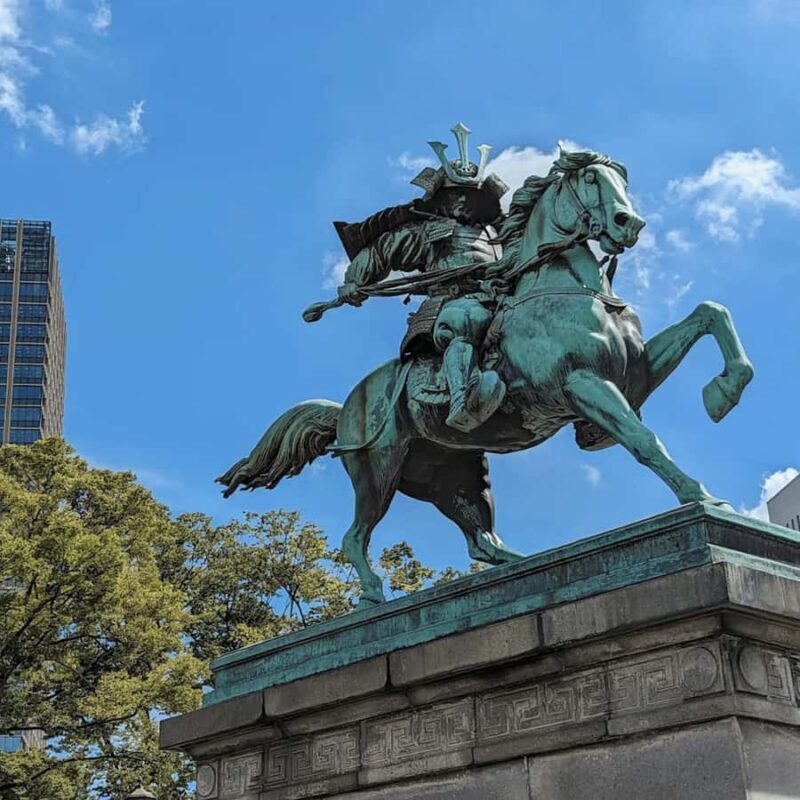
A quick walk brings you to the massive bronze statue of Kusunoki Masashige, a 14th-century samurai hero. The guide highlights the darker side of his story—that this warrior, long celebrated for absolute loyalty, was also a symbol that inspired kamikaze pilots. As one reviewer mentions, “It’s a powerful reminder of Japan’s deep-rooted loyalty and how history can be repurposed into myth or symbol.” The statue isn’t just a tribute but a lens to understand the context of wartime nationalism.
Imperial Palace and Nijubashi Bridge
Next, your walk takes you to the impressive Tokyo Imperial Palace. Known for its iconic Nijubashi Bridge, this site offers a stunning view that’s often featured in travel photos. The guide discusses the dramatic scenes on the day Japan surrendered, connecting the peaceful scenery to the intense wartime history behind it. While visitors can’t enter the inner grounds without a reservation, the guided commentary enhances the experience of viewing this symbol of Japan’s monarchy and sovereignty.
More Great Tours NearbyRemains of Imperial Guard Division HQ
Hidden behind the scenes is the former Imperial Guards Headquarters, a red-brick building that survived the firebombing of Tokyo. It’s a quiet spot that hints at the resilience of wartime structures. According to reviews, this site is often overlooked but offers a tangible link to Japan’s last-minute military efforts. The guide shares stories of a secret coup attempt that unfolded here, adding a layer of clandestine intrigue to the tour.
- 1 Day Private Nikko World Heritage Tour (Charter) – English Speaking Driver
- Akihabara Tailor-made Tour for Anime Fans
- Tokyo Go-Kart Rental With Local Guide From Akihabara
- International Party Bar & Karaoke Experience in Ginza
- Private Customizable Walking Tour of Tokyo
- Private Ginza Architecture Walking Tour
Nippon Budokan — A Cultural Contrast
Moving on, the Nippon Budokan is renowned today for concerts and martial arts competitions. However, it was originally built to showcase Japan’s spiritual rebirth after WWII. The guide explains how this octagonal building symbolizes Japan’s resilience and hope for a new beginning. Travelers note that seeing the Budokan through this lens makes a visit more meaningful, connecting Japan’s cultural revival to its wartime history.
Yasukuni Shrine & Zero Fighter
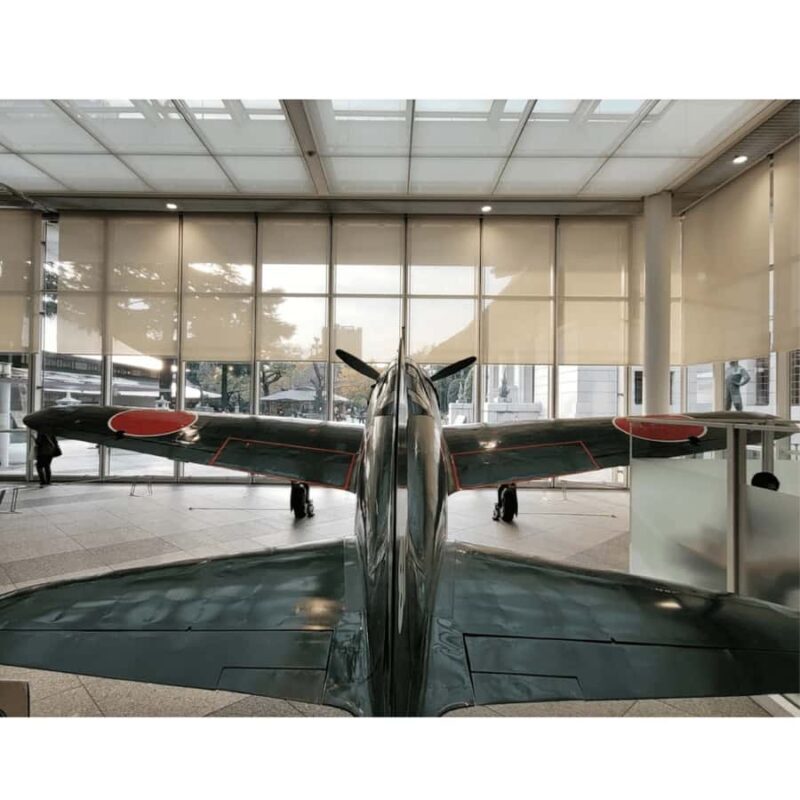
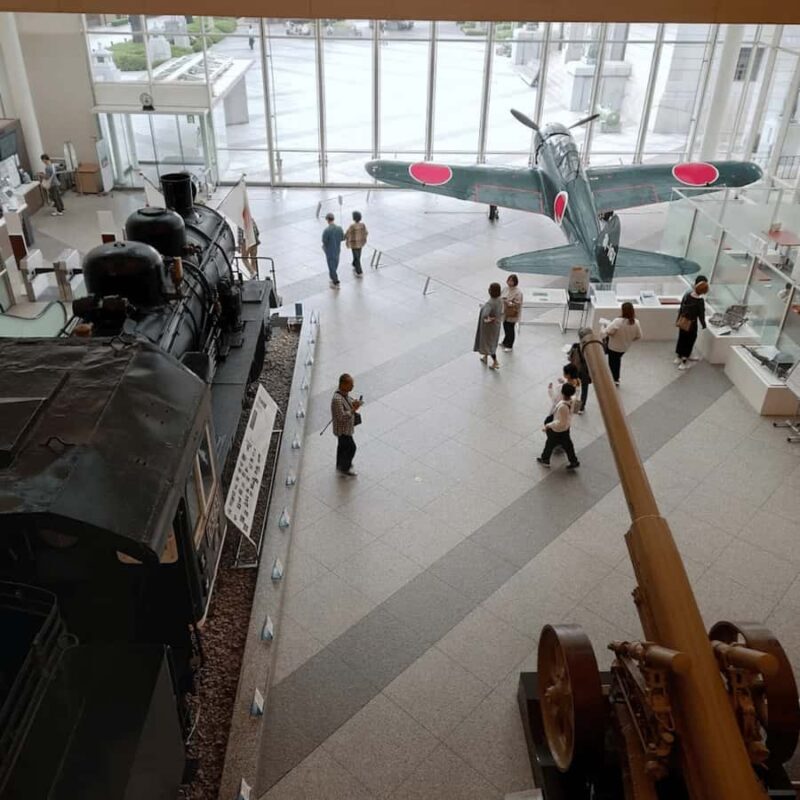
The tour’s finale is at the Yasukuni Shrine, home to a military museum and the legendary Mitsubishi A6M Zero fighter plane. Standing face-to-face with this aircraft, many visitors reflect on Japan’s wartime legacy. The free-access lobby of the Yushukan Museum offers a closer look at the Zero and provides context about the pilots’ stories. Tour comments highlight how this moment is both awe-inspiring and contemplative—an opportunity to consider the complex narratives of heroism and tragedy.
What to Expect Throughout the Tour
This guided experience is designed to weave together historical facts with cultural reflections. Each site is carefully chosen to tell a part of Japan’s WWII story, from the strategic military decisions to the national symbols that endured.
The tour lasts around 2.5 hours, making it a manageable yet immersive experience. The small group size (max 8 participants) ensures personalized attention, with guides like Fernando Ando providing detailed explanations that often include anecdotes and lesser-known facts. According to reviews, the guides are praised for their passion and knowledge; one reviewer mentions Fernando’s ability to relate war stories to modern Japan’s identity.
The visits are mostly walking, so comfortable shoes are a must. Since the tour covers several outdoor and indoor locations, bringing water is recommended, especially on warmer days. The timing often coincides with daylight hours, giving you ample opportunity to absorb the sights and sounds.
Authentic Stories and Personal Touches
Beyond the physical sites, the tour offers insights into the human stories behind the history. For instance, hearing about the letters of young pilots or the symbolic significance of the Kamikaze is eye-opening. It’s these details that transform a historical walk into a thoughtful reflection. One reviewer notes, “The guide’s stories about the kamikaze pilots and the human side of war made the experience much more impactful.”
Historical Context & Modern Reflection
What makes this tour stand out is the balance between the past and present. For example, visits to the Yasukuni Shrine open a dialogue about Japan’s complex war legacy, which can be sensitive but necessary for understanding the full picture. The guide’s respectful approach helps navigate these difficult topics, making it suitable for travelers who want an honest, thought-provoking experience.
Is This Tour Worth the Investment?
Considering the price, this tour offers excellent value for those interested in Japanese history, especially since it covers key sites with expert guidance. The small group size, inclusive of the guide’s storytelling, makes it a personalized experience that you might not get on larger, less intimate tours.
Given the duration—just two and a half hours—you receive a well-rounded overview that’s perfect for fitting into a busy day in Tokyo. It’s also flexible enough to complement other sightseeing plans, whether you’re exploring the Imperial Palace, visiting museums, or simply exploring Tokyo’s urban landscape.
Who Would Love This Tour?
This experience is ideal for history enthusiasts wanting an authentic, behind-the-scenes view of Japan’s WWII past. It also suits travelers interested in cultural symbols, military history, or those seeking a meaningful way to connect with Japan’s wartime narrative beyond touristy spots. If you prefer guided walks with engaging storytelling in a small group setting, this tour will meet your expectations.
The Sum Up: Is This the Right Tour for You?
This tour offers a thoughtful, well-curated journey through Tokyo’s WWII history. It balances historical sites with cultural insights, creating an experience that’s both educational and emotionally resonant. Small-group intimacy means you’ll get plenty of personalized attention, making complex topics easier to understand.
If you’re curious about Japan’s wartime stories, want to see iconic landmarks like the Zero Fighter up close, and enjoy engaging guides who can bring history to life, this experience will likely be one of your highlights. It’s particularly suitable for those who appreciate authentic experiences and are open to reflection on Japan’s war legacy.
For travelers seeking a concise but meaningful dive into history, this tour offers a well-designed blend of storytelling, site visits, and cultural context—an enriching addition to any Tokyo trip.
FAQ
Is this tour suitable for all ages?
Most likely, yes. It’s a walking tour that covers historical sites in central Tokyo, making it accessible for adults and older children interested in WWII history.
Do I need to prepare anything beforehand?
Just wear comfortable shoes and bring water. No special preparation is needed, but familiarizing yourself with basic WWII concepts might enhance your understanding.
Can I join this tour if I don’t speak Spanish?
Yes, the tour is conducted in English as well. Check availability to confirm the language options for your preferred date.
How long does the tour take?
It lasts approximately 2.5 hours, making it a manageable activity that can fit into a busy sightseeing schedule.
What’s the group size?
Limited to 8 participants, ensuring a more personal experience with plenty of opportunities to ask questions.
Is the Zero Fighter accessible for close viewing?
Yes. You’ll see the legendary Mitsubishi A6M Zero fighter at the Yasukuni Shrine, where it’s displayed in the museum lobby for an up-close look.
This tour offers a compelling, authentic window into Tokyo’s WWII past, blending history, culture, and personal stories. It’s a worthwhile choice for those eager to understand Japan’s wartime legacy with a knowledgeable guide by their side.
You can check availability for your dates here: More Great Tours NearbyMore Tour Reviews in Tokyo
- Mt Fuji and Lake Kawaguchiko Bus Day Tour with English Guide
- Tokyo: Japanese Wagashi Cooking Class with Matcha
- Tokyo: 2-hour Early Morning E-bike Tour of Shrines
- French-speaking tour of Tokyo between modernity and tradition
- From Tokyo or Nagano: Private Snow Monkey Park Full day trip
- Tokyo: Onigiri Making Experience – Japanese Traditional Food
Looking for something different? Other Tokyo activities we've written about
- Tokyo WWII: Kamikaze Secrets, Samurai Spirit & Zero Fighter
- Tokyo Private Japanese Whisky Tasting Experience in Ginza
- Mt Fuji and Lake Kawaguchiko Bus Day Tour with English Guide
- Tokyo: Japanese Wagashi Cooking Class with Matcha
- Tokyo: 2-hour Early Morning E-bike Tour of Shrines
- French-speaking tour of Tokyo between modernity and tradition
- 1-Day Tokyo Highlights Shore Excursion: Private Car from Yokohama
- From Tokyo or Nagano: Private Snow Monkey Park Full day trip
- Tokyo: Onigiri Making Experience – Japanese Traditional Food
- Tokyo Sushi Making Class : Sake Ceremony & Matcha Experience
- Japanese Sweets Cooking Class and Tsukiji Market Tour, Ginza
- Tokyo: Gotokuji Lucky Cat Temple & Harajuku Shibuya Cat Café