When it comes to experiencing Tokyo beyond its skyscrapers and neon lights, this tour offers a surprisingly authentic peek into Japan’s spiritual and cultural roots. While it’s only a three-hour experience, it manages to pack in a blend of tradition, history, and local flavors that leave a lasting impression.
What we love about this experience is the chance to visit famous temples adored by locals and visitors alike, the chance to feel the spiritual atmosphere through a traditional goma (fire) ceremony, and the opportunity to enjoy a hearty soba dinner that’s as culturally significant as it is delicious.
One thing to keep in mind is that the tour isn’t suited for people with mobility issues or heart problems, as it involves some walking and participation in rituals. It’s best suited for curious travelers who want a meaningful, small-group experience that combines history with hands-on cultural activities.
- Good To Know
- An Introduction to the Tour’s Unique Appeal
- The Itinerary Breakdown: What You’ll Experience
- Meeting Point and Duration
- Visiting Tomioka Hachiman Shrine
- Fukagawa Iseya and Sake Store
- The Goma Ceremony at Fukagawa Fudo Hall
- Traditional Dinner: Soba Noodles
- Optional Wish Cards
- What Makes This Tour Stand Out?
- Authenticity and Cultural Depth
- Small Group Intimacy
- Value for Money
- Practical Considerations
- Accessibility and Suitability
- Timing and Cancellation
- Group Size and Language
- The Sum Up: Is This Tour Right for You?
- FAQ
- The Best Of Tokyo!
- More Tour Reviews in Tokyo
- Not for you? Here's more nearby things to do in Tokyo we have reviewed
Good To Know
- Authentic culture through temple visits and rituals
- Small group setting ensures personalized attention and engagement
- Includes a traditional soba dinner to deepen your understanding of Japanese cuisine
- Visiting iconic sites like Tomioka Hachiman Shrine and Fukagawa Fudo Hall
- Flexible cancellation policy allows peace of mind
- Guided in English, making the experience accessible for international travelers

👉 See our pick of the 25 Best Guided Tours In Tokyo
An Introduction to the Tour’s Unique Appeal
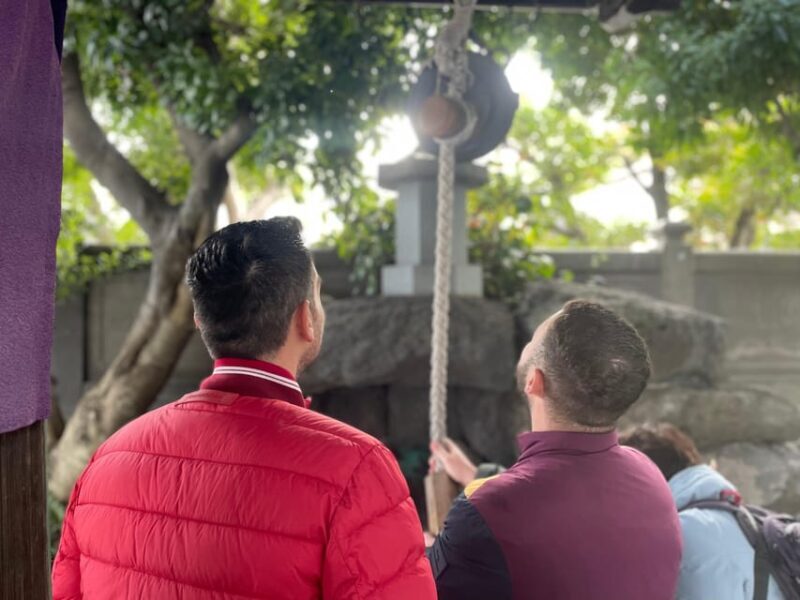
This tour offers a window into Tokyo’s more spiritual side, something that often gets overshadowed by its modern allure. It’s an ideal way for travelers who want to connect with Japan’s traditions in a relaxed, intimate setting. You won’t just see the sights—you’ll feel them.
What makes this experience special is the small group format, limited to just four participants. This ensures you get ample time to ask questions, participate actively, and really soak in the atmosphere. The guide, whose name isn’t specified but is described as live and English-speaking, is attentive and knowledgeable, adding context that transforms visits into meaningful moments.
While the price point of $100 per person might seem modest considering the inclusion of temple visits, rituals, and a traditional dinner, it’s worth noting that the experience offers value beyond just sightseeing. You’re paying for authenticity, local insights, and a chance to see Japan from a different perspective—one that’s spiritual and sensory instead of purely visual.
You can also read our reviews of more tours and experiences in Tokyo.


The Itinerary Breakdown: What You’ll Experience

Meeting Point and Duration
Starting in front of the Tokyu Stay hotel, the tour’s timing is flexible—check availability for start times. Over approximately three hours, you’ll visit several sites, participate in rituals, and enjoy local flavors. The tour concludes back at the starting point, making it convenient for those with tight schedules or other plans that day.
Visiting Tomioka Hachiman Shrine
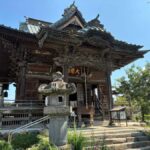
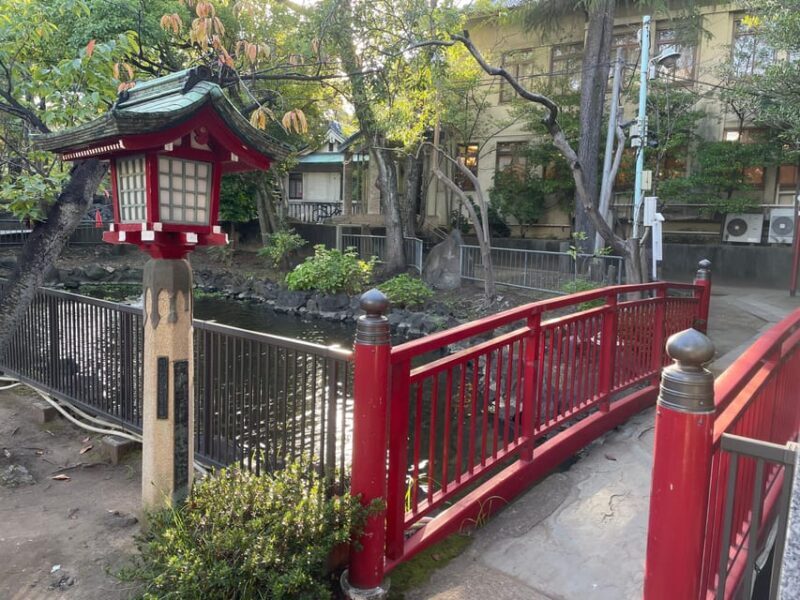
Your journey begins at Tomioka Hachiman Shrine, a site that holds historical significance and spiritual tranquility. This is not just a tourist stop; it’s a place where locals pray and seek blessings. The shrine is also notable for housing a portable shrine decorated with dazzling jewels, which adds a visual highlight.
One reviewer pointed out that the guide explained the shrine’s connection to Tadataka Ino, Japan’s renowned cartographer, adding an extra layer of historical context that made the visit more meaningful. The guide’s storytelling helps illuminate why this shrine remains a vital part of Tokyo’s spiritual landscape.
More Great Tours NearbyFukagawa Iseya and Sake Store
Next, the tour includes stops at Fukagawa Iseya, a traditional sweets shop where you can sample Japanese confections that have been crafted using age-old recipes. This is a chance to taste a slice of local flavor, making the experience more tangible and delicious.
You’ll also visit a sake store boasting a large selection of Japanese rice wines. Whether you’re a sake novice or connoisseur, this stop enhances your understanding of Japan’s beloved beverage and its cultural importance. The guide might suggest pairings or give insights into brewing techniques, enriching your appreciation.


The Goma Ceremony at Fukagawa Fudo Hall
The highlight of the spiritual part of the tour is the goma (fire) ceremony at Fukagawa Fudo Hall. This ritual involves burning wooden sticks as prayers for blessings and good fortune. It’s a powerful, sensory experience—smoky incense, flickering flames, and the collective energy of participants praying for health and happiness.
A reviewer mentioned that participating in the goma ceremony felt surprisingly intimate, and the guide effectively explained its significance. This moment of collective prayer provides a real connection to Japanese spiritual practices.
Traditional Dinner: Soba Noodles
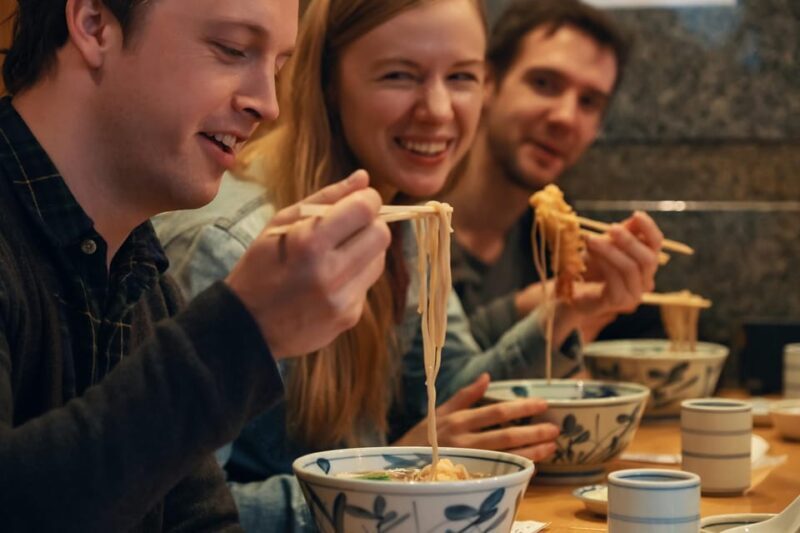
No Japanese cultural experience would be complete without tasting local cuisine, and here, you get a traditional soba (buckwheat noodles) dinner. The guide covers the dish’s history and how it’s enjoyed across Japan, adding context to your meal.
The soba is prepared in a way that showcases Japanese culinary craftsmanship, and the experience of eating in a communal setting enhances the culture. One participant noted that the soba was “deliciously chewy and fresh,” a testament to the quality offered in this included meal.
Optional Wish Cards
As part of the ritual experience, you’ll also pay for wish cards, which are a meaningful way to participate in Japanese traditions. Writing a wish or prayer on a card and leaving it at the shrine is a heartfelt gesture, and the guide provides guidance on this practice.
What Makes This Tour Stand Out?
Authenticity and Cultural Depth
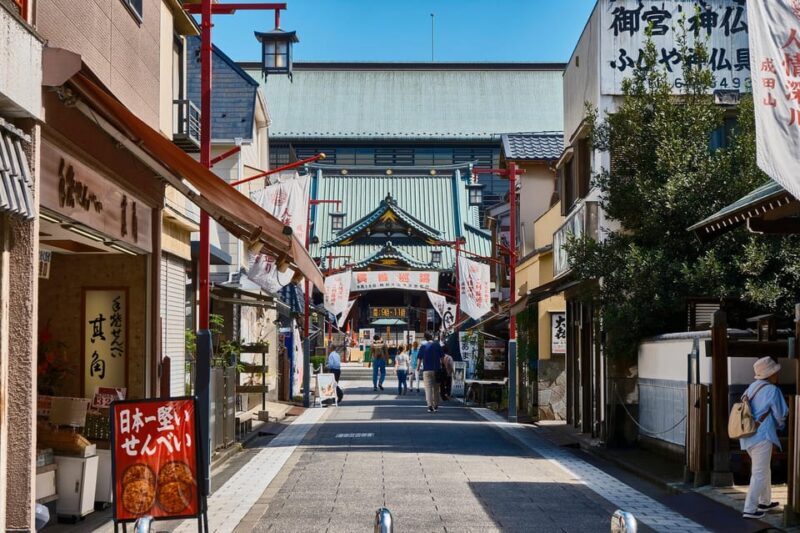
This experience isn’t about quick sightseeing. It’s about feeling the spiritual pulse of Tokyo, understanding how locals interact with their traditions, and participating in rituals that have been practiced for generations. The activities like the goma ceremony and temple visits are conducted in a way that feels genuine, not staged.
Small Group Intimacy
Limited to four participants, the tour fosters a relaxed environment where questions are welcomed, and personalized attention is standard. Several reviews praised the friendly, knowledgeable guide who added lots of insights and humor, making the experience both educational and enjoyable.
Value for Money
At $100, the tour offers a lot of value—it includes the guide, the soba dinner, and the cost of wish cards. Compared to similar experiences that might charge extra for rituals or food, this package feels transparent and fair. On top of that, the inclusion of cultural activities that deepen your understanding justifies the price.
Practical Considerations
Accessibility and Suitability
While the experience is rich in cultural activities, it isn’t suitable for wheelchair users or those with heart problems because of walking and participation in rituals. It’s best for travelers who are reasonably mobile and eager to engage actively.
Timing and Cancellation
Check availability for your preferred starting times, as flexible scheduling is offered. The tour has a full refund policy if canceled 24 hours in advance, providing peace of mind for those with unpredictable plans.
Group Size and Language
With only four people, the experience feels intimate and personalized. Guided in English, it’s accessible for most international travelers, and the small group setting ensures you won’t feel rushed or lost in a crowd.
The Sum Up: Is This Tour Right for You?
If you’re seeking a meaningful glimpse into Japanese spiritual traditions combined with local flavors and a small-group setting, this tour delivers. It’s highly suitable for culture enthusiasts, history buffs, and food lovers wanting more than just sightseeing—an authentic, hands-on experience.
This tour offers a balanced mix of ritual, history, and cuisine, making it a well-rounded introduction to Tokyo’s spiritual side. However, if mobility or health issues are a concern, or if you prefer a more fast-paced sightseeing experience, it might not be the best fit.
Overall, it’s an excellent choice for travelers wanting to connect with Japan’s traditions in an engaging and respectful way, leaving you with deepened appreciation and memorable stories.
FAQ
Is this tour suitable for children or teenagers?
It generally caters to adults and older children who can participate actively. Younger children or those with mobility issues might find the walking and rituals challenging.
How long does the tour last?
The experience lasts approximately 3 hours, with flexible starting times depending on availability.
Are the activities physically demanding?
The tour involves some walking and participation in rituals like the goma ceremony, so it’s best for reasonably mobile travelers. It’s not suitable for wheelchair users.
What is included in the price?
The fee covers the tour guide, the soba dinner, and the payment for wish cards. It doesn’t include personal expenses or additional snacks outside the itinerary.
Can I cancel if my plans change?
Yes, you can cancel up to 24 hours in advance for a full refund, providing flexibility if your plans shift.
Is the tour conducted in English?
Yes, the guide speaks English and facilitates all activities, ensuring clear communication for international visitors.