
Tokyo: Japanese Wagashi Cooking Class with Matcha offers a delightful glimpse into traditional Japanese sweets, perfect for food lovers and culture enthusiasts alike. Based in the charming neighborhood of Jiyugaoka, this three-hour experience combines hands-on cooking, cultural insights, and a touch of history—all led by a friendly registered dietitian.
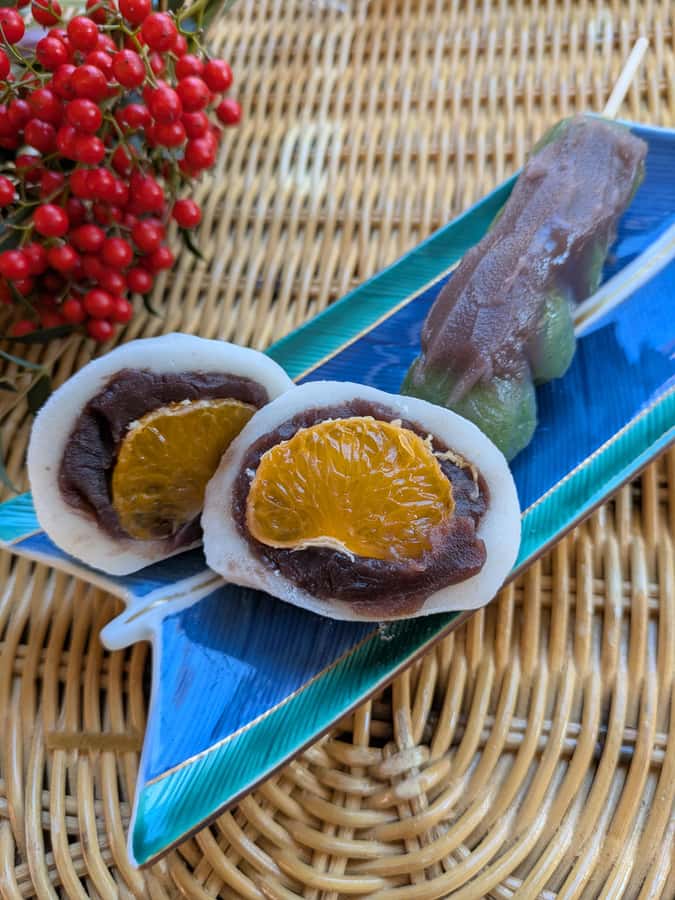
What makes this class special? First, you’ll learn how to craft seasonal fruit daifuku and yomogi dango, two classic wagashi that are not only delicious but also beautifully presented. Second, the instructor’s expertise as a registered dietitian means you’ll get meaningful insights into the health benefits and nutritional value of wagashi, making it more than just a cooking lesson. Third, the inclusion of antique tableware, some over a century old, adds a layer of authenticity and aesthetic charm to the experience.
One thing to consider is that this class is held in a newly built, modern venue, which might differ from the traditional Japanese settings some travelers seek. However, its accessibility from central Shibuya (just 8 minutes by train) makes it a manageable and rewarding activity for those wanting a taste of authentic Japanese sweets without venturing far from Tokyo’s bustling core.
This experience is well-suited for travelers interested in Japanese cuisine, those looking for a cultural activity that’s both educational and delicious, and anyone who appreciates the artistry behind wagashi. It’s also vegetarian, vegan, and gluten-free friendly, making it inclusive for various dietary needs.
Good To Know
.jpg)
- Interactive Experience: Learn to create seasonal fruit daifuku and yomogi dango through demonstration and hands-on practice.
- Expert Guidance: Conducted by a knowledgeable registered dietitian who shares insights into wagashi’s history and nutrition.
- Authentic Materials: Use of antique tableware dating back over a century enhances the traditional feel.
- Premium Ingredients: Fresh seasonal fruits, high-quality Hokkaido anko, and aromatic yomogi sourced from Japan.
- Cultural Learning: Discover the significance of wagashi beyond just its taste.
- Accessible Location: Conveniently located just 8 minutes from Shibuya in a charming, accessible neighborhood.
An In-Depth Look at the Experience
.jpg)
The Venue and Accessibility
Situated just a short train ride from Shibuya, Jiyugaoka provides a calm, inviting atmosphere away from the city’s hustle. The class begins at a centrally located venue, accessible from both Jiyugaoka Station (about 10 minutes walk) or Midorigaoka Station (roughly 5 minutes). The new, modern space offers a comfortable setting with good views, making it easy to relax and focus on the culinary journey ahead. The convenience of the location allows for a stress-free start, especially after a busy day exploring Tokyo.
The Instructor and Atmosphere
Led by a friendly Japanese nutritionist with years of experience in food research and menu development, the instructor makes an effort to combine education with hands-on fun. During the class, they demonstrate techniques such as shaping mochi and folding ingredients into daifuku, all while sharing fascinating stories about wagashi’s cultural significance. The small group size (limited to six participants) ensures personalized attention, allowing questions and interactions that deepen your understanding.
The Cooking Process
The class kicks off with a demonstration of how to prepare the dough and fillings. You’ll learn how to prepare mochi rice using high-quality ingredients and mold it into perfect shapes. For the daifuku, you’ll use fresh seasonal fruits—imagine ripe strawberries, peaches, or whatever is in season—to create a delightful filling wrapped in soft, chewy mochi.
Yomogi dango, flavored with aromatic Japanese mugwort, offers a more traditional experience. The instructor emphasizes the importance of sourcing authentic yomogi, which adds a unique herbal flavor and vibrant color. You’ll knead, shape, and steam the sweets, gaining confidence in your skills with each step.
More Great Tours NearbyThe Cultural and Nutritional Insights
What sets this class apart is the discussion about wagashi’s history and health benefits. Wagashi are known for being nutritious and relatively low in sugar, making them a guilt-free treat. The instructor explains how these sweets have been enjoyed for centuries and their role in tea ceremonies and seasonal celebrations. You’ll walk away with recipes that can be easily recreated at home, with tips on sourcing ingredients and adapting to different seasons.
The Tasting and Matcha
Once your sweets are complete, you’ll sit down to enjoy them with a carefully selected cup of matcha tea. The matcha, prepared with quality leaves, complements the sweetness beautifully and enhances the entire tasting experience. The class encourages savoring each bite, appreciating the craftsmanship and delicate flavors.
The Use of Antique Tableware
A highlight for many is the opportunity to use antique Japanese tableware from over a century ago. These pieces add an authentic and aesthetic dimension to the tasting, connecting you visually and sensorially to Japan’s culinary heritage. Reviewers mention that this detail enhances the overall ambiance, making the experience feel special and rooted in tradition.
The Price and Value
While the exact cost isn’t specified here, the class’s focus on high-quality ingredients, expert instruction, and cultural insights suggests it offers good value for those keen to deepen their understanding of wagashi. The inclusion of recipes and the ability to recreate your sweets at home makes it an especially practical experience for anyone who loves Japanese cuisine.
Who Should Book This Experience?
.jpg)
This class appeals most to travelers who appreciate interactive, educational activities that blend culture and cuisine seamlessly. It’s perfect for foodies wanting to learn how to make authentic Japanese sweets and those interested in healthy, traditional treats. Given its vegetarian, vegan, and gluten-free options, it’s inclusive for diverse dietary preferences. It’s also suitable for families with children, especially since the class is engaging and friendly.
The Sum Up
This wagashi cooking class in Tokyo offers a unique blend of hands-on fun, cultural insight, and culinary education. With its focus on traditional sweets, expert guidance, and authentic ingredients, it provides a meaningful way to connect with Japan’s culinary heritage. Its convenient location, small group setting, and inclusion of historical elements like antique tableware make it stand out as a memorable experience.
Whether you’re a passionate food lover, a curious traveler, or someone seeking a calming, creative activity, this experience delivers genuine value. You’ll leave not only with new skills and recipes but also with a deeper appreciation of wagashi’s cultural significance and health benefits.
For those wanting to explore Japanese sweets beyond just tasting, this class is an excellent choice—practice at home, enjoy beautiful sweets, and learn the stories that make wagashi special.
FAQ
.jpg)
Is the class suitable for vegetarians or vegans?
Yes, the class is vegetarian and vegan-friendly, with options to accommodate various dietary needs.
Are gluten-free options available?
Absolutely, the class is gluten-free friendly, but it’s best to inform the organizers at least three days in advance if you have specific restrictions.
How long is the class?
It lasts approximately 3 hours, making it a manageable and enriching activity without taking up your entire day.
Where does the class take place?
In Jiyugaoka, about 8 minutes from Shibuya by train, in a new, well-equipped venue with good views.
What’s included in the price?
Participants receive instruction, ingredients, antique tableware use, matcha tea, and a recipe to take home.
Can I cancel if my plans change?
Yes, you can cancel up to 24 hours in advance for a full refund.
Is the class suitable for children?
Yes, the experience is friendly for children, especially those interested in cooking or Japanese culture.
What language is the class conducted in?
The class is offered in both English and Japanese, ensuring clear communication.
Will I get a chance to taste my creations?
Definitely. After making your sweets, you’ll enjoy them with matcha, savoring your handiwork.