
- Discovering Tokyo’s Imperial Heritage: A Walking Tour of the Imperial Palace and Ishibashi Bridge
- Good To Know
- A Deep Dive Into the Tour Experience
- Starting Point and First Impressions
- Walking Through Edo Castle Ruins and Otemon Gate
- Exploring the East Garden: A Slice of Edo Japan
- Learning About Samurai Life and Castle Architecture
- Ishibashi Bridge and the End of the Tour
- What to Expect and Practical Tips
- How This Tour Compares to Similar Experiences
- The Sum Up: Who Should Consider This Tour?
- Frequently Asked Questions
Discovering Tokyo’s Imperial Heritage: A Walking Tour of the Imperial Palace and Ishibashi Bridge
.jpg)
Taking a stroll through Tokyo’s Imperial Palace and its surrounding gardens offers a rare glimpse into Japan’s storied past, right in the heart of the modern city. This 2-hour walking tour, led by a knowledgeable guide from Tokyo on foot, combines history, architecture, and beautiful scenery—perfect for travelers wanting a compact but meaningful cultural experience.
What makes this experience stand out? First, the emphasis on Edo period history helps you connect with Japan’s samurai legacy. Second, the scenic East Garden offers a peaceful escape with seasonal blooms and historic ruins. Third, the iconic Ishibashi Bridge provides a picture-perfect view that’s both photogenic and steeped in tradition. One thing to keep in mind is that the tour involves quite a bit of walking, so comfortable shoes are a must. Overall, it suits history enthusiasts, photographers, and those wanting to see the city’s historic core without a full-day commitment.
You can check availability for your dates here:Good To Know
.jpg)
- Historical insights: Learn about Edo period Japan, samurai life, and the Tokugawa shogunate from an expert guide
- Spectacular views: Capture stunning photos at Ishibashi Bridge, with the Marunouchi skyline as a backdrop
- Authentic experience: Walk through the actual grounds where samurai and high-ranking officials once resided
- Garden beauty: Enjoy seasonal landscapes, ponds, and traditional Japanese garden design in the East Garden
- Accessible tour: Suitable for most, with wheelchair accessibility and a manageable 2-hour duration
- Limited access: Inner palace grounds are not open, but the East Garden and exterior views provide plenty of visual interest
A Deep Dive Into the Tour Experience
Starting Point and First Impressions
The tour kicks off at 3-1 Kkyogaien, near a recognizable Starbucks, where you’ll meet your guide beside a black stone memorial. From the outset, the location sets a modern yet historical tone, as you look across the moat and see the formidable Otemon Gate, the grand entrance to the former Edo Castle. Standing beneath its towering wooden beams, it’s easy to imagine the authority this gate once represented, guarding centuries of shogunal power.
Walking Through Edo Castle Ruins and Otemon Gate
Our guide, whose name I wish I remembered, shared stories about the Tokugawa shoguns who ruled from this very site for over 260 years. Even though much of the original structure was lost to fire and time, the remaining fortifications and moat still speak volumes about the castle’s former might. You get a real sense of scale when viewing the stone foundations—these are all that remain of what used to be Japan’s most impressive fortress.
More Great Tours NearbyExploring the East Garden: A Slice of Edo Japan
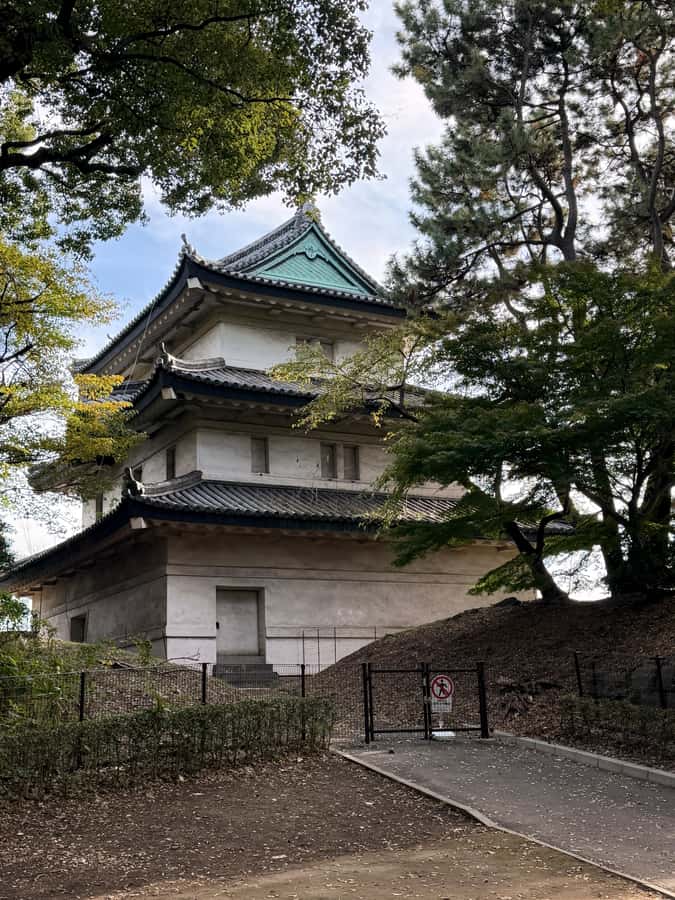
Walking into the Imperial Palace East Garden feels like stepping into a living postcard. We loved the way the guides explained how this area was once the private reserve of samurai and officials, now transformed into a calm green space. You’ll see the remains of Edo Castle’s Honmaru — the central part of the castle — and note the enormous stone base of what was once a towering keep. The contrast between the peaceful garden below and the busy Marunouchi skyline beyond is quite striking.
The garden itself is carefully manicured, with ponds, traditional stone bridges, and seasonal flowers. Depending on when you visit, you might catch irises in bloom or vibrant autumn leaves. Several reviewers mentioned the serenity here, which offers a perfect break from Tokyo’s hustle. It’s a place where you can imagine how Edo’s elites and samurai enjoyed their leisure time amid natural beauty.
Learning About Samurai Life and Castle Architecture
Passing by former guardhouses and residences, the guide dives into stories about the samurai class’s lifestyle, their daily routines, and their roles in safeguarding the shogunate. The mention of the Tenshudai, the castle’s tallest stone foundation, was a highlight for many, illustrating the impressive engineering of Edo-period architecture. Though the original tower no longer exists, standing on the foundation sparks the imagination of what the views from the top must have been like.
Ishibashi Bridge and the End of the Tour
The tour culminates at the Ishibashi Bridge, one of Tokyo’s most photographed landmarks. This elegant stone arch spans a tranquil moat, and from this vantage point, you’ll get a clear view of the palace grounds and the city beyond. The guide recommends taking photos here, especially as the reflection in the water creates a picture-perfect moment. Since crossing the bridge is not permitted during the tour, it remains a viewing and photo opportunity—an iconic spot for capturing the blend of history and modernity.
What to Expect and Practical Tips
.jpg)
This tour lasts about 2 hours, making it an ideal option for those with limited time but a keen interest in history and scenery. The group size is small enough for personal interaction, and the guide’s expertise enriches the experience with fascinating stories and contextual insights.
Walking involves a fair amount of movement, mostly on paved paths, so comfortable shoes are essential. The East Garden is open to the public, but the inner palace grounds are not accessible, so the focus remains on the outdoor areas and the external views. Photography is allowed; however, crossing Ishibashi Bridge is not permitted, so plan your photos accordingly.
The meeting point is convenient, near the black stone memorial and Starbucks, with exact coordinates provided. The tour is wheelchair accessible, which broadens its appeal. You can cancel up to 24 hours in advance for a full refund, and booking now allows for flexible payment options.
How This Tour Compares to Similar Experiences
.jpg)
Many other tours offer a broader or more comprehensive look at Tokyo’s castles and palaces, but this one strikes a good balance between depth and brevity. For instance, some longer excursions include additional sites, but they also demand more time. If you’re after a focused, expert-led walk that emphasizes authentic history and scenic views, this one hits the sweet spot.
Reviews highlight knowledgeable guides, with one reviewer mentioning the guide’s engaging storytelling, which brought the history alive. The views of the Marunouchi skyline from the ruins and garden are consistently praised, making this tour a favorite for photographers and history buffs alike.
The Sum Up: Who Should Consider This Tour?
.jpg)
This walking tour provides a tangible connection to Japan’s Edo period, making it perfect for travelers who love history, architecture, and scenic views. If you’re short on time but want a meaningful experience that combines outdoor exploration with storytelling, this tour delivers. It’s also suitable for those with mobility considerations, thanks to its wheelchair accessibility and manageable duration.
For visitors keen to see Tokyo’s historic core without the crowds or lengthy commitments, this guided walk offers a quality, immersive glimpse into the city’s past. Whether you’re a photographer eager to capture iconic views, a history enthusiast, or someone simply curious about Japan’s samurai heritage, you’ll find plenty to love here.
Frequently Asked Questions
.jpg)
Is this tour suitable for all ages? Yes, the tour is designed to be accessible and enjoyable for most age groups, especially since it involves walking at a relaxed pace.
Do I need to bring anything? Comfortable shoes and water are recommended to stay comfortable during the 2-hour walk.
Are the inner palace grounds included? No, the tour focuses on the East Garden and exterior views; access to the inner palace grounds is restricted.
Can I take photos during the tour? Yes, photography is allowed, but crossing Ishibashi Bridge is not permitted, so plan your shots accordingly.
How long in advance should I book? You can cancel up to 24 hours before the tour and secure flexible booking. It’s best to reserve early, especially during peak seasons.
Is the tour accessible for wheelchair users? Yes, the tour is wheelchair accessible, making it suitable for visitors with mobility needs.
This tour offers a well-rounded, engaging look at Tokyo’s historic royal residence and its surroundings, blending storytelling, scenic beauty, and cultural insight—all within a comfortable, manageable time frame. Perfect for those wanting to dip into Japan’s Edo period without a full-day commitment.
You can check availability for your dates here: More Great Tours Nearby