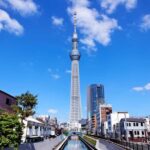
Tokyo: Feng Shui, Red Torii & Neon Private Tour – A Balance of Tradition and Modernity
Planning a visit to Tokyo often means juggling the ancient and the ultra-modern. This private tour offers a thoughtful journey through the city’s spiritual defenses and bustling streets in one seamless experience. We’re here to share what makes this tour a compelling choice for travelers eager to see Tokyo beyond its surface gloss.
What we love most about this experience is how it combines cultural insight, iconic sights, and authentic local flavors. The detailed explanations of Feng Shui influences give depth to the visit, while walking through the red torii tunnel at Hie Shrine feels almost otherworldly. The tour also hits the high-energy districts of Shibuya and Shinjuku, showcasing Tokyo’s contemporary vibrancy. Yet, a potential drawback is the moderate walking involved, which might be tiring for some, especially during hot weather.
This tour is perfect for travelers who want a well-rounded view of Tokyo — those interested in history, spirituality, and city life alike. If you value insightful guided experiences with a private group, this will suit you well.
Good To Know
- Balanced itinerary blending traditional spirituality and modern city scenes
- In-depth explanation of Tokyo’s Feng Shui influences
- Visiting iconic sites like Senso-ji, Hie Shrine, and the Imperial Palace
- Unique photo opportunities, especially at the torii tunnel
- Flexible options for full-day or half-day tours to suit your schedule
- Includes transportation via subway, making travel smooth and efficient
👉 See our pick of the 25 Best Guided Tours In Tokyo
- Good To Know
- Discovering Tokyo’s Spiritual Boundaries
- The Mystical Red Torii Tunnel at Hie Shrine
- The Imperial Palace and Edo’s Heart
- A Luxurious Lunch in Ginza
- Tokyo’s Modern Chaos: Shibuya and Shinjuku
- Practical Considerations & Tour Details
- Who Is This Tour Best For?
- The Sum Up: Is It Worth It?
- FAQ
- The Best Of Tokyo!
- More Private Tours in Tokyo
- More Tours in Tokyo
- More Tour Reviews in Tokyo
- Not for you? Here's more nearby things to do in Tokyo we have reviewed
Discovering Tokyo’s Spiritual Boundaries
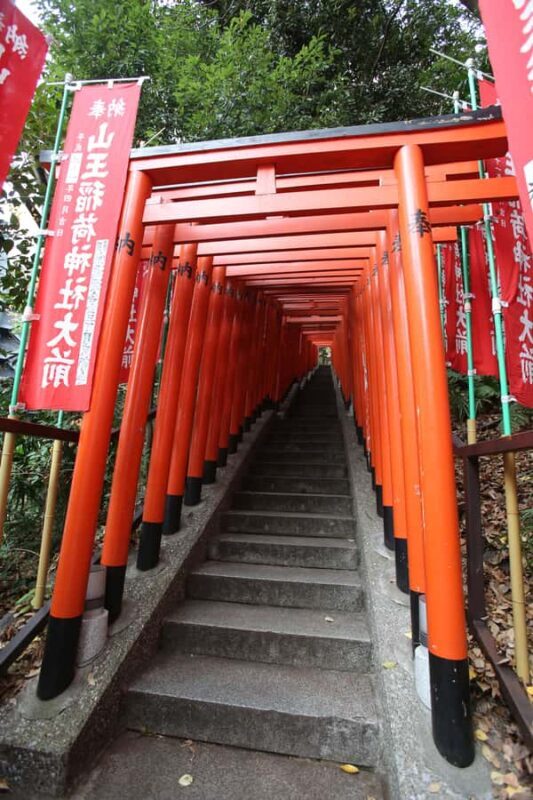
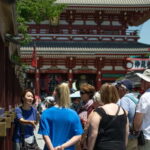
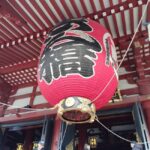
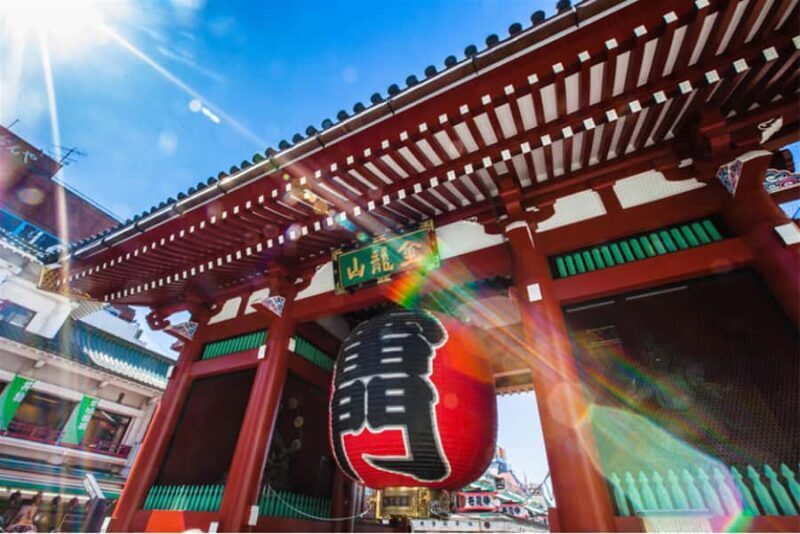
This private tour begins in the heart of Tokyo’s oldest district — Asakusa, home to the famous Senso-ji Temple. It’s a spot many travelers flock to for its vibrant street markets and spiritual aura. But what sets this experience apart is the focus on Edo-era Feng Shui principles, which believed that specific locations and structures could influence a city’s energy flow.
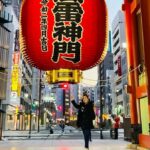
The “Demon Gate” at Senso-ji is more than just a mythic name. Historically, Edo (now Tokyo) was designed with protective spiritual barriers, and Senso-ji was strategically positioned in the northeast “Demon Gate” to ward off evil spirits. Our guide explains how this kind of urban Feng Shui shaped the city’s layout, providing a new perspective on Tokyo’s architecture.
The guide’s insights reveal how these ancient beliefs still influence modern Tokyo, adding a layer of meaning to the bustling surroundings. We loved the way the explanation illuminated the historical purpose behind the temple’s placement, making the visit more than just sightseeing.
You can also read our reviews of more private tours in Tokyo

The Mystical Red Torii Tunnel at Hie Shrine
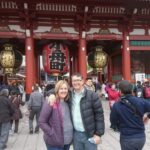
Next, we visit Hie Shrine, which guards the southwest “Back Demon Gate.” The highlight here is walking through the Senbon Torii, a tunnel of red wooden gates that feels like stepping into Kyoto right in Tokyo. It’s a perfect spot for photos and for feeling the spiritual energy that many believe is harnessed within these gates.
Reviews highlight how photogenic this scene is — “It’s like walking through a portal,” one visitor remarked. The red torii gates are not just beautiful; they symbolize protection and good fortune in Japanese tradition. Guided commentary explains the significance of the color red and the spiritual purpose of such tunnels, making it more than just a visual delight.
While the tunnel is compact, it provides a magical atmosphere and a break from the busy city streets, making it a favorite for many. Travelers appreciate how this spot resembles the famous Fushimi Inari Shrine in Kyoto, but on a smaller, more intimate scale.
The Imperial Palace and Edo’s Heart
Moving to the Imperial Palace East Gardens, this stop offers a glimpse into the political and spiritual heart of old Edo. The gardens are the former site of Edo Castle, and they’re a peaceful oasis in the middle of Tokyo’s hustle.
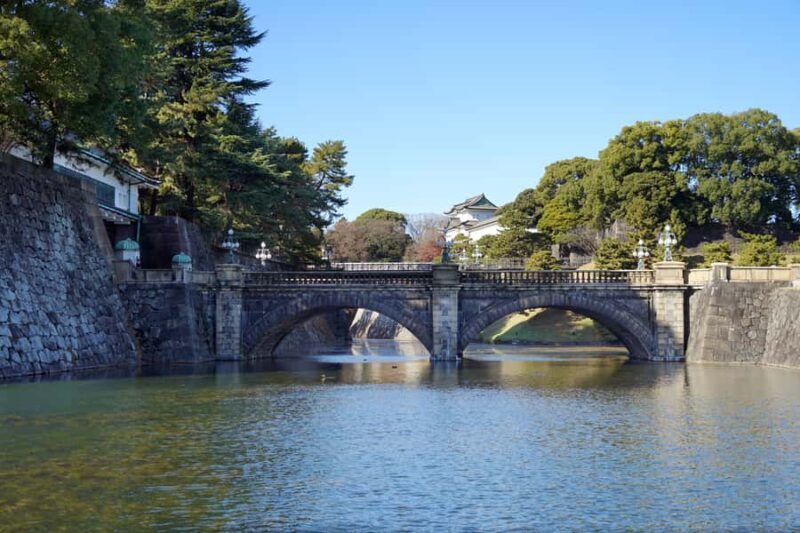
When open, the gardens feature beautifully maintained landscapes, historic ruins, and the Nijubashi Bridge, which is iconic for its mirror-like reflection. During closures, the tour shifts to the Imperial Palace Plaza, giving visitors a great view of the castle gates and the surrounding grounds.
Our guide emphasizes the connection between the palace’s location and the city’s Feng Shui. The choice of site was deliberate, designed to balance the city’s energy flow and protect it from negative influences. Though some travelers noted that the East Gardens are closed on Mondays and Fridays, the alternative views are still worthwhile.
A Luxurious Lunch in Ginza
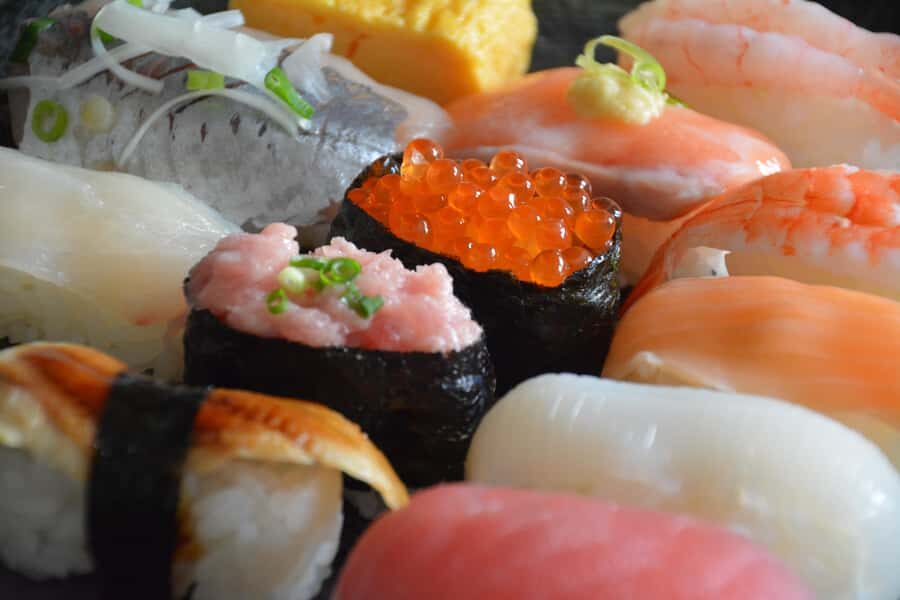
After absorbing centuries of history and spiritual symbolism, we pause in Ginza for a late lunch. Though the tour doesn’t include the meal itself, this is a good opportunity to indulge in conveyor belt sushi or explore other local options.
Ginza is known for its luxury shopping and upscale eateries, making it a perfect spot for a relaxing break. The guide often recommends places where you can enjoy fresh, high-quality sushi or other Japanese delicacies. Eating here offers a chance to see how the city’s modern elegance contrasts with its ancient spiritual roots.
More Great Tours NearbyTokyo’s Modern Chaos: Shibuya and Shinjuku
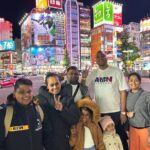
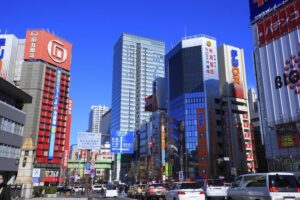
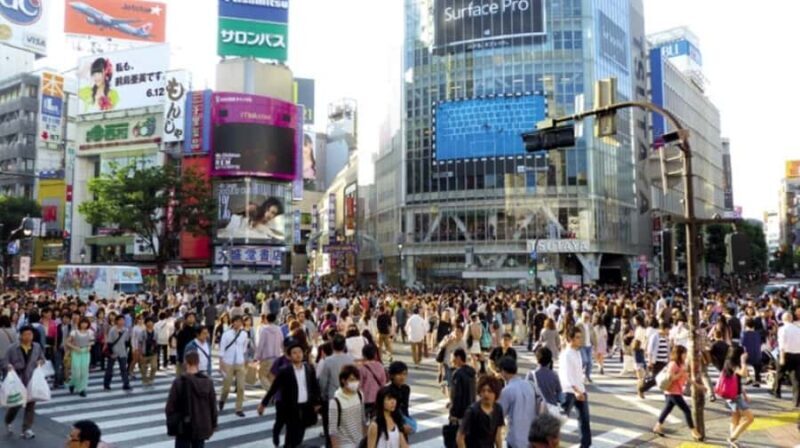
The tour shifts gears as we head to Shibuya, home to the famous Scramble Crossing. Standing amidst the crowd of thousands crossing in every direction, you can’t help but feel the electric energy that defines Tokyo. It’s a scene that’s often featured in movies and is truly a symbol of modern Japan.
According to reviews, this spot is a must-see — “It’s overwhelming in the best way,” one guest said. Nearby, you’ll find boutique shops, trendy cafes, and street performers that add to the vibrant atmosphere.
From Shibuya, the journey continues to Shinjuku, where neon lights and bustling alleyways set the tone for Tokyo’s nightlife. Visiting the Isetan Department Store’s Depachika (food basement) feels like stepping into a culinary museum with displays of luxury fruits, wagyu beef, and artistic sweets.
For those doing the full-day tour, you’ll also explore Kabukicho and Omoide Yokocho, areas famous for their vibrant nightlife, neon glow, and authentic izakaya vibe. Many reviewers appreciate that staying in the area for dinner after the tour really completes the experience.




Practical Considerations & Tour Details
This private tour is flexible, with options ranging from 5 to 9 hours, depending on how much you want to see. The shorter version ends at the Imperial Palace, covering core sites. The full-day includes lunch, Shibuya, Isetan Depachika, and Shinjuku, providing a comprehensive Tokyo experience.
Transportation is by subway, and the guide will handle all arrangements, making it easy to focus on enjoying the sights. Travelers should bring comfortable shoes, cash (Yen), and weather-appropriate clothing. Since it involves a fair amount of walking, those with mobility issues might find it challenging.
Reviews mention that the guide, Keiji, is very knowledgeable, sharing insights that deepen the understanding of Tokyo’s layout and history. Participants appreciated his attentiveness and tailored explanations, which made the experience more engaging.
Who Is This Tour Best For?
This experience is suited for travelers who want a well-rounded glimpse of Tokyo — blending spiritual history with urban excitement. It’s perfect if you’re curious about Feng Shui, love photo opportunities, and want to see iconic districts with a knowledgeable guide.
Those interested in local culture and food will enjoy the combination of historical sites and modern districts. However, if you’re seeking a light stroll or limited walking, you might find the moderate pace a bit tiring.
The Sum Up: Is It Worth It?
This private tour offers a rare chance to connect the dots between Tokyo’s ancient spiritual boundaries and its bright, bustling modern persona. The thoughtfully curated stops reveal the city’s layered identity — from mystical torii gates to neon-lit streets — making it a valuable experience for those wanting depth beyond the typical tourist spots.
For history buffs, photography lovers, and urban explorers, this tour provides authentic insights and beautiful sights in a private setting, ensuring a personalized experience. The combination of cultural education, delicious food, and dynamic city scenes makes it a worthwhile investment, especially for visitors eager to understand Tokyo’s hidden spiritual geography.
If you’re after a comprehensive, engaging tour that balances tradition and modernity, this experience hits the mark. It’s especially ideal for solo travelers, couples, or small groups looking for a flexible, insightful way to explore Tokyo’s many layers.
FAQ
Is this tour suitable for those with mobility issues?
Since the tour involves a moderate amount of walking, it may not be suitable for travelers with mobility impairments or wheelchair users.
What should I bring on the tour?
Comfortable shoes, cash in Japanese Yen, water, and weather-appropriate clothing are recommended. Large bags or luggage are not permitted.
How is transportation arranged?
The tour uses subway trains for moving between locations, and the guide will handle all logistics. It’s helpful to have a pre-loaded IC card like Suica or Pasmo.
What happens if the Imperial Palace is closed?
On Mondays and Fridays, when the East Gardens are closed, the tour visits the Imperial Palace Plaza instead, offering a view of Nijubashi Bridge and the castle gates.
Can I customize the tour?
Yes, the tour is private, so you can discuss your preferences with your guide, especially if you opt for the full-day version.
Is lunch included?
No, lunch is not included but is recommended in Ginza or nearby areas. The tour guide can suggest excellent local eateries.
This tour offers a rich, balanced perspective of Tokyo — perfect for anyone wanting to uncover the city’s spiritual symbols, historic sites, and lively modern scenes all in one day.
You can check availability for your dates here: More Great Tours Nearby