Exploring the Charm of Tokoname’s Pottery Streets in a 4.5-Hour Walk
This detailed review covers the Tokoname 4.5 Hr Walking Tour Pottery Streets Kilns and Traditions, a journey into one of Japan’s revered Six Ancient Kilns. While I haven’t personally taken this exact tour, I’ve gathered insights from those who have, and it sounds like a delightful way to connect with Japan’s ceramic craftsmanship.
What makes this experience stand out? First, the opportunity to stroll through authentic clay-paved streets lined with centuries-old kilns and pottery walls. Second, exploring artisan workshops offers a close-up look at handcrafted Tokoname ware, renowned for its quality. Third, the vibrant display of hundreds of cheerful maneki-neko (beckoning cats) adds a whimsical, cultural touch.
A potential consideration is the about 50-minute walk along the pottery footpath, which might be tiring for some, especially in hot weather or with limited mobility. Still, the tour’s pace is manageable and packed with sights.
This tour suits anyone interested in ceramics, Japanese culture, or authentic local experiences — whether you’re a seasoned pottery fan or a curious traveler wanting a taste of Japan’s artistic soul.
Good To Know
- Authentic Heritage: Walk through a historic kiln town on one of Japan’s Six Ancient Kilns.
- Cultural Highlights: Discover the significance of maneki-neko and traditional pottery techniques.
- Accessible Experience: Free admission to key sites, with only a small fee for the Takita House.
- Local Artisans: Visit workshops and galleries showcasing handmade Tokoname ware.
- Scenic Route: Enjoy a picturesque route through narrow lanes and ceramic landmarks.
- Practical Details: Tour lasts 4.5 hours, costs around $105, with a maximum group size of 12 for intimacy.

👉 See our pick of the 8 Best Workshops And Classes In Nagoya
- Good To Know
- An In-Depth Look at the Tour Experience
- Starting Point and Initial Impressions
- The Tokoname Ceramic Hall
- Walking the Pottery Footpath
- The Takita House and Kiln Site
- Final Notes and Logistics
- Authentic Traveler Insights
- Who Will Enjoy This Tour?
- FAQs
- The Best Of Nagoya!
- More Walking Tours in Nagoya
- More Tours in Nagoya
- More Tour Reviews in Nagoya
- Not for you? Here's more nearby things to do in Nagoya we have reviewed
An In-Depth Look at the Tour Experience

You can also read our reviews of more walking tours in Nagoya


Starting Point and Initial Impressions
The tour begins at a central meeting point in Nagoya, specifically at ReFa1-chme-1-4 Meieki. This location is near public transportation, making it easy for travelers to access. Meeting promptly at 10:00 am, you’ll immediately get a sense of the tour’s relaxed yet organized vibe, with a small group size maxing out at 12 travelers.
The first stop, Tokoname Manekineko Street, is a cheerful introduction. Stretching from Tokoname Station to the Ceramic Hall, this colorful stretch is decorated with 39 ceramic maneki-neko crafted by local artisans. Each cat symbolizes good luck, and you’ll find many visitors, including myself, admiring the cheerful faces and bright designs. Multiple reviewers mention the street’s lively atmosphere and the craftsmanship on display, making it a fun photo opportunity.
The Tokoname Ceramic Hall
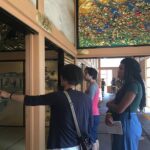
Next, you’re introduced to Tokoname Ceramic Hall, a museum-like space that details the history and techniques behind Tokoname ware. Here, you get a quick but insightful overview of the town’s ceramic traditions, which makes the following walk along the Pottery Footpath even more meaningful. With the hall’s free admission, it’s an easy and worthwhile stop for those wanting a bit of context before heading into the streets.
Walking the Pottery Footpath
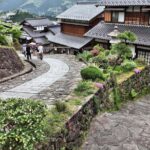
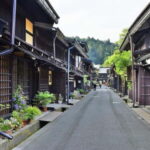
The scenic Pottery Footpath spans about 50 minutes and is the core of the tour. It winds through historic kiln sites, narrow lanes, and ceramic landmarks, offering authentic glimpses into the town’s pottery-making past. Expect to see weathered brick walls, climbing kilns, and artisan workshops. Reviewers highlight how this route feels like walking through a living museum, with many appreciating the balance of outdoor exploration and cultural insight.
The path’s charm is amplified by the quiet, intimate atmosphere — a stark contrast to busy tourist spots. However, the physical exertion could be a consideration if you’re not used to walking or if the weather is hot. Comfortable shoes and sun protection are advised.
The Takita House and Kiln Site
The tour then visits The Takita House, a well-preserved Meiji-era residence that gives a glimpse into the lifestyle of a prosperous pottery merchant. While the entrance fee is not included, many reviewers note that this stop adds depth to the story of Tokoname’s ceramic industry. The house’s traditional architecture and displays of pottery tools deepen understanding of local craftsmanship.
Afterward, the Noborigama (or Toei Kiln), a historic climbing kiln, showcases traditional firing techniques. This site is a favorite among history buffs and those interested in pottery processes, with reviewers often mentioning how the kiln’s structure illustrates the skill and ingenuity involved in ceramic production. Best of all, it’s free to explore, making it a valuable addition to the experience.



Final Notes and Logistics
The tour concludes back at the initial meeting point, allowing for easy continuation of your day in Nagoya. The total duration of 4 hours 30 minutes is well-spent, providing a comprehensive yet manageable introduction to Tokoname’s pottery scene.
At a cost of about $105.68 per person, the price seems reasonable considering the guided storytelling, exclusive access to artisan workshops, and the authentic culture. The inclusion of an English or Italian-speaking storyteller makes the experience accessible, and the small group size ensures personalized attention.
Authentic Traveler Insights
While there are no reviews yet, the detailed itinerary and structure suggest that this tour is tailored for those who love a mix of history, craftsmanship, and scenic walks. The balance of free and paid sites offers good value, especially for travelers eager to learn about Japan’s traditional ceramics without feeling rushed.
Who Will Enjoy This Tour?

This walking tour is best suited for curious travelers who appreciate cultural authenticity and craftsmanship. It’s perfect if you want a relaxed, educational stroll through a historic town rather than a high-energy sightseeing day. Ceramics enthusiasts will find the artisan workshops and kiln visits particularly rewarding, while those interested in Japanese culture will enjoy the cheerful maneki-neko and traditional architecture.
The tour’s manageable length makes it ideal for travelers with limited time in Nagoya but who want a meaningful taste of Japan’s ceramics. For families, couples, or solo explorers who enjoy walking and exploring off the beaten path, this experience offers a genuine connection to local traditions.
FAQs

How long is the tour?
The tour lasts approximately 4 hours and 30 minutes, including all stops and walking.
Is the tour suitable for all ages?
Yes, most travelers can participate, though the walking involved may be tiring for some or those with mobility issues.
What is included in the price?
The tour fee covers the storytelling guide (in English or Italian), access to key sites like the Ceramic Hall and Kiln, and the scenic route through historic streets.
Are there any additional costs?
Yes, you’ll need to pay a small entrance fee of ¥300 for the Takita House on site, and public transportation costs (~¥1,500) are not included.
Can I cancel if my plans change?
Yes, free cancellation is available with at least 24 hours’ notice for a full refund.
What should I wear and bring?
Comfortable walking shoes, sun protection, and a water bottle are recommended. Since much of the tour is outdoors, dress appropriately for weather conditions.
The Tokoname Pottery Walk offers a balanced, authentic look into Japan’s ceramic-making traditions. Perfect for those seeking a cultural, scenic, and hands-on experience, it delivers genuine insights into one of Japan’s most historic pottery towns.