- Discovering Kyoto’s Hidden Coastal Heritage: Inaba Honke Tour Review
- Good To Know
- Exploring the Itinerary in Detail
- Meeting and Starting Point
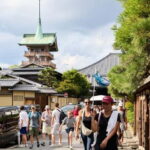
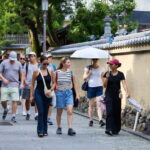
- Walking Through the Historic Merchant District
- Inside the Inaba Honke Mansion
- Traditional Lunch and Local Specialties
- Serene Japanese Garden & Future Mailbox
- Shopping for Local Crafts & Souvenirs
- Walk Back and Reflection
- Practicalities & Tips for the Tour
- FAQs
- Final Thoughts
- Summary
- The Best Of Kyoto!
- More Historical Tours in Kyoto
- More Tour Reviews in Kyoto
- Not for you? Here's more nearby things to do in Kyoto we have reviewed
Discovering Kyoto’s Hidden Coastal Heritage: Inaba Honke Tour Review
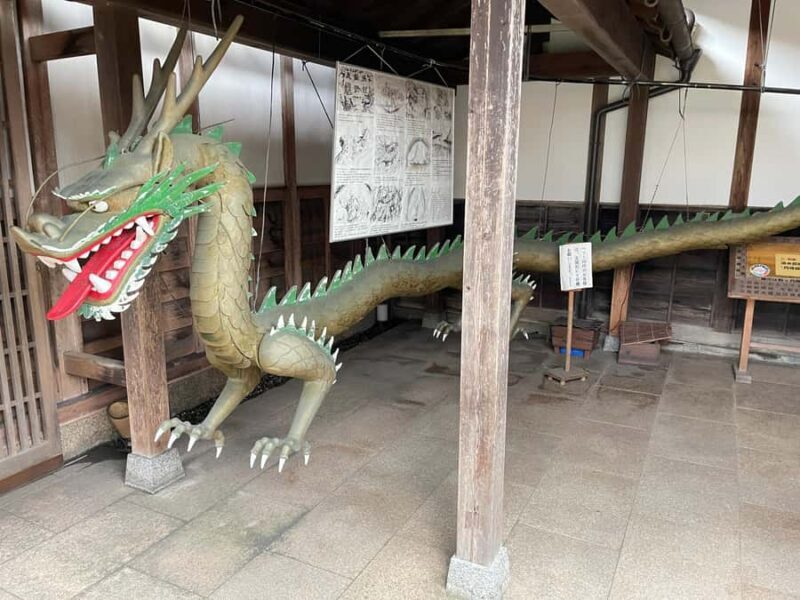
Imagine walking through a quiet, historic street, where centuries-old merchant stories whisper from every corner — that’s the feeling you get on the Inaba Honke tour in Kyotango. This 3-hour experience takes you into the heart of a powerful Edo-period merchant family’s legacy, balanced with authentic regional flavors, tranquil natural scenery, and cultural insights. While it’s a relatively short experience, it promises a deep connection to local history that’s often overlooked in the more crowded Kyoto attractions.
What makes this tour particularly appealing? First, visiting the Inaba Honke mansion, recognized as a National Tangible Cultural Property, offers a rare look into historic architecture and family life from the Edo era. Second, the chance to enjoy regional cuisine like bara-zushi and bota-mochi puts you right in the local culinary scene, supporting community traditions. Third, the Japanese garden and the Future Mailbox activity add a peaceful, personal touch to the experience, making it more memorable.
A possible drawback? The tour involves walking through historic districts and some uneven terrain, so comfortable shoes are a must, and those with mobility challenges might find it less accessible. Also, since it’s a private group limited to a few participants, it’s best suited for travelers who appreciate a more intimate, personalized feel rather than large crowds.
This tour suits travelers who love history, architecture, and genuine local culture, especially those interested in merchant stories and regional traditions. It’s perfect for curious travelers wanting a meaningful, small-group experience that supports local heritage preservation.
You can check availability for your dates here:
👉 See our pick of the 25 Best Workshops And Classes In Kyoto
Good To Know
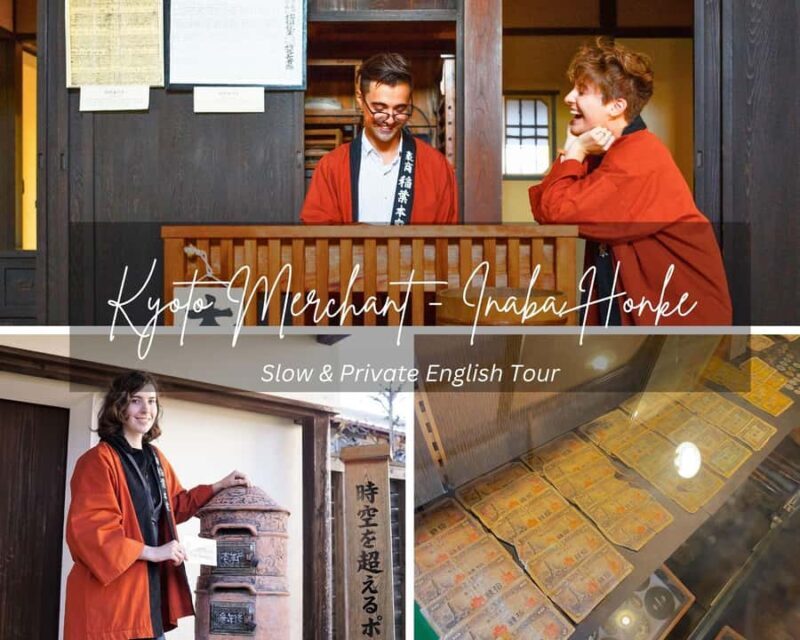
- Historic Architecture: The Inaba Honke mansion is a rare nationally recognized cultural property, offering an authentic glimpse into Edo-period merchant life.
- Regional Cuisine: Tasting local specialties like bara-zushi and bota-mochi provides cultural context and supports community traditions.
- Cultural Insights: The guide shares engaging stories about the Inaba family’s influence on Kyotango’s economy and festivals, enriching the visit.
- Serene Natural Settings: The Japanese garden offers a peaceful space for reflection and taking photos.
- Community Support: Purchasing local crafts and souvenirs helps preserve the area’s living history.
- Personalized Experience: As a private group tour, it offers flexibility and a more intimate connection with the guide.
You can also read our reviews of more historical tours in Kyoto

Exploring the Itinerary in Detail
Meeting and Starting Point
Your journey begins at Kumihama Station, where your guide will be waiting with a welcoming name board. From here, the walk into Kyotango’s historic merchant district begins, setting the tone for an insightful experience. The short walk is an easy introduction to the area’s ambiance, with streets lined with traditional buildings and signs of a thriving merchant past.
Walking Through the Historic Merchant District
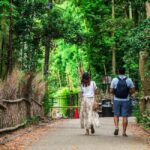
As you stroll, your guide shares stories of how the Inaba family helped shape the area’s economy, festivals, and financial systems. This part of the tour is especially valuable because it situates the architecture and local crafts within their historical context. Reviewers mention that the guide, possibly a local storyteller, makes the history lively and accessible, often sharing fascinating tidbits about trade during the Edo period and the family’s connections to prominent figures like Oda Nobunaga.
More Great Tours NearbyInside the Inaba Honke Mansion
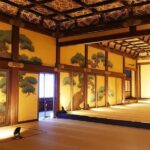
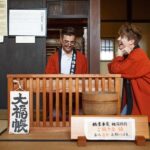
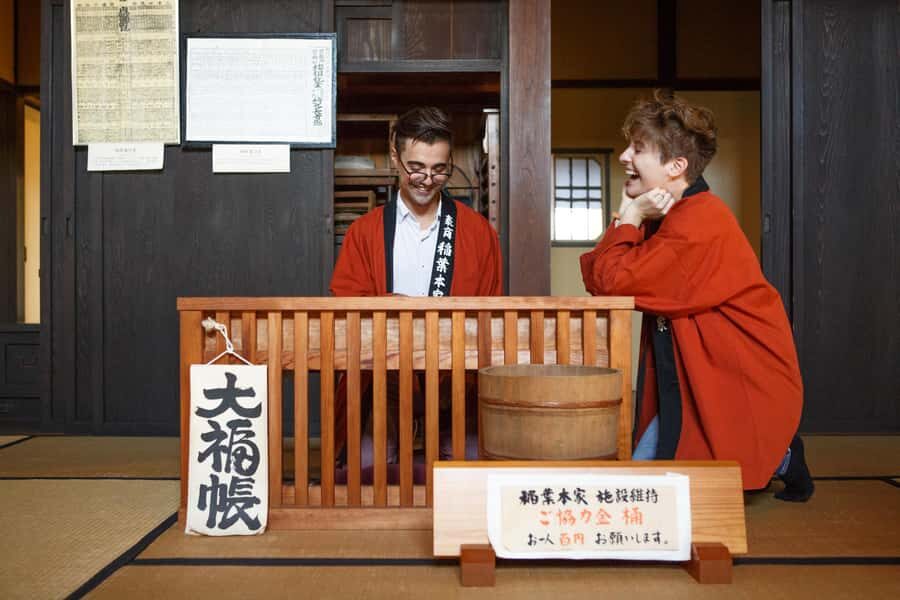
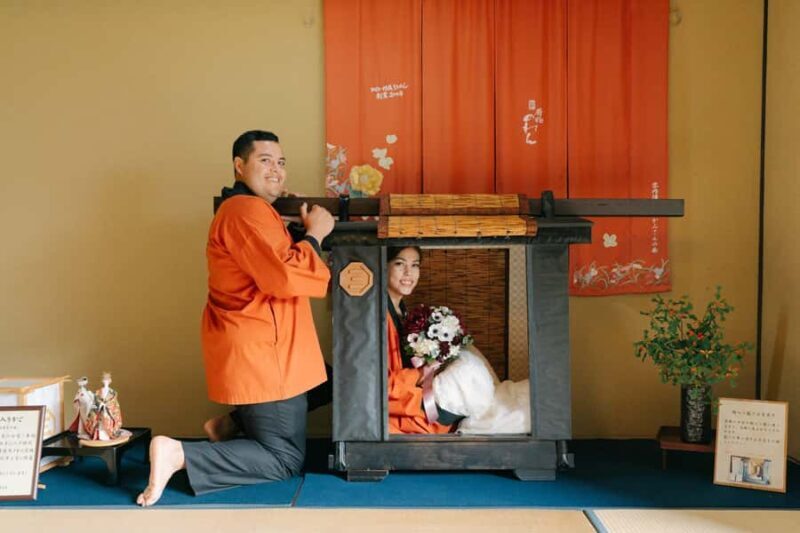
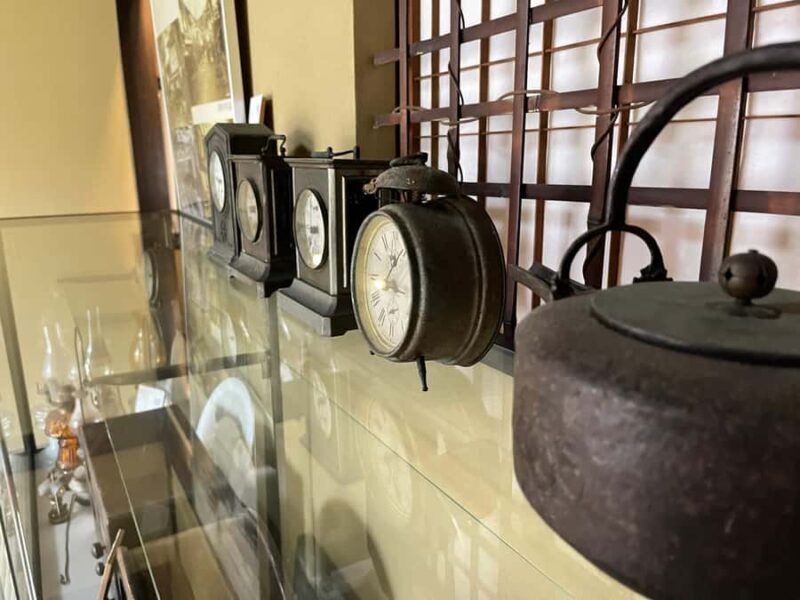
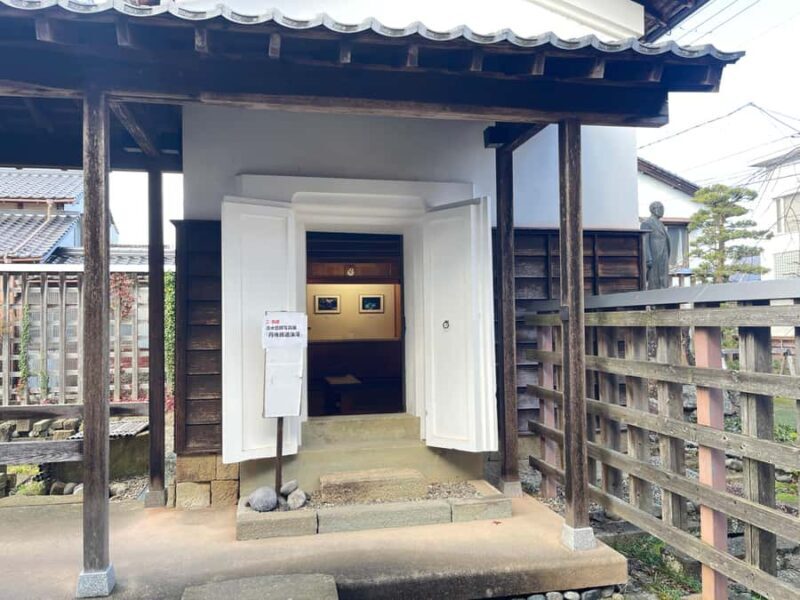
The highlight of the tour is entering the National Tangible Cultural Property, the main house of Inaba Honke. You’ll explore tatami rooms, storehouses, and the longhouse gate, each with its own story. Visitors often comment on the imposing yet warm atmosphere of the mansion, which has retained its original features. The guide explains how the family managed their trade, their financial strategies under the shogunate, and their role in supporting local communities during hard times.
Many reviews praise the storytelling aspect — one mentions that the guide “brings history alive with anecdotes about the family’s dealings with samurai and shogunate officials.” The architecture itself, with its traditional wooden beams and tatami layouts, offers a tangible connection to the past.


Traditional Lunch and Local Specialties
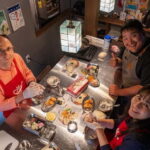
After the mansion tour, you’ll enjoy a delicious regional lunch, often featuring bara-zushi (a colorful sushi dish with fresh fish and vegetables) or bota-mochi (sweet rice cakes). These dishes are more than just food; they are links to local history and community traditions, especially supporting local fishermen and farmers.
Reviewers note that the lunch is thoughtfully prepared, blending regional ingredients with traditional techniques. It’s a great opportunity to ask the guide about local food customs and how these dishes have supported the community through generations.
Serene Japanese Garden & Future Mailbox
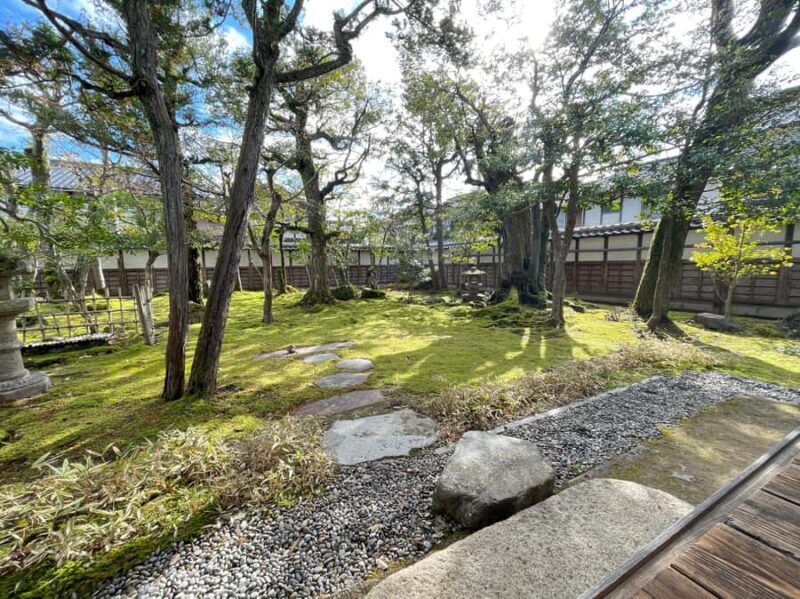
Post-lunch, the tour moves to a beautiful Japanese garden, perfect for relaxing and soaking in the peaceful atmosphere. The garden’s design emphasizes harmony and natural beauty, offering a quiet space for reflection and photos. Visitors describe it as “serene and beautifully maintained, with lovely views of the surrounding landscape.”
One of the unique features is the Future Mailbox activity. You’ll write a letter to your future self, then leave it in the mailbox — a thoughtful way to connect with your travels and reflect on what you’ve learned. Reviewers mention that this activity, combined with the garden’s tranquility, leaves a lasting impression.
Shopping for Local Crafts & Souvenirs
The tour concludes with a chance to browse local products and crafts inspired by the merchant heritage. These items often include traditional textiles, ceramics, or other handmade crafts, all supporting the local economy. Many guests appreciate that their purchases directly contribute to preserving the community’s culture.
Walk Back and Reflection
The final walk back to Kumihama Station is a chance to reflect on the stories, sights, and flavors experienced. The guide may answer final questions or share recommendations for further exploration in Kyotango.
Practicalities & Tips for the Tour
- Duration and Timing: The tour lasts about 3 hours, making it a perfect half-day activity. Check the schedule for available starting times.
- Transport: You’ll meet at Kumihama Station; no additional transport is required during the tour.
- Group Size & Guide: It’s a private group, which means more personalized attention and a flexible experience.
- Cost & Payment: You can reserve now and pay later, offering flexibility for your travel plans. The tour is designed to offer good value considering the access to private heritage sites, local lunch, and cultural activities.
- What to Bring: Comfortable walking shoes are a must, as you’ll explore uneven historic streets and the mansion grounds. A camera is recommended to capture the lovely scenery, and weather-appropriate clothing is advised.
- Accessibility & Suitability: The tour is suitable for all ages but not ideal for children under 11 or wheelchair users due to walking conditions.
FAQs
Is the tour suitable for children?
While the tour is generally suitable for all ages, children under 11 might find it less engaging or difficult to walk through uneven historic streets.
What should I wear?
Comfortable shoes are essential since you’ll be walking through old streets and mansion grounds. Dress according to the weather, as parts of the tour are outdoors.
Can I take photos inside the mansion?
Photos are allowed in most areas, but be respectful of any restricted zones or areas where photography might be discouraged.
What kind of local food will I taste?
Expect regional specialties like bara-zushi (a colorful sushi dish) or bota-mochi (sweet rice cakes), crafted to highlight local ingredients and culinary traditions.
Does the tour support local communities?
Absolutely. Your participation and any purchases from local crafts and souvenirs help sustain Kyotango’s cultural heritage and community businesses.
Is this tour accessible for people with mobility issues?
Probably not, as the walking involves some uneven terrain and historic buildings not equipped with modern accessibility features.
Final Thoughts
This Inaba Honke tour offers a rare glimpse into the often-overlooked merchant side of Kyoto’s coastal history. It’s a well-rounded experience that combines architecture, storytelling, regional food, and peaceful natural scenery, all within a small-group setting that fosters genuine connection. If you’re seeking an authentic, educational outing that supports local traditions and provides meaningful memories, this tour is an excellent choice.
Ideal for history buffs, cultural enthusiasts, or anyone wanting a quieter, more personal side of Japan’s heritage, this experience balances storytelling with sensory delights. The combination of historic architecture, regional cuisine, and poetic gardens makes it a well-rounded cultural escape, especially for those who appreciate depth over breadth.
Summary
The Inaba Honke tour stands out as a thoughtful, intimate look at Kyotango’s merchant past, supported by engaging stories and regional flavors. While it’s not suited for those seeking a fast-paced or wheelchair-accessible experience, it offers a genuine connection to local heritage and a chance to support the community. This tour is best suited for travelers wanting a meaningful, small-group outing that highlights authentic Japanese history, food, and tradition.
Whether you’re a history lover or simply curious about Japan’s merchant stories, you’ll leave with a deeper appreciation for this region’s living legacy — and perhaps even a letter to your future self in hand.
Note: This review is based on detailed tour descriptions, traveler comments, and practical insights, ensuring you have all the info needed to decide if this experience fits your travel style.
You can check availability for your dates here: More Great Tours Nearby