Did you know that Southern Greece is home to nine UNESCO World Heritage Sites? These remarkable sites offer a captivating glimpse into the ancient wonders of this region. From the iconic Acropolis of Athens to the mystical ruins of Delphi, each site tells a unique story that will leave you in awe of the architectural brilliance and historical significance.
But that’s not all – there’s something even more intriguing about these sites that will pique your curiosity. Curious to find out?
Keep reading to uncover the secrets of Southern Greece’s UNESCO World Heritage Sites and embark on a captivating journey through time.
- Good To Know
- Acropolis of Athens
- Temple of Apollo Epicurius at Bassae
- Archaeological Site of Olympia
- Delphi
- Mystras
- Medieval City of Rhodes
- Common Questions
- What Is the Best Time of Year to Visit the UNESCO World Heritage Sites in Southern Greece?
- Are There Any Specific Dress Code Requirements for Visiting the Sites?
- Can I Visit the Sites on My Own or Do I Need to Take a Guided Tour?
- Are There Any Restrictions or Limitations on Photography at the Sites?
- Are There Any Nearby Accommodations or Restaurants Near the Sites for Visitors to Stay or Dine At?
- The Sum Up
- The Best Of Athens!
- More Historical Tours in Athens
- More Tour Reviews in Athens
- Not for you? Here's more nearby things to do in Athens we have reviewed
Good To Know
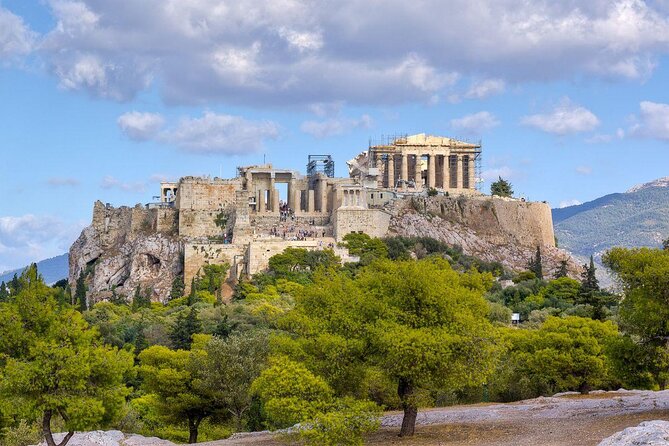
- The Acropolis of Athens is a spiritual and political center with iconic temples, remarkable architecture, and a showcase of ancient Greek achievements.
- The Temple of Apollo Epicurius at Bassae showcases the architectural brilliance of the ancient Greeks with its unique design and remote location as a sanctuary.
- The Archaeological Site of Olympia is the birthplace of the Olympic Games, featuring impressive temples, a stadium, and excavations revealing ancient treasures.
- Delphi, considered the center of the world in ancient Greece, is a pilgrimage site with remarkable architectural features and the Oracle of Delphi delivering prophecies.
👉 See our pick of the 9 Best Snorkeling Experiences In Athens
Acropolis of Athens
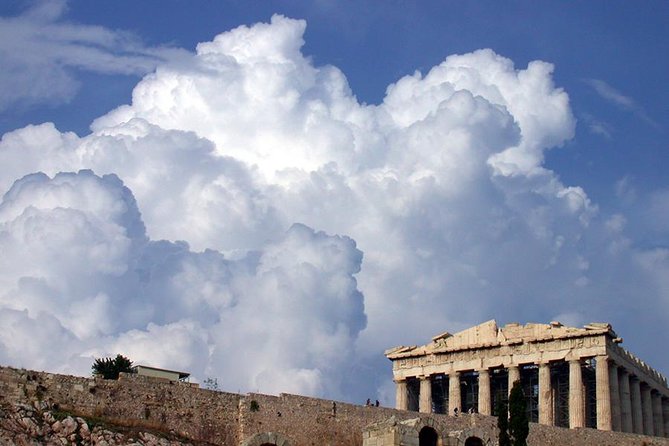
The Acropolis of Athens, a towering ancient citadel perched atop a rocky hill, is a must-visit destination for history enthusiasts and archaeology buffs alike. Its significance in Greek history is immense, as it served as the spiritual and political center of Athens during the ancient times.
The architectural features of the Acropolis are truly remarkable. The most famous structure is the Parthenon, a temple dedicated to the goddess Athena. Its majestic columns and intricate sculptures showcase the mastery of ancient Greek architecture.
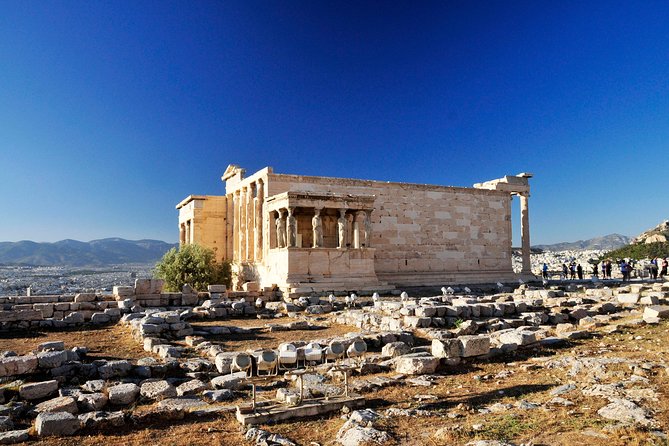
Other notable buildings include the Erechtheion, with its iconic Caryatids, and the Propylaea, which served as the monumental entrance to the Acropolis.
Exploring the Acropolis allows visitors to step back in time and appreciate the incredible achievements of the ancient Greeks.
You can also read our reviews of more historical tours in Athens



Temple of Apollo Epicurius at Bassae
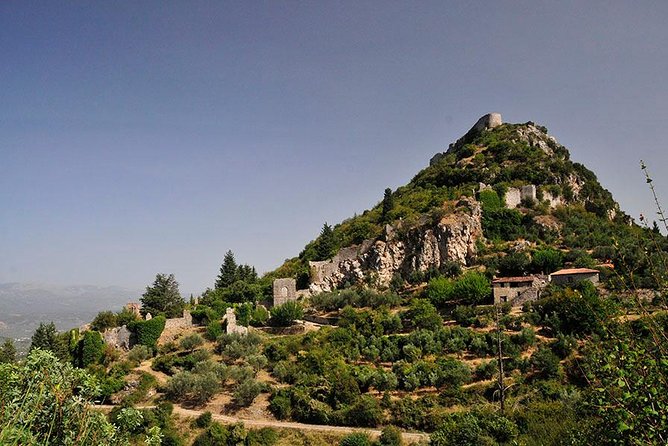
Located in the rural mountains of southern Greece, the Temple of Apollo Epicurius at Bassae stands as a testament to the architectural brilliance of the ancient Greeks. This temple, which dates back to the 5th century BCE, is renowned for its unique design and remarkable preservation.
The architectural significance of the Temple of Apollo Epicurius lies in its innovative use of the Doric order, with Ionic and Corinthian elements also present. The temple’s intricate friezes and detailed sculptures further highlight the mastery of ancient Greek craftsmanship.
In terms of historical context, the temple was dedicated to Apollo Epicurius, the god of healing and protection from epidemics. It’s believed that the temple’s remote location was chosen to provide a sanctuary for worshippers seeking solace and divine intervention.
Today, the Temple of Apollo Epicurius continues to inspire awe and admiration, offering visitors a glimpse into the artistic and spiritual achievements of ancient Greece.
Archaeological Site of Olympia
Nestled in the scenic countryside of southern Greece, the Archaeological Site of Olympia stands as a testament to the rich history and cultural significance of the ancient Olympic Games. This remarkable site, declared a UNESCO World Heritage Site in 1989, attracts visitors from around the world who come to explore its fascinating ruins and learn about the origins of the Olympic Games.
Here are five intriguing facts about the Archaeological Site of Olympia:
The Ancient Olympic Games: Olympia was the birthplace of the Olympic Games, which were held every four years starting in 776 BC. These games were a major event in ancient Greece, attracting athletes and spectators from far and wide.
Temple of Zeus: One of the most impressive structures at Olympia is the Temple of Zeus, which housed a colossal gold and ivory statue of the god. It was considered one of the Seven Wonders of the Ancient World.
Stadium: The site also features a stadium where the athletic competitions took place. The stadium could seat up to 45,000 spectators and was the largest stadium in Greece.
Heraion: Another notable area of the site is the Heraion, dedicated to the goddess Hera. It’s believed to be the oldest temple at Olympia and was a place of worship for the wife of Zeus.
Ancient Treasures: Excavations at Olympia have revealed numerous ancient treasures, including statues, votive offerings, and the remnants of the original Olympic Games facilities.
Visiting the Archaeological Site of Olympia provides a unique opportunity to take in the history and legacy of the ancient Olympic Games.
Delphi
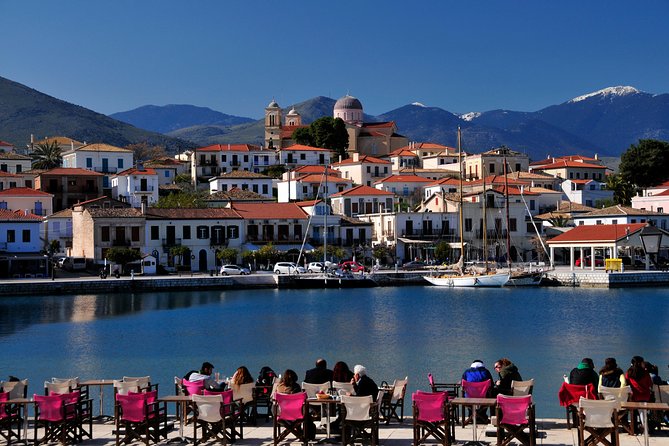
Continuing our exploration of Southern Greece’s UNESCO World Heritage Sites, we now turn our attention to the captivating site of Delphi.
Delphi holds immense significance and historical importance in ancient Greece. It was considered the center of the world and was believed to be the dwelling place of the Greek god Apollo. Delphi was a pilgrimage site where people sought advice from the Oracle of Delphi, a priestess who delivered prophecies.
The architectural features and structures at Delphi are remarkable. The most iconic is the Temple of Apollo, adorned with elaborate carvings and statues. The theater, where dramatic performances and festivals took place, offers breathtaking views of the surrounding landscape.
Delphi is a must-visit destination for history enthusiasts, offering a glimpse into the ancient world.
Mystras
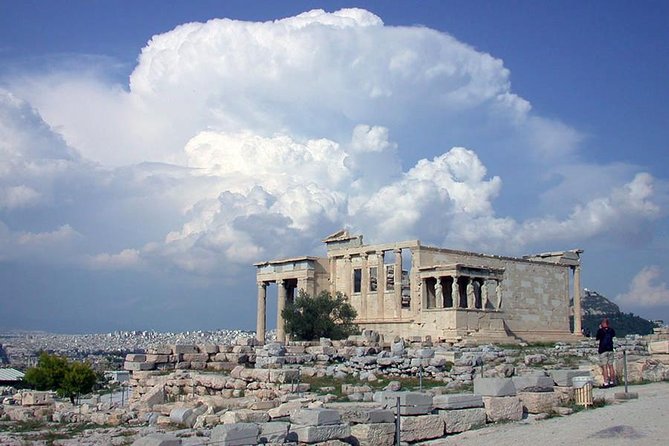
Mystras, a medieval fortified town in the Peloponnese region of Greece, offers visitors a captivating glimpse into the rich history and architectural beauty of the Byzantine Empire. This UNESCO World Heritage Site is a treasure trove of cultural and historical significance.
Here are five reasons why Mystras should be on every traveler’s itinerary:
Byzantine Fortress: Mystras is home to an impressive Byzantine fortress, which served as the political and military center of the region during the medieval period.
Greek Orthodox Monasteries: The town is dotted with Greek Orthodox monasteries, showcasing stunning frescoes and intricate Byzantine architecture.
Spectacular Views: Situated on a hillside, Mystras offers breathtaking panoramic views of the surrounding landscape, including the lush valleys and majestic mountains.
UNESCO Recognition: Mystras was inscribed as a UNESCO World Heritage Site in 1989, recognizing its outstanding universal value and contribution to human civilization.
Cultural Immersion: Exploring the ruins of Mystras allows visitors to enjoy the fascinating history and culture of the Byzantine Empire, offering a unique and enriching experience.






Medieval City of Rhodes
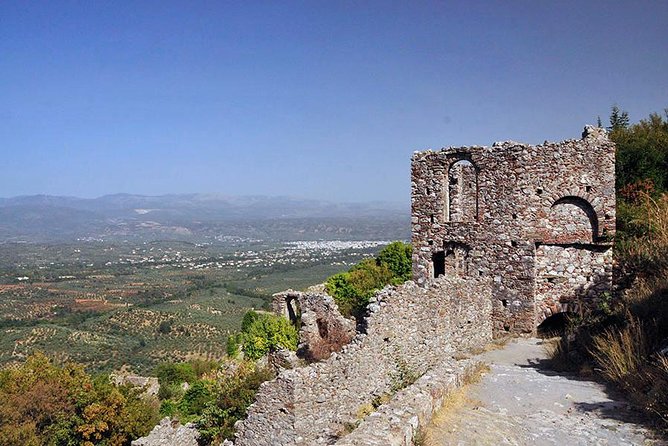
Moving on from the captivating ruins of Mystras, travelers can now explore the medieval charm of the UNESCO World Heritage Site known as the Medieval City of Rhodes. This historical gem holds immense historical significance and is an architectural marvel. The city’s rich history dates back to the Knights of St. John, who ruled over Rhodes from the 14th to the 16th century. Enclosed within its sturdy walls, visitors can wander through narrow cobblestone streets, admire the grandeur of the Palace of the Grand Master, and explore the medieval fortifications. The Medieval City of Rhodes offers a glimpse into the past, transporting visitors to a time when knights and merchants roamed the streets. It is a must-visit destination for history enthusiasts and architecture lovers alike.
| Historical Significance | Architectural Marvel |
|---|---|
| – Knights of St. John ruled over Rhodes | – Grandeur of the Palace of the Grand Master |
| – Dates back to the 14th to the 16th century | – Medieval fortifications |
| – Offers a glimpse into the past | – Cobblestone streets |
| – Immersive experience for history enthusiasts | – Intricate architecture |
| – Captivating medieval charm | – Well-preserved city walls |
Common Questions
What Is the Best Time of Year to Visit the UNESCO World Heritage Sites in Southern Greece?
The best time to visit the UNESCO World Heritage Sites in Southern Greece is during the spring and fall seasons when the weather is mild and the crowds are smaller. These must-see attractions offer a unique glimpse into Greece’s rich history and culture.
Are There Any Specific Dress Code Requirements for Visiting the Sites?
There are no specific dress code requirements for visiting the sites. However, it is recommended to dress comfortably and wear appropriate footwear. The sites have varying levels of accessibility for disabled visitors.
Can I Visit the Sites on My Own or Do I Need to Take a Guided Tour?
Visitors have the option to explore the sites independently or take a guided tour. Guided tours provide expert insight and a group experience, while solo exploration allows for flexibility and personalized exploration.
Are There Any Restrictions or Limitations on Photography at the Sites?
There may be certain photography restrictions in place at the sites due to their cultural significance. Visitors are advised to check with the authorities or guides for any limitations before taking photographs.
Are There Any Nearby Accommodations or Restaurants Near the Sites for Visitors to Stay or Dine At?
Nearby accommodations and dining options are available for visitors to stay and dine at when visiting the UNESCO World Heritage Sites of Southern Greece. These options provide convenient choices for visitors to enhance their experience.
The Sum Up
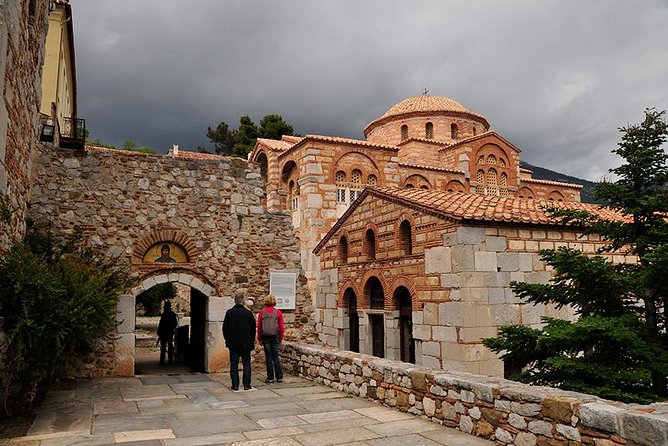
Set out on a captivating journey through the nine UNESCO World Heritage Sites of Southern Greece and be transported back in time. From the iconic Acropolis of Athens to the mythical land of Delphi, each site unveils the brilliance of ancient civilizations.
Enjoy the rich history and cultural significance of this region, and let the wonders of Southern Greece leave you with lasting memories.
Don’t miss this opportunity to explore the enchanting beauty and architectural marvels that await you.