When it comes to ancient civilizations, the Incas often take center stage. Some may argue that the Sacred Valley of the Incas is just another tourist attraction, overrun with crowds and lacking in authenticity. However, a closer look reveals that this enchanting valley offers much more than meets the eye.
From its fascinating history and awe-inspiring landscapes to its cultural significance and architectural wonders, the Incas Sacred Valley is a destination that deserves to be explored. So, what exactly makes this place so special?
Well, prepare to be captivated as we uncover the secrets and mysteries that lie within this sacred land.
- Good To Know
- History and Origins
- Geographic Features
- Cultural Significance
- Sacred Sites and Temples
- Agricultural Innovations
- Art and Architecture
- Daily Life of the Inca People
- Legacy and Preservation Efforts
- Common Questions
- What Is the Best Way to Get to the Sacred Valley of the Incas?
- Are There Any Specific Clothing or Footwear Recommendations for Visiting the Sacred Valley?
- Are There Any Restrictions on Taking Photographs in the Sacred Valley?
- Are There Any Local Customs or Etiquette That Visitors Should Be Aware of When Visiting the Sacred Valley?
- Are There Any Safety Concerns or Precautions That Visitors Should Take When Exploring the Sacred Valley?
- The Sum Up
- The Best Of Cusco!
- More Tour Reviews in Cusco
- Not for you? Here's more nearby things to do in Cusco we have reviewed
Good To Know
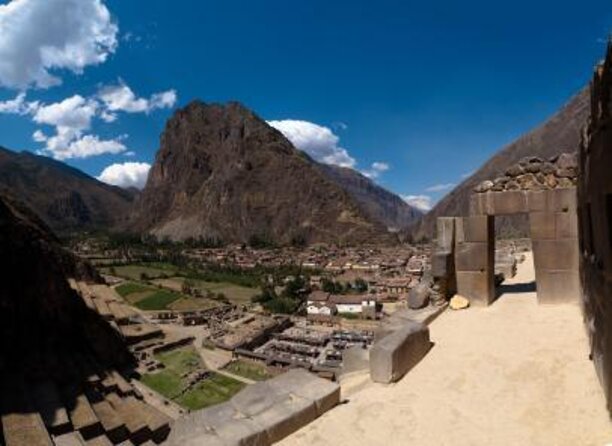
- The Sacred Valley of the Incas was a major agricultural center and considered a sacred place by the Incas.
- The valley’s strategic location in the Andes Mountains allowed the Incas to establish a thriving civilization.
- The Incas left behind a rich cultural heritage in the Sacred Valley, with numerous archaeological sites showcasing their advanced civilization.
- The Incas were highly skilled in crop cultivation, utilizing advanced techniques and agricultural innovations to sustain a large population in a challenging environment.
👉 See our pick of the 25 Best Shopping Tours In Cusco
History and Origins
What are the origins and historical significance of the Sacred Valley of the Incas?
The Sacred Valley of the Incas holds great importance in Inca history and religion. This majestic valley wasn’t only a major agricultural center but also considered a sacred place by the Incas.
The Incas believed that the valleys and mountains were inhabited by powerful deities who controlled the natural world. They performed elaborate rituals and ceremonies to honor these deities and ensure the fertility of the land.
The valley’s strategic location, surrounded by towering mountains and intersected by the Urubamba River, allowed the Incas to establish a thriving civilization.
Today, the Sacred Valley continues to be a place of significance, attracting visitors from all over the world who come to explore the ancient ruins and enjoy the rich history of the Incas.
You can also read our reviews of more tours and experiences in Cusco.



Geographic Features
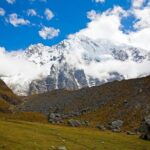
The Sacred Valley of the Incas is characterized by its awe-inspiring geographic features. Nestled in the Andes Mountains of Peru, this valley stretches for approximately 60 kilometers and is flanked by towering peaks and lush green hillsides.
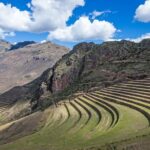
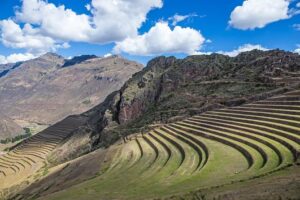
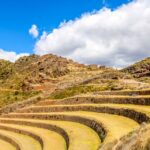
One of the most striking features of the Sacred Valley is the Urubamba River, which flows through the valley, providing water and sustenance to the surrounding agricultural terraces. These terraces, known as ‘andenes,’ were ingeniously built by the Incas to maximize agricultural productivity in the region.
Today, the geographic features of the Sacred Valley continue to attract travelers from around the world, who come to marvel at the stunning landscapes and explore the remnants of Inca civilization.
However, it’s important to consider the impact of tourism on these delicate geographic features, and to ensure that measures are taken to preserve and protect them for future generations.
Cultural Significance
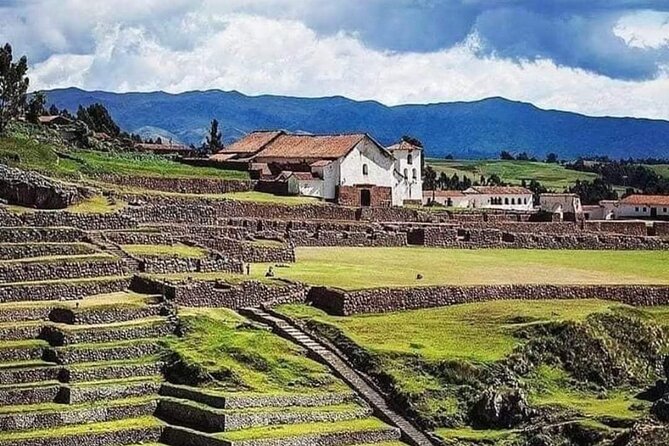
Nestled within the awe-inspiring geographic features of the Sacred Valley of the Incas lies a cultural significance that captivates visitors from around the world. The Incas, known for their advanced civilization and remarkable architectural achievements, left behind a rich cultural heritage that continues to be celebrated and preserved to this day.
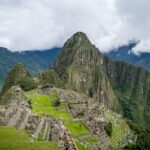
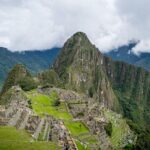
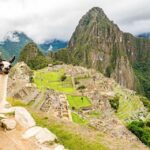
The Sacred Valley is home to numerous archaeological sites, including the famous ruins of Machu Picchu, which showcase the ingenuity and skill of the Inca people. These sites serve as a testament to their deep spiritual beliefs, intricate craftsmanship, and sophisticated agricultural practices.
The cultural significance of the Sacred Valley extends beyond its historical value. It’s a place where the past and present converge, where local traditions and customs are still practiced, and where preservation efforts are ongoing to ensure that this unique heritage is safeguarded for future generations to appreciate and learn from.
Sacred Sites and Temples

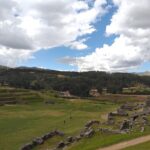
Sacred Sites and Temples in the Sacred Valley of the Incas hold an undeniable allure, beckoning visitors to explore the ancient remnants of a once-thriving civilization. These sacred sites and temples were central to the Inca religion and played a vital role in the spiritual and cultural life of the Incas.
Archaeological discoveries have shed light on the intricate architectural designs and religious rituals that took place at these sites. One such site is the Temple of the Sun, located in the ancient city of Machu Picchu. This temple was dedicated to Inti, the Inca sun god, and was used for important religious ceremonies.
Another notable site is the Temple of the Moon, a mysterious underground temple that was believed to be a place of worship and sacrifice. Exploring these sacred sites and temples offers a unique glimpse into the rich history and spiritual beliefs of the Incas.
Agricultural Innovations
Archaeological discoveries in the Sacred Valley of the Incas have not only revealed sacred sites and temples, but they have also unveiled the agricultural innovations that played a crucial role in the thriving civilization of the Incas. The Incas were highly skilled in crop cultivation, utilizing advanced techniques to grow a variety of crops in the challenging Andean environment. One of their most impressive agricultural feats was the construction of an extensive network of irrigation systems. These systems allowed the Incas to bring water from the mountains to their fields, ensuring a steady water supply for their crops. The Incas also practiced terrace farming, creating flat platforms on steep slopes to maximize arable land. This innovative approach to agriculture allowed them to sustain a large population and thrive in a harsh environment.
| Crop Cultivation | Irrigation Systems | Terrace Farming |
|---|---|---|
| Diverse crops | Water supply | Maximize land |
| Sustainable | Steady water | Steep slopes |
| Large population | Challenging | Arable land |

Art and Architecture
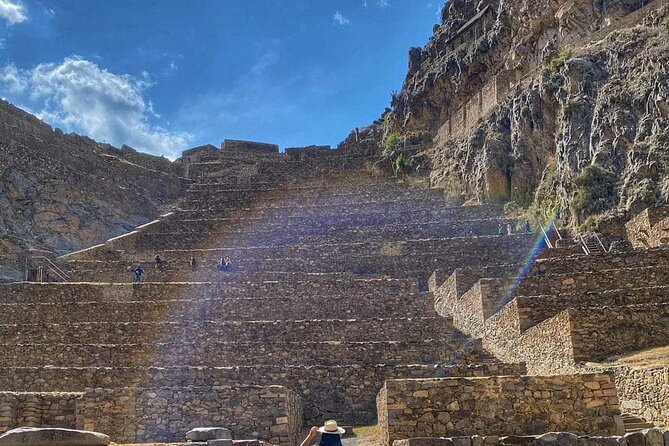
The art and architecture of the Incas in the Sacred Valley showcase their impressive craftsmanship and engineering prowess. The Inca artwork found in the region is known for its intricate designs and attention to detail. The Incas used various materials like stone, clay, and metal to create their masterpieces.
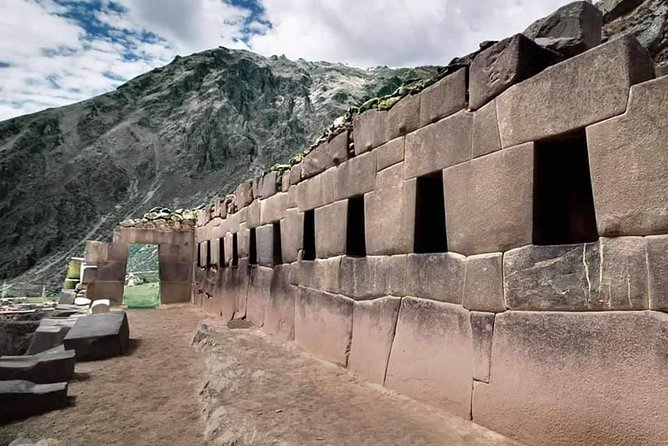
One of the most famous examples of Inca craftsmanship is the Machu Picchu, a marvel of engineering and architecture. The stone walls of Machu Picchu were meticulously crafted and fit together so perfectly that not even a knife blade can fit between the stones.
The Incas also incorporated religious symbolism into their artwork, with intricate carvings and paintings depicting their gods and goddesses.
The art and architecture of the Incas in the Sacred Valley reflect their advanced skills and deep cultural significance.
Daily Life of the Inca People
In the daily lives of the Inca people, they engaged in a multitude of activities that encompassed farming, trading, and religious ceremonies. These activities were deeply intertwined with Inca traditions and the Inca social structure.
Here are three key aspects of their daily life:
Farming: Agriculture was the backbone of Inca society, and the Inca people were skilled farmers. They cultivated crops such as maize, potatoes, and quinoa using advanced terracing techniques. Farming wasn’t only a means of sustenance but also a way to pay tribute to the gods.
Trading: The Inca people had a sophisticated system of trade and exchange. They used a barter system and had extensive networks of roads and bridges to facilitate trade between different regions of the empire. Trade played a crucial role in maintaining the economic stability of the Inca society.
Religious ceremonies: Religion held significant importance in the lives of the Inca people. They worshipped multiple gods and believed in the divine nature of their rulers. Religious ceremonies and rituals were conducted regularly to ensure the wellbeing of the empire and its people.
The daily life of the Inca people was deeply rooted in their traditions and social structure, with farming, trading, and religious ceremonies forming the core of their existence.
Legacy and Preservation Efforts
After exploring the daily lives of the Inca people, it’s fascinating to learn about the legacy and preservation efforts that have been made to ensure the rich history of this ancient civilization is cherished and protected for future generations.
The preservation challenges faced by the Incas’ sacred valley are numerous. The rapid growth of tourism in the region has had a significant impact on the archaeological sites and natural landscapes. Increased foot traffic and improper visitor behavior have caused erosion and damage to the delicate structures and artifacts. Plus, the influx of travelers has put pressure on the local infrastructure and resources.
However, there have been significant efforts to mitigate these challenges. Conservation projects have been implemented to restore and protect the archaeological sites. Sustainable tourism practices are being promoted to minimize the impact on the environment and local communities.
Through these preservation efforts, the legacy of the Incas is being safeguarded for generations to come.
Common Questions
What Is the Best Way to Get to the Sacred Valley of the Incas?
The best way to get to the Sacred Valley of the Incas is by hiring a reputable tour operator. They will provide transportation and guides, making it easy to explore the stunning landscapes and participate in popular activities.
Are There Any Specific Clothing or Footwear Recommendations for Visiting the Sacred Valley?
Clothing and footwear recommendations for visiting the Sacred Valley include dressing in layers to accommodate changing weather conditions, wearing comfortable shoes for walking and hiking, and bringing a hat and sunscreen for protection against the sun.
Are There Any Restrictions on Taking Photographs in the Sacred Valley?
Photograph regulations in the Sacred Valley vary, but generally, visitors are allowed to take pictures. However, it is important to respect the cultural significance of the sites and avoid disturbing any rituals or ceremonies.
Are There Any Local Customs or Etiquette That Visitors Should Be Aware of When Visiting the Sacred Valley?
Visitors to the Sacred Valley should be aware of local traditions and cultural norms. It is important to respect the sacred sites and the local communities, dress modestly, and ask for permission before taking photographs.
Are There Any Safety Concerns or Precautions That Visitors Should Take When Exploring the Sacred Valley?
Visitors to the sacred valley should be aware of safety concerns and take necessary precautions. It is important to stay hydrated, wear sunscreen and appropriate clothing, and be cautious while exploring the terrain to avoid accidents.
The Sum Up
To sum it up, the Incas Sacred Valley is a destination that captures the hearts and minds of travelers with its rich history, breathtaking landscapes, and cultural significance.
From exploring ancient ruins and picturesque villages to marveling at terraced fields and sacred sites, this excursion offers a unique and immersive experience.
With a maximum of 15 travelers, the tour ensures a personalized and intimate journey through this awe-inspiring region.
As evidenced by its outstanding rating, the Incas Sacred Valley promises an unforgettable adventure for those seeking to uncover the wonders of the past.