Imagine stepping into a beautifully preserved Japanese house that’s over a century old, where the aroma of fresh fish and rice fills the air. That’s exactly what this sushi-making tour in Kamakura offers—a chance to learn the craft of sushi in an environment that merges history, serenity, and culinary artistry. With a highly positive reputation—rated 5.0 from six reviews—this experience promises more than just sushi; it’s a glimpse into Japan’s architectural beauty and culinary tradition, all within a peaceful Kamakura neighborhood.
What makes this tour stand out? For starters, you’ll be guided by a chef with over 20 years of experience at high-end Ginza restaurants, ensuring you learn techniques rooted in real mastery. The setting itself—a traditional house blending Japanese and Western styles—offers an authentic backdrop that’s rarely found nowadays. Plus, the proximity to Kamakura’s iconic sights, including the Great Buddha and Enoden train line, means you can enjoy scenic views while you indulge in your culinary creations. However, travelers should note that the tour involves some walking and may require careful navigation to find the location.
This experience is perfect for those who love food, history, and a quiet, culturally rich atmosphere. If you’re after a memorable, hands-on activity that combines local flavor with a sense of stepping back in time, this tour could be just what you need.
- Good To Know
- An In-Depth Look at the Kamakura Sushi Experience
- The Venue: A House Steeped in History and Charm
- The Guide: A Master Chef with a Passion for Tradition
- The Experience: Making and Enjoying Authentic Sushi
- The Extras: Sake and Souvenirs
- Practical Details: Timing, Cost, and Group Size
- The Reviews: Authentic Perspectives
- Who Should Consider This Tour?
- Final Thoughts: Is It Worth It?
- FAQ
- The Best Of Kamakura!
- More Tour Reviews in Kamakura
- Not for you? Here's more nearby things to do in Kamakura we have reviewed
Good To Know
 1 / 4
1 / 4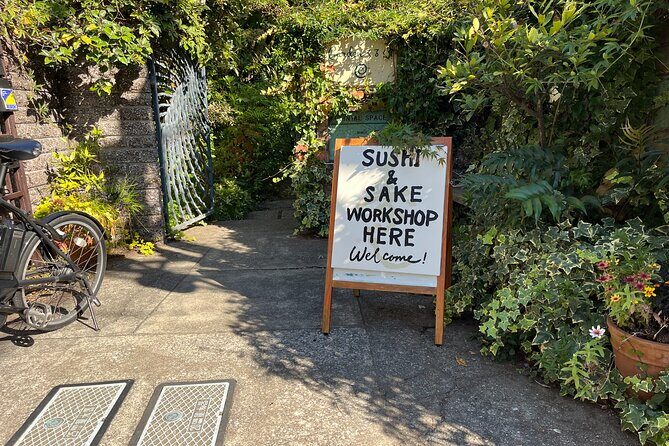 2 / 4
2 / 4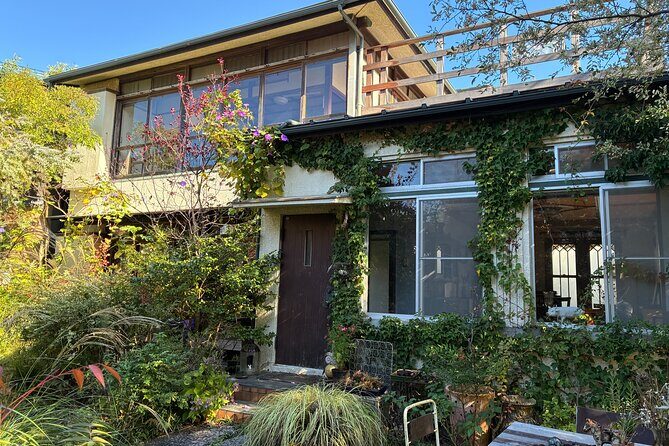 3 / 4
3 / 4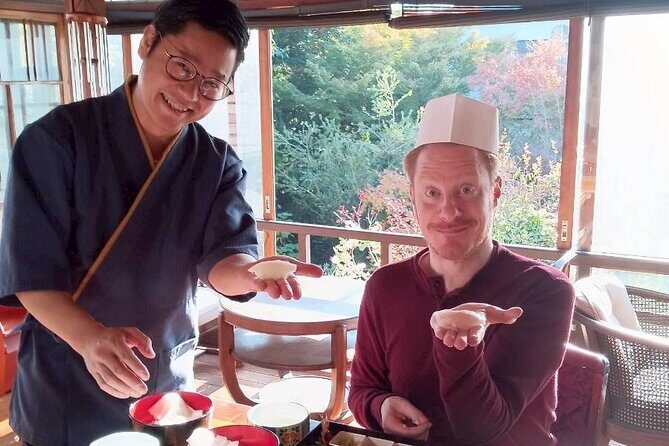 4 / 4
4 / 4- Authentic Setting: Enjoy making sushi in a beautifully preserved 100-year-old Japanese house with a charming garden and views of the passing Enoden train.
- Expert Guidance: Learn from a chef with over 20 years of experience, acquiring skills that elevate your sushi-making beyond just a hobby.
- High-Quality Ingredients: Craft 10 to 12 pieces of sushi using premium seasonal seafood, comparable to high-end restaurants.
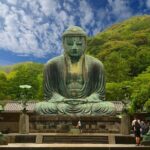
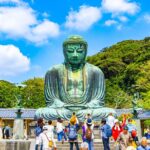
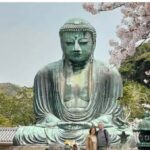
- Scenic Location: Located just a 10-minute walk from Kamakura Station, near sights like the Great Buddha and the seaside with views of Mt. Fuji.
- Limited Group Size: With a maximum of 10 travelers, expect personalized attention and a relaxed atmosphere.
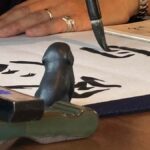
- Thoughtful Souvenir: Leave with a hand-brushed calligraphy canvas inscribed with “Kamakura Sushi Sake,” adding a special memento.
👉 See our pick of the 2 Best Historical Tours In Kamakura
An In-Depth Look at the Kamakura Sushi Experience
You can also read our reviews of more tours and experiences in Kamakura.
The Venue: A House Steeped in History and Charm
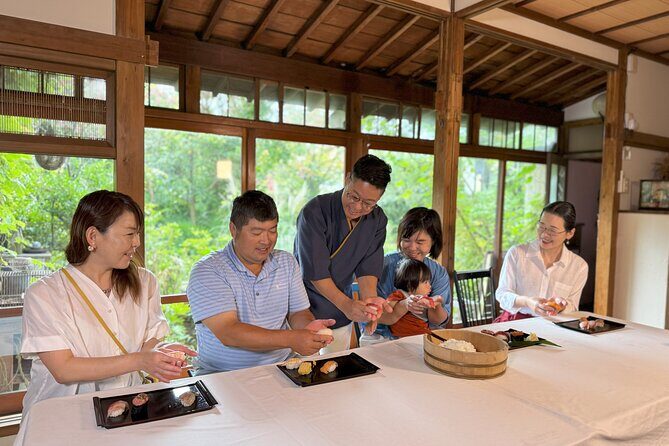
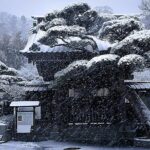
The tour takes place in a traditional Japanese house built a century ago, originally a luxurious villa for a wealthy Tokyo family. Walking through the front yard, filled with colorful trees, is already a calming experience. As one reviewer, Satoko_F, noted, “If you pass through a front yard full of colorful trees, you can see a nice, traditional Japanese house.” The house’s architecture beautifully combines Japanese and Western elements, making it a visual treat just to stand inside and soak in the atmosphere.
The house’s age isn’t just a detail; it’s part of the charm. The warm afternoon light streaming through traditional windows creates an inviting ambiance, perfect for focusing on the meticulous art of sushi-making. The serene garden, with lush greenery, provides a peaceful backdrop, especially as you watch the charming Enoden train pass beside the property—a detail that many visitors find delightful, as Simon_M describes: “Near to the sea in Kamakura which added to the atmosphere.”
The Guide: A Master Chef with a Passion for Tradition
Learning from someone with over 20 years of experience at Ginza’s top restaurants elevates this experience considerably. The guide’s expertise ensures you’re not just making sushi, but understanding its delicate craftsmanship. Multiple reviews, including that from Simon_M, highlight the quality of instruction: “Learning about the fundamental techniques of sushi-making, eating sushi and drinking sake with a Japanese sushi chef.”
The chef’s personal guidance means you’ll be creating 10 to 12 pieces of nigiri sushi using premium ingredients like tuna, sea bream, shrimp, squid, yellowtail, and salmon roe—ingredients comparable to those served in upscale restaurants. The seasonal menu keeps things fresh and interesting, adding variety to your sushi platter.
The Experience: Making and Enjoying Authentic Sushi
The process is both educational and fun. You’ll learn how to handle rice, slice fish, and shape the nigiri, gaining skills that can impress at your next dinner party back home. As Satoko_F mentions, “I got to experience making sushi for the first time, in a place where warm afternoon light shines into the room,” highlighting how the environment enhances the learning experience.
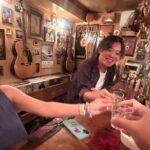
After crafting your sushi, you get to enjoy your creations in the tranquil setting of the house or garden, often while watching the passing train or admiring the distant view of Mt. Fuji beyond Enoshima. The relaxed atmosphere is perfect for savoring your homemade sushi and reflecting on the experience.
The Extras: Sake and Souvenirs
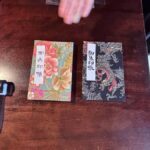
Though not included in the base price, there’s an option to add a Sake Experience Course—a fun way to deepen your appreciation for Japanese beverages. The complimentary gift—a hand-brushed calligraphy canvas inscribed with “Kamakura Sushi Sake”—serves as a meaningful souvenir, reminding you of your culinary adventure.

Practical Details: Timing, Cost, and Group Size
The tour runs at 10:30 am, lasting approximately 1 hour and 30 minutes. The small group size—limited to 10 people—ensures intimacy and personalized attention. At $74.93 per person, the price is quite reasonable given the high-quality ingredients, expert instruction, and the experience’s unique setting.
Travelers should note, though, that the tour may require some walking and navigation, especially since the house is a short 10-minute walk from Kamakura Station. It’s also advisable to be aware of food allergies, as the class involves seafood.
The Reviews: Authentic Perspectives
The overall glowing reviews reinforce the value of this experience. Many highlight the beautiful location and authenticity, with one reviewer calling it “an absolute gem” and praising the peaceful Japanese garden setting. Others appreciate the knowledgeable guides and delicious sushi, noting how the experience is both educational and relaxing.
One reviewer summed it up perfectly, saying, “From the veranda you can see a lovely garden, and as soon as you listen, you hear Enoden running beside you. It is love at first sight for an extraordinary location.” The consistent theme: this tour offers a blend of culinary skill, historical ambiance, and scenic beauty that’s hard to find elsewhere.
Who Should Consider This Tour?
This sushi-making experience is ideal for food lovers, history enthusiasts, and anyone seeking a calm, culturally immersive activity in Kamakura. It’s particularly suited for travelers wanting a hands-on activity that’s both fun and educational, with a touch of traditional Japan. Families, couples, or solo travelers looking for a memorable, authentic encounter will find it rewarding.
If you’re interested in learning sushi craftsmanship from a seasoned chef and soaking in Kamakura’s timeless charm, this tour ticks all the boxes.
Final Thoughts: Is It Worth It?
Absolutely. The combination of a beautiful historic setting, high-quality ingredients, and expert guidance makes this experience stand out. For $74.93, you get more than just sushi—you get a culture, a peaceful retreat, and a beautiful souvenir. The limited group size ensures personalized attention, making it feel more like a private class than a tour.
While it’s a bit of a walk from Kamakura Station and involves seafood, the overall value and authenticity are undeniable. It’s a perfect choice for those wanting to connect with Japan’s culinary traditions in a setting that’s both educational and utterly charming.
Sushi Making in a Century Old Kamakura Home
FAQ
Do I need any prior sushi-making experience?
No, this tour is suitable for beginners. The guide provides step-by-step instruction, making it accessible even for first-timers.
How many pieces of sushi will I make?
You’ll create between 10 to 12 pieces of nigiri sushi using high-quality seasonal ingredients.
Is the location easy to find?
Yes, it’s about a 10-minute walk from Kamakura Station, near the Great Buddha and the seaside. Some reviewers mention it was a little tricky to find at first, so arriving a bit early helps.
Can I enjoy sake during the tour?
Sake can be added as an optional extra—ask the guide about the Sake Experience Course for additional flavors.
What should I wear or bring?
Casual, comfortable clothing is fine. An apron might be provided, but wearing layers is recommended, as the house can be cozy.
Are there any food allergies I should be aware of?
Yes, seafood is involved, so those with allergies should exercise caution or consider alternative options.
How long does the tour last?
Approximately 1 hour and 30 minutes, starting at 10:30 am.
Is the experience suitable for children or families?
While not explicitly stated, the focus on craftsmanship and quiet ambiance suggests it’s best for older children or adults.
Can I cancel if my plans change?
Yes, cancellations are free up to 24 hours before the tour. The experience is weather-dependent, and poor weather may lead to a reschedule or full refund.
This Kamakura sushi-making tour offers a well-balanced mix of tradition, scenery, and culinary skill. Whether you’re a foodie eager to learn or a history buff looking for a peaceful retreat, it’s a memorable way to spend part of your trip in Japan.