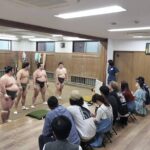
If you’ve ever wondered about Japan’s most iconic sport, this Sumo History Tour offers a fascinating window into the origins and evolution of Sumo right in Tokyo. From the bustling Ryogoku district to the sacred grounds where Sumo began, this experience blends cultural storytelling with authentic sights for a well-rounded glimpse of this captivating sport.
What we love most about this tour is its mix of historical sites, engaging storytelling, and the chance to see where modern Sumo matches take place. The tour’s value for money is impressive, especially considering the detailed insights and exclusive visits included. Plus, it’s held in a private setting, meaning you won’t be herded along with large crowds—perfect for those who prefer a more intimate experience.
One consideration is the tour’s focus on history and sites rather than live Sumo matches. If you’re looking for a full arena experience, this tour might serve more as a cultural primer rather than a match day. Still, it’s ideal for fans of Japanese culture, history buffs, or anyone curious about the roots of this unique sport.
This tour is a great fit for travelers who enjoy learning about local traditions, appreciate authentic cultural sights, and want a manageable, well-paced introduction to Sumo without the need to attend a live match. It’s especially suited for those staying in Tokyo for a few days and eager to add a meaningful, educational experience to their itinerary.
- Good To Know
- Exploring the Itinerary in Detail
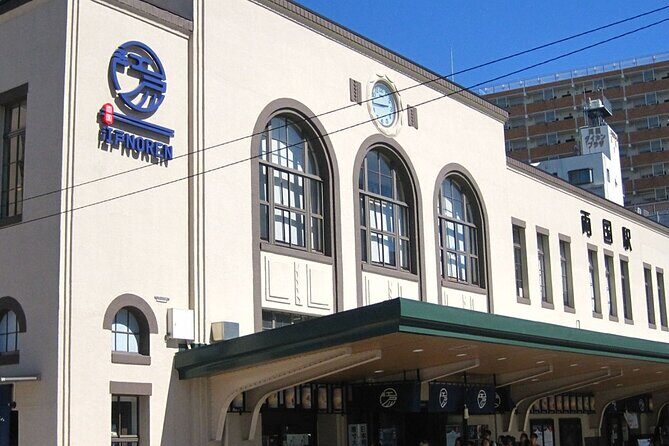
- Stop 1: Ryogoku Edo Noren
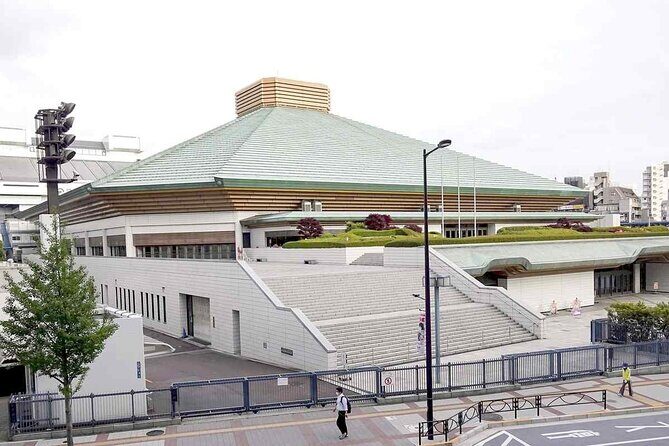
- Stop 2: Ryogoku Kokugikan
- Stop 3: Former Site of Kokugikan
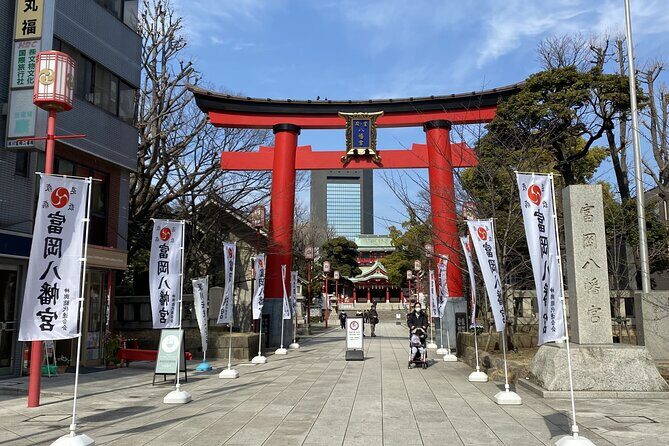
- Stop 4: Tomioka Hachimangu Shrine
- Practical Aspects and Value
- Duration and Pacing
- Cost and Inclusion
- Accessibility and Convenience
- Insights from Reviews
- Who Should Consider This Tour?
- The Sum Up: Is It Worth It?
- FAQ
- The Best Of Tokyo!
- More Historical Tours in Tokyo
- More Tours in Tokyo
- More Tour Reviews in Tokyo
- Not for you? Here's more nearby things to do in Tokyo we have reviewed
Good To Know
- Authentic cultural insights: Learn about Sumo’s origins and significance in Japan.
- Engaging itinerary: Visits to historic sites, the main Sumo hall, and the shrine where it all started.
- Accessible and private: Small-group or private experience, with flexible timing and easy access via public transport.
- Value for money: At $66, it provides a well-rounded, immersive glimpse into Sumo history.
- Beautiful sights: The tour includes views of historic grounds, the modern Kokugikan, and sacred landmarks.
- Ideal for history lovers: Perfect for anyone wanting an authentic, educational experience beyond the typical tourist spots.

👉 See our pick of the 25 Best Guided Tours In Tokyo
Exploring the Itinerary in Detail
You can also read our reviews of more historical tours in Tokyo

Stop 1: Ryogoku Edo Noren
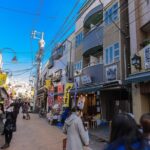
Your journey begins at Ryogoku station, a hub for Sumo enthusiasts, and the gateway to the historic district. Connected directly to the station, Edo Noren is a recreated Edo-period street scene, complete with storefronts and a small sumo ring. This stop is a delightful visual treat, offering a glimpse into what Tokyo looked like hundreds of years ago.
Here, you’ll get a taste of Edo-period architecture and urban life, giving context to the origins of Sumo, which dates back centuries. One reviewer specifically appreciated the “recreation of Edo Ryogoku,” noting how it made history come alive. As your guide explains the significance of the area, you might find yourself imagining the bustling streets where sumo wrestlers once trained and competed.
Stop 2: Ryogoku Kokugikan
Next, you’ll visit the Ryogoku Kokugikan, the modern main Sumo arena built in 1985, which hosts Japan’s biggest tournaments. From the outside, the building’s impressive stature and traditional Japanese design hint at the sport’s deep cultural roots.
While the tour doesn’t include entry into the arena itself, the exterior visit offers enough to spark curiosity. Your guide will share insights about the structure’s history and its role in contemporary Sumo. This is a chance to see where the current matches are held, and many visitors appreciate the opportunity to learn about the scale and logistics of the sport.
One traveler mentioned that seeing the outside of the Kokugikan gave a clear picture of the grandeur involved in large Sumo events—useful context for those planning to attend matches later.
Stop 3: Former Site of Kokugikan
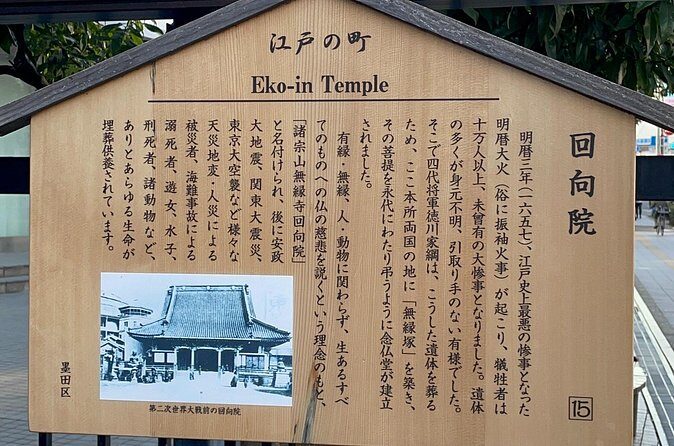
A short walk takes you to the site of the original Sumo stadium, which was torn down after the current arena was built. Although the historic building no longer stands, the tour highlights how the area has evolved. Seeing what replaced the old grounds is interesting for understanding how the sport and its venues have modernized while keeping tradition alive.
This part of the tour provides a sense of the sport’s legacy—how it’s been sustained and adapted over the years. It’s notable that the site is now a part of Tokyo’s urban landscape, blending past and present seamlessly.
Stop 4: Tomioka Hachimangu Shrine
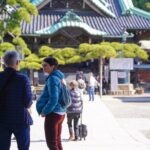
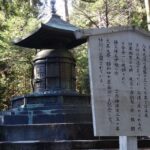
The final stop is Tomioka Hachimangu Shrine, the spiritual birthplace of Sumo. Here, the atmosphere shifts to a quiet reverence, with towering stones honoring Yokozuna (the highest rank in Sumo). The guide shares stories about the shrine’s history and its significance to the sport.
Many visitors mention that this shrine offers a peaceful, almost sacred ambiance that contrasts beautifully with the bustling city outside. It’s a fitting place to reflect on the sport’s spiritual and cultural importance. The visit lasts about an hour and concludes with a walk back to Monzennakacho station, a short journey connecting you to other parts of Tokyo.




Practical Aspects and Value
Duration and Pacing
Spanning roughly three hours, the tour is well-paced, balancing sightseeing with storytelling. It’s ideal for those with limited time but eager to soak in meaningful sights and insights without feeling rushed. The stops are short but substantive, with a total of around 75 minutes of site visits, giving plenty of opportunities to ask questions.
Cost and Inclusion
At just over $66 per person, the price is reasonable considering the exclusive nature of the experience. Admission to the Edo Noren is included, and the outside views and site explanations add value without extra charges. The tour being private means your group gets personalized attention, making the experience more engaging and tailored.
Accessibility and Convenience
The start point at Ryogoku Station is convenient, connected by numerous subway lines, and the tour concludes near Monzennakacho station, which links to the Oedo and Tozai lines. This makes it easy to incorporate into a day of sightseeing around Tokyo.
Insights from Reviews
One reviewer appreciated the “stunning views” at the historic sites and the “detailed stories” provided by the guide, which made the history accessible. Others noted the sense of authenticity, especially at Tomioka Hachimangu, where the spiritual atmosphere added depth to the visit.
Who Should Consider This Tour?
This tour is perfect for history enthusiasts, fans of Japanese culture, or travelers who want a deeper understanding of Sumo beyond what they might see on match day. It’s especially suitable for those who appreciate storytelling, authentic sites, and a quiet, reflective experience.
While it doesn’t include live Sumo action, it’s an excellent primer that enriches any subsequent visit to the sport’s arenas or tournaments in Japan.
The Sum Up: Is It Worth It?
For anyone interested in Japanese traditions or curious about the roots of Sumo, this tour offers a compelling, well-curated look at how the sport has shaped and been shaped by Tokyo. The combination of historic sites, meaningful stories, and beautiful scenery makes it a rewarding experience for a modest price.
It’s best suited for travelers who enjoy educational outings, cultural discovery, and authentic sights. The private setup ensures a personalized experience, making it feel special rather than touristy. Whether you’re a dedicated Sumo fan or just a cultural explorer, this tour provides a meaningful glimpse into Japan’s national sport.
FAQ
Is the tour suitable for all ages?
Yes, most travelers can participate, but it’s best suited for those interested in history and culture. The tour is relatively short and accessible.
Are tickets included for all sites?
Admission to Edo Noren is included, but the exterior of the Kokugikan and the site of the original Sumo hall are free to view.
How do I get to the meeting point?
The start is at Ryogoku Station, which is well-connected by public transportation. The tour ends near Monzennakacho station, accessible via the Oedo and Tozai lines.
Is this a group or private experience?
It’s a private tour, so only your group will participate, ensuring a personalized and intimate experience.
Can I combine this with a live Sumo match?
While this tour doesn’t include attending a match, it provides valuable context that can enhance your experience if you do attend a live event later.
What should I wear or bring?
Comfortable shoes are recommended for walking. A camera and some curiosity are all you need to enjoy the sights and stories.
This Sumo History Tour is a fantastic way to gain insight into Japan’s traditional sport, combining historical sites, cultural storytelling, and beautiful views—all for a reasonable price. It’s a meaningful, engaging experience that will resonate long after your trip to Tokyo.