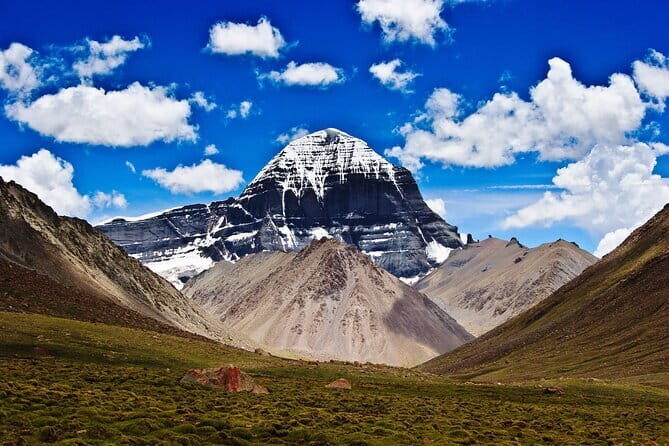
Planning a trip to Mt. Kailash and Lake Manasarovar is often described as a once-in-a-lifetime spiritual experience. This 16-day overland tour from Kathmandu offers an immersive journey, combining cultural sights, scenic drives, and a challenging yet rewarding pilgrimage around the mountain. Many travelers have praised this tour for its excellent guides, stunning landscapes, and authentic rituals, making it a popular choice for those seeking both adventure and spiritual connection.
What we love about this trip is the focus on personalized guidance from experienced leaders, the opportunity to participate in local rituals at key spiritual sites, and the comfort of well-organized logistics during a demanding journey. The itinerary is designed to balance sightseeing, culture, and the physical challenge of the Kailash Kora. One potential consideration is the altitude, which requires some physical fitness and acclimatization. If you’re a spiritually curious traveler or an adventure enthusiast looking to tick a major pilgrimage off your bucket list, this tour could be perfect for you.
- Good To Know
- The Itinerary in Detail
- Day 1: Pashupatinath Temple in Kathmandu
- Day 2: Chandragiri Hills & Tibet Visa Application
- Day 3: Kathmandu UNESCO Sites
- Day 4: Bhaktapur & Sanga
- Day 5-6: Cross into Tibet via Syapru Besi and Gyirong Town
- Day 7-8: Saga County & Lake Manasarovar
- Day 9-12: Kailash Kora and Mountain Circumambulation
- Days 13-14: Return to Tibet and back to Nepal
- Day 15: Return to Kathmandu
- Day 16: Departure from Tribhuvan International Airport
- What Makes This Tour Stand Out
- Potential Drawbacks and Considerations
- Who Is This Tour Best For?
- Final Thoughts
- FAQ
- The Best Of Kathmandu!
- More Tour Reviews in Kathmandu
- Not for you? Here's more nearby things to do in Kathmandu we have reviewed
Good To Know
- Expert-guided experience: Knowledgeable guides provide cultural insights and ensure a smooth journey.
- Authentic rituals: Opportunities to participate in local prayers and ceremonies enrich the spiritual aspect.
- Comfortable arrangements: 3-star hotels, full vegetarian meals, and support like oxygen cylinders add value.
- Small group setting: Intimate groups create flexibility and personalized attention.
- Responsible tourism: Respect for environment and local heritage is a priority.
- Fixed departure dates: Easy planning with set dates, ideal for organized travelers.
👉 See our pick of the 14 Best Shopping Tours In Kathmandu
The Itinerary in Detail
You can also read our reviews of more tours and experiences in Kathmandu.
Day 1: Pashupatinath Temple in Kathmandu
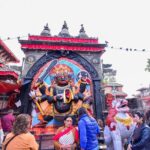
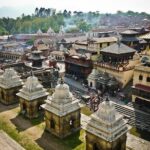
Your journey kicks off in Kathmandu with a visit to the iconic Pashupatinath Temple. Watching the evening aarti on the Bagmati River is a captivating experience. The soft glow of oil lamps, the resonance of hymns, and the scent of incense make this a deeply spiritual scene. It’s a ritual rich in tradition and emotion, giving you an initial taste of Nepalese spirituality before heading eastward.
Day 2: Chandragiri Hills & Tibet Visa Application
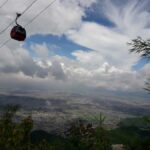
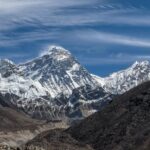
After breakfast, you’ll visit the scenic Chandragiri Hills for panoramic views of the Himalayas, a chance to appreciate Nepal’s lush landscapes. That afternoon involves a trip to the Chinese Visa Centre to apply for your Tibet Visa, a necessary step for the upcoming overland expedition. The process is straightforward, but it’s good to have this arranged early to avoid last-minute stress.
Day 3: Kathmandu UNESCO Sites
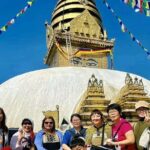
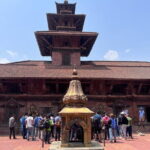
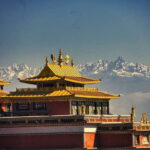
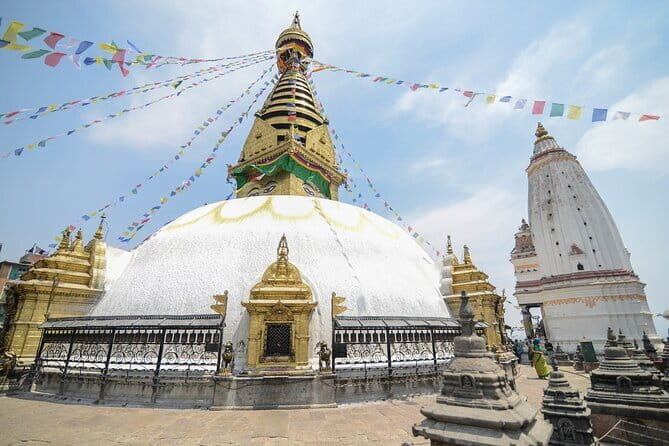
This day is dedicated to exploring Kathmandu’s UNESCO World Heritage sites, such as Swayambhunath (Monkey Temple), Boudhanath Stupa, and Patan Durbar Square. These monuments showcase intricate architecture and spiritual significance, offering a grounding experience before the physical demands of the pilgrimage.
Day 4: Bhaktapur & Sanga
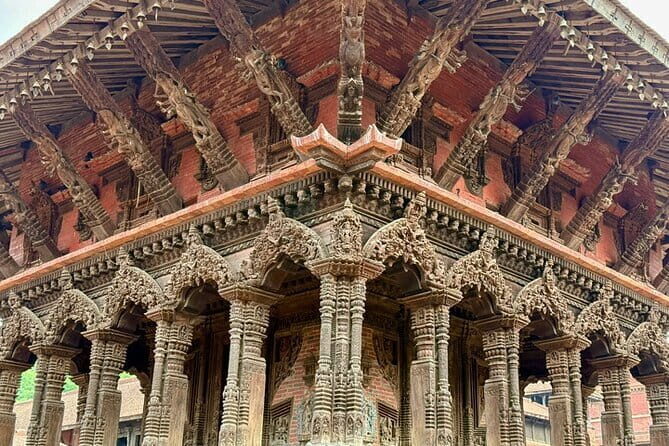
Traveling to Bhaktapur offers a glimpse into medieval Nepal’s craftsmanship—think wooden temples and artworks. Visiting Doleshwor Mahadev, a sacred Shiva site similar to Kedarnath, adds a religious dimension, especially for Shiva devotees. The highlight here is the Kailashnath Mahadev Statue, the tallest Shiva statue globally, perched on a hill with views that are truly worth the climb. Reviewers like Kashyap, the tour leader, are praised for their attentiveness and deep knowledge, making these visits more meaningful.


Day 5-6: Cross into Tibet via Syapru Besi and Gyirong Town
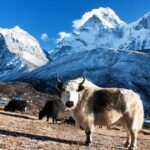
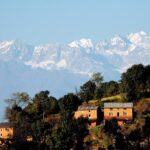
The drive from Kathmandu to Tibet involves crossing the Nepal-Tibet border at Syapru Besi. Expect stunning Himalayan vistas along the way. The journey to Gyirong Town is about 7 hours and offers a first look at Tibet’s majestic landscapes. Travelers appreciate how smoothly the process is managed, with no hidden hassles, and the scenery makes the long drive worthwhile.
Day 7-8: Saga County & Lake Manasarovar
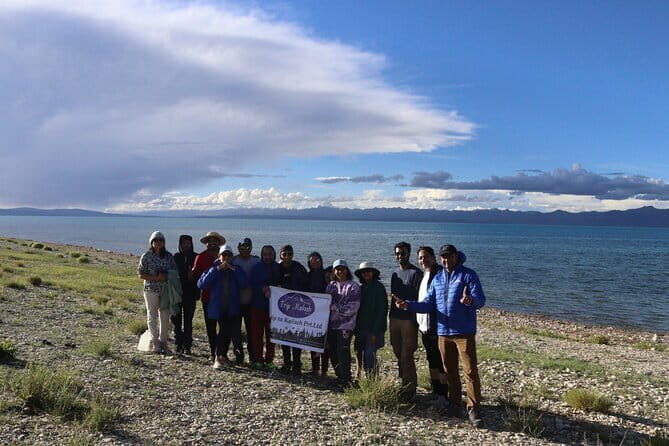
Continuing through Tibet’s rugged terrain, you’ll reach Saga County, a vast plateau dotted with nomadic herders. The highlight is arriving at Lake Manasarovar, one of the world’s highest freshwater lakes. Participating in the lake’s puja rituals, as described by participants, is a highlight—“soaking in the serene atmosphere and panoramic views of Mount Kailash,” as one reviewer noted. The lake’s spiritual significance for both Hindus and Buddhists lends a profound atmosphere to this part of the tour.
Day 9-12: Kailash Kora and Mountain Circumambulation
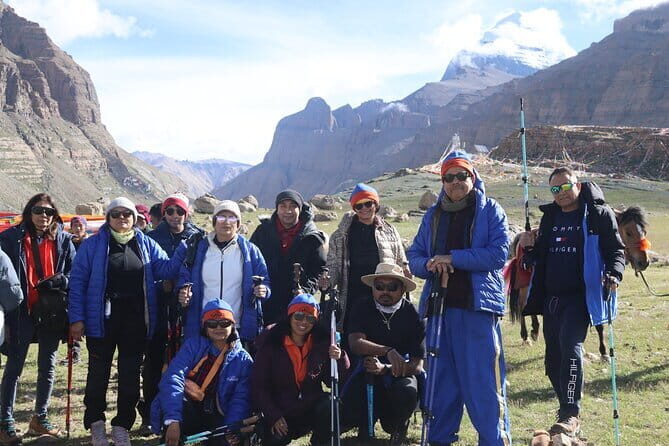
This is the heart of the journey. Starting from Darchen, you’ll trek the Kailash Kora, a revered ritual circumnavigation of Mount Kailash. The first day involves a trek to Diraphuk Monastery, which, while demanding, offers jaw-dropping Himalayan vistas. The second day crosses Dolma La Pass, the highest point of the trek, often challenging due to altitude but rewarding with spiritual renewal and breathtaking views.
Travelers report the guides’ extensive knowledge and support during the trek, with one saying, “Kashyap has been the best catering to individual needs. He is humble and polite.” The trek’s physicality, combined with the spiritual atmosphere, provides a memorable sense of achievement and connection.
Days 13-14: Return to Tibet and back to Nepal
After completing the circumambulation, you’ll retrace your route back to Saga, then back into Tibet, staying overnight in Gyirong Town. The return journey is a chance to reflect on the pilgrimage, with the stunning Tibetan landscape as a backdrop.
Day 15: Return to Kathmandu
The long drive back from Gyirong to Kathmandu takes about 8 hours, but travelers find the scenery and the sense of accomplishment make it worthwhile. The tour concludes with some final rest and preparations before departure.
Day 16: Departure from Tribhuvan International Airport
A smooth transfer to the airport wraps up the adventure, leaving you with memories of a truly unique spiritual experience.
What Makes This Tour Stand Out
Expert Guidance: Multiple reviews highlight the guides’ ability to cater to individual needs and provide insightful commentary. Kashyap, in particular, is praised for his humility, politeness, and support—a vital factor when navigating the physical and emotional demands of the journey.
Authentic Cultural and Religious Experiences: Participating in rituals at Lake Manasarovar and attending the Pashupatinath aarti deepen the spiritual connection. Guides ensure that these moments are meaningful, not just sightseeing.
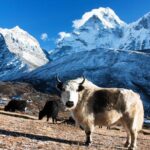
Stunning Landscapes & Scenic Drives: Expect breathtaking Himalayan vistas, vast Tibetan plains, and serene lakes. The drives are long but scenic, and the guides manage logistics smoothly, allowing you to enjoy the views without worry.
Well-Organized Logistics and Support: The inclusion of oxygen cylinders, daily health checkups, and comfortable accommodations means you’re well taken care of in high-altitude environments. Small groups, maximum of 10 travelers, ensure personalized attention.
Value for the Cost: At $3,999 per person, the tour covers accommodation, meals, permits, and expert guidance. While the price may seem steep, the comprehensive inclusions and authentic experiences make it a solid investment for a once-in-a-lifetime pilgrimage.
Potential Drawbacks and Considerations
Travelers should be prepared for the physical demands, especially the high-altitude trek around Kailash. Moderate fitness levels are recommended. Also, the journey involves long drives through rugged terrain, which might not suit everyone’s comfort preferences. Booking at least 20 days in advance is necessary for Tibet permit applications, and travelers need valid passports for at least six months.
Who Is This Tour Best For?
This trip is suited for travelers seeking a meaningful spiritual experience combined with adventure. It’s ideal for those comfortable with moderate physical activity and high-altitude environments. Pilgrims, spiritual seekers, and well-traveled adventurers will find this tour offers both cultural depth and scenic beauty. The small group setting and expert guides make it a safe and supportive option for those venturing into Tibet for the first time.
Final Thoughts
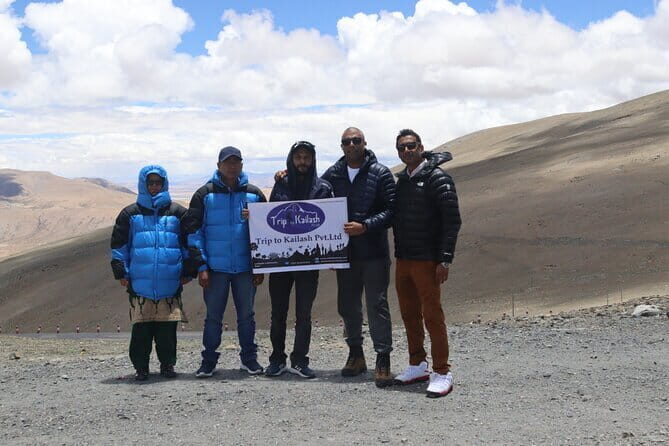
The 16-day Kailash Manasarovar overland trip offers a carefully curated mixture of culture, natural beauty, and spiritual significance. You’ll benefit from knowledgeable guides, comfortable logistics, and authentic rituals that deepen your experience. While the journey demands physical effort and altitude acclimatization, the rewards—stunning views, profound rituals, and personal achievement—are undeniable.
This tour represents excellent value for those ready to commit to a once-in-a-lifetime pilgrimage. It’s perfect for spiritually curious travelers who want an organized, supportive, and genuine experience with a focus on responsible tourism. If you’re prepared for the physical and logistical aspects, this trip will leave you with memories and transformations that last long after you return home.
FAQ
Do I need to be physically fit to join this tour?
Yes, a moderate level of physical fitness is recommended as the trek around Mount Kailash involves rugged terrain and high altitudes. The tour includes some challenging sections like crossing Dolma La Pass.
How long are the drives during the tour?
Some days involve long drives, such as 7-8 hours from Kathmandu to Tibet and back, but these are managed smoothly with scenic routes, allowing travelers to enjoy the landscapes.
Is the tour suitable for solo travelers?
Absolutely. The group is small, with a maximum of 10 people, which fosters a supportive environment. Solo travelers will benefit from the camaraderie and personalized attention.
What is included in the price?
The fee covers private transportation, all taxes and fees, Tibet visa and permit, accommodation in 3-star hotels, full vegetarian meals, sightseeing, and health support like oxygen cylinders.
Are there any additional costs I should expect?
Yes, personal expenses, tips, and entry fees to monuments during Kathmandu sightseeing (about $30 USD) are not included. Horse or pony fees for the Kora are also extra.
When are the fixed departure dates?
In 2024, the scheduled departures are May 12th, June 10th, July 8th, August 11th, and September 9th.
Can I organize a private tour?
Yes, private tours are available for groups larger than 5 people, offering more flexibility and personalized planning.
What is the best time to go?
The fixed departure dates in spring, early summer, and late summer are ideal, as weather conditions are generally favorable for high-altitude travel.
What if I want to cancel?
You can cancel up to 6 days before the trip for a full refund. Cancellations less than 6 days in advance are not refundable. Check the cancellation policy for specifics.
Embarking on this Kailash Manasarovar tour promises a journey that’s not just about reaching a mountain but connecting deeply with spiritual traditions, stunning scenery, and your own inner resilience. Whether you’re a seasoned trekker or a spiritual explorer, this trip offers a rare chance to step outside your comfort zone and into a profound experience.