Kbal Spean makes this outing different from a temple-hopping day: reaching its carved riverbed means a walk uphill through forest, with steps along the way. The reward is a chance to see lingas and figures of Hindu deities cut into the rock beneath the water.
I like the contrast between Kbal Spean’s shaded jungle trail and Banteay Srei’s precise rose-pink carvings. The private tuk-tuk also gives you a set route to these outlying sights, rather than leaving you to negotiate a separate time-based ride.
The trade-off is that this is a five-hour, self-guided trip, not a guided tour. You’ll need to buy temple admission separately, and Kbal Spean’s uphill walk may be a poor fit if you want a day with little walking.
- What makes this route worthwhile
- A five-hour outing beyond central Angkor
- Kbal Spean: the walk is part of the visit
- Banteay Srei: fine carving in rose-pink stone
- The Landmine Museum and Aki Ra’s work
- Private tuk-tuk: useful freedom, limited guiding
- Is the price good value?
- Who should book this tour?
- Should you book it?
- FAQ
- How long does the tour take?
- Is this a guided tour?
- What transport is included?
- Is temple admission included?
- How much walking is there at Kbal Spean?
- What sights are included?
- Are food and drinks included?
- What departure times can I choose?
- Can I change or cancel my booking?
- More Tours in Banteay Srei
- More Tour Reviews in Banteay Srei
What makes this route worthwhile
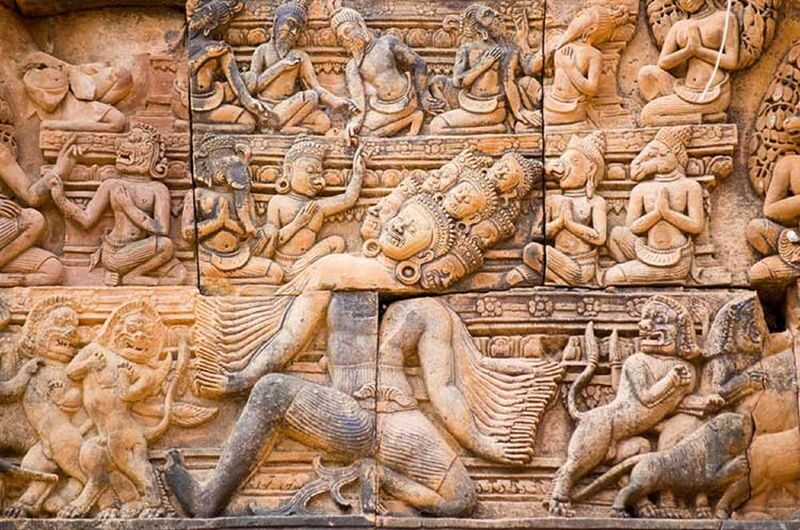
- Kbal Spean requires a forest walk: Expect an uphill trek with steps to reach the carved riverbed. One account describes the walk as about 45 minutes, so allow energy and time for it.
- The riverbed carries the art: Look for lingas, lotus flowers, Vishnu, Lakshmi and other deities carved directly into stone beneath flowing water.
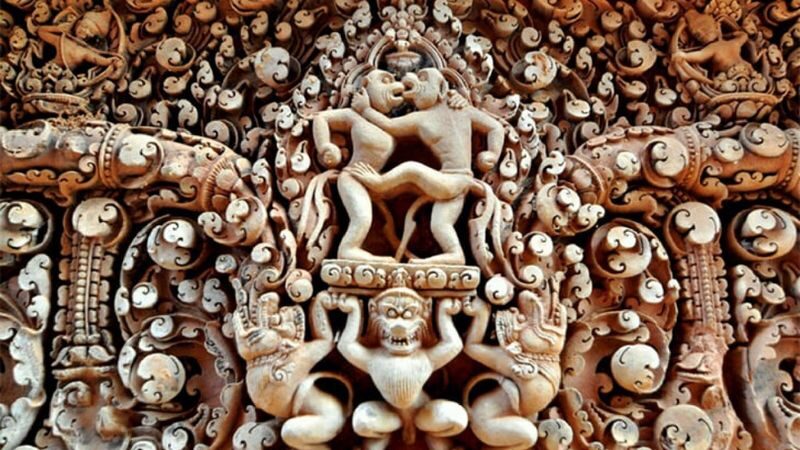
- Banteay Srei is small but finely worked: Its rose-pink sandstone and delicate carvings make it a different kind of stop from Angkor’s large temple complexes.
- The private tuk-tuk links three distant stops: You have hotel pickup and drop-off, plus transport between Kbal Spean, Banteay Srei and the Landmine Museum.
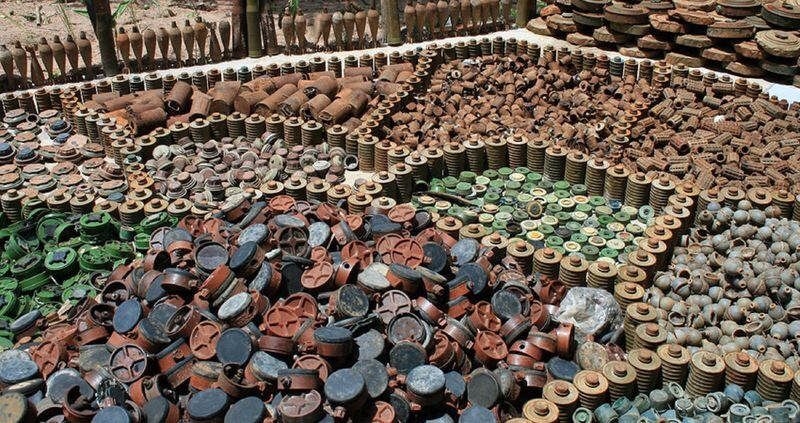
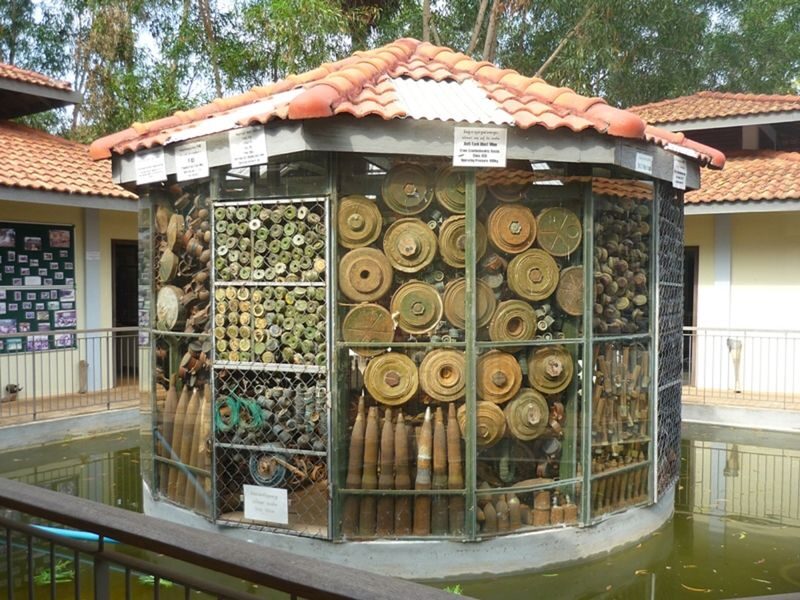
- The museum adds a modern human story: Founded by Aki Ra, it connects Cambodia’s landmine legacy with his work to remove mines and help people affected by them.
- Carry your own temple budget: Admission, meals and personal expenses are not included. Drinking water is included.
A five-hour outing beyond central Angkor
This tour takes you from your hotel to three different places north of Siem Reap: Kbal Spean, Banteay Srei and the Cambodian Landmine Museum. Its appeal is the range. You get a forest walk, a close look at Khmer stone carving and a museum visit focused on Cambodia’s more recent past.
Transport is by private tuk-tuk. That gives you your own vehicle and driver for the route, rather than a seat on a shared group outing. The arrangement is practical for reaching places outside the main Angkor temple circuit, though it does not make the trip a guided tour. The itinerary is described as self-guided, and a tour guide is not included.
The stated duration is five hours. Treat that as a compact day trip, not a leisurely, full-day exploration of each stop. Traffic, weather and the time you spend walking or looking around can affect the schedule, so it’s wise not to plan a tight appointment immediately afterward.
Kbal Spean: the walk is part of the visit
Kbal Spean is known as the River of a Thousand Lingas. The name points to the riverbed carvings: lingas, symbolic forms associated with Shiva, appear alongside lotus flowers and figures including Vishnu and Lakshmi. These designs are etched into the rock beneath flowing water, making the setting a central part of what you see.
Getting to the riverbed takes effort. The trail is described as shaded and quiet, but it climbs through the forest and includes steps. One visitor estimated the walk at roughly 45 minutes. That is a useful planning marker, though your pace and time on the path may differ.
I’d think of Kbal Spean as a short nature walk with an archaeological destination, not a roadside temple stop. Wear shoes you can manage on an uphill path, and save some energy for the return walk. If you have a mobility concern or prefer to avoid hills and steps, this stop deserves careful thought before booking. The tour information gives no separate accessibility details.
At the top, take time to look at the carved stone rather than expecting a large temple structure. The interest lies in the riverbed itself and the way sacred images sit among the water and rock. In wet conditions, the river may flow over the carvings, as the tour description notes; weather can also affect the schedule.
Banteay Srei: fine carving in rose-pink stone
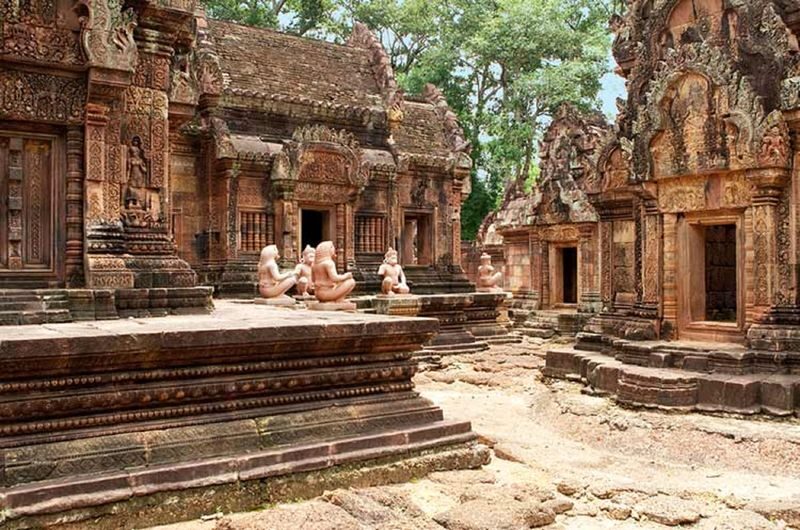
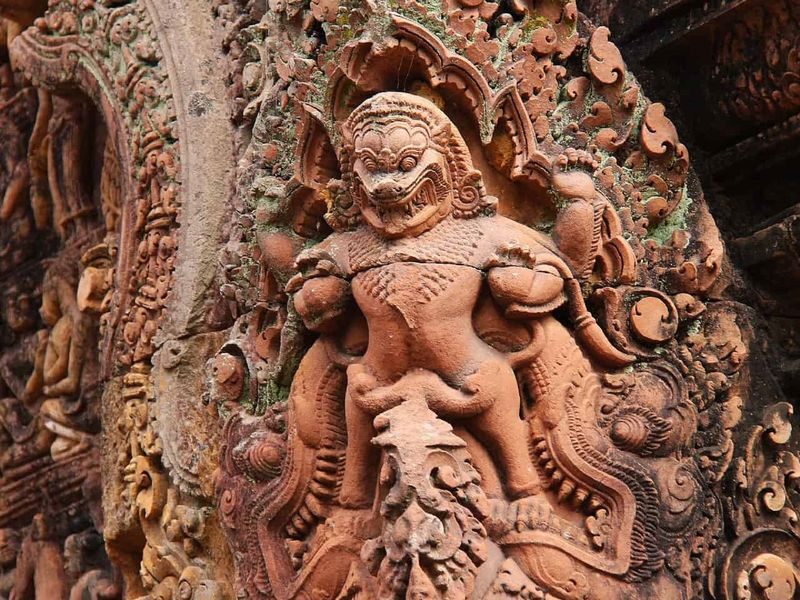
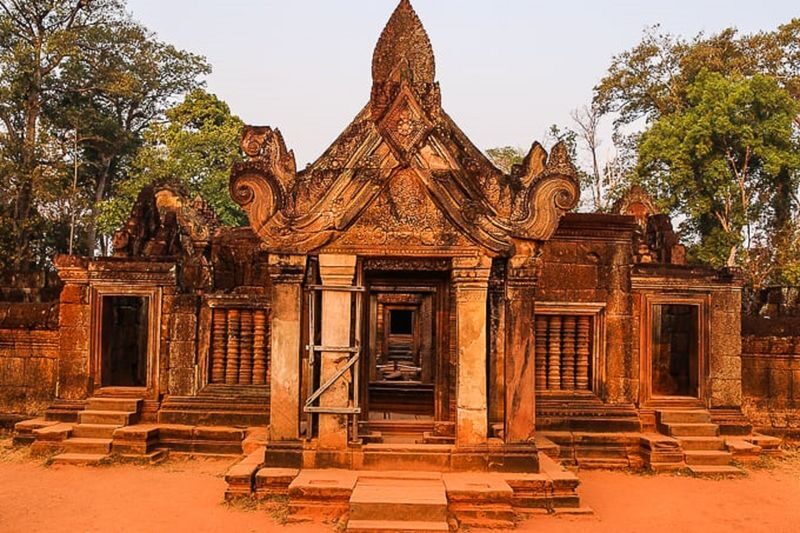
Banteay Srei is the architectural counterpoint to Kbal Spean. It is smaller than Angkor’s monumental temples, but its reputation rests on the fine detail of its carvings. The temple was built from rose-pink sandstone, which gives the stone a warm hue and helps the sculpted details catch your eye.
Rather than measuring this stop by size, look closely at the workmanship. The carvings are described as unusually delicate and precise, with figures and patterns worked into the stone. If you have already seen larger Angkor sites, Banteay Srei offers a useful change of scale: less about towering structures, more about the skill visible at close range.
You’ll visit after Kbal Spean, so the order makes practical sense. The forest walk comes first, followed by a temple where you can spend time examining the stonework at a slower pace. Since admission is not included, remember to budget for the temple ticket. The driver takes you to buy a ticket if you do not already have one; if you have bought it in advance, the route can go directly to Kbal Spean.
The supplied information does not specify how long you’ll have at Banteay Srei. With a five-hour total, your time at each stop is necessarily limited by the other visits and the drive. If you want long, guided discussions of the carvings, this self-guided format may not meet that need. You can still make the most of it by arriving with a little background or taking time to study what catches your eye.
The Landmine Museum and Aki Ra’s work
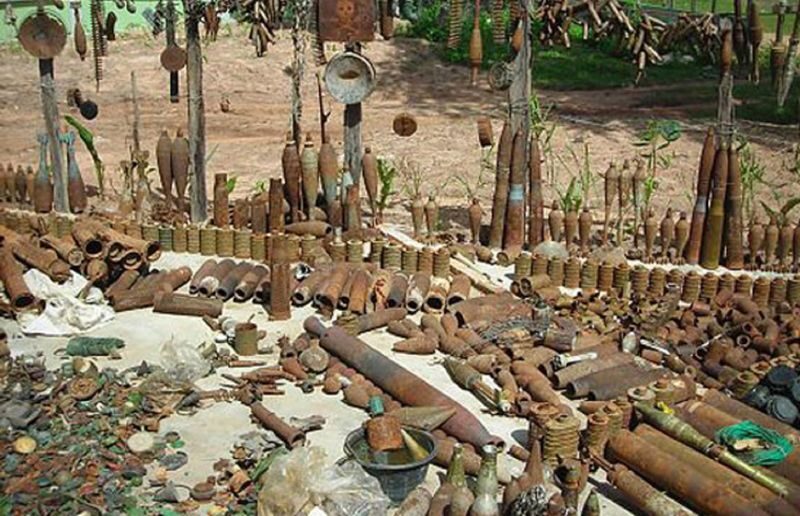
The final stop is the Cambodian Landmine Museum, founded by Aki Ra. The account of his life is stark: he was a child soldier during the Khmer Rouge era and later used a stick and homemade tools to defuse mines he had once laid. He opened a small museum in 1997 to fund his work.
That context gives this stop a different purpose from the temples. The museum focuses attention on the continuing human consequences of landmines and on efforts to clear them and support people affected by them. It is a chance to consider Cambodia beyond the ancient sites, without treating the country’s modern history as a footnote.
The tour information does not give a specific visit length or list the museum’s exhibits, so don’t assume this is an extended museum program. It is the last stop before the driver takes you back to your hotel or personal address. If the subject matters to you, allow yourself time to take in the visit, while remembering the five-hour schedule.
Private tuk-tuk: useful freedom, limited guiding
A private tuk-tuk is a practical way to connect these three places without arranging each ride separately. One visitor chose this fixed itinerary because a time-based tuk-tuk charter for the distant sights would have brought an extra charge. The set route can make costs and planning easier, especially if your priority is seeing both Kbal Spean and Banteay Srei in one outing.
The trade-off is that your driver is not a substitute for a licensed or specialist guide. English-speaking staff are listed, but a tour guide is specifically excluded. You can expect transport and basic assistance, not a structured explanation at each site. If you want detailed history, bring a guidebook or arrange a separate guide.
The service details that come with the ride are simple but useful in Cambodia’s heat. Drinking water is included, and recent feedback particularly praised drivers for providing cold water and fresh towels. Lay is named by one person as a relaxing, helpful driver, but driver assignments can vary, so don’t book on the assumption that you’ll have him.
Hotel pickup and drop-off are included. You enter your hotel name and address when booking, and the operator reconfirms the pickup time. Departure choices are listed from 7:00 a.m. through 2:00 p.m., with return options from 11:00 a.m. through 6:00 p.m. The available return time depends on your selected departure and the itinerary, so confirm the arrangement rather than treating every combination as possible.
Is the price good value?
The advertised starting prices differ: the experience summary gives a price from US$49.59, while the private tuk-tuk package is also shown from US$37.50. These figures may reflect different package details or booking conditions, so check the price for your date and selected option before paying.
The main value is transport to three sights that are some distance from Siem Reap, with pickup and drop-off included. The fixed itinerary also removes the need to arrange separate rides between the stops. Water is included, but temple admission, meals, other drinks and personal expenses are not. The final cost will therefore be higher than the starting price.
For a fair comparison, weigh the included private transport against what it would cost you to arrange a tuk-tuk for the same distance and time. This package makes most sense if you want all three stops and are comfortable exploring without a guide. If you only want Banteay Srei, or would rather spend much longer at one site, a different transport arrangement may suit you better.
Who should book this tour?
I’d recommend it to visitors who have already seen central Angkor and want a varied outing beyond the main temple circuit. It suits you if you like a mix of outdoor walking, detailed architecture and a museum with a modern Cambodian focus, and if you’re happy to explore at your own pace.
It is less suitable if you want a guide to explain the sites, need a relaxed schedule with long stays, or would rather avoid an uphill walk. Kbal Spean is the key decision point: the trail is part of the attraction, but it is also the main physical demand of the trip.
Should you book it?
Book this if you want a private ride to Kbal Spean, Banteay Srei and the Landmine Museum in one compact outing, and you’re prepared to pay temple admission separately. Skip it or choose another arrangement if you need guided commentary or want to avoid the forest climb. Before booking, confirm the current package price, your pickup time and the return timing that fits your departure.
Siem Reap Banteay Srei & Kbal Spean Full-Day Tour with Landmine Museum
“Very relaxing tuk tuk guide, Lay always has fresh towel and cold water ready”
FAQ
How long does the tour take?
The stated duration is five hours. The schedule can change depending on traffic and weather.
Is this a guided tour?
No tour guide is included. The itinerary is self-guided, though English-speaking staff are listed.
What transport is included?
The package includes private tuk-tuk transport, hotel pickup and drop-off, and round-trip transfers to and from the meeting location.
Is temple admission included?
No. Admission to temples is excluded. The driver can take you to buy a temple ticket, or take you directly to Kbal Spean if you already have one.
How much walking is there at Kbal Spean?
Kbal Spean requires an uphill walk through forest with steps. One estimate puts it at about 45 minutes, but the time will depend on your pace.
What sights are included?
The route includes Kbal Spean, Banteay Srei and the Cambodian Landmine Museum.
Are food and drinks included?
Meals and beverages are not included. Drinking water is included, and other personal expenses are excluded.
What departure times can I choose?
The listed departure choices run from 7:00 a.m. to 2:00 p.m. The available return time depends on your chosen departure and the itinerary.
Can I change or cancel my booking?
Changes are allowed until 24 hours before the activity starts, subject to stated exceptions. A full refund is available if you cancel at least 24 hours before the activity date, based on local time.