
- Introduction
- Good To Know
- Highlights of the Experience
- Crafting Nerikiri Sweets from Scratch
- Using Premium Ingredients
- Matcha: The Perfect Complement
- Cultural Insights and Expert Guidance
- The Setting and Practical Details
- What to Expect
- Group Size and Accessibility
- In-Depth Analysis of the Itinerary
- Nerikiri Making (Start to 55 minutes)
- Break and Tea Explanation (55 to 65 minutes)
- Matcha Ceremony (65 to 85 minutes)
- Final Tasting and Departure (85 to 95 minutes)
- Practical Considerations
- Price and Value
- Duration and Group Size
- Accessibility and Language
- Reservation and Cancellation
- Why This Tour Is Worth Considering
- Final Thoughts
- FAQs
Introduction
.jpg) 1 / 8
1 / 8.jpg) 2 / 8
2 / 8.jpg) 3 / 8
3 / 8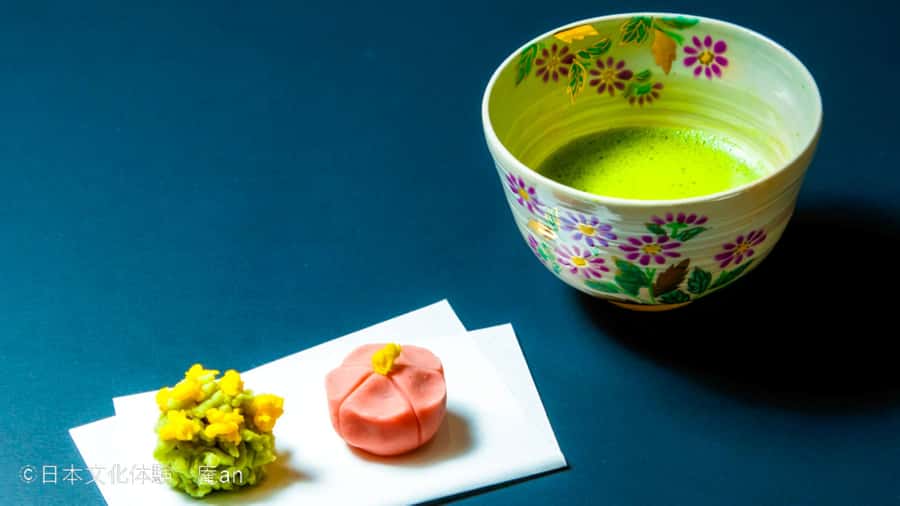 4 / 8
4 / 8.jpg) 5 / 8
5 / 8.jpg) 6 / 8
6 / 8.jpg) 7 / 8
7 / 8.jpg) 8 / 8
8 / 8Imagine spending about an hour and a half fully immersed in Japan’s refined culinary culture, creating delicate sweets and savoring a traditional tea ritual. That’s precisely what this Sendai experience offers — a hands-on dive into Japan’s artistry of sweets and tea.
What makes this tour particularly appealing? First, you’ll get the chance to craft your own Nerikiri sweets, a beautiful and high-grade Japanese treat. Second, the use of single-origin Matcha elevates the taste and authenticity of the experience. Third, the knowledgeable guides help share the cultural significance behind each step.
That said, it’s worth noting that the experience is conducted mainly in Japanese, so some familiarity or a desire to focus on visual and hands-on learning is helpful. This experience caters best to those curious about Japanese culinary traditions, especially if you’re looking for an authentic, intimate cultural activity rather than a large-tour group affair.
You can check availability for your dates here:Good To Know
- Authentic hands-on experience: Make your own Nerikiri sweets from scratch
- Quality ingredients: White/red bean paste from Kyoto’s long-established shops
- Cultural immersion: Learn the significance of Japanese sweets and Matcha in tradition
- Creative expression: Color and shape your sweets matching the season
- Expert guidance: Knowledgeable Japanese instructors lead the way
- Relaxing and delicious: Enjoy your crafted sweets alongside a high-quality Matcha tea
Highlights of the Experience
Crafting Nerikiri Sweets from Scratch
One of the main attractions here is making Nerikiri, a high-grade Japanese sweet known for its delicate beauty and seasonal symbolism. You start by coloring pure white bean paste—crafted by Kyoto’s famed long-standing shops—using natural food dyes. The process involves shaping the paste into blossoms, fruits, or other seasonal motifs, making each piece a mini work of art.
Several reviewers highlight how this activity brings out your creative side. A guest mentioned, “I loved coloring and shaping my sweets, it felt like I was painting a tiny masterpiece.” The process is relaxing and surprisingly intuitive, even for beginners, thanks to the patient guidance.
Using Premium Ingredients
Using white/red bean paste from Kyoto adds a layer of authenticity and quality. Many reviewers note that the sweetness and texture of these traditional ingredients noticeably enhance the final product. This isn’t just a play activity; it’s a chance to taste the genuine flavor of Japanese sweets developed over centuries.
More Great Tours NearbyMatcha: The Perfect Complement
You’ll enjoy a demonstration of Matcha grinding—using a traditional stone mill to prepare fresh powder—before trying it yourself. The highlight is the Uji Matcha, known for its deep, umami flavor. It’s a straightforward yet meaningful ritual, making you appreciate the effort behind each cup.
After preparing your own Matcha, you sip it alongside your sweets. Many describe the pairing as harmonious, with the bitter Matcha balancing the sweetness of the Nerikiri beautifully.
Cultural Insights and Expert Guidance
Guides are well-versed, sharing stories about the significance of sweets and Matcha in Japanese culture. Several reviews commend the clarity and warmth of the instructors, who explain complex traditions in an accessible way. The focus on seasonal themes, like flower shapes matching current or upcoming seasons, adds depth and relevance to the activity.
The Setting and Practical Details
The experience takes place on the 7th floor of Daiichi Aoba Building, just a short walk from Sendai’s main transport hubs—JR Aoba-dori Station and Sendai Station. The room is comfortable, well-lit, and designed to foster a relaxed atmosphere. The scheduled 95 minutes include ample time for crafting, tasting, and photos, making it a well-paced activity.
What to Expect
The program kicks off with an explanation of the sweets’ cultural background. Then, you’ll color and shape your Nerikiri sweets, with plenty of opportunities for creative freedom. After a short break, the focus shifts to the tea ceremony, where you’ll learn how to grind Matcha and participate in the ritual. The final moments are dedicated to enjoying your handmade sweets with a freshly prepared Matcha, making for a satisfying conclusion.
Group Size and Accessibility
The experience is designed for small groups, ensuring personalized attention. It’s wheelchair accessible, and children under 2 who sit on their parents’ laps can join free of charge. Reviews reflect appreciation for the inclusive environment, making it suitable for families, couples, or solo travelers interested in culture.
In-Depth Analysis of the Itinerary
Nerikiri Making (Start to 55 minutes)
Beginning with the coloring of white bean paste, you’re guided through shaping seasonal motifs like flowers or fruits. The process involves adding natural dyes, kneading, and molding, which many find satisfying and surprisingly relaxing. One reviewer remarked, “I felt like a kid playing with clay, but with beautiful, edible results.” The guides often point out how the colors and shapes symbolize the seasons in Japan, adding meaningful context to the craft.
The fact that the bean paste is from Kyoto’s reputable shops ensures authenticity. Several reviews mention the quality of ingredients, noting that the sweets have a refined sweetness and smooth texture.
Break and Tea Explanation (55 to 65 minutes)
After finishing your sweets, there’s a brief break that allows for photographs, chatting, or simply enjoying the ambiance. The guide then introduces the Matcha grinding demonstration, emphasizing the importance of traditional methods. Watching the fresh powder being made from whole leaves is both educational and satisfying.
Matcha Ceremony (65 to 85 minutes)
You participate in a simplified yet traditional tea ceremony, where you learn how to whisk and serve Matcha in the proper manner. The instructor explains the significance of each step, adding cultural depth. Many guests highlight how this part feels meditative and authentic.
Final Tasting and Departure (85 to 95 minutes)
The experience concludes with you savoring your crafted sweets alongside the Matcha you prepared, often commenting on the perfect flavor balance. This moment of tasting your own work adds a satisfying sense of accomplishment.
Practical Considerations
Price and Value
While the exact cost isn’t specified here, reviews suggest the experience offers good value compared to other cultural activities. The inclusion of high-quality ingredients, professional guidance, and the opportunity to take home your sweets justify the price for many. It’s a memorable, intimate activity that’s more than just a tasting—it’s a genuine cultural craft.
Duration and Group Size
At 95 minutes, the activity is manageable and well-structured. The small-group setting ensures you get personalized attention, which is especially important when learning delicate techniques like shaping Nerikiri.
Accessibility and Language
Conducted primarily in Japanese, some instructions may be visual or demonstrated. The guides are accommodating, and some English explanations are provided when possible. The venue is wheelchair accessible, making it inclusive for various travelers.
Reservation and Cancellation
Reservations can be made with flexible payment options—reserve now and pay later—and cancellations are free up to 24 hours in advance. This flexibility is helpful for travelers with uncertain schedules.
Why This Tour Is Worth Considering
This experience is ideal for those looking to connect with Japan’s culinary traditions on a personal level. If you’re curious about sweets, tea, or cultural rituals, it offers a hands-on, engaging way to do so. It’s especially suited for fans of crafts, foodies, or anyone who appreciates the art behind traditional Japanese cuisine.
The experience balances educational content, cultural storytelling, and creative activity, making it a well-rounded introduction to Japan’s sweet and tea culture. Plus, the chance to make beautiful, edible art and enjoy it with freshly prepared Matcha makes it both fun and delicious.
Final Thoughts
This Sendai activity provides a rare opportunity to learn and participate in Japan’s cherished culinary arts in a relaxed, intimate setting. The combination of making Nerikiri sweets with Kyoto-quality ingredients and sampling a traditional Matcha tea ceremony offers a genuine taste of Japanese culture.
It’s perfect for travelers who value experiential activities that are both educational and fun. Whether you’re a foodie, a culture seeker, or simply looking for a unique souvenir of your trip, this experience delivers meaningful engagement and memorable moments.
If you love crafting, are interested in Japanese traditions, or want a meaningful activity that pairs beautifully with exploring Sendai, this tour hits the mark.
Sendai: Japanese Traditional Sweets making and Tea Ceremony
FAQs
Is this experience suitable for children?
Yes, children under 2 who sit on their parents’ laps can join for free, and the activity is generally family-friendly given its gentle, creative nature.
Does the experience include transportation?
No, transportation isn’t provided, but the meeting point is conveniently located on the 7th floor of the Daiichi Aoba Building, close to major transport stations.
What language is the experience conducted in?
The activity is primarily in Japanese, with some English support available. Visual demonstrations help bridge language gaps.
Can I cancel if my plans change?
Yes, cancellations are accepted up to 24 hours in advance for a full refund, providing flexibility for travel plans.
What should I wear or bring?
Casual, comfortable clothes are fine. Aprons may be provided, but it’s best to wear something that can get a little stained from coloring.
Is there an option to participate in the tea ceremony without making sweets?
This tour combines both activities, so if you’re just interested in the tea, you might want to look for experiences focused solely on tea ceremonies.
To sum it up, this Sendai experience offers a genuine and engaging way to explore Japan’s sweet-making and tea traditions firsthand. It’s a delightful activity for those eager to craft, learn, and taste in a warm, supportive environment. Perfectly suited for culture lovers and curious travelers alike, it promises to leave you with both beautiful memories and a few handmade treats to take home.
You can check availability for your dates here: More Great Tours Nearby