Is Sauternes, the renowned sweet wine from Bordeaux, truly the nectar of the gods? With its golden hue, luscious sweetness, and complex flavors, it’s no wonder that Sauternes has earned a reputation as one of the world’s most exquisite wines.
But what exactly sets it apart from other dessert wines? In this article, we unravel the mysteries of Sauternes, exploring its origins, production techniques, and the unique characteristics that make it a true gem in the world of wine.
From the vineyards nestled in the picturesque region of Bordeaux to the centuries-old traditions passed down through generations, prepare to embark on a journey that will tantalize your taste buds and leave you yearning for more.
- Good To Know
- The History of Sauternes Wine
- The Unique Terroir of Sauternes
- The Process of Producing Sauternes Wine
- The Characteristics of Sauternes Wine
- The Best Food Pairings for Sauternes Wine
- The Top Sauternes Wine Producers
- Where to Buy and Taste Sauternes Wine
- Common Questions
- Can I Cancel My Reservation for the Sauternes Wine Tour and Get a Full Refund?
- How Long Does the Sauternes Wine Tour Last?
- Do I Need to Pay for the Sauternes Wine Tour at the Time of Booking, or Can I Pay Later?
- Will the Sauternes Wine Tour Still Take Place if It Rains?
- Is Lunch Included in the Price of the Sauternes Wine Tour?
- The Sum Up
- The Best Of France!
- More Wine Tours in France
- More Tour Reviews in France
- Not for you? Here's more nearby things to do in France we have reviewed
Good To Know

- Sauternes wine has a rich history dating back to the 17th century and is classified since 1855.
- The unique terroir of the Sauternes region in Bordeaux, with its misty mornings and warm afternoons, promotes the development of noble rot and contributes to the high sugar content and complex flavors of Sauternes wine.
- The production of Sauternes wine involves a meticulous process, including the selection of specific grape varieties affected by noble rot, hand harvesting, and fermentation in oak barrels.
- Sauternes wine is renowned for its luscious sweetness, golden color, and a wide range of flavors such as honey, apricot, and tropical fruits. It has a high level of residual sugar balanced by refreshing acidity and has remarkable aging potential.

👉 See our pick of the 11 Best Workshops And Classes In France
The History of Sauternes Wine

Sauternes wine has a rich and fascinating history, making it one of the most renowned sweet wines in the world. Its story begins with the aging process, which is unique and crucial to its distinct flavor profile.
Sauternes wine is made from grapes affected by noble rot, a fungus called Botrytis cinerea. This fungus dehydrates the grapes, concentrating their sugars and flavors.
The influence of climate on Sauternes wine production is paramount. The region’s location, with its proximity to the Garonne and Ciron rivers, creates morning mists and fog that promote the development of noble rot. The warm, humid climate also contributes to the grapes’ high sugar content.
These factors combine to produce the luscious and complex flavors that Sauternes wine is known for.
You can also read our reviews of more wine tours in France

The Unique Terroir of Sauternes
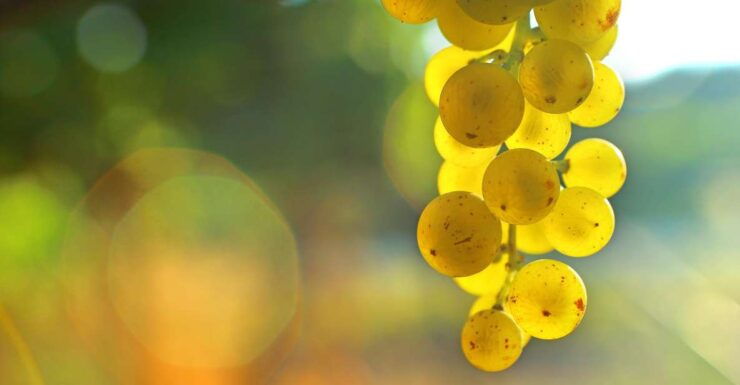
Nestled in the heart of Bordeaux, the unique terroir of the Sauternes region boasts a captivating blend of geography and climate that sets the stage for the creation of its renowned sweet wines.
The production methods of Sauternes wine are truly exceptional. The key ingredient is the botrytis cinerea fungus, also known as noble rot, which affects the grapes and concentrates their sugars. This natural phenomenon, combined with the misty mornings and warm afternoons of the region, creates the perfect conditions for the development of the luscious flavors and aromas that Sauternes wines are known for.
Plus, Sauternes wines have an incredible aging potential. Thanks to their high sugar content and acidity, these wines can evolve over time, gaining complexity and depth. Some Sauternes wines can age for several decades, becoming even more exquisite as they mature.
The combination of the unique terroir and the production methods of Sauternes wine make it a truly extraordinary and timeless delicacy.
The Process of Producing Sauternes Wine
In the production of Sauternes wine, a meticulous and artful process unfolds, resulting in the creation of a truly exceptional and revered sweet wine. The process begins with the selection of grapes, primarily Semillon, Sauvignon Blanc, and Muscadelle, which are left on the vine to ripen until they are affected by noble rot, a beneficial fungus called Botrytis cinerea. This fungus dehydrates the grapes, concentrating their sugars and flavors. The grapes are then carefully harvested by hand, often requiring multiple passes through the vineyard to select only the botrytized grapes. Fermentation takes place in oak barrels, where the wine develops its unique flavors and complexity. The final product is a rich and luscious wine with notes of honey, apricot, and caramel. Not only is Sauternes wine a delight to the senses, but it also offers health benefits, thanks to its antioxidant properties. However, climate change poses a significant threat to Sauternes wine production. Rising temperatures and unpredictable weather patterns can disrupt the development of noble rot and affect the quality of the grapes. Winemakers are adapting by implementing new vineyard management techniques and experimenting with different grape varieties. Despite these challenges, Sauternes wine continues to be a symbol of elegance and decadence, captivating wine enthusiasts around the world.
| The Process of Producing Sauternes Wine | ||
|---|---|---|
| 1. Grape selection | 2. Noble rot | 3. Hand harvesting |
| 4. Fermentation | 5. Aging in oak barrels |
The Characteristics of Sauternes Wine
Renowned for its luscious sweetness and decadent flavors, Sauternes wine captivates the palate with its rich complexity and exquisite balance. But beyond its delectable taste, Sauternes wine also offers some surprising health benefits.
Packed with antioxidants, this sweet elixir can help boost the immune system and protect against oxidative stress. Plus, studies have shown that moderate consumption of Sauternes wine may be beneficial for cardiovascular health, as it can help lower cholesterol levels and improve blood circulation.
Another noteworthy characteristic of Sauternes wine is its remarkable aging potential. Thanks to its high sugar content and the presence of botrytis cinerea, a noble rot that concentrates the flavors, Sauternes wine can age gracefully for decades, developing even more complexity and depth of flavor over time.
More Great Tours NearbyThe Best Food Pairings for Sauternes Wine
To truly elevate the tasting experience of Sauternes wine, exploring the best food pairings is essential.
When it comes to Sauternes wine and cheese pairings, the richness and complexity of the wine call for equally decadent and flavorful cheeses. Consider pairing Sauternes with creamy blue cheeses like Roquefort or Gorgonzola, as the sweetness of the wine complements the sharpness of the cheese. Plus, aged cheddar or nutty Gruyère can also be excellent choices.
Another classic pairing is Sauternes wine and foie gras. The luscious and buttery texture of foie gras pairs perfectly with the honeyed sweetness of Sauternes, creating a harmonious balance of flavors.
Whether you’re enjoying a cheese platter or indulging in foie gras, these food pairings will enhance the taste and experience of Sauternes wine.





The Top Sauternes Wine Producers
Some of the most distinguished producers of Sauternes wine are renowned for their exquisite craftsmanship and dedication to producing the highest quality sweet wines. These winemakers understand the importance of the aging process in creating the complex flavors and aromas that Sauternes wines are known for.
Sauternes wines are aged in oak barrels, allowing them to develop rich, honeyed characteristics over time. The cultural significance of Sauternes wine can’t be overstated. It’s often associated with special occasions and celebrations, and is considered a true luxury in the world of wine.
The sweet, luscious flavors of Sauternes pair beautifully with desserts and cheeses, making it a popular choice for wine enthusiasts around the globe. Whether enjoyed on its own or paired with food, Sauternes wine offers a sensory experience that’s truly unforgettable.
Where to Buy and Taste Sauternes Wine
When you’re ready to embark on a journey to discover the exquisite flavors of Sauternes wine, there are several options available for where to buy and taste this luxurious and renowned sweet wine.
Sauternes Wine Festivals:
Attending Sauternes wine festivals is a fantastic way to learn about the culture and taste a wide range of Sauternes wines. These festivals often feature tastings, vineyard tours, and opportunities to meet the winemakers themselves. Some popular festivals include the Sauternes Jazz Festival and the Fête du Vin de Sauternes.Sauternes Wine Tourism:
Many wineries in the Sauternes region offer tours and tastings, allowing visitors to learn about the winemaking process and sample their delicious wines. Some notable wineries to visit include Château d’Yquem, Château Suduiraut, and Château Guiraud. Plus, there are wine tour companies that can arrange visits to multiple wineries, providing a comprehensive Sauternes wine experience.
Whether you choose to explore the wine festivals or embark on a Sauternes wine tour, you’ll surely be captivated by the rich history, stunning vineyards, and, of course, the extraordinary flavors of Sauternes wine.
Common Questions
Can I Cancel My Reservation for the Sauternes Wine Tour and Get a Full Refund?
Yes, visitors can cancel their reservation for the Sauternes wine tour and receive a full refund. The cancellation policy allows for free cancellation up to 24 hours in advance. Refunds are processed promptly.
How Long Does the Sauternes Wine Tour Last?
The sauternes wine tour lasts for 8 hours. Visitors will have the opportunity to savor the famous white sweet wine from Sauternes and explore the 11th-century abbey. The itinerary includes visits to a winery and high-end craftsmen.
Do I Need to Pay for the Sauternes Wine Tour at the Time of Booking, or Can I Pay Later?
Visitors can enjoy payment flexibility for the Sauternes wine tour, as they have the option to reserve now and pay later. They can also check the availability of the tour before making their booking.
Will the Sauternes Wine Tour Still Take Place if It Rains?
The Sauternes wine tour will still take place rain or shine. In case of rainy weather, alternative indoor activities will be provided. The best time to visit Sauternes is during the harvest season in autumn.
Is Lunch Included in the Price of the Sauternes Wine Tour?
Yes, lunch is not included in the price of the Sauternes wine tour. Visitors can check availability for lunch options and should inform about any dietary restrictions when making the reservation.
The Sum Up
To sum it up, Sauternes is a truly exceptional wine that offers a journey through time and a taste of Bordeaux’s rich history and culture.
From its origins in Langon to the unique terroir that gives it its distinct flavor, Sauternes is a wine that captivates the hearts of wine enthusiasts worldwide.
Whether you’re savoring it with a decadent dessert or exploring the vineyards where it’s produced, Sauternes is an experience that immerses you in the enchanting world of this sweet wine from Bordeaux.
You can check availability for your dates here: More Great Tours Nearby