If you’re dreaming of Vietnam’s mountainous scenery combined with authentic cultural encounters, a trek through Sapa’s ethnic villages might just be your perfect day. This guided tour, offered by Motorbike Tour Sapa, provides an immersive experience of northern Vietnam’s diverse cultures and stunning landscapes—all for just $20 per person. While it’s a brief outing, it packs in a lot of highlights, making it a fantastic option for those short on time but eager to see the best of Sapa.
What makes this tour stand out? First, the knowledgeable local guides make all the difference—they bring stories and insights to life, enriching your understanding of the ethnic minorities. Second, the breathtaking rice terraces and mountain scenery leave a lasting impression. Third, the chance to visit traditional villages and museums offers a glimpse into local customs and crafts. The only potential consideration? The walk involves some challenging sections, so it’s best suited for those comfortable with a fair amount of walking.
This experience is ideal for travelers who want a balanced mix of scenic beauty and cultural education without breaking the bank. If you enjoy authentic, guided outdoor adventures and are happy to walk on uneven terrain, you’re likely to find this trek both fun and rewarding.
- Good To Know
- Discovering the Beauty of Sapa’s Landscapes
- Exploring Traditional Villages and Local Life
- The Walking Route and Scenic Highlights
- Authentic Cultural Encounters and Learning
- Logistics, Value, and Practical Tips
- Final Thoughts: Is This Tour Right for You?
- Frequently Asked Questions
- The Best Of Ta Van!
- More Hiking & Trekking Tours in Ta Van
- More Tour Reviews in Ta Van
- Not for you? Here's more nearby things to do in Ta Van we have reviewed
Good To Know
- Affordable price of $20 makes this an accessible cultural day out.
- Guided by local experts who passionately share insights about ethnic minorities.
- Stunning vistas of rice terraces, mountains, and traditional villages.
- Educational visits to the Hmong Museum and ethnic villages deepen cultural understanding.
- Active but manageable walking suited for most travelers in reasonably good shape.
- Authentic local lunch at a family-run Hmong restaurant enhances the experience.

👉 See our pick of the 2 Best City Tours In Ta Van
Discovering the Beauty of Sapa’s Landscapes
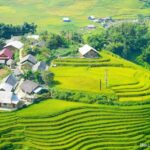
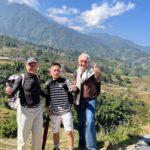
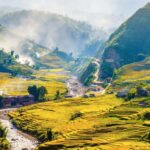
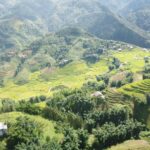
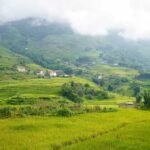
The tour kicks off with a convenient pickup from your hotel in Sapa Town or in front of the main church—making logistics straightforward. Once on your way, your guide will introduce the plan for the day, setting a friendly and informative tone. The first stop is Y Linh Ho, where the views of rice terraces and mountain peaks immediately captivate. We loved the way the terraces cascade down the hillsides, creating a patchwork of green that seems to stretch forever. These terraces are among the most impressive in Vietnam, and being able to walk right through them really makes the scenery feel tangible.
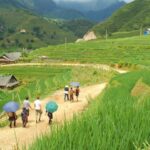
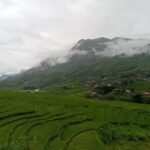
Your walk from Sapa to Y Linh Ho involves some gentle slopes, but also sections that require a bit more footing, so wearing comfortable, sturdy shoes is essential. The group size is typically small, allowing for personalized attention and plenty of time for questions. As you continue along the main road down to the rice paddies, you’ll notice how traditional farming methods are still very much part of daily life here. The views from the top of Hoang Lien Son mountain are a highlight, offering a sweeping panorama of lush fields and rugged peaks.
You can also read our reviews of more hiking tours in Ta Van
Exploring Traditional Villages and Local Life
The next stop is Lao Chai, where a hearty lunch at a family-run Hmong restaurant awaits. The meal is simple but hearty—think rice, vegetables, and possibly some local grilled meats—giving you a taste of home-cooked Vietnamese cuisine. Reviewers have pointed out how this interaction with local families makes the experience so much more authentic, and the warm hospitality leaves a lasting impression. Charlotte remarked, “We learned a lot about the ethnic minorities in Sapa, and had some great conversations,” highlighting just how engaging this part of the tour can be.
Post-lunch, a visit to the Hmong Museum adds an educational layer, showcasing traditional clothing, crafts, and textiles. It’s a relaxing spot to absorb some local history without the crowds, and guides often share fascinating details about indigo dyeing, hemp weaving, and traditional costumes. Several travelers, including Thea, have praised guides like Binh for being friendly, knowledgeable, and attentive, which makes a big difference when navigating tricky walking sections or answering curious questions.
The final village stop is Ta Van, home to the Giay minority. Here, you can observe differences in dress, language, and customs compared to the Hmong communities you’ve visited earlier. Meeting the locals and learning about their way of life offers a genuine window into Vietnam’s ethnic diversity.
The Walking Route and Scenic Highlights
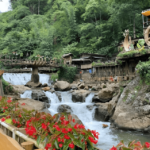
The route incorporates crossing the iconic hanging bridge of the Muong Hoa River—a fun photo opportunity and a chance to experience local infrastructure. The bridge, swaying gently, connects different villages and adds a touch of adventure to the trek. The walk through rice paddies and narrow pathways immerses you in the rural lifestyle, with many reviewers noting how the views and microcosm of village life make the journey special.
While the overall walk is manageable, some sections can be muddy or uneven, especially after rain. As Charlotte mentioned, the guide’s attentiveness and tips helped her navigate tricky spots confidently. Expect some uphill stretches and longer stretches of flat walking, so come prepared with good shoes, water, and sunscreen.
Authentic Cultural Encounters and Learning
One of the tour’s strengths is the opportunity to meet and learn directly from ethnic minorities. The local guides, often from the communities themselves, share stories about traditions, textiles, and daily routines. For example, the guides’ knowledge about traditional Hmong clothes, indigo, and hemp crafts was highly appreciated by reviews. The guides actively ensure the group’s safety and comfort, which is essential when walking through rugged terrain.
The visit to Ta Van provides insight into how different groups coexist in this mountainous area. The contrast between the lush rice terraces, rustic houses, and local customs makes the tour a well-rounded cultural experience. Reviewers like GetYourGuide traveler emphasized that their guide was “friendly, funny, culturally knowledgeable,” making the journey both educational and enjoyable.
More Great Tours NearbyLogistics, Value, and Practical Tips
The tour includes all trekking fees, transportation back to Sapa, and a delicious local lunch, making the price of $20 a very good deal. The small-group format ensures a more personal experience, with guides taking the time to answer questions and share stories. The tour is designed to be flexible, with options to book now and pay later, providing peace of mind in planning.
The trip lasts roughly a full day, with pickup and drop-off times tailored for convenience. The walking involves some challenging spots, so comfortable shoes and water are must-haves. Sunscreen, a hat, and a camera are also highly recommended to capture the views and stay protected. The tour isn’t suitable for people with mobility issues, back problems, or wheelchair users, due to the uneven terrain and walking demands.


Final Thoughts: Is This Tour Right for You?
This Sapa trek offers an affordable, immersive look into northern Vietnam’s ethnic villages and rice terraces. It’s perfect for travelers eager to see stunning landscape vistas, learn about local cultures, and enjoy genuine interactions with villagers. The knowledgeable guides, especially those like Binh, go beyond sightseeing—they make the experience engaging and memorable.
If you’re comfortable walking on uneven terrain and want a balanced mix of scenic views and cultural insights, this tour will likely exceed your expectations. It’s a great way to connect with local communities, see some of Vietnam’s most famous rice terraces, and gain a deeper appreciation for the region’s diversity—all without spending a fortune.
For those who prefer a more leisurely pace or have mobility challenges, some sections may be less accessible. But for most active travelers wanting an authentic, small-group adventure, this walk provides a meaningful glimpse into Sapa’s extraordinary landscape and people.
Frequently Asked Questions
Is this tour suitable for all ages? The tour involves a lot of walking and uneven terrain, so it’s best suited for those who are physically comfortable with moderate activity. It’s not recommended for very young children or mobility-impaired travelers.
What should I bring? Comfortable shoes, a hat, water, sunscreen, and a camera are essential. Be prepared for potentially muddy sections, especially if it rains.
How long does the tour last? The entire trip takes around a full day, including pick-up, travel, sightseeing, and return to Sapa.
Are meals included? Yes, you’ll enjoy a traditional lunch at a local Hmong family’s restaurant, which highlights local flavors and hospitality.
Can I book this tour last minute? Yes, you can reserve your spot with the option to pay later, offering flexibility for last-minute plans.
Is the tour eco-friendly? The tour fee covers trekking, but travelers are asked to refrain from littering and respect local environments and communities.
What if I have dietary restrictions? The provided lunch is simple and traditional, so if you have specific dietary needs, it’s best to communicate with the guide beforehand.
In summary, this guided trek through Sapa’s ethnic villages offers a genuine, scenic, and affordable way to experience the region’s remarkable landscapes and diverse cultures. With friendly guides, authentic interactions, and breathtaking views, it’s an experience that’s worth considering for your northern Vietnam adventure.
You can check availability for your dates here: More Great Tours Nearby