In the terraced fields of Nepal, the symphony of monsoon rains orchestrates a timeless ritual – the planting of rice. This age-old tradition not only sustains the Nepalese population but also weaves a tapestry of cultural significance and agricultural heritage.
As the sun-kissed valleys beckon, inviting curious minds to witness the intricate dance between farmers and the land, a journey into the heart of paddy planting in Nepal unveils a world where each grain sown carries the weight of a nation’s past and future.
- Good To Know
- Ideal Time for Rice Planting
- Importance of Paddy Plantation
- Step-by-Step Planting Process
- Cultural Festivities Around Planting
- Benefits of Monsoon Visits
- Live With Local Farmers
- Hands-On Farming Experience
- Deep Dive Into Nepalese Agriculture
- Common Questions
- What Traditional Rituals or Customs Are Associated With Rice Planting in Nepal?
- How Do Local Farmers in Nepal Deal With Challenges Such as Pests and Diseases During the Planting Season?
- Are There Any Specific Tools or Techniques Used by Nepalese Farmers for Planting and Caring for Rice Crops?
- How Has Modern Technology and Innovation Influenced the Traditional Methods of Rice Planting in Nepal?
- What Are Some Lesser-Known Varieties of Rice That Are Grown in Nepal, and What Makes Them Unique Compared to More Common Types of Rice?
- The Sum Up
- The Best Of Nepal!
- More Tour Reviews in Nepal
- Not for you? Here's more nearby things to do in Nepal we have reviewed
Good To Know
- Monsoon season in Nepal is ideal for experiencing traditional paddy planting rituals.
- Engage in hands-on farming activities and learn about Nepalese agriculture.
- Paddy planting symbolizes prosperity, community unity, and cultural significance.
- Witness vibrant landscapes and lush greenery while living with local families.
👉 See our pick of the 7 Best Tours In Nepal
Ideal Time for Rice Planting
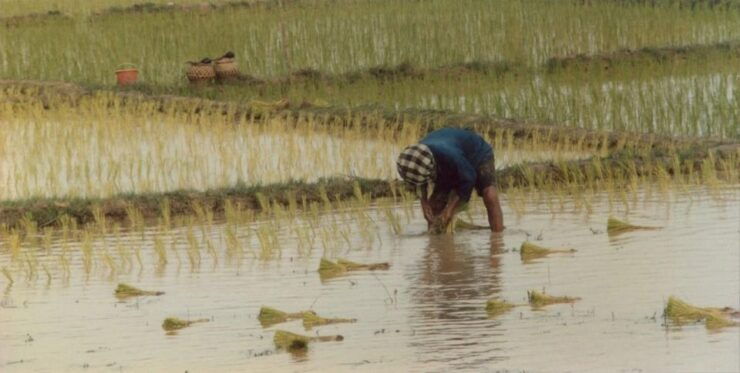
When is the best time to engage in the traditional practice of rice planting in Nepal’s lush landscapes during the monsoon season?
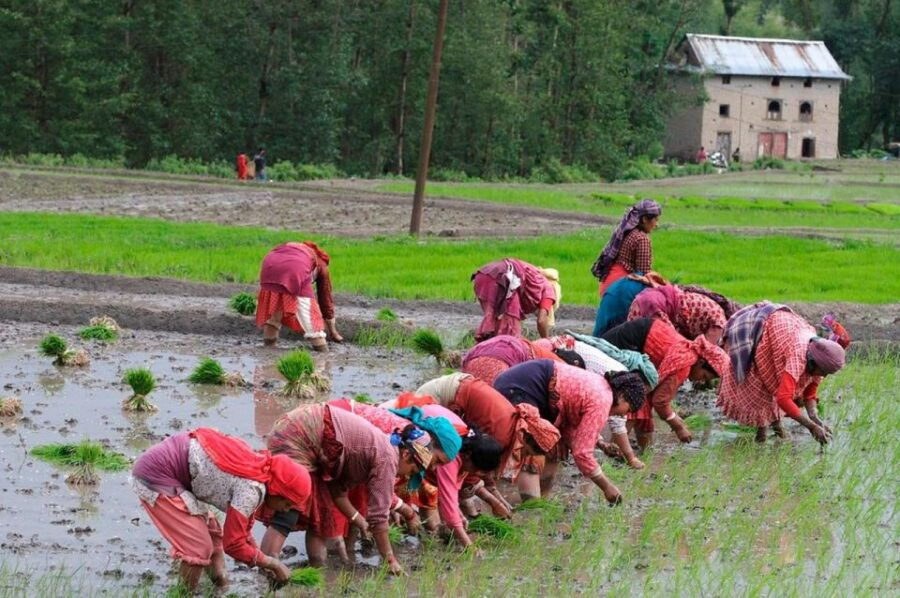
The ideal time for rice planting in Nepal falls during the monsoon season, typically between June and July. This period aligns with the onset of monsoon rains, creating optimal conditions for agricultural activities. Farmers in Nepal follow best practices and agricultural techniques passed down through generations to ensure a successful rice planting season.
Fields are meticulously plowed and leveled to prepare for the planting process. The monsoon rains provide the necessary moisture for the paddy seeds to germinate and grow. Plus, semi-grown paddy plants are carefully uprooted and replanted in a systematic manner, showcasing the intricate agricultural techniques employed during this crucial period.
You can also read our reviews of more tours and experiences in Nepal.


Importance of Paddy Plantation
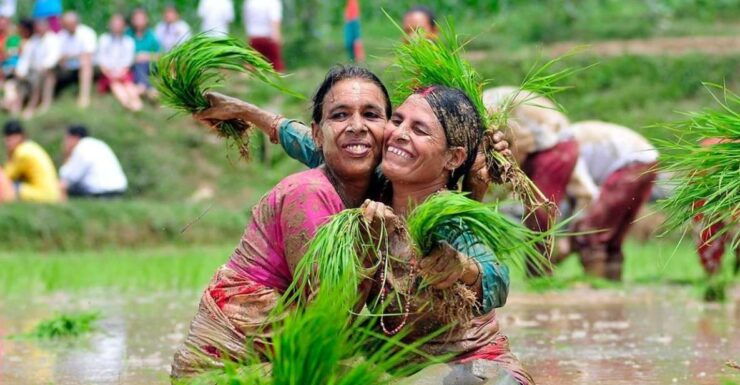
The traditional practice of paddy plantation in Nepal intricately weaves together cultural heritage with agricultural sustenance, forming a cornerstone of the nation’s identity and prosperity. Symbolic traditions and community celebration play a vital role in the significance of paddy planting:
- Cultural Heritage: Paddy plantation embodies centuries-old customs and rituals passed down through generations.
- Spirit of Unity: Community members come together to sow the seeds, fostering a sense of togetherness and cooperation.
- Fertility Symbolism: Planting paddy symbolizes fertility, abundance, and hopes for a bountiful harvest.
- Harvest Festivities: The planting process culminates in festive celebrations, marking the beginning of a new agricultural cycle.
Step-by-Step Planting Process
As the cultural festivities of Ropai Jatra fade into memory, the intricate step-by-step process of planting paddy emerges as a cornerstone of Nepal’s agricultural heritage.
The planting techniques begin with meticulous soil preparation, where fields are plowed and leveled to create an ideal planting environment. Water management is crucial during this process, as the monsoon rains provide the necessary moisture for the paddy seeds to germinate and grow.
As the paddy plants semi-grow, they’re carefully uprooted and replanted to ensure proper spacing for optimal growth. Finally, the harvesting methods are planned in conjunction with the planting process, culminating in a celebration of abundance and prosperity during festival times.
This detailed process showcases the deep connection between Nepalese communities and their agrarian roots.
Cultural Festivities Around Planting
Amidst the rhythmic sounds of traditional music and vibrant decorations, the community gathers to partake in joyous celebrations marking the cultural festivities surrounding the paddy planting season in Nepal. The air is filled with excitement as people engage in various traditional rituals and activities, strengthening their bonds and cultural heritage.
Here is a glimpse of the cultural festivities around planting:
- Traditional Dances: Colorful performances depicting stories of the harvest season.
- Community Feasts: Sharing delicious traditional dishes cooked with freshly harvested ingredients.
- Blessing Ceremonies: Seeking blessings from elders for a prosperous planting season.
- Decorative Processions: Parade through the village showcasing beautifully adorned oxen and farming tools.
Benefits of Monsoon Visits
In the midst of the monsoon season’s rejuvenating rains, visitors to Nepal enjoy the vibrant tapestry of authentic agricultural experiences and cultural traditions.
Monsoon exploration offers a unique opportunity to gain agricultural insights firsthand, witnessing the meticulous process of paddy planting and the nurturing of crops in the lush Nepalese landscapes.
Community immersion during this time allows visitors to engage in hands-on farming activities, experiencing the essence of traditional farming traditions. Interacting closely with local communities provides a deeper understanding of Nepal’s agrarian lifestyle, where the connection to the land and farming practices is profound.
The benefits of monsoon visits extend beyond just sightseeing, offering a rich and immersive experience into the heart of Nepalese culture and agriculture.


Live With Local Farmers
Enjoy the heart of Nepalese agricultural traditions by living with local farmers, gaining firsthand insights into their daily lives and practices.
Local Cuisine: Indulge in delicious traditional Nepalese dishes prepared with fresh ingredients sourced directly from the fields.
Traditional Music: Listen to the melodic tunes of local musicians, who often play traditional instruments during farming activities.
Community Gatherings: Join in on communal meals where you can taste authentic flavors and bond with the farming families.
Cultural Exchange: Engage in conversations with the locals to learn about their customs, beliefs, and the significance of rice planting in their lives.
Hands-On Farming Experience
Engage firsthand in the traditional art of rice planting alongside local farmers, enjoying the vibrant agricultural practices of Nepal.
Participate in interactive workshops where you learn the intricate techniques of planting paddy, from preparing the fields to nurturing the young seedlings.
This hands-on farming experience offers a deep dive into rural immersion, allowing you to feel the rich soil between your fingers and understand the labor-intensive process behind each grain of rice grown.
Interact closely with the local community as you partake in this essential aspect of Nepalese agriculture, gaining a newfound appreciation for the connection between the land, the people, and the age-old customs that shape their way of life.
Deep Dive Into Nepalese Agriculture
Venture into the heart of Nepalese agriculture to uncover the intricate tapestry of farming traditions deeply rooted in the country’s cultural fabric.
Traditional Practices: Nepalese agriculture is steeped in traditional practices passed down through generations.
Agricultural Heritage: The agricultural heritage of Nepal is a rich tapestry of customs and rituals that define the farming landscape.
Community Bond: Farming in Nepal fosters a strong sense of community and togetherness among villagers.
Harmony with Nature: Nepalese farmers have a deep respect for nature, harmonizing their agricultural activities with the environment.
Common Questions
What Traditional Rituals or Customs Are Associated With Rice Planting in Nepal?
In Nepal, traditional rituals and customs associated with rice planting hold deep cultural significance. Community celebrations and traditions during this time symbolize prosperity and abundance, fostering unity and embodying the country’s rich agricultural heritage.
How Do Local Farmers in Nepal Deal With Challenges Such as Pests and Diseases During the Planting Season?
Local farmers in Nepal tackle challenges like pests and diseases during the planting season by implementing pest management strategies through crop rotation. They prioritize disease prevention by following organic farming practices, ensuring a sustainable and healthy crop yield.
Are There Any Specific Tools or Techniques Used by Nepalese Farmers for Planting and Caring for Rice Crops?
When planting and caring for rice crops, Nepalese farmers utilize innovative planting techniques and efficient irrigation methods. They focus on meticulous soil preparation and careful seed selection to ensure a successful harvest amidst the challenges of the planting season.
How Has Modern Technology and Innovation Influenced the Traditional Methods of Rice Planting in Nepal?
Modern technology adoption has revolutionized traditional rice planting in Nepal. Innovations like mechanized plowing and automated irrigation enhance efficiency. Despite advancements, the essence of hands-on farming and community spirit remains integral to the rice cultivation process.
What Are Some Lesser-Known Varieties of Rice That Are Grown in Nepal, and What Makes Them Unique Compared to More Common Types of Rice?
When exploring lesser-known rice varieties in Nepal, one might uncover unique tastes and textures. These rice types hold cultural significance, often featured in festive celebrations. Their distinct flavor profiles provide a glimpse into the country’s rich culinary heritage.
The Sum Up
To sum it up, immersing oneself in the traditional rice planting practices of Nepal during the monsoon season offers a profound insight into the country’s agricultural heritage.
From the ideal timing for planting to the step-by-step process and cultural festivities surrounding the event, visitors can gain a deeper appreciation for the significance of agriculture in Nepalese society.
By participating in hands-on farming activities and living with local farmers, one can truly experience the beauty and importance of this ancient tradition.
You can check availability for your dates here: More Great Tours Nearby