
In the highlands of Peru, the ancient saying ‘building bridges, not walls’ takes a literal form in the form of Q’eswachaka, the Last Inca Bridge. This architectural wonder, crafted using traditional techniques passed down through generations, serves as a bridge not only between physical locations but also between the past and the present.
As visitors gaze upon this marvel suspended in time, they are left pondering the secrets of Andean technology and the enduring legacy of the Incas.
- Good To Know
- History of Q’eswachaka Bridge
- Cultural Significance and Preservation
- Traditional Construction Methods
- Inca Technology and Innovation
- Annual Restoration Process
- Modern-Day Experience at Q’eswachaka
- Common Questions
- Are Visitors Allowed to Walk on the Q’eswachaka Bridge During the Annual Restoration Process?
- How Long Does It Take for the Q’eswachaka Bridge to Be Fully Restored Each Year?
- Are There Any Specific Rituals or Ceremonies Performed During the Annual Restoration of the Bridge?
- What Materials Are Used in the Construction of the Q’eswachaka Bridge Besides Plant Fibers?
- How Has the Modern-Day Tourism Industry Impacted the Preservation Efforts of the Q’eswachaka Bridge?
- The Sum Up
Good To Know
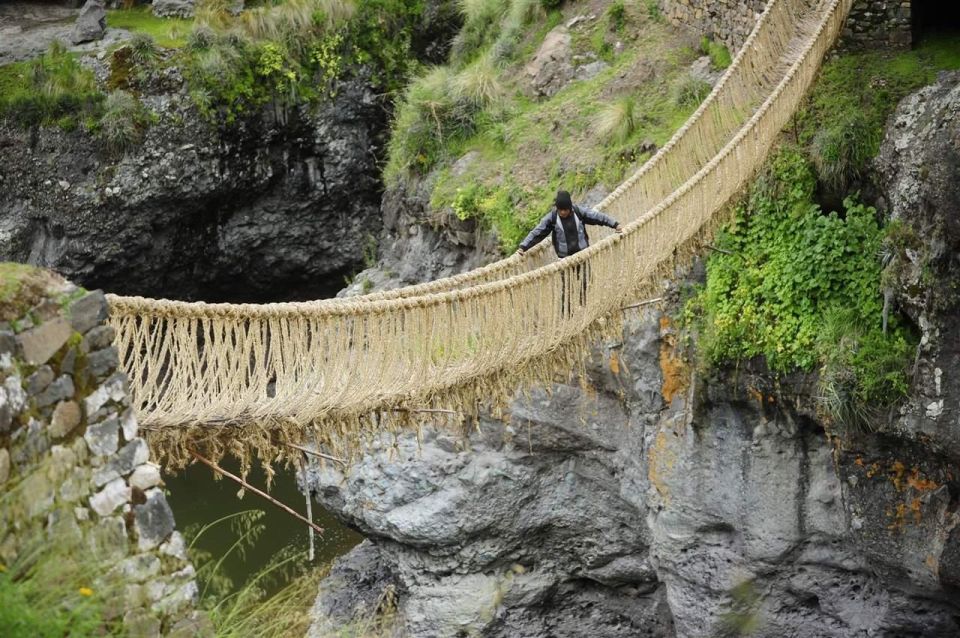
- Q’eswachaka Bridge is a testament to Inca heritage and ancient engineering.
- Built with traditional Inca techniques using durable qoya plant fibers.
- Annual restoration process involves local communities and honors ancestral traditions.
- Symbolizes cultural practices and serves as a physical link between communities.
History of Q’eswachaka Bridge
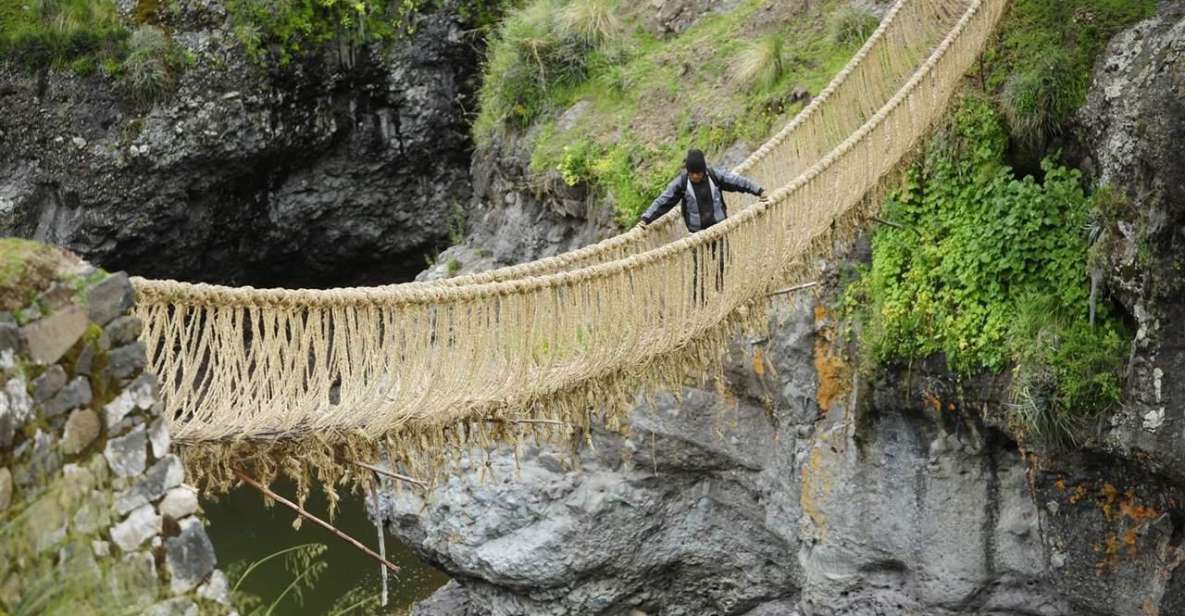
Located in the Andes Mountains of Peru, the history of the Q’eswachaka Bridge dates back to the Inca era, standing as a testament to ancient engineering and cultural significance.
This bridge, part of the cultural heritage of the region, was originally constructed using traditional Inca techniques and materials, showcasing the historical significance of Inca infrastructure.
The Q’eswachaka Bridge not only served as a vital link between communities but also symbolized the advanced engineering capabilities of the Inca civilization. Its construction with plant fibers like qoya highlights the innovative approach of the Incas towards infrastructure development.
The annual restoration process, involving local families, not only preserves this historical structure but also honors the ancestral traditions and craftsmanship that have been passed down through generations.
Cultural Significance and Preservation
Culturally significant for its historical ties and traditional construction methods, the Q’eswachaka Bridge stands as a testament to the enduring heritage of the Inca civilization. The bridge not only serves as a physical link between communities but also symbolizes the cultural practices and conservation efforts crucial for preserving the rich Inca legacy.
| Cultural Practices | Conservation Efforts |
|---|---|
| Annual bridge construction involving local communities | Restoration using traditional Inca techniques |
| Rituals and ceremonies during the rebuilding process | Utilization of resistant plant fibers for sustainability |
| Family participation in the maintenance of ancestral traditions | Ongoing efforts to safeguard and promote Inca heritage |
Traditional Construction Methods
Using ancient weaving techniques passed down through generations, the Q’eswachaka Bridge is meticulously crafted with durable plant fibers, showcasing the ingenuity and skill of Inca engineering.
Sustainable practices are employed to ensure the longevity of the bridge.
Indigenous traditions dictate the construction methods used.
Plant fibers like qoya are meticulously woven to create a strong structure.
Every year, the bridge is rebuilt using traditional techniques by local communities.
The involvement of families in the construction process strengthens cultural ties and ensures the preservation of ancestral knowledge.
Inca Technology and Innovation
Demonstrating remarkable ingenuity and engineering prowess, the Inca civilization showcased advanced technological innovations in various aspects of their society.
Inca engineering was particularly notable for its sophisticated agricultural terraces, irrigation systems, and road networks. The Incas implemented sustainable practices such as terrace farming, which minimized soil erosion and maximized crop yields in the challenging Andean terrain.
Their ability to adapt to the environment and utilize natural resources efficiently was a testament to their innovative spirit. In constructing structures like the Q’eswachaka bridge using plant fibers like qoya, the Incas displayed a deep understanding of materials and their properties.
This blend of practicality, sustainability, and ingenuity in their technological advancements set the Inca civilization apart as masters of engineering in their time.
More Great Tours NearbyAnnual Restoration Process
The annual restoration process of Q’eswachaka, the last living Inca bridge, showcases a meticulous preservation effort steeped in tradition and craftsmanship. Traditional techniques are employed, and community involvement plays a crucial role in maintaining this ancient structure.
Key aspects of the annual restoration process include:
- Gathering of local communities to work collectively on the bridge.
- Implementation of ancestral knowledge passed down through generations.
- Use of natural materials like plant fibers, such as qoya, for construction.
- Rituals and ceremonies honoring Inca traditions during the restoration.
- Training younger generations in the intricate skills required for bridge maintenance.
This collaborative effort ensures the continuity of the bridge’s cultural significance and historical importance in preserving Inca heritage.
Modern-Day Experience at Q’eswachaka
Set out on a captivating journey at Q’eswachaka, where visitors explore the modern-day experience of the last living Inca bridge. The experience offers a unique opportunity for culture, with community involvement playing a significant role.
Modern conservation techniques are showcased, highlighting the historical legacy of this iconic structure. Visitors can witness firsthand the annual restoration process, where traditional methods are employed to maintain the bridge, made with resilient plant fibers like qoya.
Family participation in the construction process adds a personal touch to the visit, emphasizing the bridge’s cultural significance in preserving Inca heritage. This immersive experience not only educates about Inca culture and rituals but also provides insights into the ongoing efforts to protect and celebrate this remarkable piece of history.
Common Questions
Are Visitors Allowed to Walk on the Q’eswachaka Bridge During the Annual Restoration Process?
Visitors cannot walk on the Q’eswachaka bridge during the annual restoration process. This limitation ensures preservation efforts and respects cultural heritage. Sustainable tourism practices are in place to safeguard the bridge’s integrity and significance to Andean communities.
How Long Does It Take for the Q’eswachaka Bridge to Be Fully Restored Each Year?
It typically takes around three days to fully restore the Q’eswachaka bridge annually. This restoration timeline showcases the dedication to preserving cultural significance and traditional Inca engineering techniques. The process involves meticulous maintenance and family collaboration.
Are There Any Specific Rituals or Ceremonies Performed During the Annual Restoration of the Bridge?
During the annual restoration of the Inca bridge, Q’eswachaka, indigenous communities perform cultural rituals to bless the process. These ceremonies honor traditions and bridge maintenance, showcasing the preservation practices deeply rooted in Inca heritage and ancestral connections.
What Materials Are Used in the Construction of the Q’eswachaka Bridge Besides Plant Fibers?
Natural fibers such as qoya are utilized in the construction of the Q’eswachaka bridge, alongside traditional engineering techniques. This blend of materials and methods reflects the historical significance and cultural traditions preserved through the annual restoration process.
How Has the Modern-Day Tourism Industry Impacted the Preservation Efforts of the Q’eswachaka Bridge?
Tourism has significantly impacted preservation efforts for the Q’eswachaka bridge. While boosting awareness, it also poses challenges like increased foot traffic. Community involvement is key to balancing conservation and cultural significance amidst growing tourist interest.
The Sum Up
Set out on a journey to Q’eswachaka and witness the marvel of Inca engineering firsthand. This living relic not only bridges communities but also bridges the gap between the past and present, showcasing the rich cultural heritage of the Andean people.
With its annual restoration process, traditional construction methods, and immersive experiences, Q’eswachaka stands as a testament to the ingenuity and craftsmanship of the Inca civilization. Come explore this architectural wonder and unlock the mysteries of Andean technology.
You can check availability for your dates here: More Great Tours Nearby