
Exploring Fukuoka through this private tour offers a genuine glimpse into its centuries-old traditions, from intricate Hakata dolls to lively summer festivals. While it’s a well-rounded cultural experience, be prepared for some walking and a cash outlay for certain activities. This tour is ideal for those eager to deepen their understanding of Fukuoka’s unique heritage without sacrificing comfort or authenticity.
What makes this experience stand out? First, the chance to paint your own Hakata doll—a rare, hands-on craft that leaves you with a tangible souvenir. Second, the tour’s focus on Yamakasa festival traditions, which are deeply woven into Fukuoka’s identity. Lastly, the visit to Shofukuji Temple, Japan’s first Zen temple, offers a tranquil break amid the busy day. The only possible drawback? It’s a fair bit of walking, so comfy shoes are a must. This tour suits travelers who love culture, craftsmanship, and history, all wrapped into one memorable half-day adventure.
Good To Know
.jpg)
.jpg)
.jpg)
.jpg)
- Authentic Cultural Experiences: Painting a Hakata doll and learning about local festival floats.
- Historical Depth: Visits to ancient temples and shrines, including Japan’s first Zen temple.
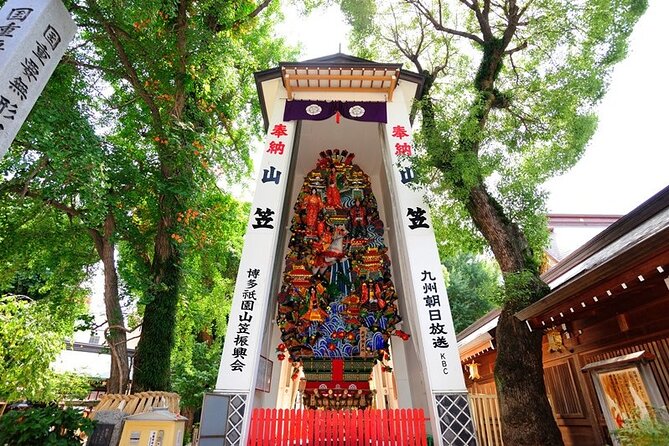
- Local Festivals: Insight into Fukuoka’s famous Yamakasa summer festival, with detailed explanations of its floats.
- Convenient Private Tour: Guided by a knowledgeable local, with a flexible, personalized approach.
- Value for Money: At around $114 per person for 5.5 hours, it offers a lot of genuine cultural insight.
- Cash Requirement: Prepare approximately 5,000 yen for some activities, meals, and souvenirs.
An In-Depth Look at the Fukuoka Cultural Tour
This private tour presents a well-balanced mix of craft, history, and festival insights, all wrapped into a 5.5-hour journey across Fukuoka’s most meaningful sites. What makes it appealing is its focus on authentic, tangible experiences that connect you directly to the city’s traditions.
Starting Point: Hotel Okura Fukuoka
The tour kicks off conveniently at Hotel Okura—close to public transportation, so getting there is straightforward. From the outset, the guide sets a relaxed tone, ready to share stories and answer questions about Fukuoka’s past and present.
Hakata Dolls: Tiny Masterpieces
The highlight for many participants is the painting of a Hakata doll. These dolls have been a part of Fukuoka’s cultural landscape for over 400 years, characterized by their vibrant colors and detailed craftsmanship. The guide, often a local artisan or knowledgeable guide, walks you through the history—explaining how these dolls symbolize good luck and bring a festive spirit.
The chance to create your own adds a personal touch to the experience, making it a memorable souvenir that’s more than just a photo. Reviewers have noted that the process is surprisingly accessible, even for those without prior art experience.
Exploring Yamakasa and Kushida Shrine
Next, the tour takes you to Kushida Shrine, the traditional starting point of the Kaki-yamakasa floats used in the lively summer festival. Here, you’ll learn about the Yamakasa festival’s 300-year history, with its elaborately decorated floats, often featuring massive Hakata dolls crafted with precision.
Both types of floats—kazari-yamakasa (decorative floats) and kaki-yamakasa (carried racing floats)—are explained in detail. You’ll see how master artisans meticulously craft these floats, which are a feast for the eyes and a testament to local craftsmanship.
For those who’ve read reviews, the guide’s passion is evident: “It’s incredible how much history and artistry go into these floats,” one visitor shared. The visit to Kushida Shrine is also an opportunity to soak in a moment of peaceful reflection amidst the festival buzz.
Shofukuji Temple: Japan’s First Zen Temple
A surprising element of the tour is its inclusion of Shofukuji Temple, founded by the Zen monk Eisai, who brought tea seeds from China—an act that kickstarted Japan’s tea culture. The temple’s historical significance is matched by its peaceful atmosphere, offering the perfect spot for a tea break.
Here, you’ll enjoy Japanese tea and traditional sweets at a cozy tea café, a highlight for many looking to pause and absorb the atmosphere. The review comments highlight how this moment provides a genuine taste of local life, beyond just sightseeing.
Practical Details and Tips
While the experiences are enriching, travelers should note that there’s a fair bit of walking involved. Wearing comfortable shoes and clothing ensures you stay comfortable throughout. If rain is forecasted, packing rain gear is advisable, as the outdoor festival float viewing can be affected by weather.
The tour’s cost of about $114.34 for 5.5 hours includes a private guide and all expenses related to the guide. However, it’s important to carry around 5,000 yen in cash for the activity fees, food, and souvenirs—something many previous participants appreciated in their reviews.
Who Will Love This Tour?
This experience is a fantastic choice for travelers eager to explore Fukuoka’s craftsmanship, history, and traditions firsthand. It’s ideal for those who enjoy interactive activities, like painting and tasting traditional sweets, and for visitors who want a more personal, guided insight into local culture.
It’s also suitable for travelers who are comfortable walking moderately and don’t mind some cash-based expenses. If you’re seeking a deep, meaningful connection to Fukuoka’s past and present, this tour offers a well-rounded, engaging way to do so.
Final Thoughts: Is This Tour Worth It?
In terms of value, this tour stands out. For around $114, you get nearly six hours of expert-guided, culturally immersive activities that you simply can’t replicate alone. The personalized touch and focus on authentic crafts and festivals mean you leave with more than just photos—you’ll take home stories, souvenirs, and a new appreciation for Fukuoka’s unique character.
The inclusion of a visit to Japan’s first Zen temple and the opportunity to paint a Hakata doll are truly memorable. It’s a thoughtfully designed experience that balances education, participation, and relaxation.
While it’s not a sightseeing tour in the traditional sense, it offers a meaningful look into Fukuoka’s soul. Perfect for curious travelers who want more than just ticking off landmarks—this is a chance to see, learn, and touch the traditions that make Fukuoka special.
Private Tour-Experience the traditional culture of Fukuoka!
FAQ
Is this tour suitable for children?
Yes, the tour is generally suitable for most travelers, but children should be comfortable with walking and participating in hands-on activities like doll painting.
What should I wear?
Comfortable, weather-appropriate clothing and sturdy shoes are recommended, as there’s some walking involved.
How much cash should I prepare?
Bring around 5,000 yen per person for activity fees, food, and souvenirs during the tour.
Where does the tour start and end?
It begins at Hotel Okura Fukuoka and ends at Hakata Station’s Chikushi Exit, making it easy to access public transportation afterward.
Is the tour private?
Yes, only your group will participate, providing a more personalized experience.
What is included in the price?
A private tour guide and expenses for the guide are included. Experiences, meals, and souvenirs cost extra.
How long is the tour?
Approximately 5 hours and 30 minutes, including travel and activities.
Are meals included?
No, but Japanese tea and sweets at the temple are provided as part of the experience.
Is it suitable for most travelers?
Most travelers can participate, but those with mobility issues should note the walking involved.
What if the weather is bad?
Bring rain gear, as some outdoor activities or views may be affected by weather conditions.
This Fukuoka cultural tour offers a genuine chance to connect with the city’s traditions, with enough flexibility and expert guidance to ensure it’s both fun and educational. Whether you’re a history buff, craft lover, or festival enthusiast, it promises a memorable peek into what makes Fukuoka distinct.