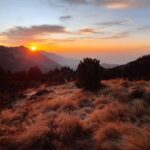
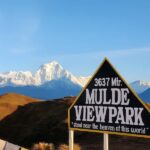
If you’re dreaming of a trek that goes beyond just climbing mountains and instead offers a window into local life, this Poon Hill Culture Trek might just be your perfect match. Offered by Mantra Mountain, this 4-day experience in Nepal combines scenic walking with meaningful cultural exchanges, staying in community-run homestays instead of standard teahouses. It’s an excellent choice for those wanting to experience the Himalayas with a slower, more authentic touch, especially if you’re interested in learning about the Magar and Gurung communities.
What makes this trek stand out? First, the opportunity to stay with local families, sharing meals and stories. Second, the chance to enjoy Poon Hill’s famous sunrise, but with added cultural insights that deepen the experience. Third, the trek emphasizes responsible tourism and community involvement, making your journey not just beautiful but impactful. The only caution? If you have mobility or respiratory issues, this slower-paced, cultural-focused trek might require some extra preparation. It’s best suited for beginners, families, and those eager to connect with Nepal’s rural traditions.
- Good To Know
- The Itinerary: A Step-by-Step Journey into Local Himalayan Life
- Day 1: From Pokhara to Birethanti and Ulleri
- Day 2: Ghorapani and Ghandruk – The Cultural Heart
- Day 3: Exploring Ghandruk and Local Life
- Day 4: Poon Hill Sunrise & Return
- Transportation, Group Size, and Practicalities
- What to Bring
- Authentic Experiences and Local Insights
- Is This Trek Right for You?
- The Sum Up
- FAQ
- More 4-Day Experiences in Ulleri
- More Hiking & Trekking Tours in Ulleri
- More Tour Reviews in Ulleri
- Not for you? Here's more nearby things to do in Ulleri we have reviewed
Good To Know
 1 / 6
1 / 6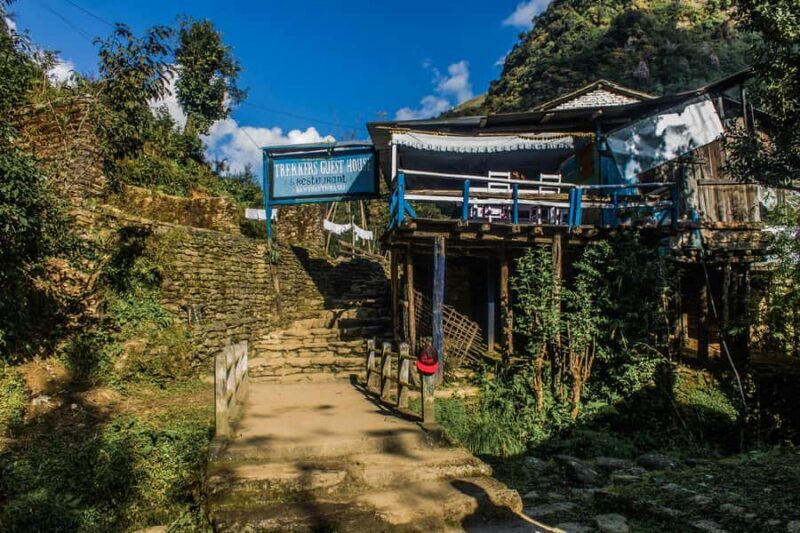 2 / 6
2 / 6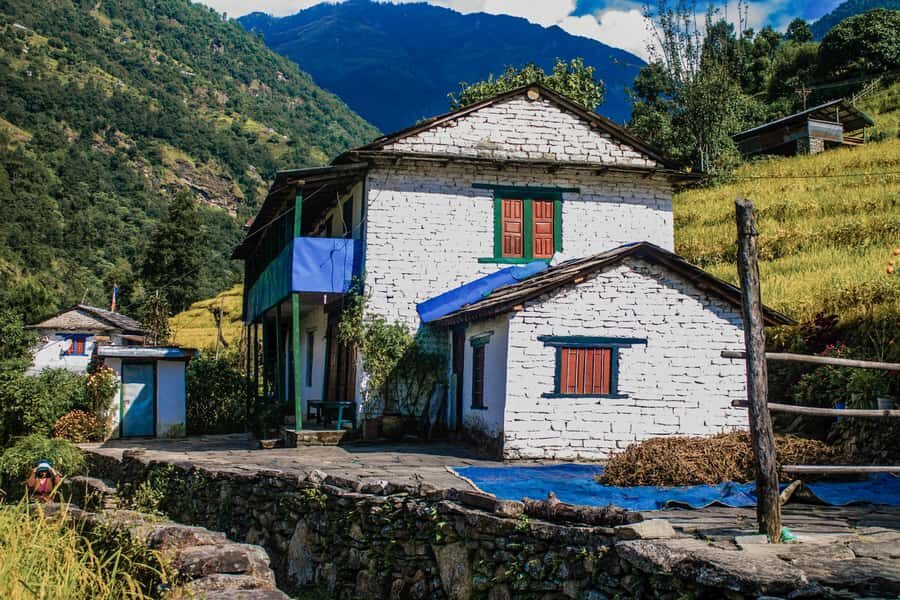 3 / 6
3 / 6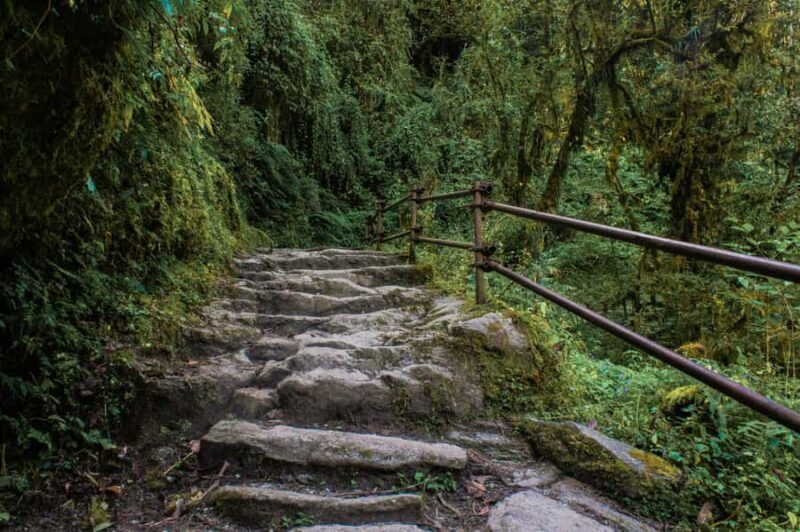 4 / 6
4 / 6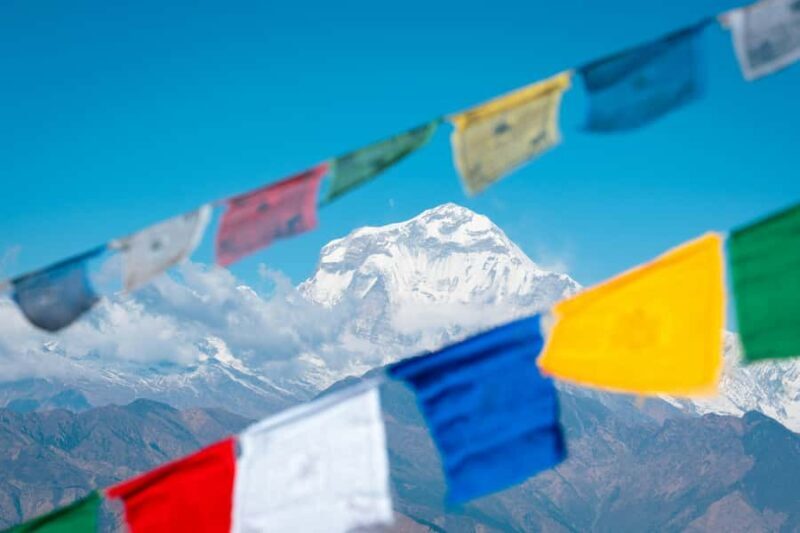 5 / 6
5 / 6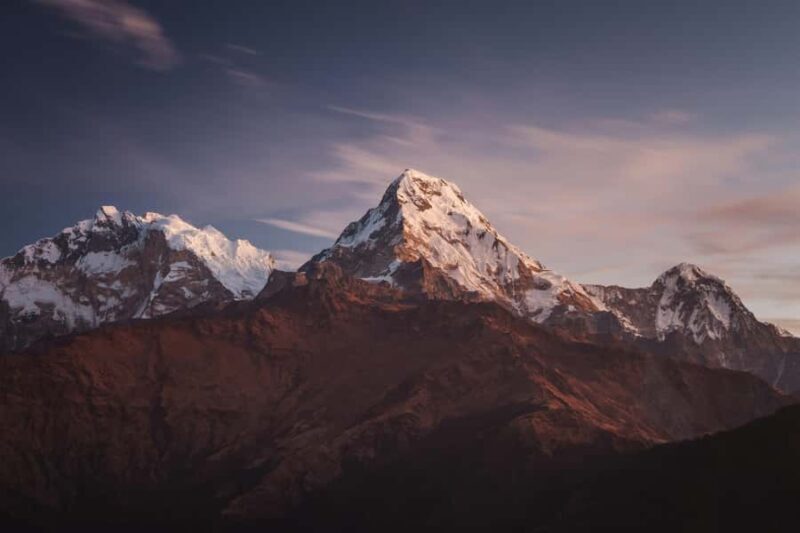 6 / 6
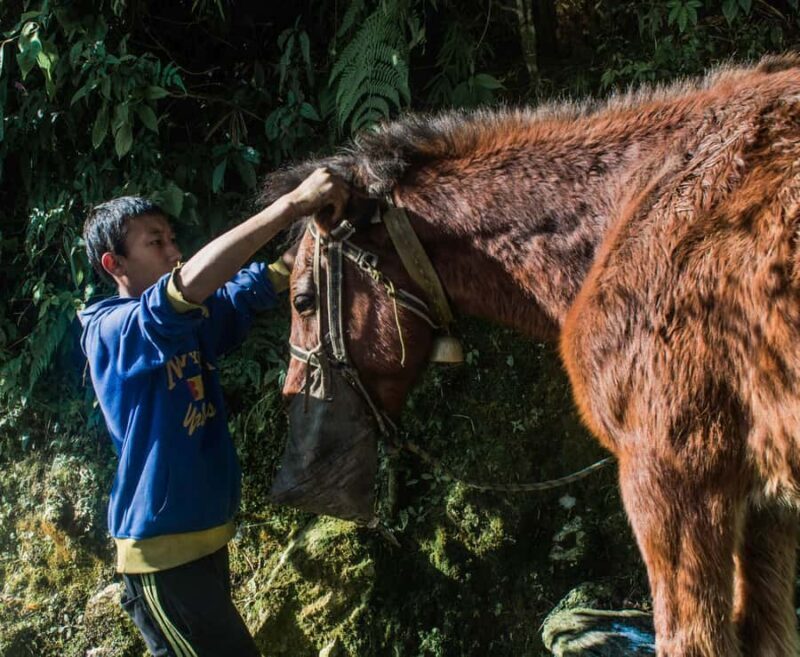
6 / 6- Authentic Homestays: Stay with local Magar and Gurung families, gaining insight into their daily lives and traditions.
- Cultural Focus: Learn about mountain communities, local farming practices, and heritage sites through guided explanations and storytelling.
- Scenic Routes: Walk through terraced fields, rhododendron forests, and historic trails, with fewer crowds than standard treks.
- Sunrise Experience: Witness the iconic view from Poon Hill at dawn, enhanced by cultural and spiritual stories.
- Responsible Tourism: The accommodation in community-run homes supports local economies and sustainable practices.
- Suitable for All: Designed for beginners and families seeking a cultural journey, not just a physical challenge.
The Itinerary: A Step-by-Step Journey into Local Himalayan Life
You can also read our reviews of more hiking tours in Ulleri
Day 1: From Pokhara to Birethanti and Ulleri
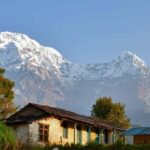
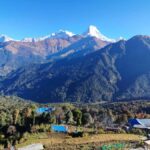
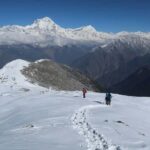
Your adventure kicks off with a scenic drive from Pokhara, typically in a jeep, to Birethanti. This initial stretch is quite relaxing, setting the tone for your slow-paced exploration. From here, you’ll walk through lush landscapes and terraced farmlands, watching local farmers tend their crops. As you ascend towards Ulleri, the scenery becomes more dramatic, with views of rolling hills and distant peaks. The highlight? Meeting your first host family and getting a taste of genuine Nepali hospitality.
While the drive is straightforward, the real magic begins on foot, as you step into a world where farming practices and village life are still very much alive. The reviews mention that the guides, like Santoshi or Ramesh, are excellent at translating conversations and explaining community customs, making these interactions more meaningful.
Day 2: Ghorapani and Ghandruk – The Cultural Heart
This day is about walking through rhododendron forests (if you’re trekking in season), ancient stone-paved trails, and visiting cultural sites like local monasteries and heritage houses. Your destination, Ghandruk, is a Gurung village famed for its traditional architecture and a museum showcasing Gurung culture. Here, you’ll often meet elders sharing stories about their warrior ancestors and explaining local legends. One reviewer mentioned how visiting the Gurung Museum added depth to their understanding of the community’s history.
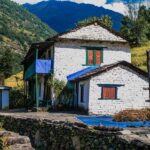
In terms of accommodations, you’ll stay in community-run homestays hosted by families eager to share their way of life. These stays are often praised for their cleanliness, warmth, and delicious home-cooked food. You’ll learn about traditional cooking techniques—think making dal bhat from scratch—and participate in storytelling sessions that deepen your appreciation of mountain life.
Day 3: Exploring Ghandruk and Local Life
Today, the focus shifts to more in-depth cultural interactions. You might visit local monasteries, participate in farm activities, or simply walk through the picturesque village streets, soaking in the rhythms of daily life. Guides are well-versed in explaining community lifestyles, including farming practices and local customs that are often overlooked in larger, commercial treks.
One quote from a previous trekker says, “The guides really made an effort to introduce us to local traditions, and staying with families meant we saw the genuine side of village life, not just touristy spots.” This is what makes this experience stand out—authenticity over spectacle.
More Great Tours NearbyDay 4: Poon Hill Sunrise & Return
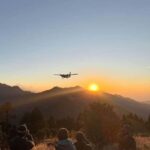
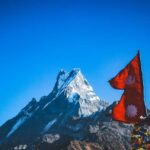
The iconic sunrise from Poon Hill remains a highlight—an experience many travelers cherish. However, this trek offers more than just the view; you’ll have time to listen to local legends and spiritual stories about the mountain range that surrounds you. The guide might share insights into the religious significance of the Annapurna range, adding a layer of understanding that few standard sunrise trips provide.
After soaking in the views and a hearty breakfast, you descend back toward Ghandruk and then continue to Birethanti for your transfer back to Pokhara. The descent is usually gentle, and the entire journey is crafted to ensure a relaxed pace, allowing for plenty of photo stops and cultural chats.
You can also read our reviews of more tours and experiences in Ulleri
Transportation, Group Size, and Practicalities
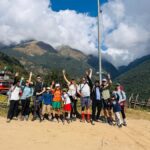
The tour begins with a scenic drive from Pokhara, typically in a shared vehicle—either a jeep or a cab—depending on the day’s availability. The group size tends to be small, often under 10 participants, which fosters a more intimate experience and easier interaction with local families and guides.
The average daily walking distance is manageable for beginners, with a focus on slow-paced exploration rather than strenuous ascents. The trek is suitable for families and cultural travelers, with the guide acting as both leader and translator, ensuring everything runs smoothly.
Price-wise, this experience offers strong value considering the cultural depth and authentic homestay accommodations. Instead of paying for standard teahouses, your contributions directly support local families and communities, making your trip both meaningful and sustainable.
What to Bring
Expect to pack comfortable shoes, warm clothing, weather-appropriate gear, and a reusable water bottle. The trek’s pace and terrain mean you’ll want reliable hiking footwear and layered clothing to adapt to changing mountain weather.
Authentic Experiences and Local Insights
Travelers who have completed this trek often highlight the personal stories shared by hosts—like a grandmother teaching traditional Nepali cooking or a village elder recounting local legends. Such interactions turn this into a cultural exchange rather than just a hike.
Many reviews mention the guides’ dedication—they’re not just navigation experts but cultural interpreters who explain traditions, farming practices, and community history in engaging ways. For instance, one reviewer wrote, “Our guide, Santoshi, was fantastic at translating conversations and making us feel like part of the community.”
The lesser-known cultural sites, such as small monasteries and heritage houses, add layers to the experience, making it more than just a scenic walk. Visiting these spots allows a genuine glimpse into the spiritual life that permeates Himalayan villages.
Is This Trek Right for You?
This experience appeals most to beginners, families, and those seeking a meaningful cultural journey. It’s designed for travelers interested in authentic interactions, community involvement, and responsible tourism. If your priority is a casual, relaxed trek that combines scenic beauty with cultural learning, this fits perfectly.
However, if you have mobility issues or respiratory problems, the slow pace and simple terrain might still be manageable, but you should discuss specific needs with the tour provider beforehand. The focus on culture means the physical demand is moderate, but the environment is rural and rustic.
The Sum Up
Ultimately, the Pokhara: Poon Hill Culture Trek & Village Homestays offers a well-balanced mix of stunning scenery, authentic village life, and responsible tourism. It’s a fantastic way to experience Nepal beyond the typical tourist routes, giving you a chance to connect deeply with local communities and their traditions.
Ideal for travelers craving a slow-paced, culturally rich adventure, this trek provides genuine hospitality, memorable stories, and a chance to see Nepal through the eyes of its mountain people. The combination of community homestays, scenic walks, and sunrise views creates a journey that’s both visually breathtaking and profoundly meaningful.
For those who want to walk away with more than just photos—a true sense of the people and places that make Nepal special—this experience is worth considering.
Pokhara: Poon Hill Culture Trek & Village Homestays (4-Day)
FAQ
What is the main focus of this trek?
This trek emphasizes culture, involving stays with local families and visits to heritage sites, providing a deeper understanding of mountain community life.
Are the accommodations comfortable?
Yes, the community-run homestays are appreciated for their warmth, cleanliness, and authentic atmosphere, offering a genuine Nepali experience.
Is this trek suitable for beginners?
Absolutely. The trek is slow-paced and designed for all levels, including families and first-time trekkers, with manageable walking distances and easy terrain.
How does responsible tourism play a role?
Staying in community-run homestays supports local economies and promotes sustainable practices, ensuring your visit benefits the communities you visit.
What should I pack?
Bring comfortable hiking shoes, warm clothing, weather-appropriate gear, and a reusable water bottle. Pack layers to handle changing mountain weather.
Does the tour include transportation?
Yes, the experience starts with a scenic drive from Pokhara and includes group transportation, usually in a shared vehicle, for transfers to and from the trekking starting point.
This 4-day trek beautifully combines the scenic wonder of Nepal’s mountains with the warm hospitality and stories of its villages. Whether you’re a culture seeker or just looking for a meaningful Himalayan adventure, this journey offers a genuine taste of rural Nepal that’s both rewarding and responsible.
You can check availability for your dates here: More Great Tours Nearby