Exploring the Annapurna Circuit with Tilicho Lake: A Practical Guide to Nepal’s Iconic Trek
Nepal’s Annapurna Circuit is often considered a bucket-list trek, and for good reason. This 16-day guided adventure offers a blend of stunning mountain vistas, high-altitude lakes, and traditional villages. While we haven’t done it ourselves, based on detailed reviews and itineraries, it looks like an experience packed with memorable moments, challenging hikes, and authentic local encounters.
What we love about this trek are three key aspects: the chance to cross Thorong La Pass at 5,416 meters, the visit to Tilicho Lake—one of the highest in Nepal—and the opportunity for culture in villages like Braga and Manang. Plus, the inclusion of Poon Hill for a sunrise view of the Himalayas is a real highlight.
A potential consideration is the physical demand involved due to the altitude and long days of trekking. It’s not suited for those with mobility issues, heart or respiratory problems, or anyone unprepared for cold temperatures and rugged terrain.
This trek is best suited for adventurous travelers with a good level of fitness seeking an authentic, immersive experience combined with dramatic mountain scenery. It’s perfect for those ready to tackle high-altitude challenges while enjoying breathtaking views and local culture.
- Good To Know
- The Journey Begins: From Kathmandu to Jagat
- Trekking Through Villages and Valleys
- Approaching Tilicho Lake
- Crossing Thorong La Pass and Reaching Muktinath
- From Muktinath to Tatopani and Ghorepani
- The Final Leg: Pokhara and Kathmandu
- Overall Value and Suitability
- Who Will Love This Trek?
- Frequently Asked Questions
- More Hiking & Trekking Tours in Jomsom
- More Tour Reviews in Jomsom
- Not for you? Here's more nearby things to do in Jomsom we have reviewed
Good To Know
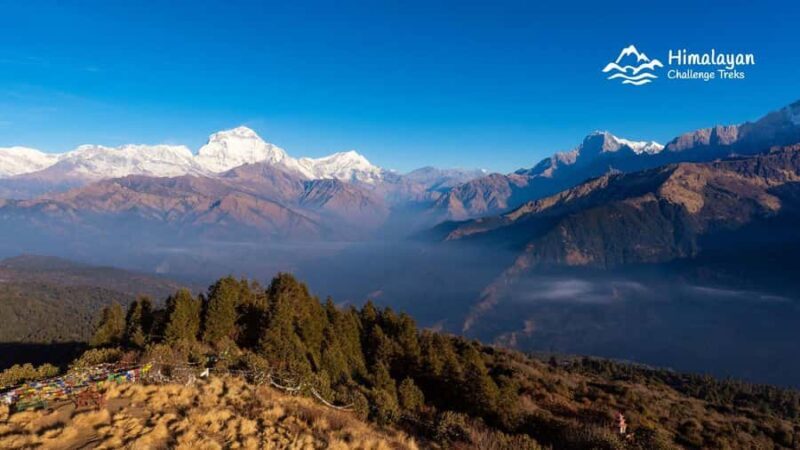
- Stunning High-Altitude Lakes: Tilicho Lake at 4,919 meters is one of Nepal’s highest lakes, offering incredible photo opportunities.
- Challenging Passes: Crossing Thorong La at 5,416 meters is the centerpiece of this trek and requires acclimatization and preparation.
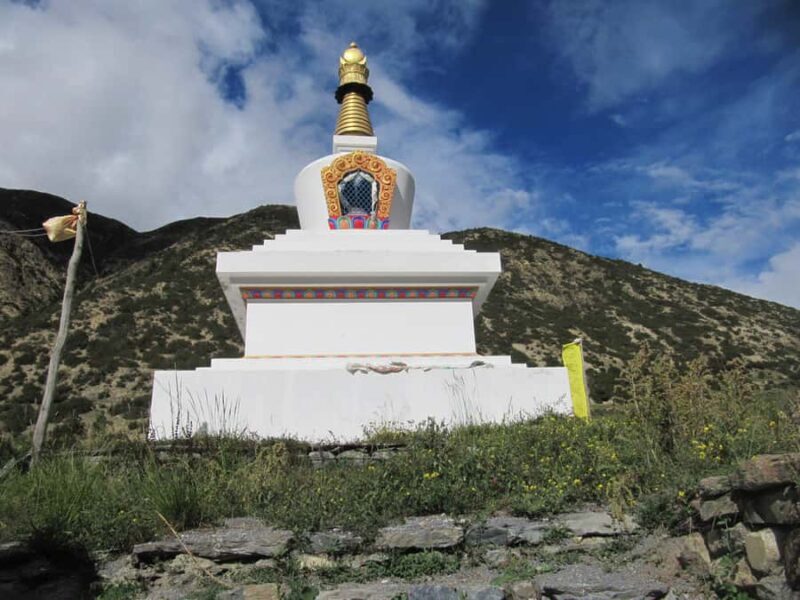
- Cultural Encounters: Traditional villages like Braga, Manang, and Khangsar bring local life alive, with monasteries and unique architecture.
- Authentic Experience: Small groups (limited to 10) and multilingual guides enhance personalized attention and cultural insights.
- Ideal for Fitness Enthusiasts: The trek demands physical stamina, high-altitude acclimatization, and mental resilience.
- Flexible Booking & Cancellation: Reserve now with the option to pay later, plus full refunds if canceled 24 hours in advance.
The Journey Begins: From Kathmandu to Jagat
The adventure kicks off with an 11-hour drive from Kathmandu to Besisahar, followed by a jeep ride to Jagat. The long drive can seem daunting, but it cuts through some scenic valleys and prepares you for the upcoming wilderness. Staying in a lodge at 1,300 meters, you’ll get an early taste of mountain hospitality with meals included—an excellent way to settle into trek mode.
Review insight: Many travelers appreciated the smooth logistics, though some noted the drive was a bit lengthy. It’s a necessary start that sets the tone for the remote landscapes ahead.
You can also read our reviews of more hiking tours in Jomsom
Trekking Through Villages and Valleys
Over the next few days, the route winds through the Marsyangdi River Valley and Kali Gandaki Valley, with each village offering a glimpse into local life.
Jagat to Dharapani (6 hours): Trekking 15 km, you’ll cross suspension bridges and lush forests. Dharapani sits at 1,860 meters—an early step in acclimatization.
Dharapani to Chame (6 hours): Following the river, expect varied terrain and breathtaking mountain views. Chame, at 2,650 meters, is a popular stop with hot springs nearby, perfect for relaxing tired muscles.
Chame to Upper Pisang (5 hours): The trail climbs to 3,300 meters, with panoramic views of Annapurna II. The trek through pine forests offers both challenge and charm.
Upper Pisang to Manang (7 hours): Crosses villages like Braga, known for its ancient monasteries. Staying at 3,540 meters, you’ll notice the air thinning—an important reminder to pace yourself.
Review insight: Several trekkers mention the beauty of the villages, describing Braga as a highlight for its well-preserved monasteries and local customs.
Acclimatization in Manang: A day here is crucial. Many travelers take short hikes to Gangapurna Lake and Ice Lake, which help with altitude adjustment. “The views from Manang are just incredible, and the short hikes help your body get used to the altitude,” one review notes.
Approaching Tilicho Lake
From Manang, the route veers toward Tilicho Base Camp, passing through Siri Kharka (4,060 m) and Yak Kharka. The terrain becomes more rugged and remote.
Siri Kharka to Tilicho Base Camp (4 hours): An 8 km trek with breathtaking mountain scenery. The base camp, at 4,150 meters, is where you’ll prepare for the lake visit.
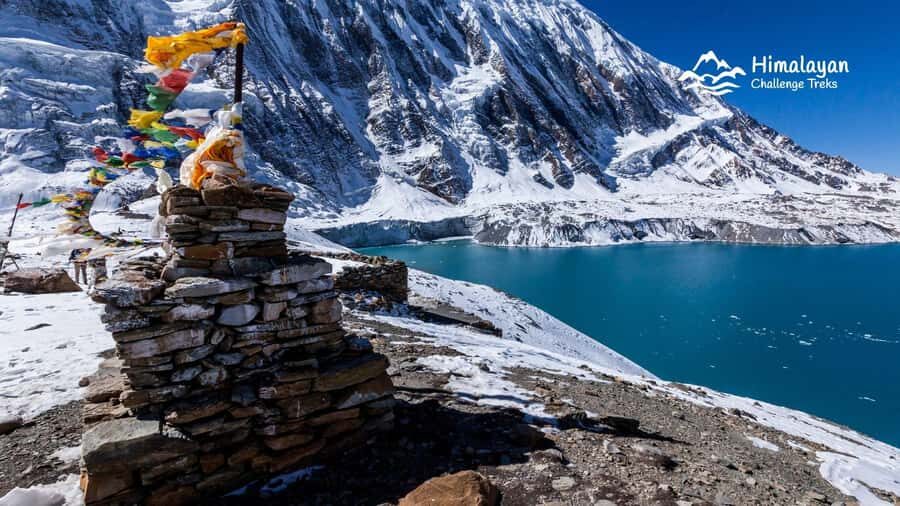
Visit to Tilicho Lake: The highlight is the 11 km round-trip hike to Tilicho Lake at 4,919 meters, often described as a “trip of a lifetime.” The lake’s icy, shimmering surface surrounded by snow-capped peaks leaves many speechless.
Review insight: Visitors praise the stunning scenery, but mention the hike to the lake is physically demanding, especially due to the thin air. Some advise starting early and taking it slowly.
Crossing Thorong La Pass and Reaching Muktinath
The most iconic part of the trek is crossing Thorong La at 5,416 meters. A 7-hour hike from Ledar to the high camp prepares you for the early start. Many mention this as the toughest day, but also the most rewarding.
Thorong La crossing: Weather can be unpredictable, so good gear and patience are vital. The snow and wind can be fierce, but the panoramic views of the Himalayas make it worth every step.
Descending to Muktinath: After crossing, the descent through dramatic landscapes and ancient monasteries to Muktinath (3,760 m) offers a spiritual and scenic payoff.
Review insight: Multiple reviews mention the sense of achievement and the surreal beauty at the pass, but also emphasize careful acclimatization and safety.
More Great Tours NearbyFrom Muktinath to Tatopani and Ghorepani
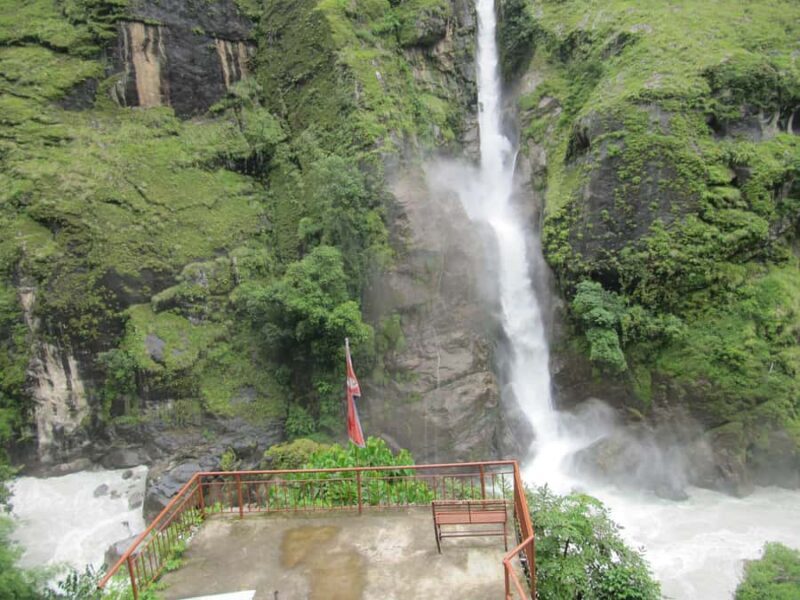
The journey continues with a drive to Tatopani, famous for its hot springs—an ideal spot for relaxation after days of trekking.
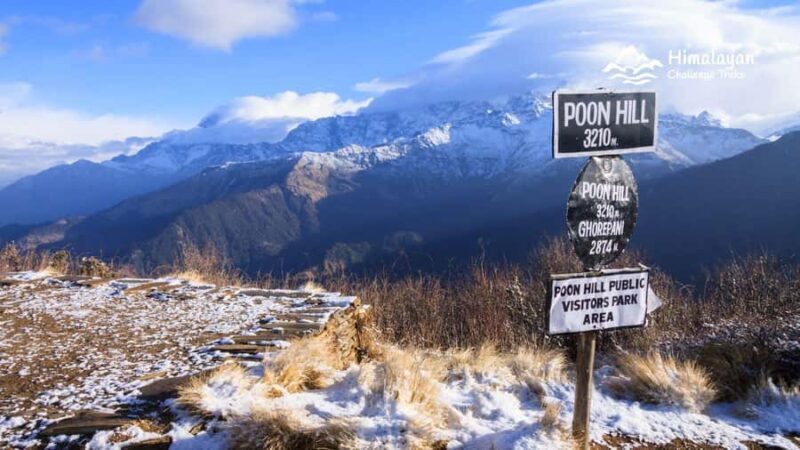
Tatopani to Ghorepani: A 7-hour trek takes you through villages and lush forests, culminating at 2,860 meters near Poon Hill, a popular sunrise viewpoint.
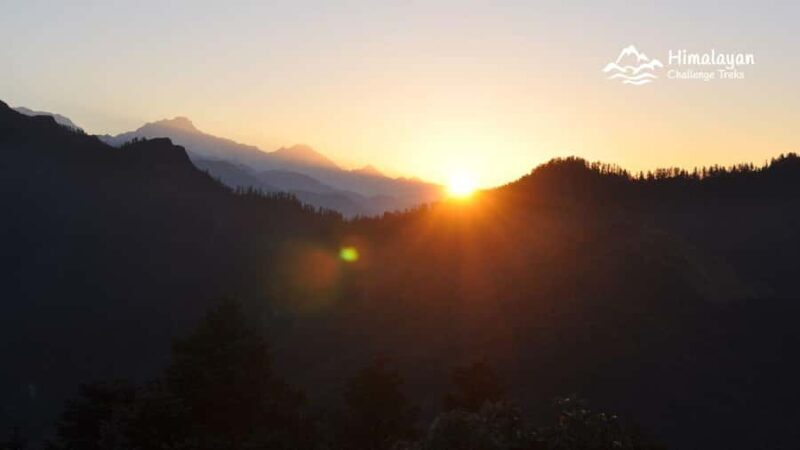
Poon Hill: The early morning hike offers views of over 20 Himalayan peaks on a clear day—an unforgettable photo moment.
Review insight: Visitors often mention the peacefulness of Poon Hill and the joy of the sunrise views, which are considered the trek’s crowning moment.
The Final Leg: Pokhara and Kathmandu
After descending from Ghorepani, you’ll drive to Pokhara, Nepal’s serene lakeside city. The day involves a 3-hour drive, with many using this time to relax and reflect.
Pokhara to Kathmandu: The return journey is a 7-8 hour drive, but an optional short flight can save time and add comfort. Many travelers enjoy a farewell dinner here, celebrating the completion of their adventure.
Review insight: The scenic drive allows a final glimpse of the mountains and valleys, with some travelers noting it’s a fitting end to an intense, rewarding trek.
Overall Value and Suitability
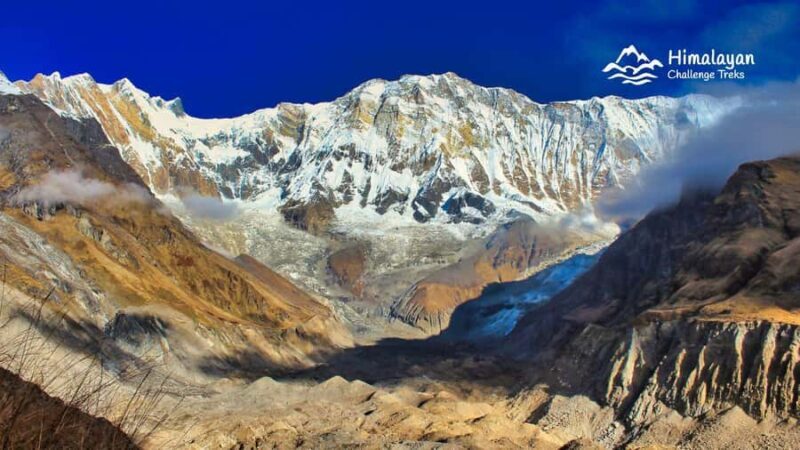
This trek offers a well-rounded combination of high-altitude adventure, culture, and stunning scenery. While the price includes all accommodations, meals, and guides, the real value lies in the comprehensive experience—covering everything from acclimatization to iconic viewpoints like Poon Hill and Tilicho Lake.
For those with good fitness levels and a sense of adventure, this trek provides not only challenging hikes but moments of awe, camaraderie, and connection with local communities. The small-group format (limited to 10) ensures personalized attention and richer interactions.
The logistics are straightforward, but the long travel days—especially in the beginning and end—are worth considering. The trek’s physical demands are high, so proper preparation and acclimatization are essential.
In terms of value, the inclusions—meals, accommodations, multilingual guides, and support—make it a comprehensive package for serious trekkers. The option to cancel or reserve with flexibility adds peace of mind, especially during uncertain times.
Who Will Love This Trek?
This trip is ideal for experienced hikers who want a rewarding challenge amidst some of the most stunning mountain scenery in the world. It suits travelers eager to explore remote villages, high-altitude lakes, and mountain passes with a guide who can enrich the experience with local insights.
It’s perfect for those who enjoy cultural encounters, appreciate the atmosphere of small mountain villages, and are prepared for the physical effort needed to reach high elevations. Less suitable for travelers with mobility or health issues, or those unprepared for cold and altitude.
If you’re looking for an adventure that pushes your limits while rewarding you with jaw-dropping views and authentic Nepalese culture, this trek checks all those boxes.
Frequently Asked Questions
How long is the drive from Kathmandu to the trek start point?
It’s approximately 11 hours by road from Kathmandu to Besisahar, followed by a jeep ride to Jagat, covering around 200 km.
Is the trek suitable for beginners?
No, it’s quite physically demanding and involves high altitudes, so it’s best suited for experienced hikers with good fitness levels.
What is the best way to prepare for the altitude?
Gradual acclimatization in villages like Manang and proper pacing are crucial. Many reviews mention the importance of taking rest days and short hikes to adjust.
Are meals included during the trek?
Yes, breakfast, lunch, and dinner are included most days, typically served in mountain lodges.
What kind of accommodations can I expect?
Simple but comfortable lodges with basic amenities, often featuring communal dining areas and warm beds.
How physically demanding is the crossing of Thorong La?
Very demanding due to high altitude, snow, and wind. Good gear, patience, and acclimatization are essential, and many consider it the highlight and challenge of the trek.
Can I add flights or extend my stay?
Yes, an optional optional flight from Pokhara to Kathmandu is available at an extra cost, and some travelers choose to extend their trip with side excursions.
Is this trek suitable in all seasons?
The best times are typically pre-monsoon (spring) and post-monsoon (autumn). Weather can be unpredictable, especially during monsoon or winter.
What should I bring for the trek?
Warm clothing, hiking shoes, sunscreen, thermal wear, trekking gear, personal medication, and a first aid kit are recommended.
This Annapurna Circuit with Tilicho Lake tour is a well-rounded mix of challenge, scenery, and cultural richness. It’s worth considering if you’re prepared for the physical effort and altitude, and eager for a truly authentic Himalayan adventure.
You can check availability for your dates here: More Great Tours Nearby