Planning a trekking adventure in Nepal often brings to mind the famous Annapurna Circuit or Everest Base Camp, but this 7-day trek from Pokhara offers a less trodden, equally rewarding experience. It’s built for those who crave authentic mountain life, culture, and panoramic Himalayan vistas—without the crowds. This journey takes you through Gurung villages, crosses a high-altitude pass, and blends remote trekking with the vibrant life of Manang.
We love how this trek combines cultural richness with physical challenge, the stunning views that seem to change with every step, and the sense of discovery in lesser-known villages. The chance to stay in local homestays and teahouses adds a genuine touch that many trekkers crave. One thing to consider is that the trek is physically demanding and best suited for those with good fitness levels, especially due to the high-altitude crossing.
If you’re a traveler who enjoys authentic mountain cultures, dramatic scenery, and a bit of adventure on the side, this route could be perfect. It’s ideal for those looking to go beyond the typical circuit and experience a more personal, off-the-beaten-path side of Nepal’s Himalayan landscape.
- Good To Know
- An In-Depth Look at the 7-Day Sikles and Namun La Pass Trek
- Starting Point: Pokhara to Sikles
- Day 2: Trek from Sikles to Tangting / Forest Camp
- Day 3: Forest Camp to Namun La Base Camp
- Day 4: The Highlight – Cross Namun La Pass (5,560m)
- Day 5: Timang to Chame – Joining the Annapurna Circuit
- Day 6: Chame to Pisang
- Day 7: Pisang to Manang
- What to Expect: Practical Details and Experience
- What to Pack
- When to Go
- Final Thoughts
- FAQs
- The Best Of Kathmandu!
- More 7-Day Experiences in Kathmandu
- More Hiking & Trekking Tours in Kathmandu
- More Tour Reviews in Kathmandu
- Not for you? Here's more nearby things to do in Kathmandu we have reviewed
Good To Know
- Cultural immersion: Experience Gurung and Tibetan cultures in remote villages.
- Spectacular views: Cross the daunting Namun La Pass for sweeping Himalayan panoramas.
- Authentic accommodation: Stay in local homestays, teahouses, and camps.
- Physical challenge: The trek is strenuous and requires good fitness.
- Unique route: Combines off-the-beaten-path trekking with the Annapurna Circuit experience.
- Best seasons: March-May and September-November are ideal for trekking.
👉 See our pick of the 14 Best Shopping Tours In Kathmandu
An In-Depth Look at the 7-Day Sikles and Namun La Pass Trek
You can also read our reviews of more hiking tours in Kathmandu
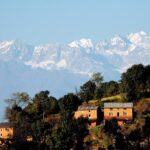
Starting Point: Pokhara to Sikles
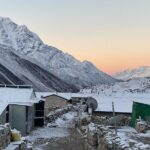
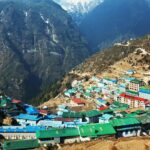
Our adventure begins in Pokhara, a city known for its lakes and mountain views. The drive to Sikles takes around 45 minutes—ideal for soaking up the landscape en route. Sikles is a Gurung village perched at 1,980 meters, offering an immediate sense of traditional mountain life. The village’s stone-paved lanes and local lodges create a welcoming atmosphere, giving travelers a taste of authentic village life. From here, you get your first glimpse of the surrounding Himalayan peaks, which, even from afar, hint at the adventure ahead.
Many reviews mention how Sikles feels like stepping into a different world—peaceful, with narrow alleys lined with traditional houses, and views of snow-capped mountains framing the village. Staying in a local lodge or homestay gives an added layer of authenticity, and you’ll likely find the Gurung hospitality warm and genuine.
Day 2: Trek from Sikles to Tangting / Forest Camp
This leg takes you through lush forests and small hamlets, with gentle inclines and declines that allow some breathing room after the initial drive. The trail meanders through pine forests, which are rich in birdlife and give a cool, shaded contrast to the open mountain vistas. Travelers often comment on the serene natural beauty and the chance to spot local flora and fauna.
The overnight is spent at a teahouse or a camping site, depending on your preference. This flexibility makes the trek accessible whether you’re a seasoned hiker or seeking a more relaxed pace.
Day 3: Forest Camp to Namun La Base Camp
Things start to ramp up here with a steeper ascent into alpine terrain. This section tests your stamina, as you’ll be climbing into more exposed areas where the air thins and wild landscapes dominate. The base camp of Namun La is surrounded by open terrain, offering spectacular views of the surrounding peaks and glaciers.
Reviewers highlight this stretch as challenging but rewarding, noting how the landscape opens up into dramatic, windswept scenery. The wildness here underscores the remote nature of this trek and sets the stage for the crossing.
More Great Tours NearbyDay 4: The Highlight – Cross Namun La Pass (5,560m)
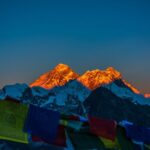
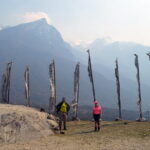
The crossing of Namun La Pass is undoubtedly the feature that draws most trekkers. Reaching 5,560 meters, this is a significant achievement—and the views are stellar. The ascent is steep but manageable with proper acclimatization and support from guides. The trail is often marked with prayer flags, and the feeling of standing atop this high Himalayan pass is exhilarating.
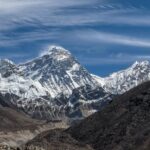
From the summit, you gaze in all directions at towering mountains, glaciers, and deep valleys. Many reviews describe this as a “once-in-a-lifetime view” and a “pinch-me moment.” The descent into the Manang district offers a different landscape—more carved, rugged, and awe-inspiring.
You can also read our reviews of more tours and experiences in Kathmandu
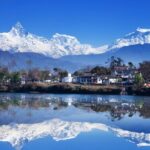
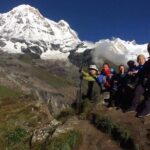
Day 5: Timang to Chame – Joining the Annapurna Circuit
Once you descend from the pass, you join the main Annapurna Circuit trail. The walk follows the Marsyangdi River, winding through pine forests and traditional villages. Chame, the district headquarters of Manang, is a lively hub with local markets and Tibetan-influenced architecture.
Travelers appreciate this transition, as it combines the wild high-altitude trek with more familiar trail scenery, making it easier to relax a bit while still enjoying Himalayan views and local culture.
Day 6: Chame to Pisang
This stretch is notable for its dramatic scenery and mountain views, including Annapurna II and Pisang Peak. The trail offers a choice between a lower route, which is easier and more shaded, and an upper trail that provides more panoramic vistas. Many reviewers favor the upper route for its stunning scenery, even if it’s a bit more demanding.
Expect to see terraced fields, traditional houses, and prayer flags fluttering in the mountain breeze. The views here are some of the most memorable, with a sense of reaching deeper into the heart of the Himalayas.
Day 7: Pisang to Manang
The final leg is relatively short but packed with scenic beauty. Reaching Manang, a town with a Tibetan flavor, feels like a reward. The village offers a blend of cultural sights, bakeries, and high-altitude scenery. Many travelers mention how this town’s pure Tibetan culture and the surrounding mountains create a magical atmosphere—a fitting end to the trek.
What to Expect: Practical Details and Experience
This trek is a physically demanding journey that requires good fitness and acclimatization to high altitudes, especially crossing the Namun La Pass at over 5,500 meters. The mix of accommodation—homestays, teahouses, and remote camps—adds authenticity but also variability in comfort. Some hikers mention that staying in local homes enhances cultural exchange, but the facilities can be basic.
Transportation from Pokhara is about 45 minutes by road, giving ample time to relax before starting the trek. The group size tends to be small, providing more personalized attention from guides, who are experienced and knowledgeable. One reviewer mentioned guides like “Potter,” who was praised for his support and local insights, making the journey smoother.
The total cost of $1,600 per person is quite reasonable considering the inclusive nature of accommodation, permits, and guided support. It offers good value when you factor in the cultural experiences, stunning scenery, and the challenge of crossing the high pass.
What to Pack
Expect to bring warm clothing, sturdy hiking shoes, sunscreen, a sleeping bag, and basic trekking gear. The weather can shift quickly, especially at higher elevations, so layering is essential. Since alcohol and drugs are not allowed, you’ll need to bring your own essentials and stay focused on safety.
When to Go
The best trekking seasons are March-May and September-November, when the weather tends to be clearer and more stable. Avoid monsoon months, which can make trails slippery and risky, especially at high altitudes.
Final Thoughts
This trek offers a compelling mix of remote Himalayan wilderness, culture, and the thrill of crossing a high mountain pass. While physically demanding, many reviewers find the sense of achievement and the unparalleled views worth every step. Staying in local villages and experiencing Gurung and Tibetan traditions adds more depth than a typical circuit trek.
For those seeking a less crowded, more authentic mountain adventure that tests their endurance and offers stunning scenery at every turn, this 7-day journey from Pokhara is a strong contender. It’s perfect for adventurous travelers craving genuine Nepalese culture and the unforgettable thrill of crossing a Himalayan pass.
FAQs
Is this trek suitable for beginners?
No, this trek is quite strenuous and involves high-altitude crossing at over 5,500 meters. Good physical fitness and acclimatization are essential.
What is the main highlight of this trek?
Crossing the Namun La Pass (5,560m) is the standout moment, offering breathtaking panoramic Himalayan views.
How long is the drive from Pokhara to Sikles?
The journey takes approximately 45 minutes, making it a convenient start for the trek.
What kind of accommodation is included?
You’ll stay in a combination of homestays, teahouses, and camps, especially in remote sections, offering an authentic experience.
When is the best time to undertake this trek?
The ideal seasons are March-May and September-November, when weather conditions are most stable.
What should I pack?
Warm clothing, hiking shoes, sunscreen, a sleeping bag, and trekking gear are recommended. Prepare for variable weather.
Are group sizes typically large or small?
Most trips are operated with small groups for a more personalized experience, often led by experienced guides.
Can I cancel and get a refund?
Yes, you can cancel up to 24 hours in advance for a full refund, providing flexibility in your planning.
In summary, this trek is a fantastic choice for travelers eager to explore Nepal’s high-altitude wilderness and vibrant cultures without the crowds. While physically challenging, the rewards—spectacular views, cultural encounters, and a sense of achievement—make it a trip worth considering. If you’re ready for a mountain adventure that balances authenticity and adventure, this route from Pokhara might just be what you’re looking for.
You can check availability for your dates here: More Great Tours Nearby