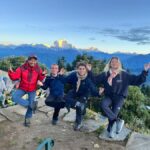
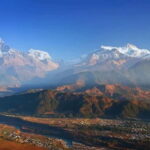
Planning a trek in Nepal? The 5-day Poon Hill Trek departing from Pokhara offers an accessible yet immersive route into the Himalayas, perfect for those who want a taste of Nepal’s mountain magic without the week-long commitment. We’ve examined this tour in detail, from the logistics to the little moments that make it special — and, truthfully, it’s a fantastic choice for explorers seeking stunning mountain vistas, authentic culture, and a well-organized experience.
What really caught our eye? The breathtaking sunrise from Poon Hill, the charm of Gurung villages, and the smooth transfers that minimize the stress of logistics. One thing to consider, though, is the basic accommodation in tea houses, which might not suit travelers seeking luxury. This trek suits those with moderate fitness who crave authentic Himalayan scenery and local culture but prefer a structured, guided route.
- Good To Know
- What Makes the Poon Hill Trek Special?
- The Itinerary in Detail
- Day 1: Pokhara to Tikedhunga
- Day 2: Tikedhunga to Ghorepani
- Day 3: Sunrise at Poon Hill, then Trek to Tadapani
- Day 4: Trek to Ghandruk
- Day 5: Ghandruk to Kimche and Return to Pokhara
- What To Expect During the Trek
- Views and Nature
- Cultural Encounters
- The Logistics and Value
- Best Seasons and Considerations
- Who Is This Trek Best For?
- The Sum Up
- FAQ
- The Best Of Pokhara!
- More Hiking & Trekking Tours in Pokhara
- More Guided Tours in Pokhara
- More Tour Reviews in Pokhara
- Not for you? Here's more nearby things to do in Pokhara we have reviewed
Good To Know
 1 / 7
1 / 7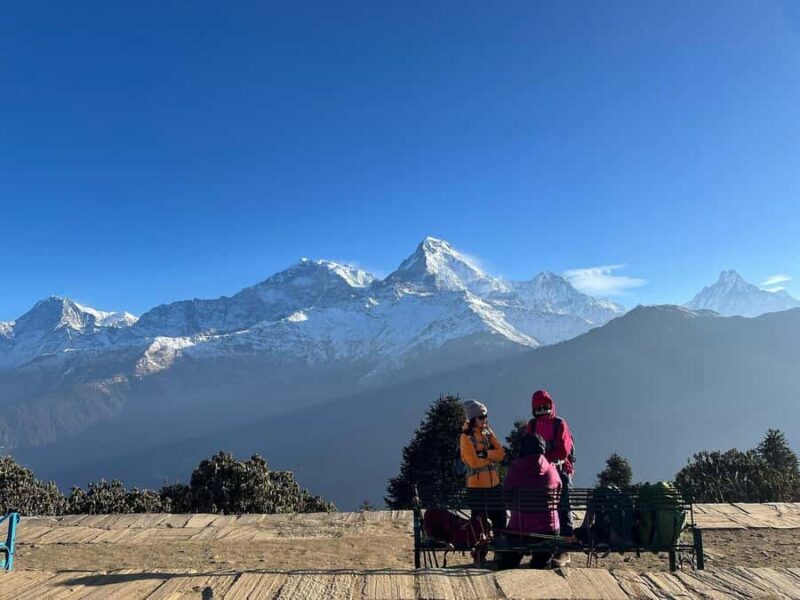 2 / 7
2 / 7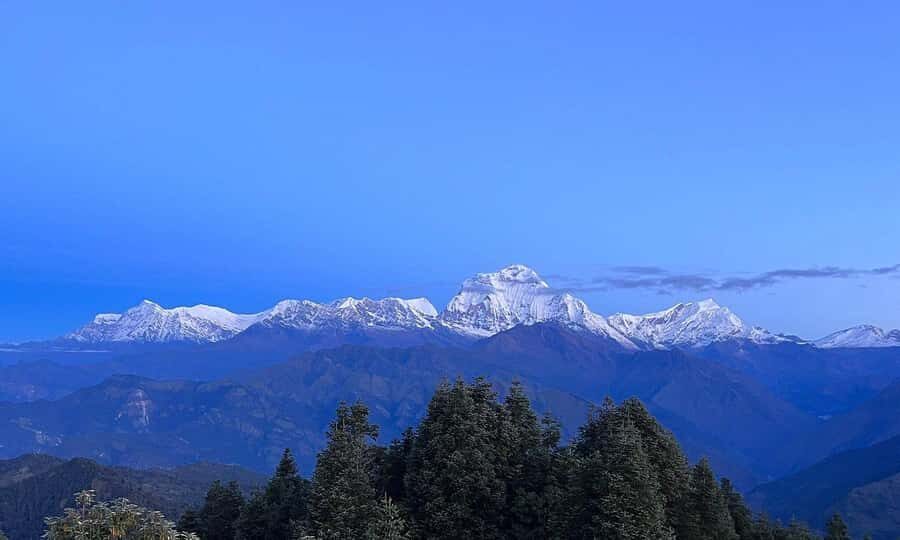 3 / 7
3 / 7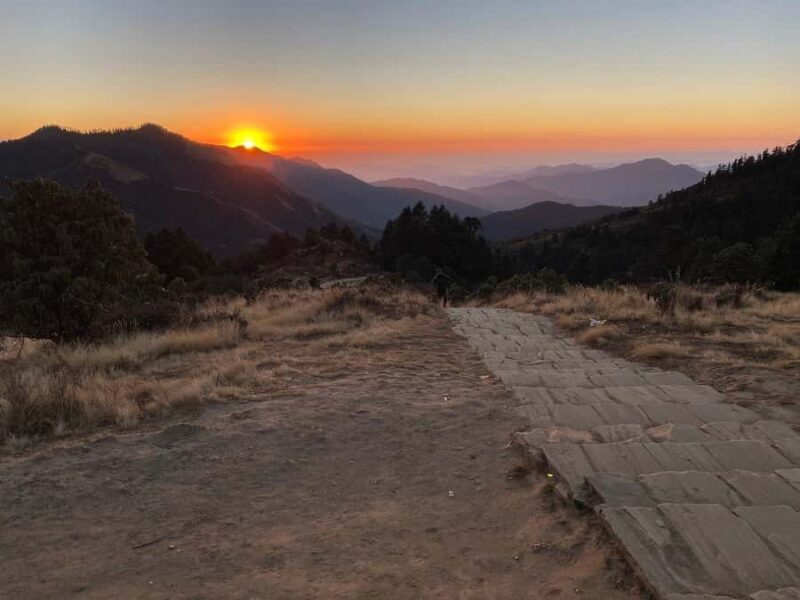 4 / 7
4 / 7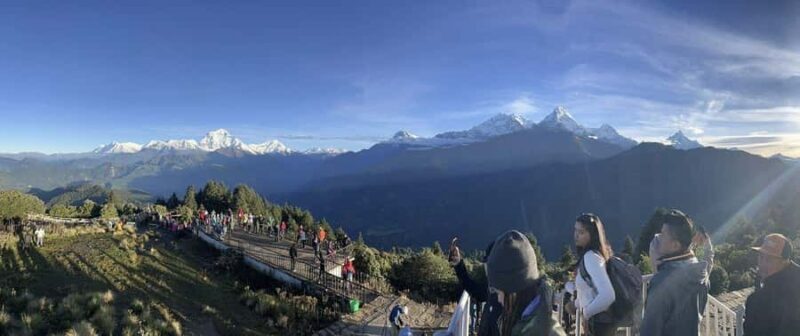 5 / 7
5 / 7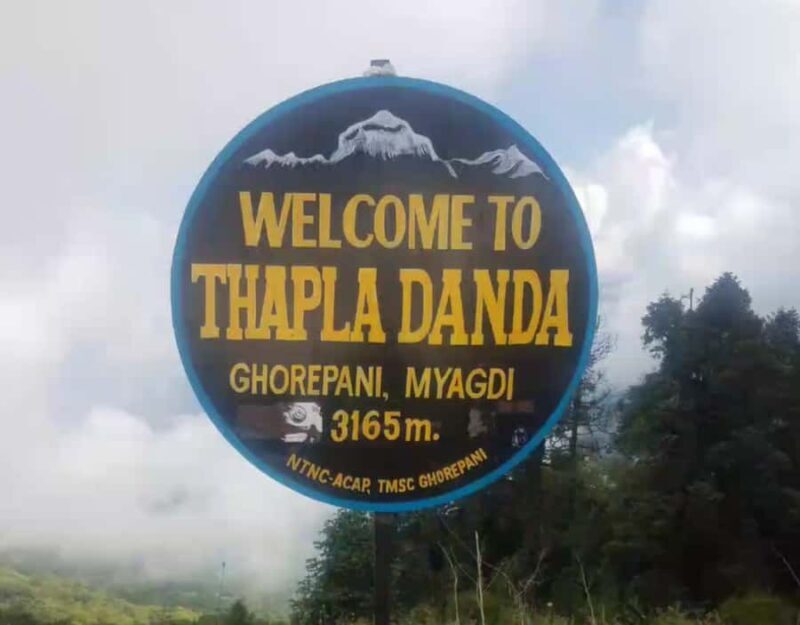 6 / 7
6 / 7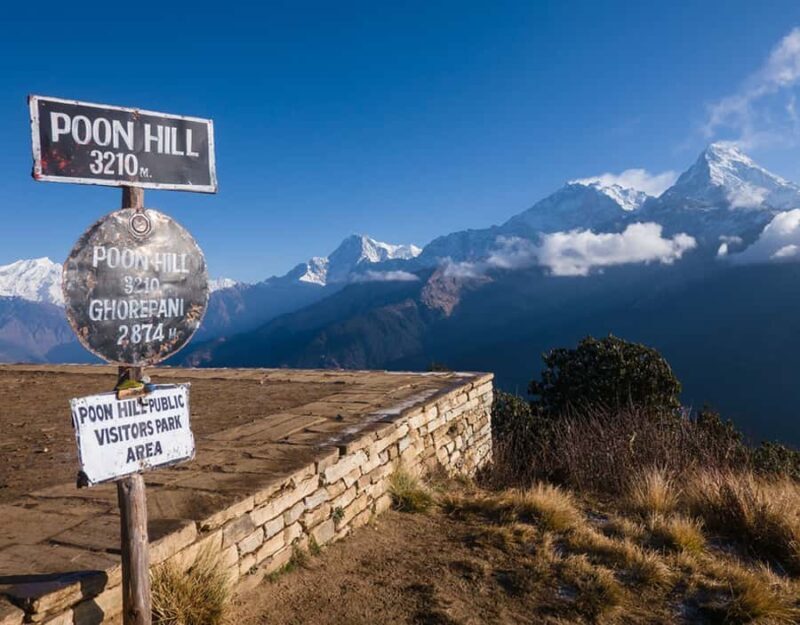 7 / 7
7 / 7- Stunning Himalayan views from Poon Hill, including Annapurna, Dhaulagiri, and Machapuchare
- Cultural immersion in Gurung villages with authentic homestay experiences
- Hassle-free logistics with guided transfers to and from Pokhara
- Moderate trekking suitable for beginners in good shape
- Beautiful nature through rhododendron forests and terraced fields
- Basic but cozy accommodations mainly in tea houses and homestays

👉 See our pick of the 6 Best Shopping Tours In Pokhara
What Makes the Poon Hill Trek Special?
This trek manages to deliver a comprehensive Himalayan experience without requiring weeks of hiking or advanced mountaineering skills. It’s designed to be accessible and enjoyable while offering enough challenge to keep you engaged. The guiding company, led by Bikki Sundash, ensures comfort and safety, making it a reliable choice for travelers new to trekking or Nepal.
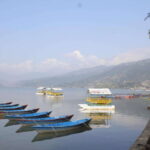
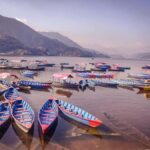
Expect a well-balanced itinerary that hits key highlights: awe-inspiring mountain panoramas, cultural insights, and comfortable logistics. The journey begins in Pokhara, a city famous for its lakeside charm and jaw-dropping Himalayan views, setting an ideal starting point. From there, the scenic drive to Nayapul drops you at the trailhead, ready for your adventure.
You can also read our reviews of more guided tours in Pokhara
The Itinerary in Detail
Day 1: Pokhara to Tikedhunga
Your adventure kicks off with a scenic drive from Pokhara to Nayapul, the traditional starting point. From there, it’s about a 3-4 hour trek uphill to Tikedhunga, a quiet village with simple teahouses. Expect lush forests, small rivers, and terraced fields along the way. Many reviewers appreciate the ease of this first day, setting a relaxed tone for the trek. One hiker mentioned, “The walk was gentle enough to enjoy the scenery without feeling rushed, and the views of the mountains gradually building up were exciting.”
Day 2: Tikedhunga to Ghorepani
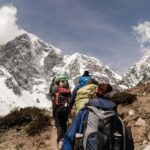
This is a more demanding day, featuring several steep staircases and noticeable elevation gain. Covering roughly 6-7 hours, this stretch takes you through dense rhododendron forests — a highlight, especially in spring when blossoms are a riot of color. Expect panoramic mountain views and the chance to spot wildlife. A common comment is, “The climb was tough but totally worth it for the scenery and the sense of achievement.” Be prepared for some sections that require a slow, steady pace.
More Great Tours NearbyDay 3: Sunrise at Poon Hill, then Trek to Tadapani
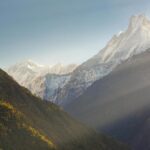
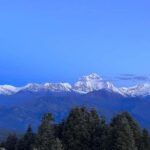
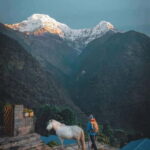
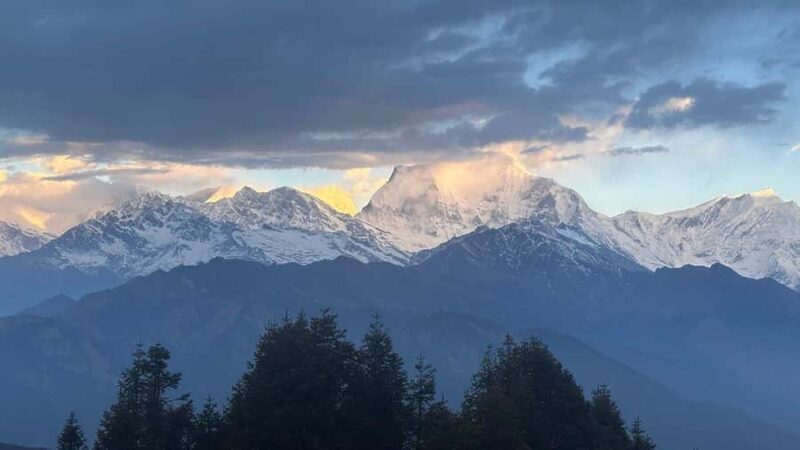
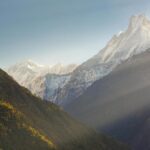
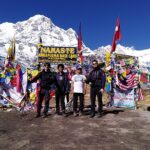
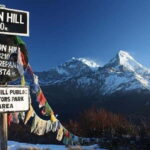
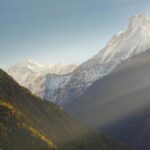
The early morning ascent to Poon Hill is the star of this trek. Standing at 3,210 meters, it offers an unrivaled sunrise over the Annapurna and Dhaulagiri ranges, complete with Machapuchare’s distinctive double-peaked silhouette. Bring a warm jacket — it’s cold at dawn. Many travelers say, “The sunrise was the most stunning part of the trip, worth waking up before dawn.” Afterward, descend back to Ghorepani, then continue to Tadapani through lush forests and small villages. This day offers a mix of downhill walking and moderate climbs, with ample opportunities for photos.
You can also read our reviews of more hiking tours in Pokhara
Day 4: Trek to Ghandruk
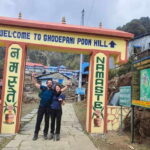
This section introduces you to Gurung culture, with a visit to traditional villages where you can see stone houses, terraced farms, and local lifestyle. The walk from Tadapani is mostly downhill, making it easier on knees and calves. Ghandruk is a popular stop, known for its cultural charm and mountain views. A reviewer shared, “Staying in Ghandruk felt like stepping back in time — the hospitality was genuine, and the scenery breathtaking.” You’ll find cozy teahouses here, perfect for soaking in the mountain atmosphere.
Day 5: Ghandruk to Kimche and Return to Pokhara
Your final day involves a mostly downhill trek to Kimche, followed by a drive back to Pokhara. This route is less strenuous but offers a last glimpse of the Himalayan peaks before your journey ends. The convenience of guided transfers means you don’t need to worry about transport logistics — a big plus after days of trekking.
What To Expect During the Trek
This trek balances moderate physical challenge with rewarding scenery. The guide provides support, local insights, and helps navigate steep climbs, so even those with a decent fitness level can manage it comfortably. The trekking days typically involve 4-7 hours of walking, with breaks in traditional tea houses, where simple but hearty meals and warm drinks are served.
Accommodations are basic, mainly in small tea houses and homestays. While not luxurious, reviewers mention they are cozy and clean, with some pointing out that the shared bathrooms are functional but modest. The focus is on authentic experience rather than luxury, so packing a good sleeping bag and a sense of adventure are recommended.
Views and Nature
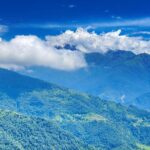
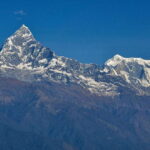
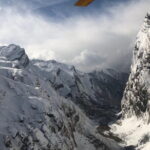
Expect lush landscapes, from terraced fields to dense forests of rhododendron, magnolia, and pine. The trail offers plenty of photo-worthy moments — especially when the sun hits the mountains at sunrise or sunset. The panoramic views from Poon Hill are genuinely awe-inspiring, with peaks like Annapurna I, Dhaulagiri, and Machapuchare all within reach.
Cultural Encounters
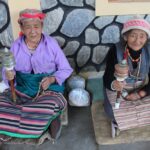
The villages along the way, primarily Gurung, give you insight into local mountain life. Many reviews highlight the friendliness of hosts and the chance to taste authentic local food. Visiting Ghandruk, in particular, feels like a step into a living museum of traditional Nepali culture.
The Logistics and Value
One of the best parts of this tour is the organized transfers and guided support, removing much of the hassle often associated with independent trekking. The tour includes pickup at your hotel in Pokhara and drop-off at the end, along with a professional guide who speaks English fluently. Having a guide is hugely beneficial — they help with navigation, share cultural context, and make sure you stay safe.
In terms of cost versus value, the tour offers a lot. The guided experience, transfers, and accommodations in basic but comfortable lodges mean you’re paying for both convenience and an authentic experience. Plus, the flexibility to reserve now and pay later adds peace of mind for spontaneous travelers.
Best Seasons and Considerations
Spring (March–May) and autumn (September–November) are the ideal times — clear skies, mild temperatures, and fantastic views. The trek involves some steep staircases and elevation gains, so good fitness helps, but it’s doable for most with moderate preparation. The accommodations are not luxurious, but they are warm and functional.
Who Is This Trek Best For?
This experience is perfect for beginners with good fitness, nature lovers, and those eager to witness iconic Himalayan scenery without a lengthy or technically demanding trek. If you’re seeking culture in Gurung villages and prefer a guided adventure with logistics taken care of, this tour fits the bill. However, travelers with mobility issues or respiratory problems will find it less suitable due to the physical demands and basic accommodations.
The Sum Up
The 5-day Poon Hill Trek from Pokhara offers a compact but richly rewarding Himalayan experience. It combines spectacular mountain views, authentic cultural encounters, and convenient logistics, making it ideal for those who want a hassle-free introduction to Nepal’s famed trekking routes. You’ll get to witness sunrise over the Annapurna range, walk through lush forests, and meet welcoming local villagers, all while enjoying guided support.
While the accommodations are modest, they provide a genuine flavor of mountain life, and the overall value of guided transfers and support makes this a smart choice for first-timers or busy travelers. It’s a memorable, picture-perfect adventure that captures the essence of Nepal’s natural beauty and warm hospitality.
If you’re looking for a balanced trek that combines ease and authenticity, this tour is worth considering. It’s a wonderful way to experience the Himalayas without feeling overwhelmed, and it offers enough challenge and scenery to leave you with lasting impressions.
Pokhara: 5-Day Poon Hill Trek with Guide and Transfers
FAQ
Is the trek suitable for beginners? Yes, it’s suitable for those with good fitness levels. The trek involves some steep stair climbs and elevation gains, but the guided support and relatively short daily distances make it accessible for most.
What is included in the tour? The tour includes transfers to and from Pokhara, a guide, and accommodations in basic tea houses or homestays. Meals are typically not included but can often be purchased at the lodges.
When is the best time to do this trek? The ideal seasons are Spring (March–May) and Autumn (September–November), when weather conditions are most stable and views are clearest.
How strenuous is the trek? While it involves some steep climbs, the overall effort is moderate. The trek is mainly downhill or flat after the ascent, making it manageable for most in decent shape.
What should I pack? Bring warm clothing, a camera, snacks, hiking shoes, water, a jacket, and a daypack. Basic accommodations don’t provide luxury amenities, so pack accordingly.
Are the accommodations comfortable? They are simple and functional, mainly in tea houses and homestays. Reviewers note they are cozy and clean, but not luxurious.
Can I customize the itinerary? The tour is fixed, but you can ask the guide about additional stops or adjustments. The main highlights, like Poon Hill sunrise and Gurung villages, are standard parts of the route.
Overall, this trek offers a well-rounded Himalayan adventure that balances scenic beauty, cultural richness, and practical logistics — ideal for travelers looking to experience Nepal’s mountains without the complexity of more advanced routes.
You can check availability for your dates here: More Great Tours Nearby