
Set out on a journey through the labyrinthine corridors of Peronism, peeling back the layers that shroud the enigmatic persona of Evita Peron and the intricate tapestry of the Peronist movement.
Unveiling the hidden narratives and motivations that propelled this political phenomenon to the forefront of Argentine history, this discussion promises to shed light on the complexities and controversies that continue to shape the nation’s identity.
As the curtains are drawn back on Peron Peron, prepare to be captivated by the untold stories and deeper meanings that lie beneath the surface, inviting you to explore a world where power, passion, and politics intersect in intriguing ways.
- Good To Know
- Origins of Peronism
- Rise to Power
- Evita Peron’s Influence
- Peronist Policies and Reforms
- Legacy of Peronism
- Impact on Argentine Society
- Common Questions
- How Has the Perception of Peronism and Evita Peron Evolved Over Time Among Different Generations in Argentina?
- What Specific Challenges Did Peronism Face in Its Early Years, and How Did It Adapt to Overcome Them?
- Are There Any Lesser-Known Figures Within the Peronist Movement Who Played Significant Roles in Shaping Its Ideology or Policies?
- How Did International Relations and Global Events During Peronism’s Reign Impact Its Policies and Decision-Making?
- What Are Some Common Misconceptions or Myths About Peronism and Evita Peron That Are Often Misunderstood or Misrepresented in Popular Culture?
- The Sum Up
Good To Know

- Peronism emerged from Juan Perón’s ideologies, blending nationalism and social welfare.
- Evita’s charisma and dedication to social causes elevated Peronism’s popularity.
- Peronism reshaped Argentine politics with progressive policies and a focus on social justice.
- The Peronist movement left a lasting impact on Argentine society, politics, and national identity.
Origins of Peronism

Peronism, a political movement that emerged in Argentina, was rooted in the ideologies and actions of Juan Domingo Perón. In the turbulent political context of the 20th century, Perón capitalized on the dissatisfaction of the working class and the growing social movements to establish a movement that aimed to uplift the marginalized sectors of society.
Peronism was characterized by its populist approach, blending elements of nationalism, labor rights, and social welfare policies. By championing the needs of the working class and promoting social justice, Perón garnered immense support, shaping the political landscape of Argentina. The movement’s emphasis on social equality and economic reforms resonated with many, solidifying Peronism as a significant force in Argentine politics.
Rise to Power
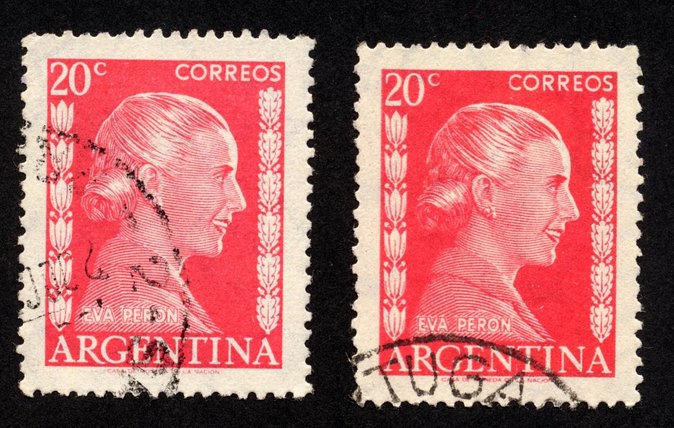
Juan Domingo Perón rose to power in Argentina by skillfully tapping into the discontent of the working class and leveraging growing social movements during the tumultuous 20th-century political landscape. Perón’s charisma played a pivotal role in his ascent, allowing him to connect with people on a personal level and gain their trust.
His political tactics were marked by a strategic blend of populism and authoritarianism, which resonated with a significant portion of the Argentine population seeking change and stability. By aligning himself with labor unions and promising social reforms, Perón managed to consolidate his power base and ultimately secure the presidency in 1946.
This marked the beginning of a transformative era in Argentine politics, characterized by Perón’s strong leadership and controversial policies.
Evita Peron’s Influence
With her captivating presence and unwavering dedication to social causes, Evita Peron left an indelible mark on Argentine history and politics. Evita’s charisma and connection with the working class greatly contributed to the rise of Peronism and solidified her position as a symbol of hope for the marginalized.
Her influence extended beyond traditional political roles, as she used her platform to advocate for women’s rights and social welfare, shaping the Peronist movement into a force for social change. Plus, Evita’s image and legacy became intertwined with Peronist symbolism, embodying the ideals of social justice and equality that defined the movement.
Peronist Policies and Reforms
Shaping the socio-political landscape of Argentina, the Peronist movement implemented a series of progressive policies and reforms aimed at addressing societal inequalities and improving the standard of living for the working class. Rooted in Peronist ideology, these reforms reshaped Argentine politics by prioritizing social welfare, labor rights, and economic development.
Perón’s government introduced labor laws that granted workers benefits such as paid vacations, severance pay, and collective bargaining rights. Social security systems were expanded to provide a safety net for the elderly and vulnerable populations. Plus, Peronism emphasized nationalistic policies that promoted industrialization and economic independence.
These initiatives marked a significant shift in Argentine politics, focusing on social justice and economic empowerment for the masses.
Legacy of Peronism
The enduring impact of Peronism reverberates through Argentina’s socio-political landscape, leaving a lasting imprint on the nation’s history and identity. Peronism’s legacy includes:
Social Policies: Peronism’s focus on social justice and workers’ rights shaped Argentina’s welfare system and labor laws, influencing the country’s approach to social welfare for decades.
Political Structure: The Peronist movement’s centralized leadership style and charismatic authority established a political framework that continues to impact Argentine politics and governance.
Peronist Symbolism: Icons like Evita Peron and Juan Peron remain powerful symbols within Argentine society, representing different aspects of Peronism’s legacy in the collective memory of the nation.
Impact on Argentine Society
Peronism’s historical influence on Argentine society is unmistakable, evident in the intricate tapestry of its social, political, and cultural fabric.
The movement’s impact on socioeconomic changes has been profound, with policies aimed at improving the lives of the working class through labor rights, social welfare programs, and industrialization.
Peronism also sparked a surge in political activism, mobilizing previously disenfranchised groups and reshaping the country’s political landscape.
The movement’s emphasis on social justice and national sovereignty resonated deeply with many Argentinians, leading to a lasting influence on the country’s collective identity.
Through Peronism, Argentina experienced significant shifts in power dynamics, economic structures, and societal norms, leaving an indelible mark on its history and shaping its future trajectory.
Common Questions
How Has the Perception of Peronism and Evita Peron Evolved Over Time Among Different Generations in Argentina?
Generational perspectives on Peronism and Evita Peron in Argentina have shifted due to cultural changes over time. Younger generations may view them differently from older ones, reflecting evolving societal values and historical reinterpretations.
What Specific Challenges Did Peronism Face in Its Early Years, and How Did It Adapt to Overcome Them?
Peronism faced various challenges in its early years, including political opposition and economic instability. It adapted by implementing social reforms, building a strong support base among the working class, and utilizing propaganda to promote its ideals.
Are There Any Lesser-Known Figures Within the Peronist Movement Who Played Significant Roles in Shaping Its Ideology or Policies?
In the Peronist movement, lesser-known figures like Peronist intellectuals and Peronist women contributed significantly to shaping ideology and policies. Their roles in advancing the Peronist labor movement and implementing social programs were crucial.
How Did International Relations and Global Events During Peronism’s Reign Impact Its Policies and Decision-Making?
During Peronism’s reign, international relations and global events influenced policies. Globalization and Cold War dynamics impacted decision-making, shaping cultural exchange and diplomatic relations. These external factors played a pivotal role in Peronism’s governance and strategies.
What Are Some Common Misconceptions or Myths About Peronism and Evita Peron That Are Often Misunderstood or Misrepresented in Popular Culture?
Many misconceptions surround Peronism and Evita Peron in popular culture. Distinguishing myth from reality is essential to understanding their cultural impact. Exploring historical contexts and primary sources can help debunk these myths and offer a clearer perspective.
The Sum Up
To sum it up, the private tour in Buenos Aires offers a fascinating glimpse into the world of Peronism and the iconic figure of Evita Peron.
With a customizable itinerary and expert guidance, participants can uncover the historical significance and lasting legacy of this influential movement.
From the origins of Peronism to its impact on Argentine society, this immersive experience provides a comprehensive exploration of a pivotal era in the country’s history.